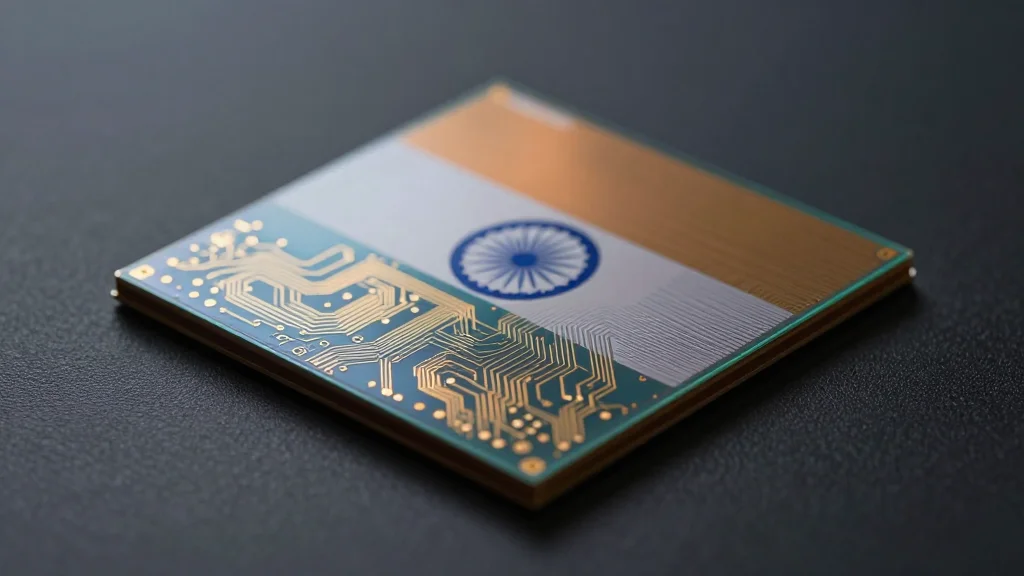
India’s Electronics Push Shifts to Design, but Ownership Gap Remains
India’s electronics strategy is pivoting from sheer manufacturing volume to design ownership, highlighted by the Ministry of Electronics and Information Technology’s approval of a ₹7,104 crore (~$765 million) fourth tranche of the Electronic Component Manufacturing Scheme. Industry veterans argue that without independent design houses (IDHs) that create and license IP, the country will remain a low‑margin assembly hub. Companies such as Mirafra, Tescom and Brandworks are experimenting with end‑to‑end design while still partnering with contract manufacturers. The shift faces talent, funding and demand gaps, prompting calls for policy reforms to secure a $45 billion government‑procurement market for locally designed products.
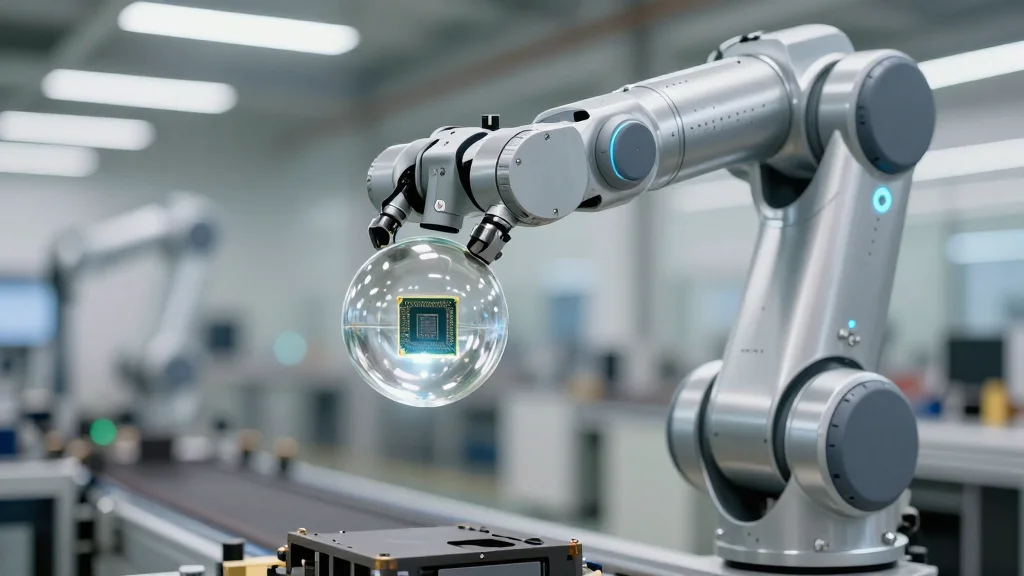
The Overlooked Infrastructure Behind AI Robots
In March 2026 Nvidia and ABB formalized a partnership to embed AI‑driven compute directly into industrial robots. The deal emphasizes the often‑ignored infrastructure—edge servers, high‑bandwidth networking, and digital‑twin platforms—that powers real‑time perception and autonomous decision‑making. Both companies will co‑develop a...

How Europe Actually Finances Semiconductor Investments
The European Chips Act has unlocked tens of billions of euros for semiconductor research, pilot lines, and fab construction, but turning policy into factories depends on a complex financing pipeline. Central to that pipeline is the European Investment Bank, which...
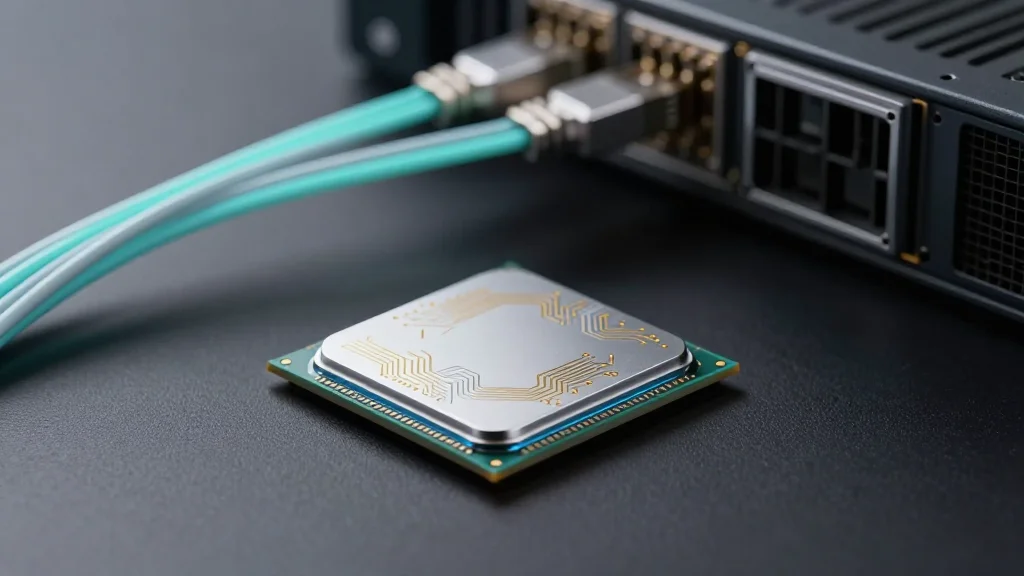
SambaNova Teams Up With Intel on Disaggregated Inference
AI infrastructure startup SambaNova announced a partnership with Intel to create a disaggregated inference solution aimed at serving agentic AI systems. The joint effort will combine SambaNova's AI software stack with Intel’s Habana Gaudi accelerators and high‑bandwidth interconnects, enabling modular...
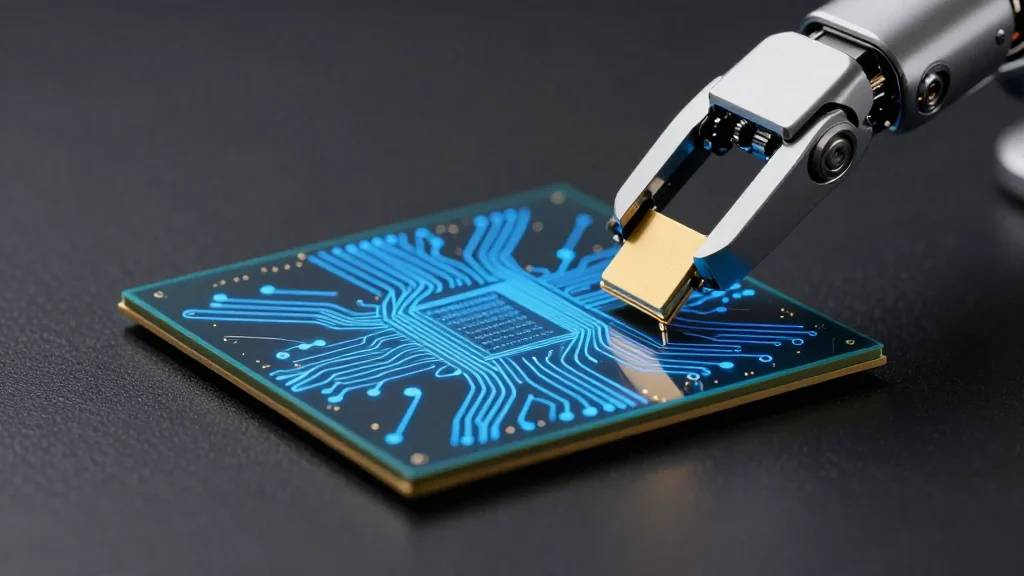
How to Plan Agentic AI Deployment for Chip Design
The semiconductor industry is shifting from experimental AI pilots to full‑scale, agentic AI deployment in chip design. Early use cases like placement optimization and simulation triage have expanded into end‑to‑end workflows covering layout, verification, and testing. Vendors now offer structured...

The Moon Is Back on the Menu
Artemis II’s April 1 launch proved NASA’s new heavy‑lift rocket and Orion spacecraft can carry astronauts around the Moon, marking the first crewed lunar mission since Apollo. Administrator Jared Isaacman introduced the Ignition policy, shifting NASA toward a systems‑architect role that emphasizes...

5G Adoption Tops 30%, but Revenue Growth Still Lags
5G now accounts for over 30% of global mobile connections, roughly 2.8 billion devices. Yet revenue growth remains sluggish, with only about 20% of operators deploying standalone 5G architecture needed for advanced services. Operators still depend on consumer revenue, which supplies...
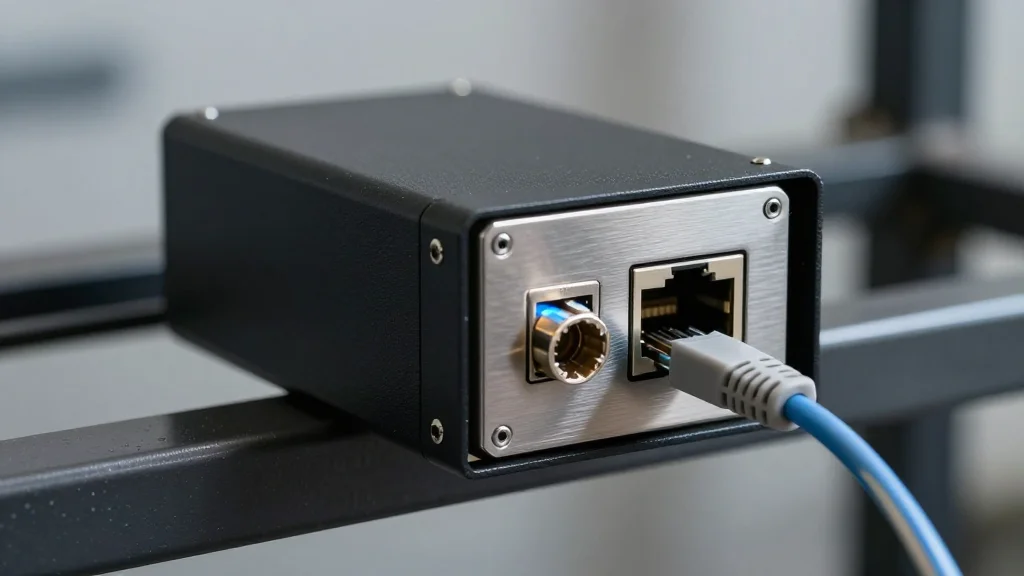
Ixxat Introduces CAN@net Basic: Cost-Efficient CAN-FD-to-Ethernet-Gateway for Scalable Industrial Networking
Ixxat, a HMS Networks brand, launched CAN@net Basic, a streamlined CAN‑FD‑to‑Ethernet gateway aimed at industrial and automotive applications. The device offers a single CAN‑FD channel up to 8 Mbit/s, UDP/IP Ethernet connectivity, and robust isolation while keeping the list price at...
Manufacturing Bounces Back in March Amid Price and War Woes
U.S. manufacturing activity expanded in March, with the ISM Manufacturing PMI climbing to 52.7, a modest 0.3‑point gain over February and marking the third straight month of growth. While the New Orders Index cooled, the Production Index accelerated, and the...
Kandou AI Raises $225M in Series A Funding
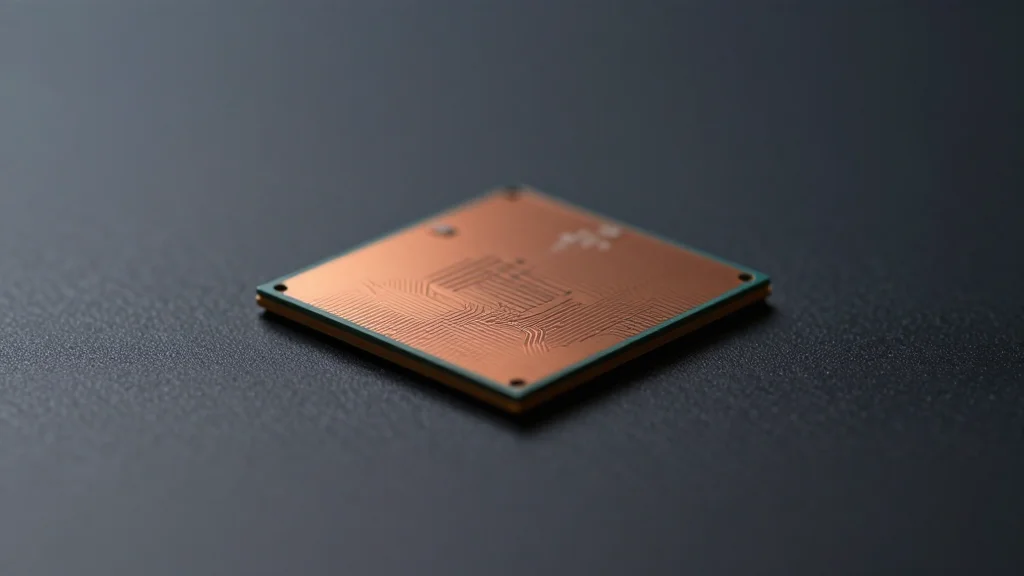
Swiss fabless startup Kandou AI secured a $225 million Series A round led by Maverick Silicon, with SoftBank, Synopsys, Cadence and Alchip participating. The funding will accelerate production of its Copper MIMO (chord signaling) chips that aim to double data‑rate capacity while slashing...
Silicon Choices Grow in Importance as Industrial AI Moves Closer to the Factory Floor
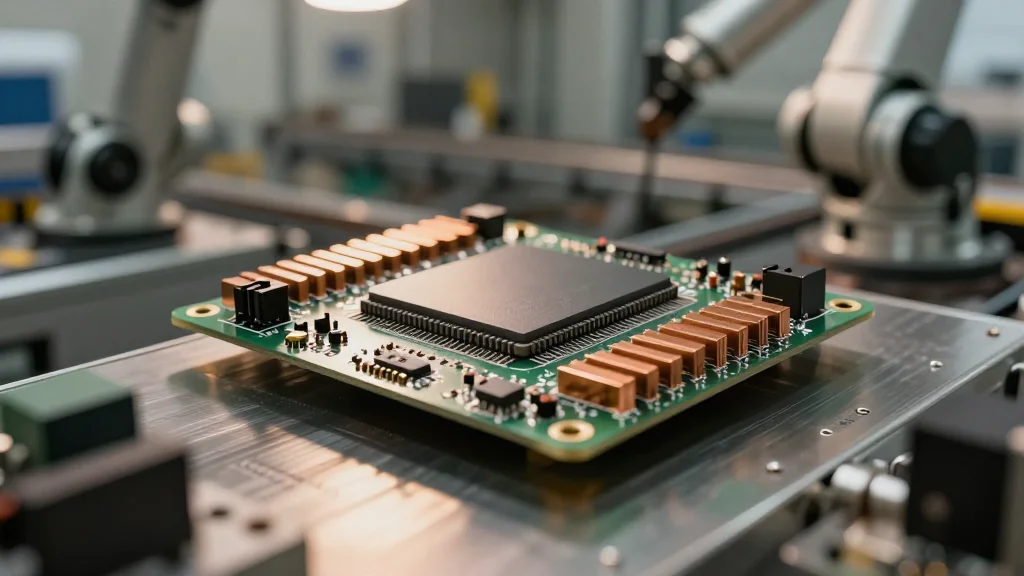
Industrial AI is moving from centralized clouds to the factory floor, where real‑time inference must run continuously alongside machines. This shift is driven by latency, data volume, and security concerns that make edge processing essential. As a result, the choice...