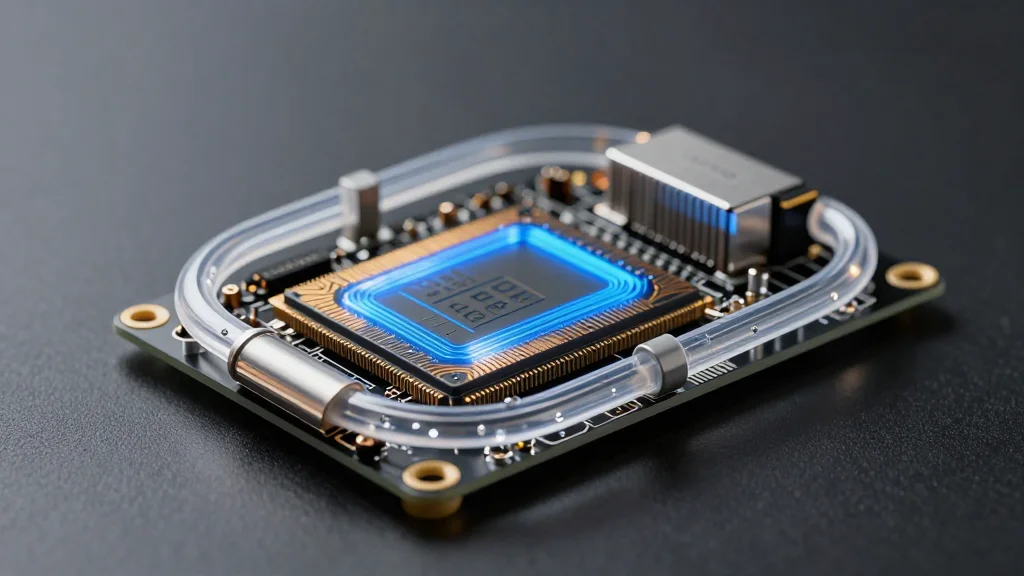
New Power, Memory, Interconnect, and Thermal Architectures for AI Infrastructure at Scale
The AI industry is pivoting from training to inference, which analysts expect to represent 85% of enterprise AI workloads within three years. This shift exposes four systemic bottlenecks—power, memory, thermal and copper interconnects—each limiting scale and efficiency. Companies are responding with 800 V power distribution, SRAM‑centric memory, advanced liquid and MEMS cooling, and optical fabrics that replace copper links. Infineon highlights a system‑level co‑design approach that integrates silicon, packaging and firmware to break these walls.
EDA’s AI Revolution Meets Its Real-World Constraints
AI is reshaping electronic design automation (EDA), but in 2026 success will depend more on data infrastructure, orchestration, and regulatory compliance than on new model breakthroughs. Companies face data silos from sovereignty rules, requiring federated architectures and metadata catalogs. Agentic...

Automakers Face Memory Shock as AI Uses Up Semiconductor Supply
Automakers are now competing with AI data‑center builders for a dwindling supply of DRAM and NAND flash, turning memory from a commodity into a scarce resource. New EU safety regulations and the rise of software‑defined electric vehicles have pushed average...

When Encryption Meets Quantum
Quantum computers will soon invalidate RSA and elliptic‑curve cryptography, exposing every system that relies on them—from IoT sensors to cloud services. A "harvest now, decrypt later" threat means encrypted data captured today can be broken once quantum hardware matures. U.S....
MRAM Gets Its Own SIG
Magnetoresistive RAM (MRAM) has reached a maturity level that prompted the creation of the MRAM Alliance Special Interest Group (SIG) within the Storage Networking Industry Association. The SIG brings together foundries, chip makers, memory vendors, equipment suppliers and end‑users to...
How Bluetooth® Technology Is Powering Productivity at Scale
Industrial firms will invest $224.7 billion in digital transformation in 2026, driven by labor shortages, cost pressures, and tighter compliance. Bluetooth SIG highlights how Bluetooth’s low‑power, high‑density connectivity is enabling real‑time asset tracking, predictive maintenance, and safer human‑machine interfaces across factories...
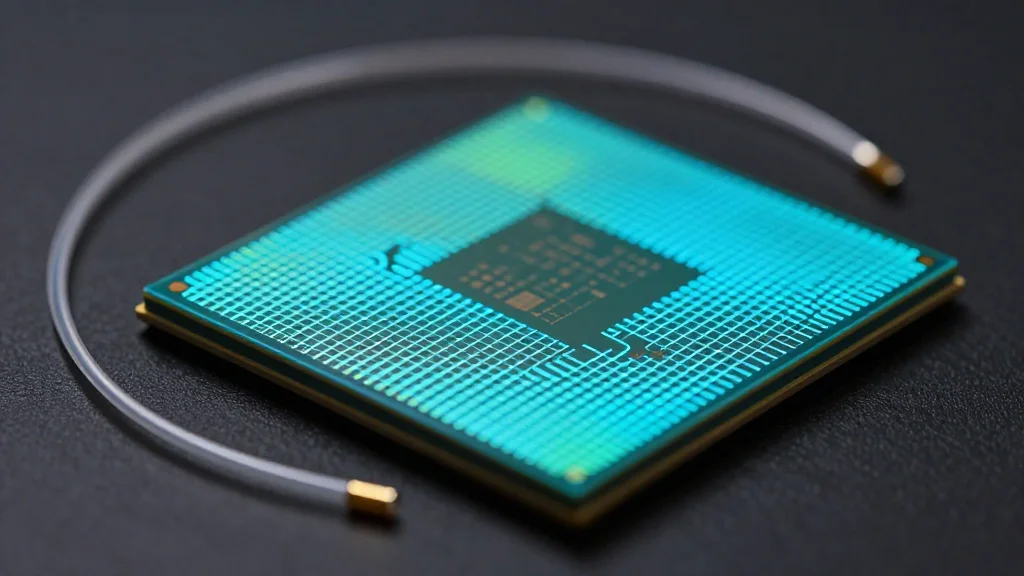
Europe’s Photonics Push Runs Through Spain
Europe has launched the €400 million (≈$432 million) PIXEurope initiative, a distributed pilot line for photonic integrated circuits coordinated by Spain’s ICFO. The program links 20 partners across 11 countries to provide design, fabrication, packaging and testing services, shortening prototype cycles that...

Apple-Intel Foundry Deal Could Reshape U.S. Chip Manufacturing
Apple and Intel have entered a preliminary agreement for Intel to manufacture Apple‑designed chips, a deal encouraged by the U.S. government. The partnership could give Intel Foundry a marquee customer, helping justify its multibillion‑dollar investment in advanced nodes such as...

AI Delivers Faster, Actionable DRC Closure for Complex SoC Designs
As semiconductor designs push below 2 nm, full‑chip design rule checking (DRC) can generate billions of violations, threatening tape‑out schedules. Siemens EDA’s Calibre Vision AI applies machine‑learning to group these violations into a few hundred actionable clusters and supports incremental OASIS loading,...

The Memory Wall Is Real, Here Is the Door
The global DRAM shortage, driven by AI‑centric demand, is expected to linger until 2030, with prices up 172% year‑over‑year and OpenAI alone consuming roughly 40% of output. New fabs from SK Hynix, Micron and Samsung won’t deliver relief until 2027‑2028,...
Geopolitics Is Rewriting Memory Sourcing
Geopolitical tension, especially between the United States and China, is fragmenting the global memory supply chain, creating a two‑speed market where advanced DRAM and HBM are routed to politically aligned regions while legacy memory circulates more broadly. OEMs must now...
How BSC Contributes to Europe’s Hybrid Quantum Strategy
Global quantum spending has topped $66 billion, and Europe is answering with a €808 million (~$875 million) public pledge and up to €1.5 billion (~$1.62 billion) overall for its 2025‑2030 Quantum Technologies Strategy. At the core is Spain’s Barcelona Supercomputing Center, where the MareNostrum 5 exascale...
Industrial AI: How Factories Learn to Live With Uncertainty
Industrial AI faces a fundamental hurdle: pervasive uncertainty in sensor data and process conditions that limits real‑world impact. While 91% of manufacturers launched new AI initiatives last year, the gap between controlled‑lab performance and factory‑floor reliability remains. Techniques such as...
How Spain’s ICFO Helped Build a Quantum Security Startup for the AI Era
Quside, a Barcelona startup spun out of the Institute of Photonic Sciences (ICFO), sells photonic quantum random number generator (QRNG) chips that deliver high‑quality, verifiable entropy for cryptographic keys. The firm has shipped to 50‑60 customers worldwide and expects to...
The Next Phase of Europe’s Semiconductor Strategy
The EU is moving its semiconductor policy from a high‑profile fab push to a realistic, market‑driven approach. New analysis highlights the shift toward de‑risking without decoupling, focusing on application‑critical chips such as automotive, power and secure devices. At the same...
Agentic AI Tackles RTL Verification’s Productivity Gap
Agentic AI is emerging as a solution to the productivity gap in RTL verification, shifting focus from raw simulation speed to coordinated workflow intelligence. By embedding AI agents directly into verification engines, the technology can observe state, plan bounded actions,...
Industrial Control Systems Manufacturer Eliminates Stockouts
Nexus Automation and Control Systems, a Louisiana‑based maker of custom industrial equipment, replaced Excel and QuickBooks with MRPeasy’s cloud‑based MRP platform in mid‑2024. The switch eliminated chronic stockouts and overstocking, giving the firm real‑time visibility over roughly 3,000 SKUs and...
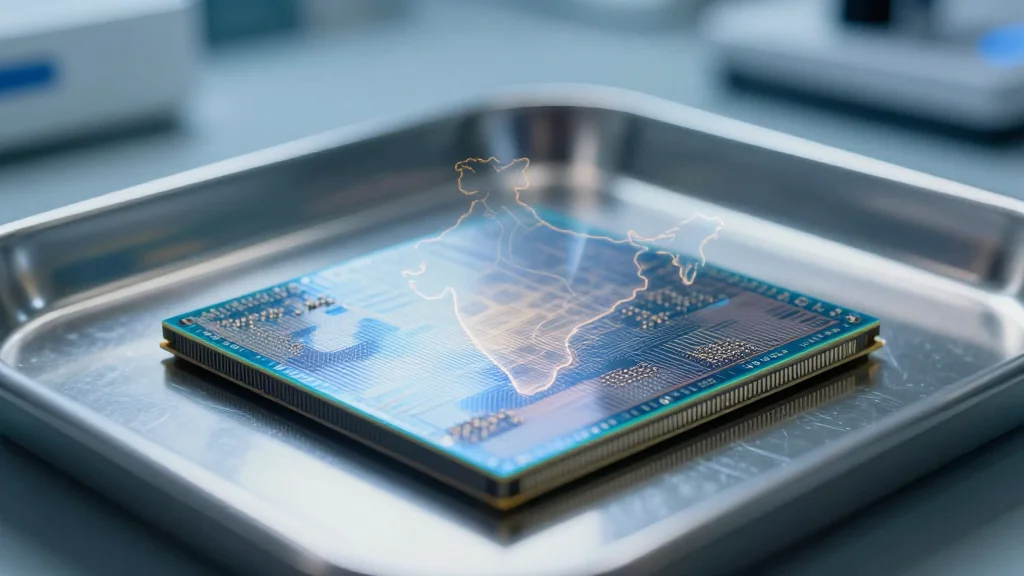
Fraunhofer IPMS Eyes India For Contract Research and Semiconductor Partnerships
The Fraunhofer Institute for Photonics and Microsystems (IPMS) announced a strategic push into India, targeting contract research and semiconductor partnerships with local electronics firms and research bodies. The institute plans to establish joint R&D labs and offer its expertise in...
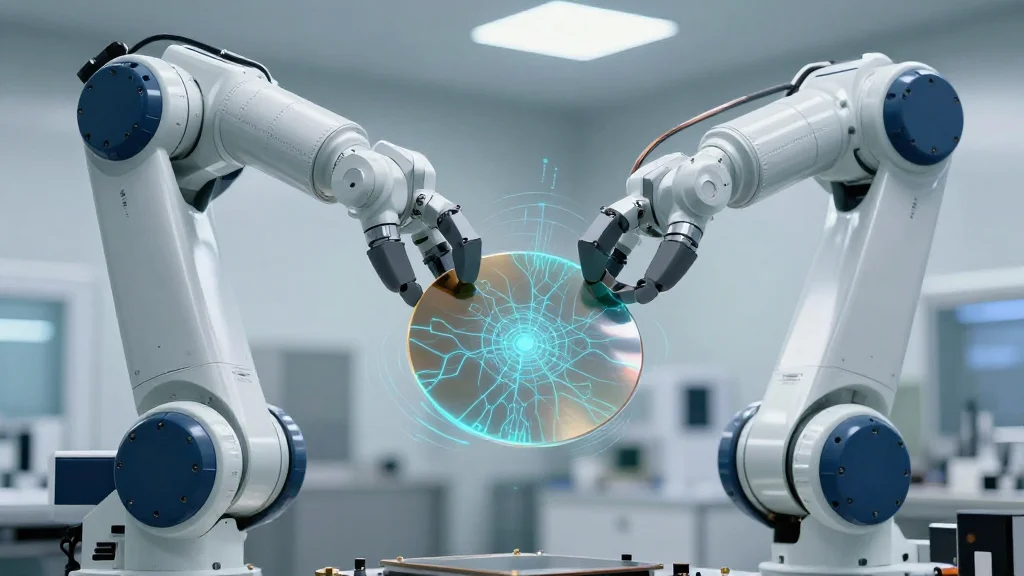
How AI Is Transforming the Factory Floor
AI and edge computing are reshaping factories, giving robots and autonomous systems real‑time vision and decision‑making capabilities. The International Federation of Robotics reported 4.66 million industrial robots in operation in 2024, a 9 % increase, with Asia responsible for 74 % of new...
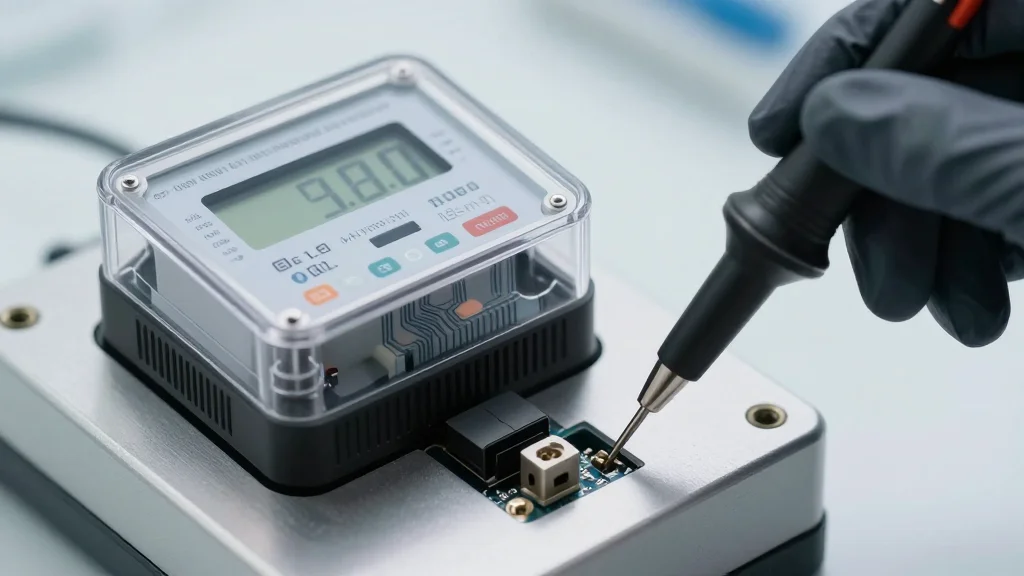
How ICT Ensures Energy Meters Secure Performance
In‑circuit testing (ICT) provides the deep electrical validation that traditional bench testing cannot, catching hidden PCB defects, measurement drift, and communication instability in smart energy meters. Global non‑revenue losses from inaccurate meters total $55‑110 billion, and MID 2014/32/EU non‑compliance can trigger fines...
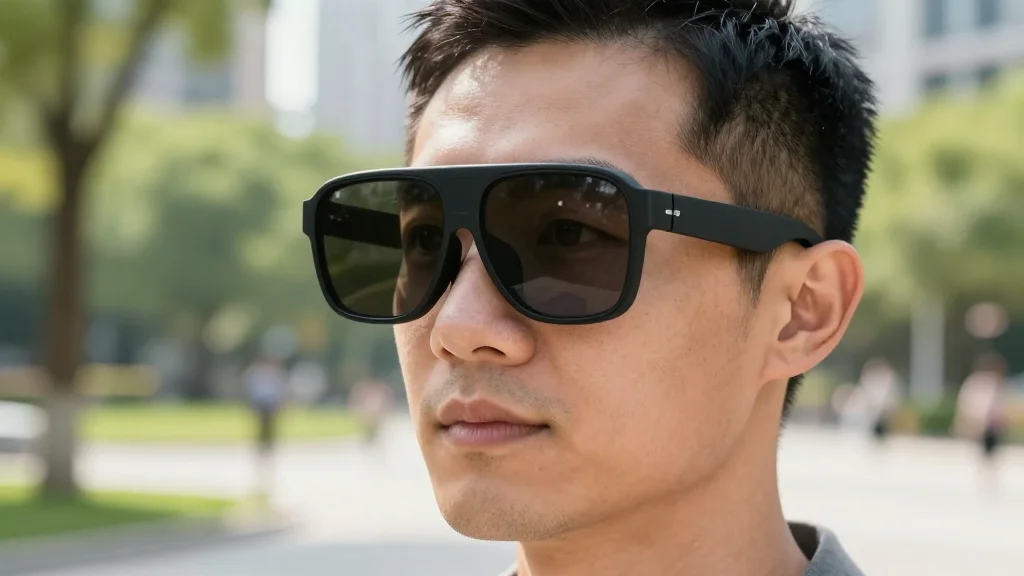
How Bright Is Bright Enough for AR in the Real World?
Brightness has become the pivotal performance metric for AR glasses as they transition from lab demos to everyday wear. While indoor environments only demand a few hundred to a thousand nits, outdoor daylight can exceed tens of thousands of lux,...
Athos Scraps Multi-Vendor Roadmap, Plans Chiplet Tape-Out
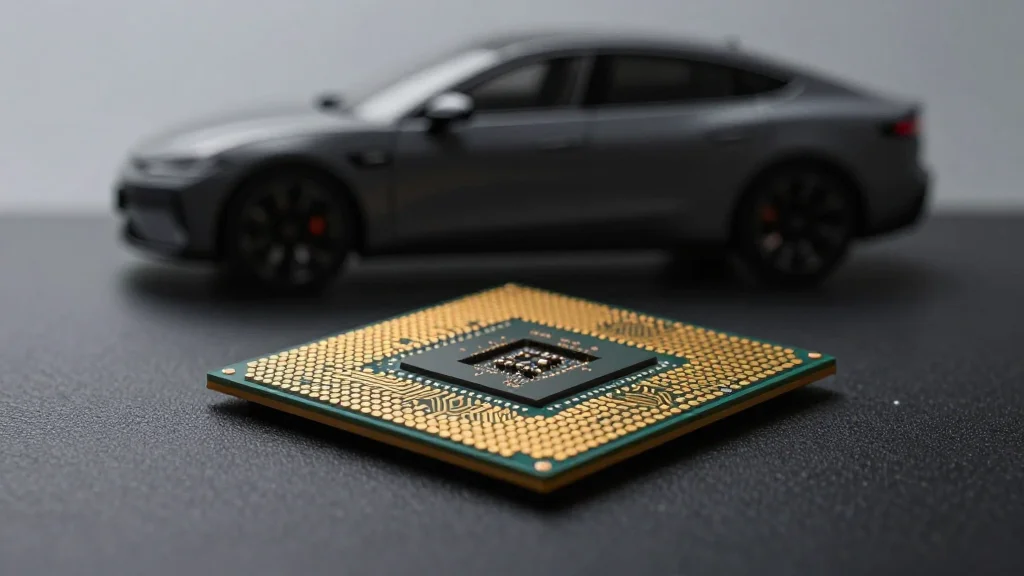
Athos Silicon, the functional‑safety chiplet startup spun out of Mercedes‑Benz, has abandoned its original multi‑vendor chiplet roadmap after Arm’s acquisition of DreamBig. The company will now tape‑out a single, purpose‑built chiplet that integrates third‑party CPU, GPU and NPU IP while...

Timestamp Drift and Sensor Synchronization: Small Timing Errors, Big Safety Consequences
As autonomous vehicles move from prototype to production, tiny timestamp drifts are emerging as a system‑level safety risk. Small misalignments in localization or sensor timestamps propagate through motion compensation, perception and planning, eventually distorting object positions and vehicle decisions. Conventional...
Pressure Sensors: Turning Environmental Signals Into Smart Actions
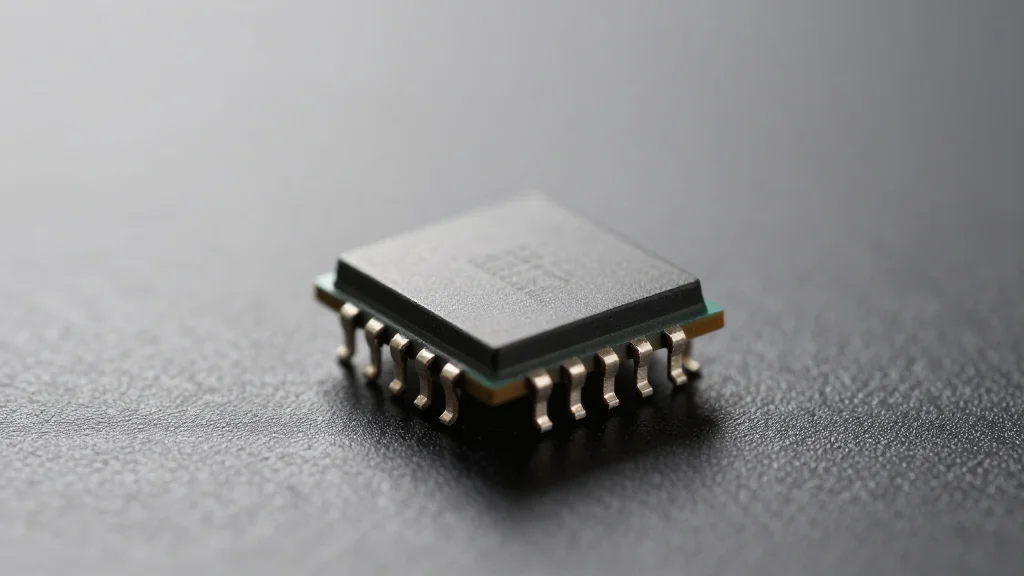
Infineon’s XENSIV DPS368 pressure sensor brings ultra‑low‑noise, capacitive barometric measurement to consumer and IoT devices. Its 2.0 × 2.5 × 1.1 mm³ form factor and sub‑µA standby current enable integration into space‑constrained wearables, HVAC units, and robotic vacuums while preserving battery life. The sensor’s gel‑protected MEMS...
AI in Design Verification: Where It Works and Where It Doesn’t
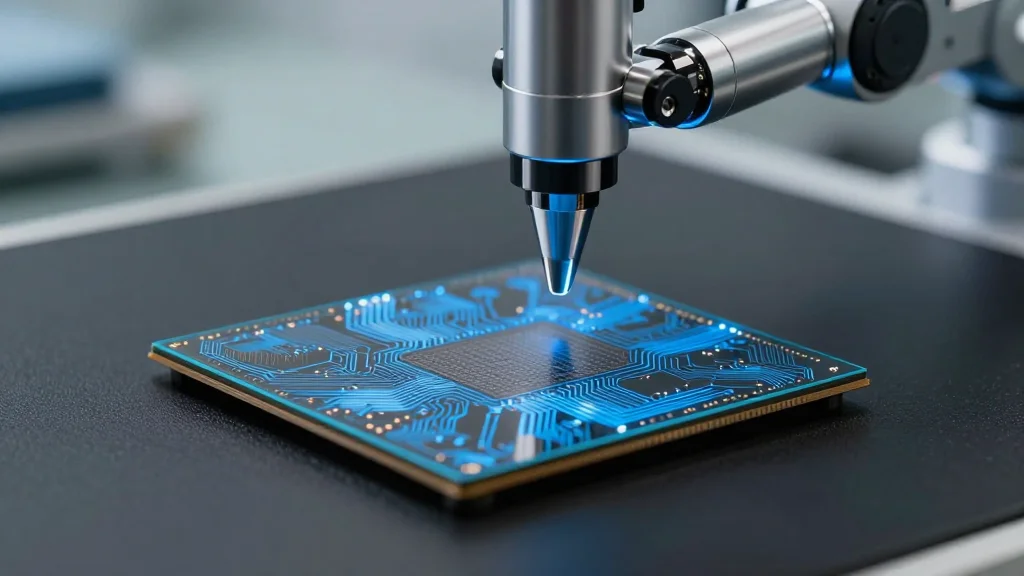
AI is moving from theory to practical assistance in IC design verification. It shows clear value in data‑rich, repetitive tasks such as coverage gap analysis, regression triage, and bug grouping, where it can cut manual effort and speed coverage closure....
Tenstorrent Unveils Next-Gen Servers for Fast Tokens, No Disaggregation Needed
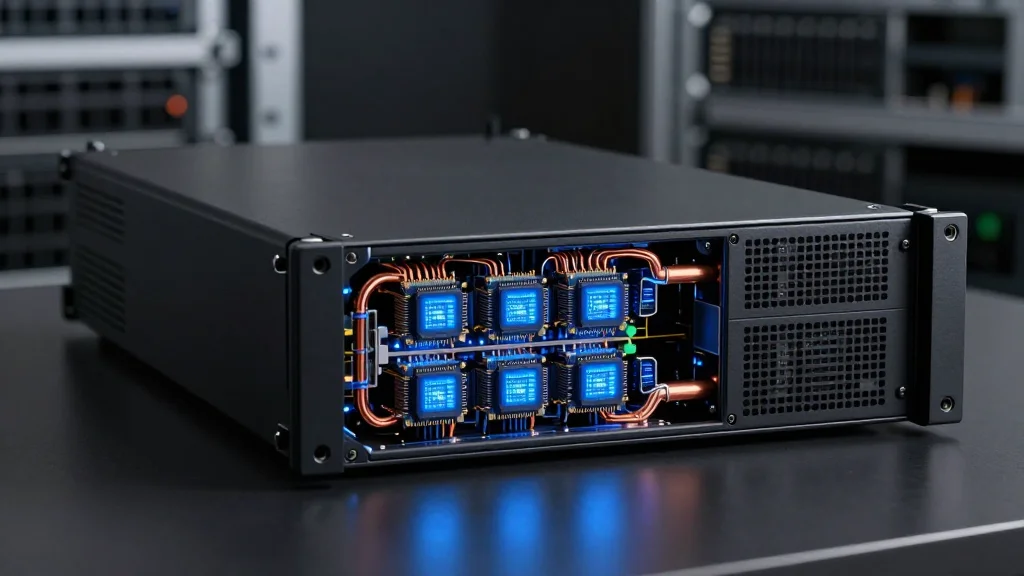
Tenstorrent introduced its Galaxy Blackhole AI server, a 6U rack housing 32 Blackhole chips that deliver 23 PFLOPS of FP8 performance and handle both pre‑fill and decode without disaggregation. The system can run in Regular or Blitz mode, with Blitz achieving...
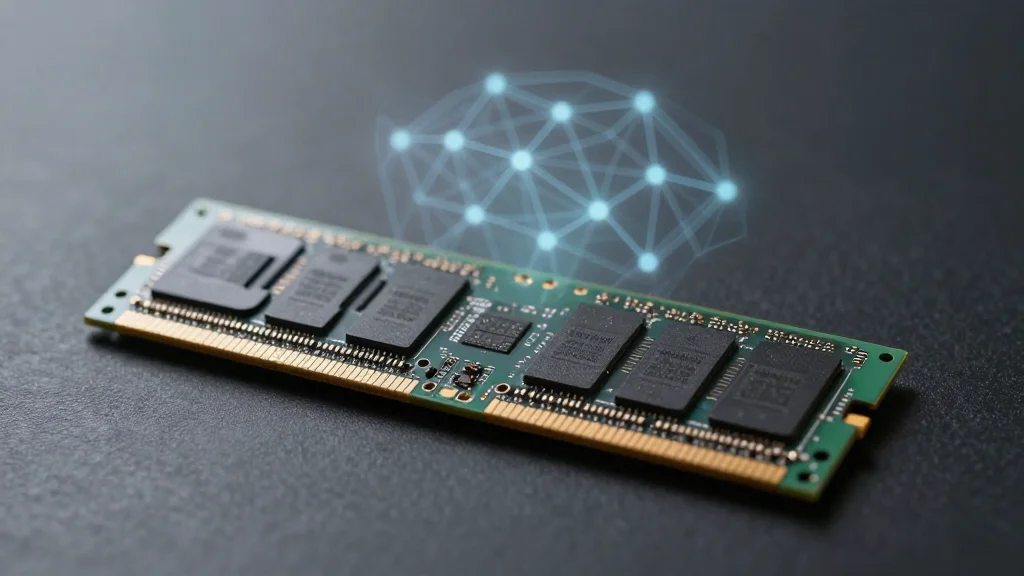
What the DRAM Crunch Teaches Us About System Design
Rising DRAM prices—now three to four times last year’s levels—and tightening supply are reshaping AI system design. High‑capacity memory for data‑center workloads faces long lead times, while 1‑2 GB modules remain relatively stable. Companies are turning to edge AI accelerators that...
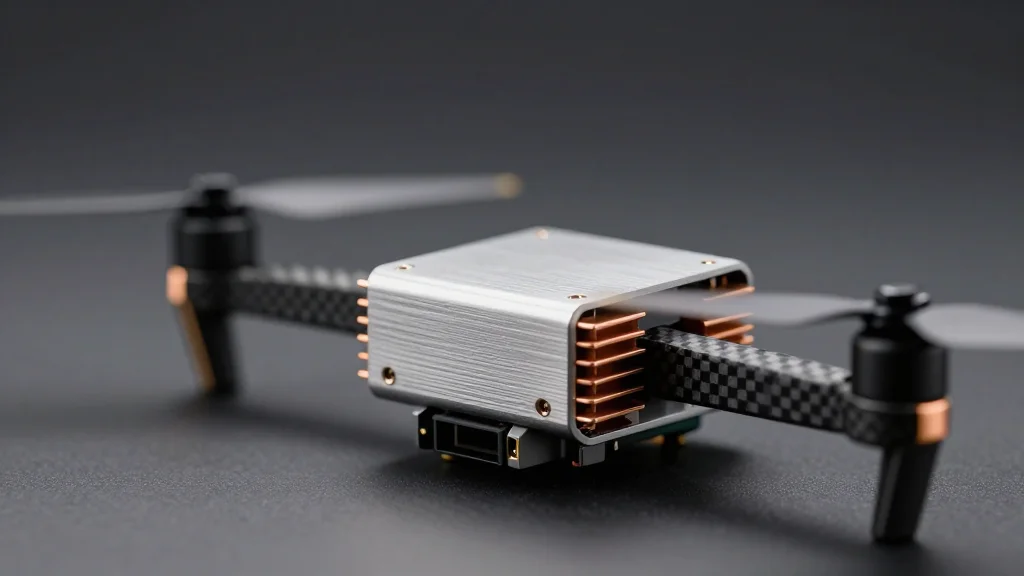
Power Modules for Drone Applications
Monolithic Power Supply (MPS) unveiled a new line of power modules tailored for drone platforms, targeting the industry’s toughest constraints—tight space, demanding thermal performance, and the high‑power needs of FPGA‑based processing. The modules integrate advanced thermal management and high‑efficiency conversion,...
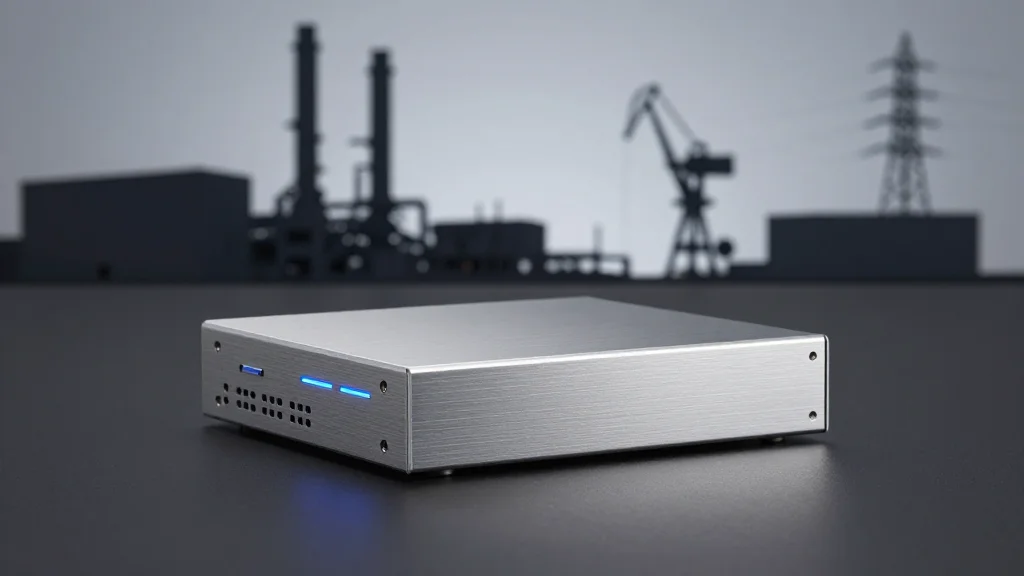
SUSE Launches Industrial Edge Platform Following Losant Acquisition
SUSE unveiled SUSE Industrial Edge, a cloud‑native, low‑code platform built on its Losant acquisition, targeting the industrial "tiny edge" market. The solution runs on SUSE Linux Micro and Kubernetes, supports 90‑95% of industrial protocols, and processes more than 1.2 billion workflow...
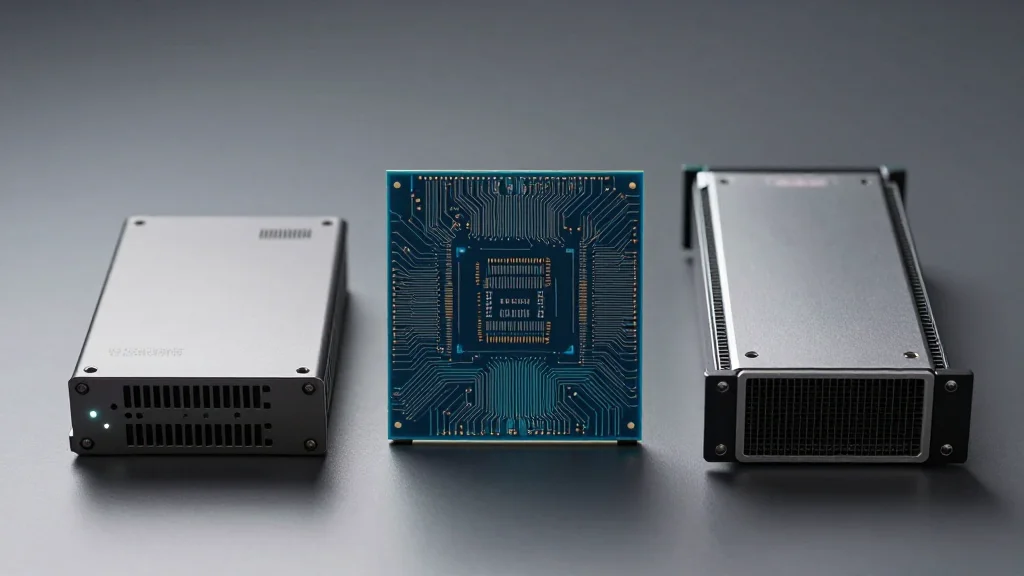
SUSE Extends Single-Kernel Linux Strategy From Edge to Data Center
SUSE announced that its single‑kernel Linux model now spans from tiny edge devices to massive data‑center servers, using the same kernel, libraries and tooling across all deployments. The approach supports up to 8,192 CPUs per system and is built on...

Pressure and Ultrasonic Flow Sensing for Smarter Fluid Systems
Analog Devices and Arrow Electronics hosted a webinar on May 27, 2026 highlighting two core components for modern fluid‑sensing systems: the MAX40109 pressure sensor and the MAX35103 ultrasonic flow meter. The session explained how the MAX40109’s integrated calibration and signal‑conditioning streamline board...
Intelligent Cost Optimization Is a Competitive Advantage
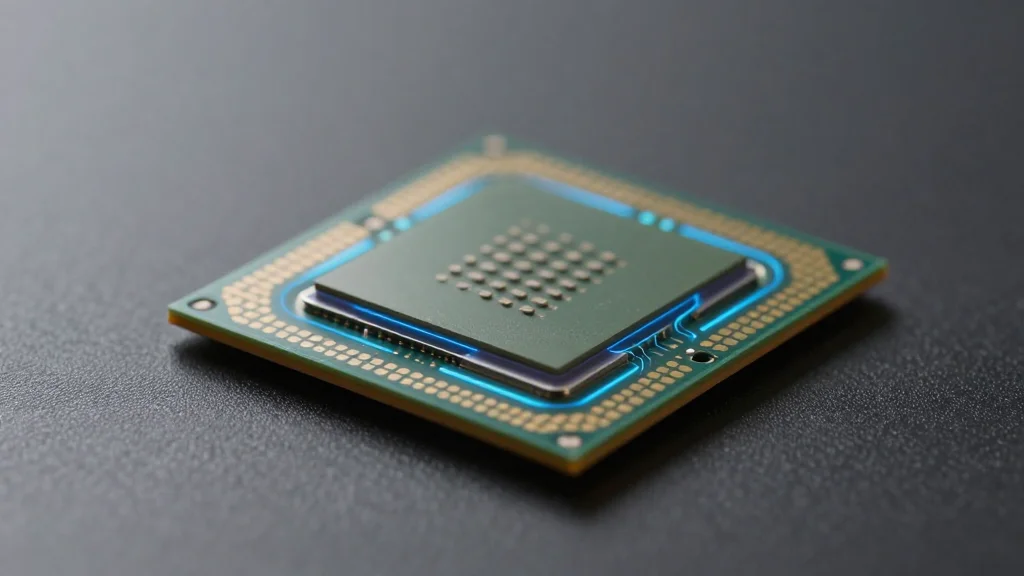
TechInsights argues that intelligent cost optimization, driven by teardown analysis, is a strategic differentiator rather than a simple expense‑cutting exercise. By physically disassembling competitor devices, firms gain verified bill‑of‑materials data, revealing where rivals achieve feature parity with lower‑cost components or...

What Hormuz Exposed About Our Semiconductor Supply Chain
The closure of the Strait of Hormuz in early March has halted Qatar’s Ras Laffan helium plant, sending spot helium prices soaring and exposing a critical dependency in the semiconductor supply chain. South Korea and Taiwan source roughly two‑thirds of their...
Why Chip Sovereignty Is No Longer About Chips—But Systems
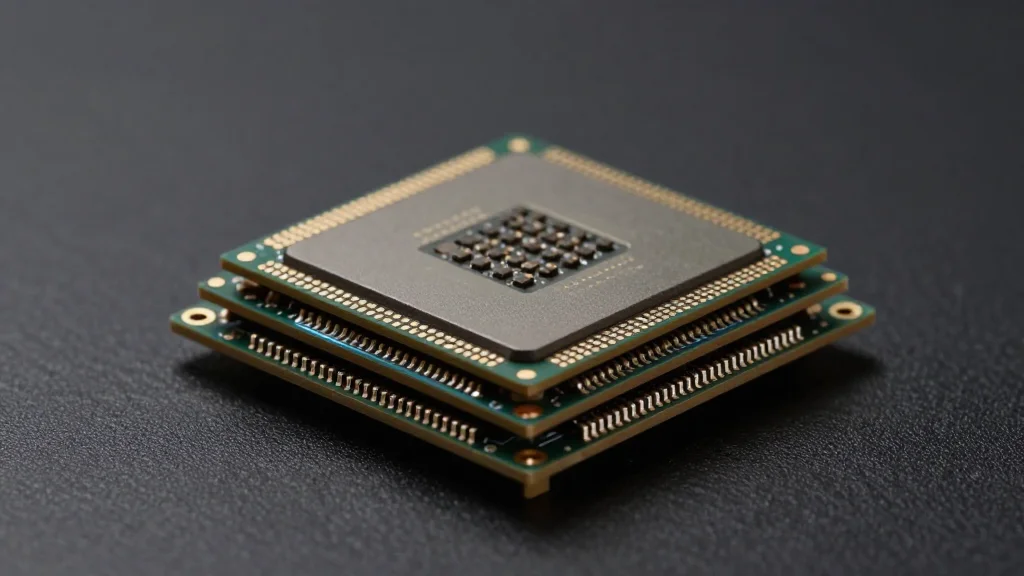
Governments are still spending tens of billions on semiconductor fabs, but AI is reshaping where value is created. Industry leaders say the competitive edge now lies in integrated systems that combine GPUs, CPUs, accelerators, memory, storage and software, not just...
Designing and Optimizing the Stability of Switch Mode Power Supplies
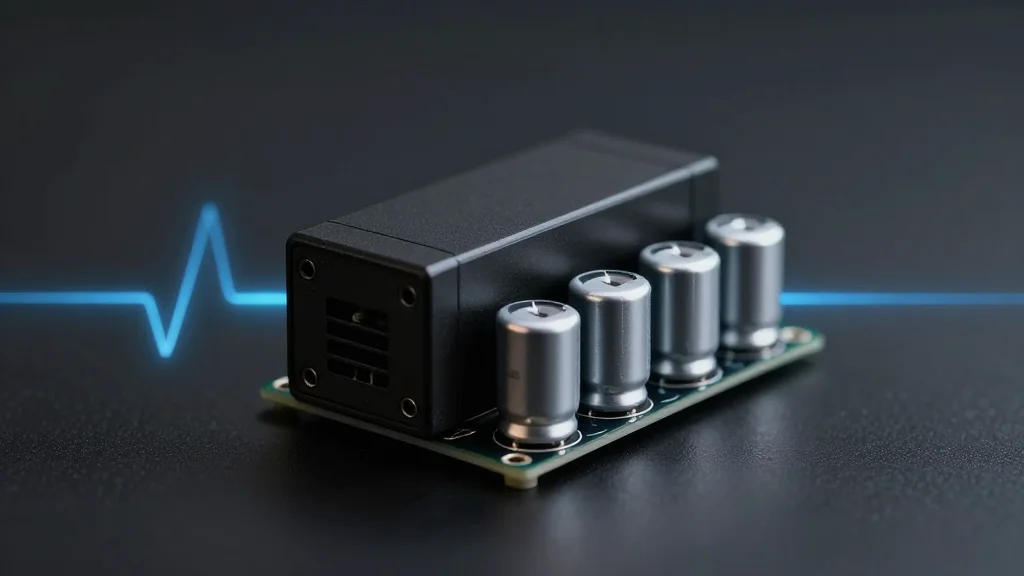
Analog Devices explains that the regulation loop of a switch‑mode power supply must be both stable and fast. Faster loop response allows the supply to correct line and load variations quickly, which in turn reduces the number of output capacitors...
Telecom Industry Bets on Automation to Tackle AI Squeeze
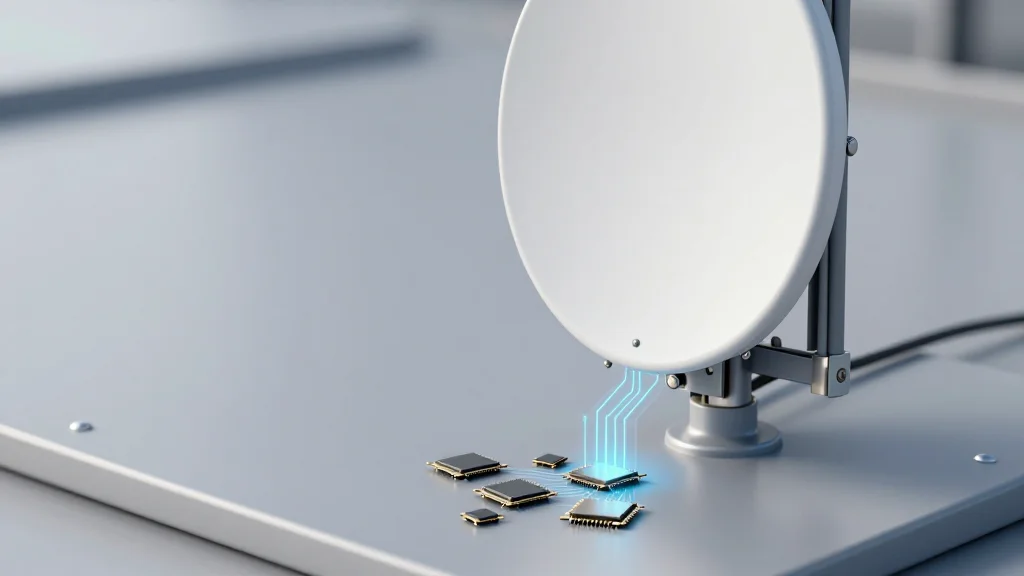
Telecom equipment makers and operators are feeling the squeeze of soaring AI‑driven chip prices while customer budgets tighten, prompting a projected 2% drop in global capex for 2026. Verizon’s spending is being trimmed to $16‑$16.5 billion and Ericsson’s first‑quarter net income...
Cyient Semiconductors’ Power Play: How Kinetic Technologies Fits the Puzzle
Cyient Semiconductors, India’s largest custom silicon provider, has bought a majority stake in California‑based Kinetic Technologies for $85 million, down from the $93 million initially announced. The deal adds over 100 patents and 250 power‑management ASSPs, potentially doubling Cyient’s addressable market to...
NewPower Worldwide Named a Partner of the Year at HPE 2026 Partner Summit
NewPower Worldwide was named HPE’s Spares Supply Chain Partner of the Year at the 2026 HPE Operations Partner Summit. The award recognizes the company’s ability to secure critical components, execute rapid fulfillment, and maintain reliability for HPE’s global customers. NewPower’s...
TSMC Unfolds Map for Process, Packaging Tech
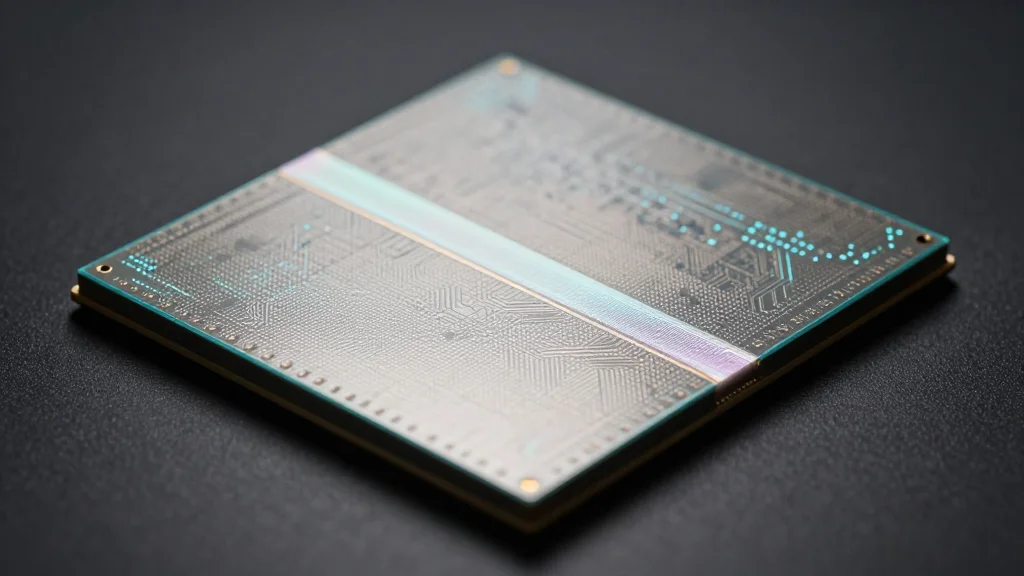
TSMC unveiled its next‑generation roadmap, announcing the 1.4‑nm A14 GAA process for AI data‑center chips in 2028, with A13 and A12 derivatives slated for 2029 that shrink die size by roughly 6%. The company also introduced N2U, a 2‑nm derivative...
Game, Set, Bot: Sony AI’s ‘Ace’ Serves Up a Defeat to Table Tennis Pros
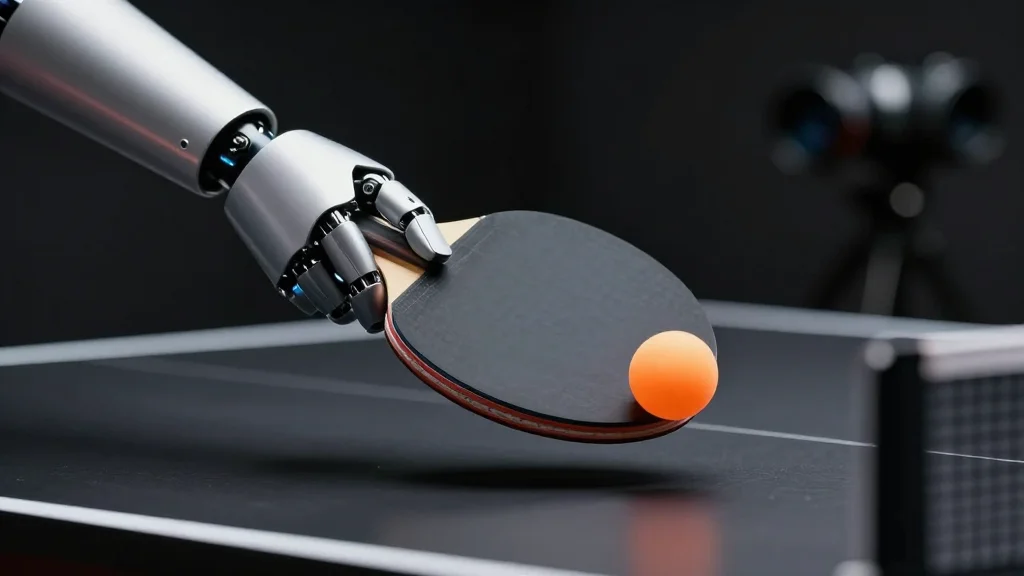
Sony AI’s autonomous robot “Ace” has demonstrated expert‑level table‑tennis play, beating three of five elite players and achieving a 75% return rate. The system combines nine high‑speed cameras, event‑based vision sensors, and an eight‑degree‑of‑freedom arm, all driven by deep reinforcement‑learning...
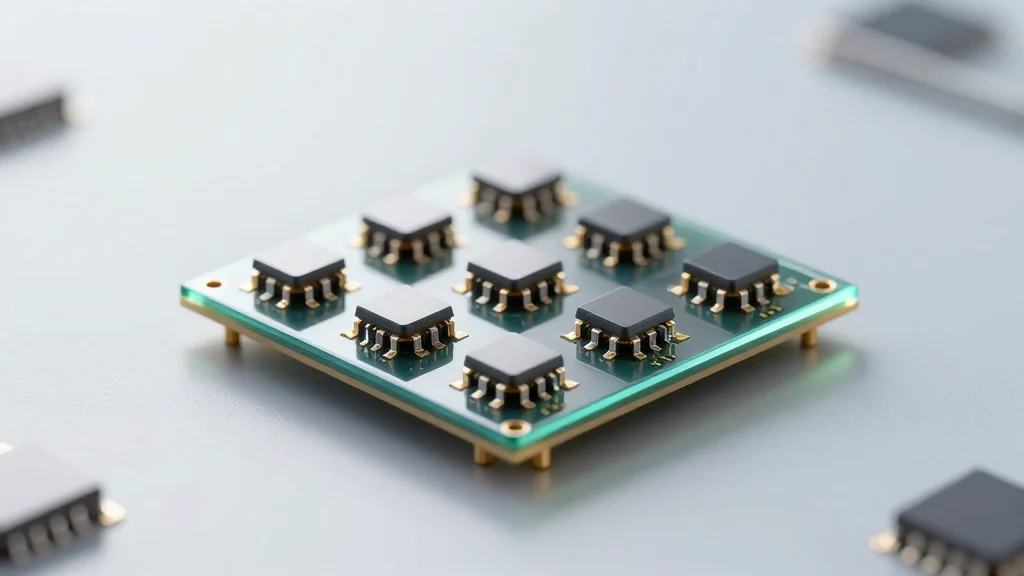
The Changing ASICs Landscape: The Shift Toward Chip Disaggregation
AI’s rapid growth is forcing ASIC designers to move away from monolithic dies toward modular, disaggregated architectures. By partitioning functions onto smaller, specialized dies and using advanced 2.5D, wafer‑to‑wafer and die‑to‑die packaging, companies can achieve better power, performance, and time‑to‑market...
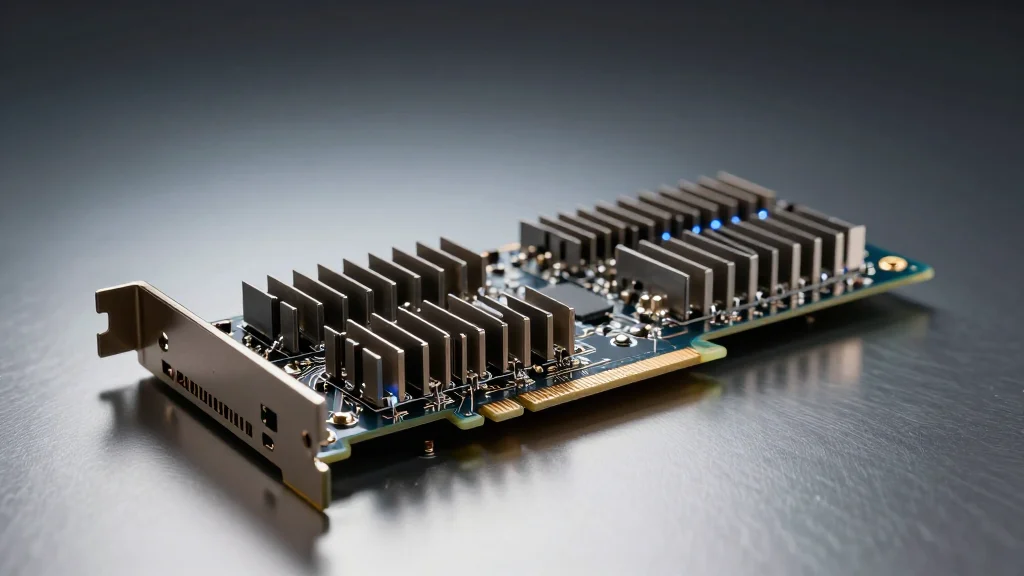
Positron AI Enters Nvidia Turf With Oracle Deal
Positron, a fledgling AI‑chip designer, announced its first commercial deployment by supplying inference chips to Oracle’s cloud platform. The deal involves tens of millions of dollars in air‑cooled rack systems optimized for mixture‑of‑experts (MOE) workloads. Positron’s upcoming Asimov chip, built...
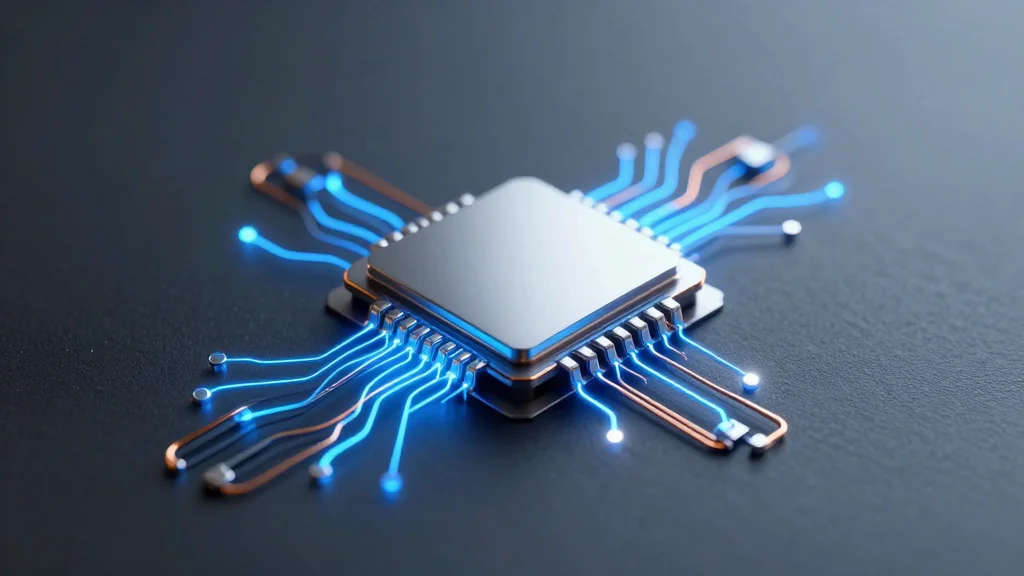
EDA AI Agents: Intelligent Automation in Semiconductor & PCB Design
Siemens has launched the Fuse™ EDA AI System and Fuse™ EDA AI Agent, a purpose‑built platform that merges generative and agentic AI across its entire semiconductor and PCB design suite. The solution tackles five core industry challenges—proprietary expertise, rigid on‑premise...
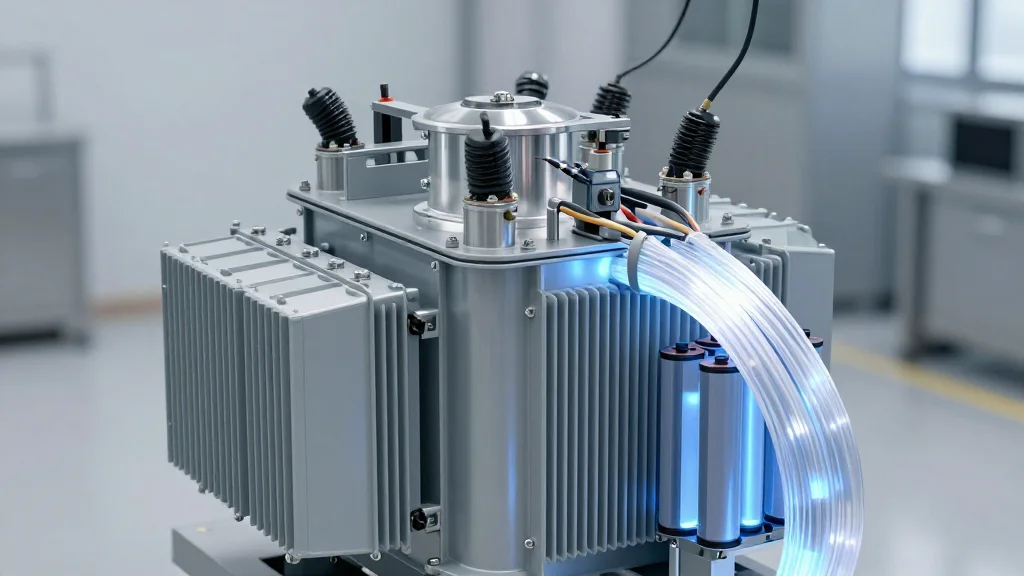
Why AI Is Redefining the Future of Commercial Power Infrastructure
AI-driven workloads are reshaping commercial power infrastructure, creating rapid, high‑density load fluctuations. Traditional designs built for steady loads now face transformer overloads, switchgear wear, and heat‑related failures. Companies are adopting modular, real‑time monitored, and battery‑integrated systems to add capacity flexibly...
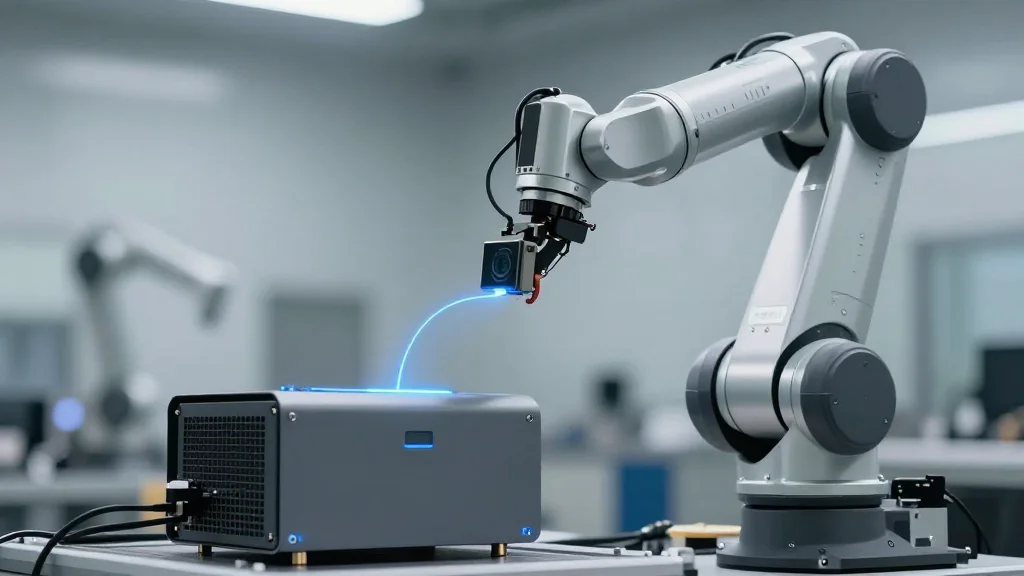
Accelerating Industrial Robotics with NVIDIA Jetson, EverFocus, and EyePick
Industrial robotics face a deployment gap, not an AI shortage, as most pilot projects stall before production. NVIDIA’s Jetson hardware, combined with EverFocus’s rugged EAC‑30N edge computer and EyePick’s Maestro OS, delivers a low‑latency, plug‑and‑play architecture that bridges vision models...
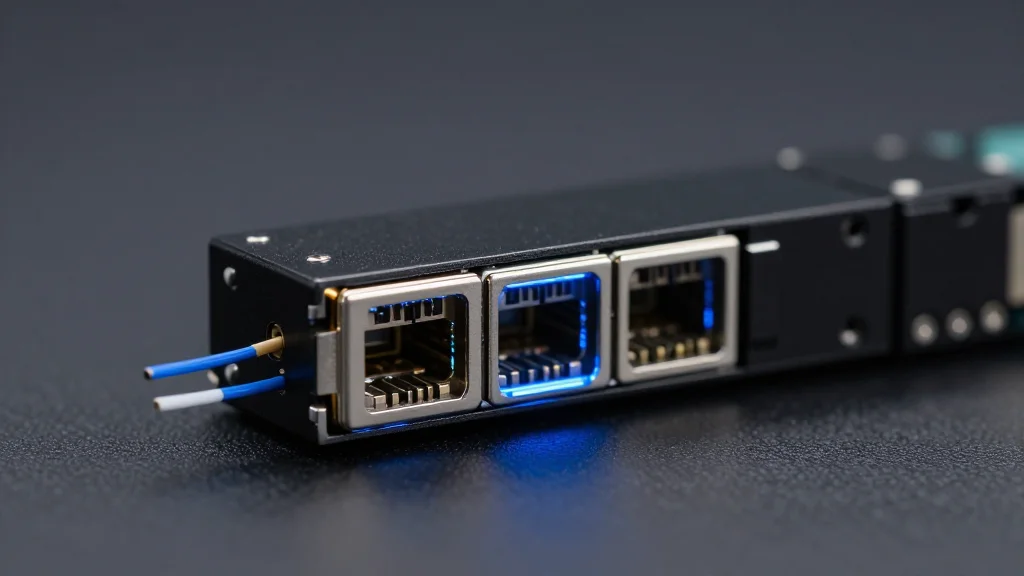
Why XPO Resonated at OFC 2026
At OFC 2026, eXtra‑dense pluggable optics (XPO) emerged as a leading solution for AI‑driven data centers, promising up to 200 Tbps per rack unit with integrated liquid cooling. Unlike co‑packaged or on‑board optics, XPO retains pluggable serviceability while delivering four‑fold front‑panel density...

First Take on CadenceLive and Its AI Agent Stacks for EDA
Cadence Design Systems used its CadenceLive 2026 conference to unveil a hierarchical AI agent stack for electronic design automation (EDA). The stack features a central orchestrator that directs domain‑specific "super agents" to accelerate chip and system design workflows. Cadence’s senior...
EU DARE Project Is Scrambling to Replace Codasip
The EU‑backed DARE project, funded with €240 million (about $260 million), is confronting a partner shake‑up after Munich‑based Codasip announced a strategic shift toward cyber‑resilient SoCs and the divestiture of its low‑end RISC‑V processor business to an undisclosed U.S. semiconductor firm. Codasip’s...
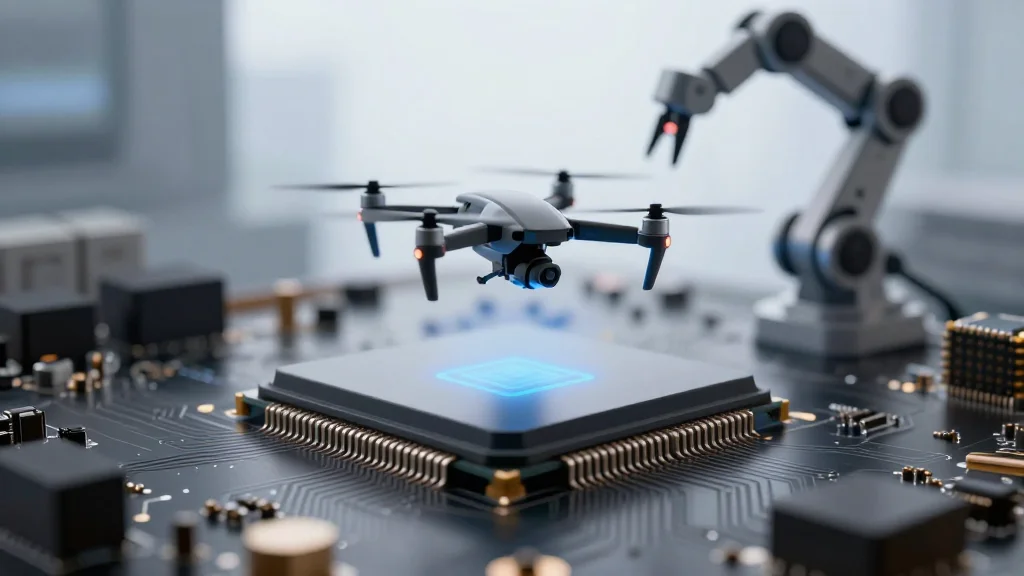
From Vision-Language Models to Physical AI: Embedded Intelligence Enters a New Phase
The latest Embedded Vision Summit highlighted a turning point for embedded AI, as developers move from research‑focused vision‑language models toward production‑ready, physically integrated intelligence. New edge processors now support transformer‑scale vision models with latency under 100 ms, enabling real‑time perception on...
Canada’s Defense Sector Talks Up Quantum
Canada’s newly released Defense Industrial Strategy (DIS) designates quantum sensing, communications and computing as sovereign capabilities, signaling a decisive policy shift. The strategy dovetails with the creation of the Canadian Joint Forces Command, which will accelerate quantum procurement and embed...