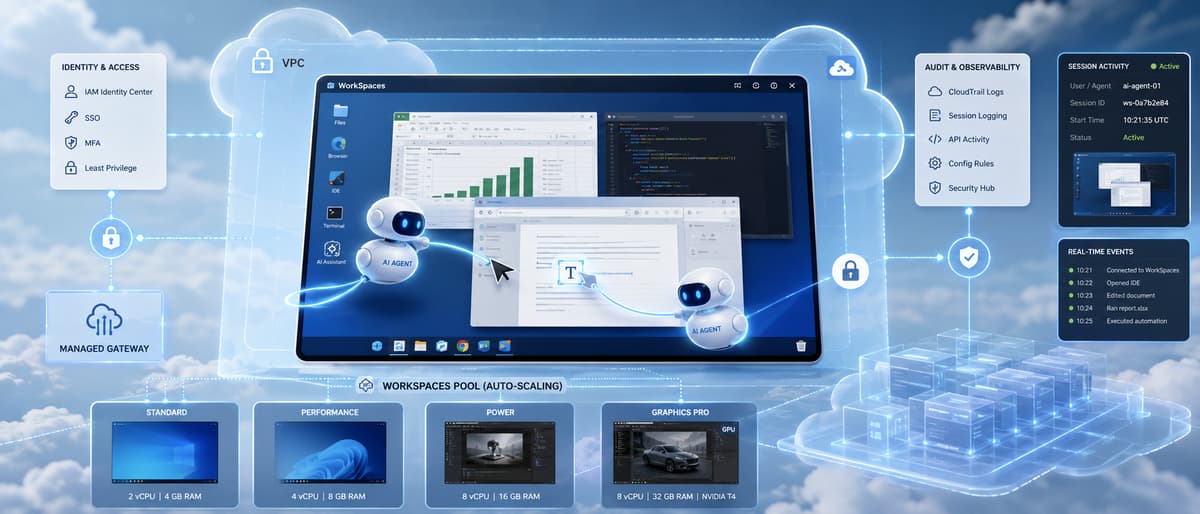
AWS Unveils AI Agent Integration for WorkSpaces Virtual Desktops
Amazon Web Services introduced a preview that embeds autonomous AI agents directly into its WorkSpaces virtual desktop service. The agents receive distinct IAM identities and connect through a managed Model Context Protocol, giving them mouse, keyboard and screen‑capture capabilities while preserving auditability. AWS highlights the scalability of spawning short‑lived cloud PCs for isolated tasks, positioning the desktop as the enforcement boundary for AI‑driven automation. Analysts note the approach pits GUI‑based agents against traditional API calls, with early benchmarks showing substantially higher token costs.

Dyna Software Adds AI Agents to Customize ServiceNow Applications
Dyna Software unveiled Platform Copilot, a suite of AI agents that automatically configure ServiceNow SaaS applications from natural‑language or image inputs. Integrated with ServiceNow’s development tools and large‑language models from OpenAI and Anthropic, the agents generate configurations, preview changes, and...
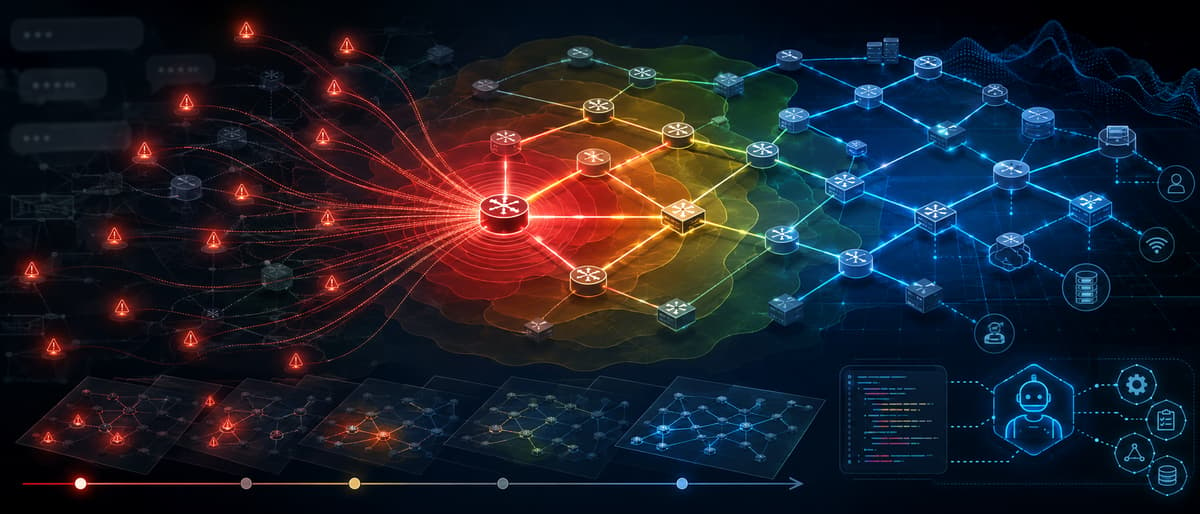
Moving Beyond LLMs with NetAI and Graph Neural Networks
NetAI is replacing large language models with graph neural networks (GNNs) to diagnose network failures. By modeling routers, edges, and protocol layers as a graph, the platform delivers deterministic root‑cause analysis instead of probabilistic guesses. It creates a digital twin...

Ending the Telecom Spreadsheet Era with Lightyear
Lightyear, a telecom‑focused AI platform, replaces manual spreadsheet‑driven billing with an operating‑system‑style solution. Using large language models, it extracts data from any invoice, maps charges to a live network inventory, and automatically flags overcharges, ghost circuits, and contract‑rate variances. The...
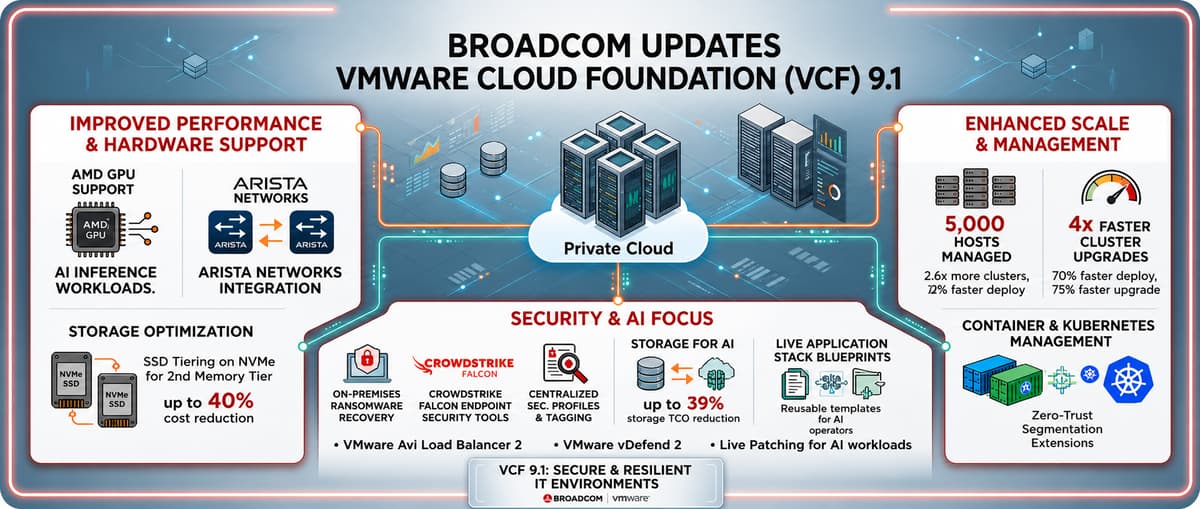
Broadcom Update to VCF Platform Promises to Reduce IT Costs
Broadcom released VMware Cloud Foundation (VCF) version 9.1, adding AMD GPU and Arista networking support while promising up to 40% lower SSD‑NVMe tiering costs and up to 39% lower AI storage total cost of ownership. The update expands host management...

How to Address 7 Common Endpoint Management Mistakes
Enterprises face mounting complexity as laptops, smartphones, and IoT sensors multiply, exposing gaps in endpoint management. The article outlines seven common mistakes—from delayed patching and fragmented tooling to weak access controls and insufficient monitoring—and offers practical remediation steps. Implementing automated...

Loki Pairs With Kafka and Smarter Storage to Help Calm Cost and Scaling Challenges
Grafana Labs announced a major upgrade to its open‑source Loki logging system, adding Kafka as the orchestration layer for distributed deployments. The new release introduces a columnar storage format and Bloom‑filter indexing, delivering up to 20‑fold data reduction and 10‑times...

TSMC to Invest $56B in Fabs This Year, and It’s Still Not Enough
Taiwan Semiconductor Manufacturing Company (TSMC) announced a 2024 capital‑expenditure plan of $52‑$56 billion, underscoring a record‑breaking first‑quarter profit surge of 58% and 41% revenue growth. The company’s revenue mix has flipped, with high‑performance computing now contributing 61% versus 26% from smartphones....

EU Expands Big Tech Crackdown to Cloud and AI Markets
The European Commission announced plans to broaden the Digital Markets Act beyond consumer platforms, targeting cloud computing and artificial‑intelligence services. Regulators will assess whether major cloud providers and AI offerings such as virtual assistants should be classified as gatekeepers under...

Intel Reports Better-Than-Expected Results Due to Strong AI Demand
Intel posted a strong Q1 2026, with revenue climbing 7% to $13.6 billion, topping analysts’ expectations by over $1 billion. Non‑GAAP earnings per share surged to $0.29, far exceeding the $0.01 consensus. Growth was driven by robust demand for the new Series 3...

China’s Minerals Leverage Raises Quantum Security Concerns
A new study by Stanford, Los Alamos and CIGI warns that China's expanding control over critical minerals could jeopardize the supply chains essential for quantum computers and communications. The research highlights U.S. reliance on imported niobium and nickel‑iron alloys, where...

AWS Offers Free Skills Testing as AI Adoption Outpaces IT Training
Amazon Web Services has eliminated the subscription fee for its cloud microcredentials, making them freely available to anyone seeking to prove hands‑on expertise. Unlike traditional certifications that rely on multiple‑choice exams, these assessments place candidates in simulated business scenarios where...

5 IT Funding Deals to Watch
The week’s biggest IT funding rounds underscore a shift toward AI‑centric infrastructure. VAST Data secured a $1 billion Series F, valuing it at $30 billion and highlighting the premium placed on data‑storage platforms that feed GPU pipelines. Smaller but strategic deals included Wasabi’s...

Is Starlink Turning Elon Musk Into a Star Lord?
Elon Musk’s Starlink suffered a global outage that left two dozen U.S. Navy unmanned surface vessels adrift, exposing a single point of failure in the military’s reliance on SpaceX’s MILNET satellite network. MILNET, a 480‑satellite subset of the 10,000‑satellite Starlink...
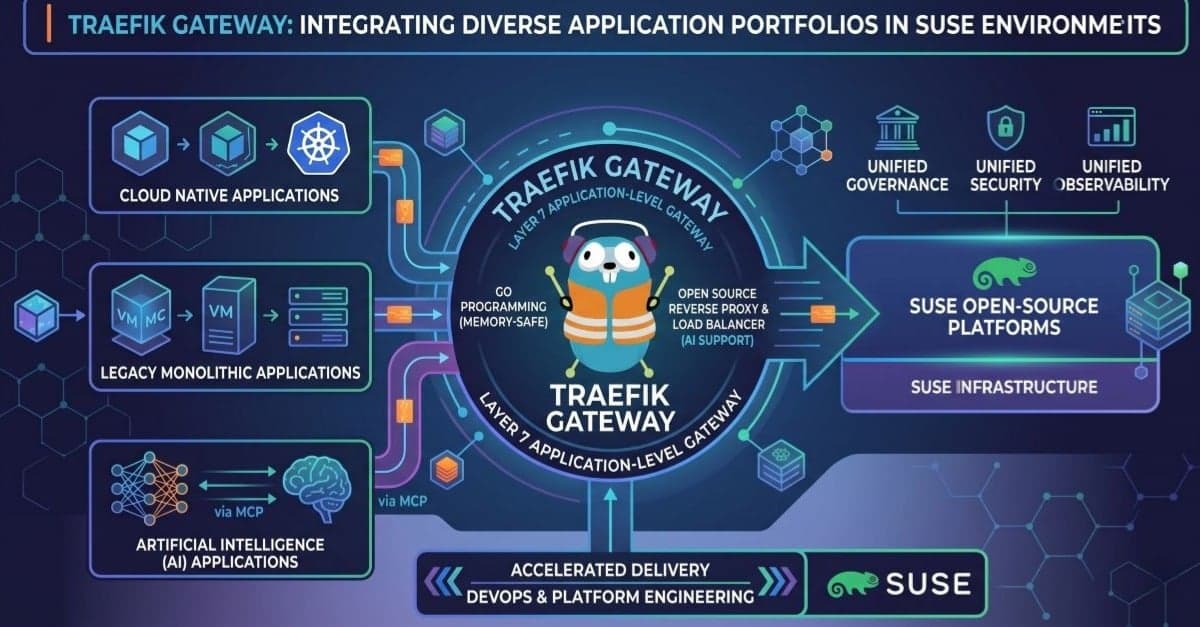
Traefik Labs Brings Application-Level Gateway to SUSE Platforms
Traefik Labs announced that its open‑source, Go‑based application‑level gateway is now integrated into SUSE’s open‑source platforms, simplifying Layer 7 connectivity for IT teams. The gateway can route cloud‑native containers, legacy virtual‑machine workloads, and AI services via an embedded Model Context Protocol...

Google’s New TPUs and Agent Platform Offer Expanded AI Solutions
At Google Cloud Next, Google unveiled a new generation of Tensor Processing Units (TPUs) split between training‑focused and inference‑optimized chips, promising lower latency and better performance per watt. It also launched the Gemini Enterprise Agent Platform, which adds orchestration, security...

NetApp-Google Cloud Partnership Supports Unified Storage and Sovereign Cloud
NetApp has expanded its partnership with Google Cloud by launching Flex Unified, a managed service that merges file and block storage across all Google Cloud regions. The offering lets enterprises run AI, high‑performance computing and VMware workloads without moving or...
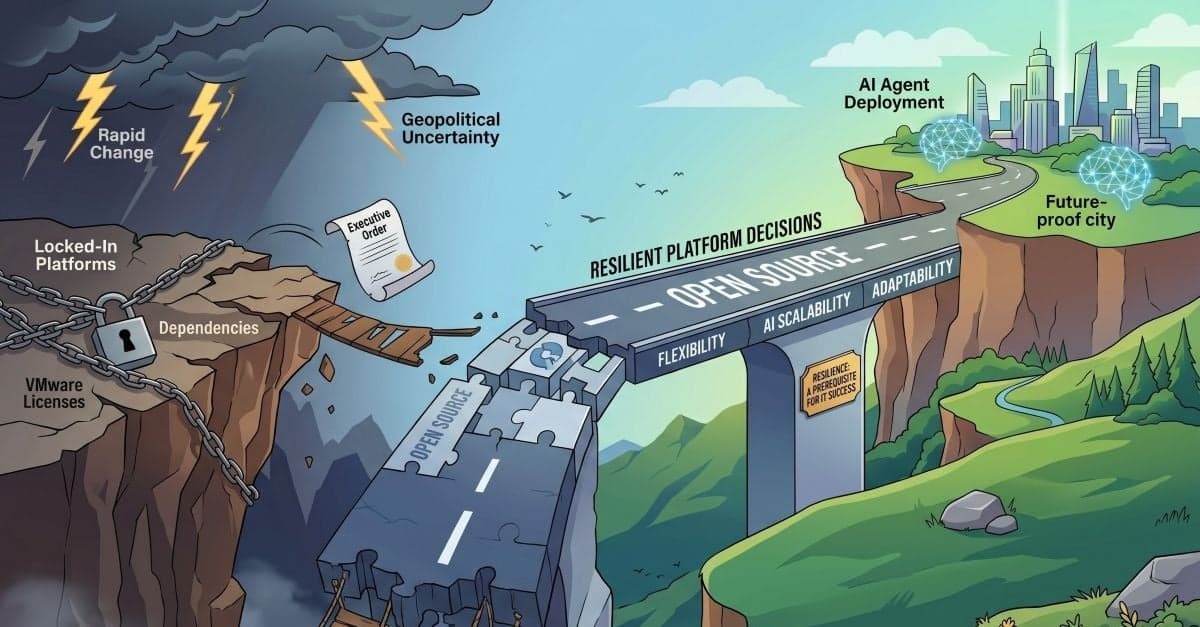
SUSE CTO: IT Teams Need to Become More Resilient in the Face of Rapid Change
At SUSECON 2026, CTO Dr. Thomas Di Giacomo warned that IT teams must prioritize resilient platform choices as rapid licensing shifts, geopolitical uncertainty, and AI adoption accelerate. He urged leaders to move toward open‑source stacks to avoid vendor lock‑in and to design...
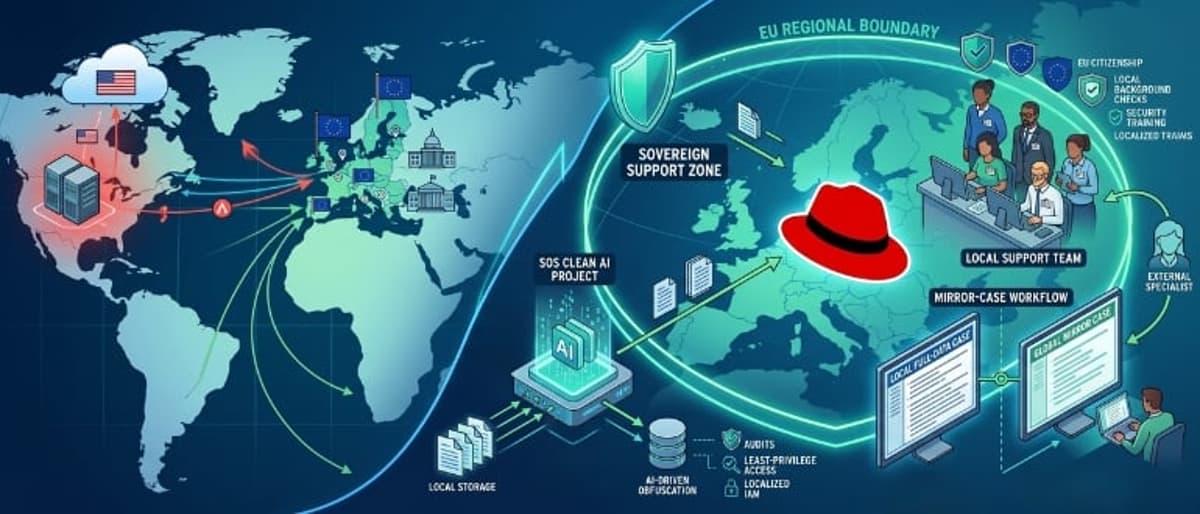
Red Hat Digital Sovereignty Take: Red Hat Confirmed Sovereign Support
Red Hat announced the general availability of Red Hat Confirmed Sovereign Support (RHCSS), a premium support service designed to keep all diagnostics, logs and communications within a customer’s chosen jurisdiction, initially the European Union. The offering builds on Red Hat’s...
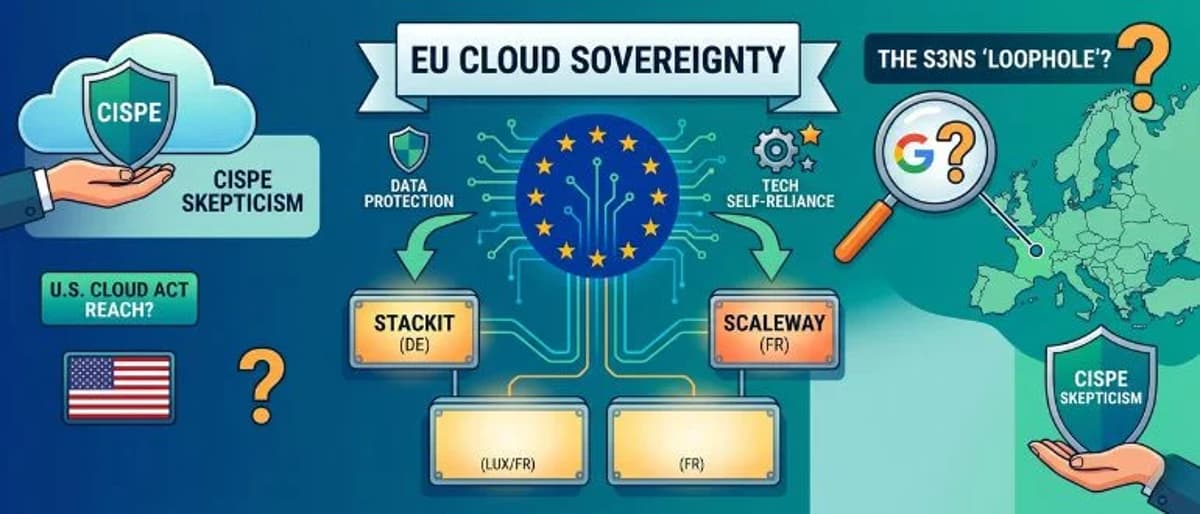
European Commission Awards New Sovereign Cloud Contracts To ‘Mostly’ EU Clouds
The European Commission has signed four sovereign‑cloud contracts worth about €180 million ($210 million) over six years, aiming to keep public‑sector data inside the EU and curb reliance on non‑European hyperscalers. The deals target German provider STACKIT, French provider Scaleway, a Franco‑Luxembourg...
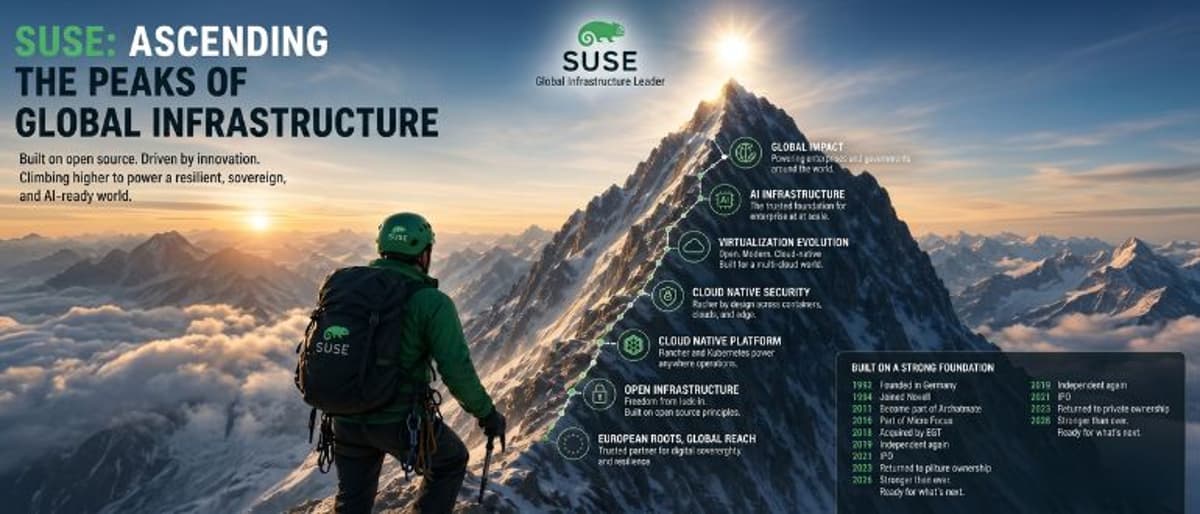
SUSE Ascendant
SUSE, the long‑standing open‑source Linux vendor, is emerging at the nexus of digital sovereignty, cloud‑native adoption, virtualization disruption and AI‑driven infrastructure. The company’s 2020 acquisition of Rancher and later NeuVector gave it a Kubernetes‑centric platform and built‑in container security, positioning...
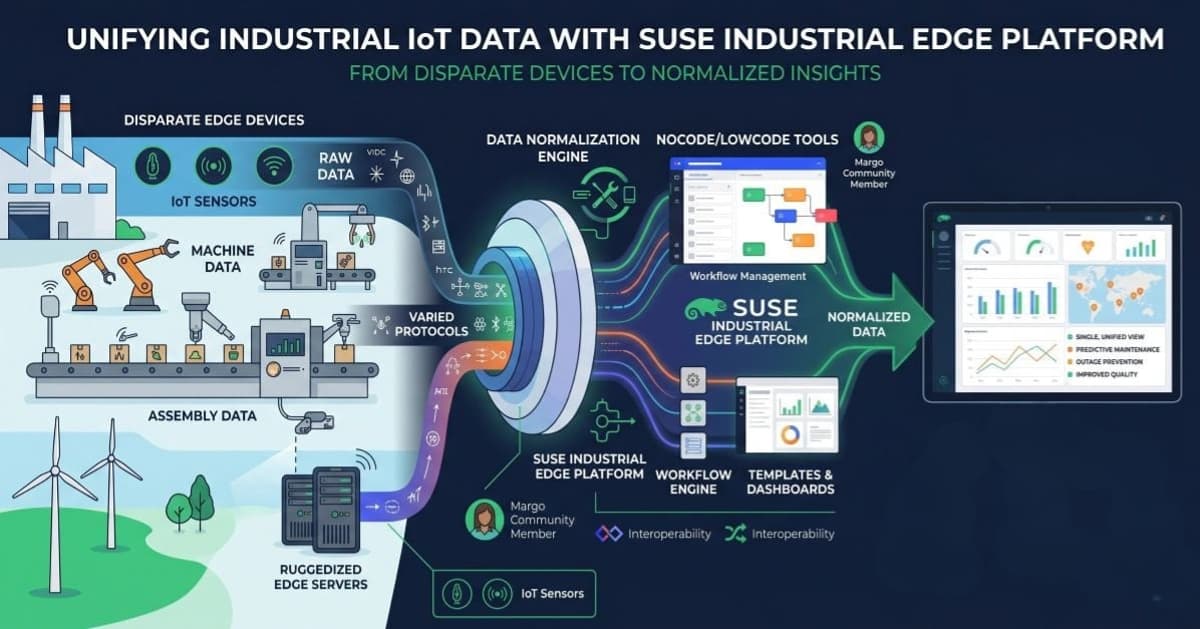
SUSE Launches Industrial IoT Platform Based on Losant Acquisition
SUSE announced the launch of its Industrial Edge platform, built on the Losant acquisition, to provide protocol‑agnostic data collection for edge devices. The solution includes no‑code/low‑code workflow tools, dashboards and templates, simplifying implementation. SUSE also committed to open‑sourcing Losant’s core...

Netris Knows There’s More to AI Networking than Hardware
Netris introduces its NAAM platform to treat AI‑center networking as a cloud‑like resource, automating switch lifecycle and multi‑tenant fabric management. By leveraging digital twins, operators can simulate entire GPU‑cluster topologies before any cable is plugged in, catching mis‑wirings early. Zero‑touch...

The Hidden Complexity of Multi-Cloud Data Architecture (And How to Master It)
A Fortune‑500 enterprise migrated 440 products to a multi‑cloud environment spanning AWS, Azure and GCP, ending up with 57 Snowflake accounts and soaring egress costs. The team discovered that compute, not storage, accounted for over 80% of spend and that...
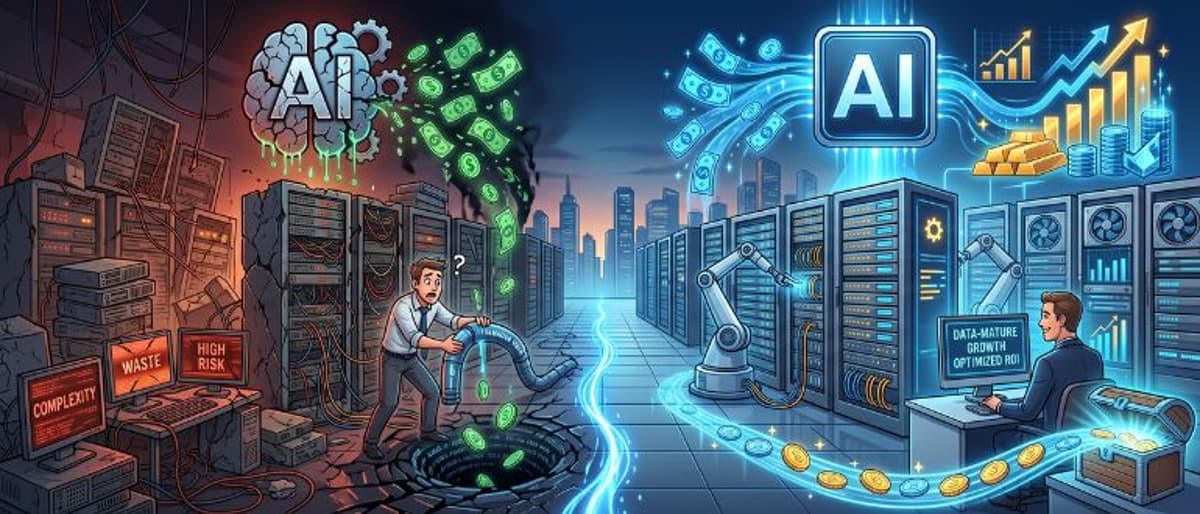
Survey: Poor Data Infrastructure Creates Waste in AI Spending
A Hitachi Vantara survey of 1,200 executives reveals that legacy data environments are hampering AI returns, with 84% of North American firms describing their data stacks as overly complex. AI budgets are set to surge 76% over the next two...

5 IT Funding Deals to Watch
This week’s funding roundup highlights a shift toward AI‑era infrastructure layers beyond traditional data‑center expansion. Investors are targeting networking, developer tooling, and operational reliability as core components that reduce friction in AI workload deployment. Five deals illustrate capital flowing into...

OpenSearch, Hybrid Vectors, and AI
Mike Vizard and Bianca Lewis of the OpenSearch Foundation explain that hybrid search—combining traditional keyword retrieval with vector‑based semantic matching—is becoming essential for grounding generative AI. Pure vector databases capture intent but miss exact matches, while keyword search offers precision...

Grokstream Expands Scope and Reach of AIOps Platform
Grokstream has upgraded its Grok AIOps platform with a Proactive Problem Identification engine that uses predictive and causal AI to cluster recurring anomalies, pinpoint root causes and recommend automation. The release also introduces GrokGuru, a generative AI assistant that captures...

NVIDIA Debuts AI Models for Quantum Computing
NVIDIA unveiled the Ising family of open AI models designed to tackle quantum computing’s toughest hurdles—error correction and system calibration. The models use neural‑network decoding for real‑time error correction and a vision‑language framework to slash calibration times from days to...

These Are Not the Containers You Are Looking For — Or Are They?
A new wave of startups is packaging next‑generation nuclear microreactors inside standard shipping containers, delivering roughly one megawatt of electricity per unit. These factory‑built reactors promise rapid deployment, on‑site operation for years without refueling, and advanced safety systems that rely...

Pinecone Adds Dedicated Vector Database Node Option to Managed Service
Pinecone announced that its Dedicated Read Nodes (DRN) option is now generally available in its managed vector database service. DRN lets IT teams assign workloads to a single, dedicated node, eliminating multi‑tenant sharing and delivering more predictable performance. The isolation...

One Small Step, 4KB of RAM
NASA has released the original Apollo 11 guidance software for the Command and Lunar Modules into the public domain, making the historic code accessible to anyone. The software, known as Comanche and Luminary, runs on the Apollo Guidance Computer, which...

Cloudflare’s EmDash Tackles WordPress Plug-In Security Crisis
Cloudflare has launched EmDash, a serverless CMS positioned as a "spiritual successor" to WordPress. Built on Cloudflare Workers, Astro, and V8 isolates, EmDash promises scalable edge delivery and sandboxed plug‑ins that mitigate the plugin‑driven security flaws plaguing WordPress. The platform...

OpenText Extends Sovereign Cloud Reach via AWS and S3NS Alliances
OpenText announced separate alliances with Amazon Web Services and French provider S3NS to deliver sovereign cloud services across Europe. The AWS partnership will host OpenText Content Management, Documentum, Core Application Security and Service Management on the AWS European Sovereign Cloud....

5 IT Funding Deals to Watch: April 6 – 10, 2026
Nvidia deployed $2 billion into Marvell and took a seat on SiFive’s cap table, cementing its strategy to own every layer of the AI hardware stack. SiFive closed a $400 million Series G, valuing the RISC‑V chip designer at $3.65 billion and accelerating data‑center...

Nine Out of Ten Isn’t Good Enough
Google’s AI Overviews, which surface at the top of search results, were found by a New York Times analysis to be 85‑91% accurate on a common AI benchmark. With more than five trillion searches processed annually, a 10% error rate translates into thousands...

Vibe Coding Is the New Shadow IT
Generative AI has turned shadow IT into "vibe coding," where employees create applications using natural‑language prompts. While the approach accelerates prototyping and lets non‑developers build tools, the resulting code often lacks testing, security reviews, and documentation. Enterprises face rogue apps...

The Case for Infrastructure Sovereignty
Enterprises are increasingly pulling workloads from public clouds back to on‑premise bare‑metal servers to slash operating costs and regain performance control. High‑profile adopters such as GEICO and 37signals report multi‑million‑dollar savings, while market analysts forecast the bare‑metal segment will grow...

Ten Great IT Job Opportunities
Techstrong.it launched a weekly jobs report highlighting ten high‑pay IT positions across LinkedIn, Indeed, and Dice. The roles, located in Virginia, Texas, Colorado, California, Maryland, New Jersey, Massachusetts and other hubs, offer salaries from roughly $75,000 to $265,600. Companies such...

Wearables Are Getting Messy. That Is Exactly What Should Be Happening
The wearable tech sector is entering a turbulent phase as lawsuits and patent disputes surge, highlighted by Whoop’s suit against Bevel and Meta’s alleged EMG‑input infringements. Companies are converging on similar biometric data streams, leading to overlapping designs and “trade‑dress”...

From Pilot to Production: Why CIOs Need Better Failure, Not Less of It
The article argues that CIOs should not chase fewer failures but aim for failures that generate real learning. It distinguishes between "fail fast" in testing and "design for failure" in production, emphasizing that both are essential for resilient systems. Organizational...

Who Really Wins From the Flash Price Surge?
Flash storage prices have surged, initially boosting vendor margins as they sold legacy NAND inventory at higher rates. However, that windfall is fading because new NAND fab capacity takes 18‑24 months and billions of dollars to build, keeping supply tight....

If Your Cloud Won’t Let You Leave, It’s Not the Cloud for You
Many enterprises adopt a single public‑cloud provider for speed, only to discover later that exiting is costly and complex. The article highlights classic red flags—vendor lock‑in, single‑region dependence, opaque pricing, and limited portability—that erode flexibility. It argues that a healthy...

The Hundred-Year Cycle of Outsourced Computing
The article argues that today’s cloud is not a novel invention but the latest incarnation of a century‑old outsourcing model that began with IBM’s 1930s service bureaus. Each wave—from 1960s computer utilities to 1990s application service providers—centralized computing, then faced...
Taking the Private Cloud Modernization Journey with VMware by Broadcom
Broadcom’s acquisition of VMware is driving a major overhaul of the company’s private‑cloud strategy. At Cloud Field Day 25, VMware showcased a shift from fragmented, VM‑centric virtualization to a unified, automated platform built on VMware Cloud Foundation (VCF). The new...

Bridging Worlds with Hammerspace and the Reality of Multi-Cloud Mobility
Hammerspace unveiled a Unified Global Namespace that abstracts storage across on‑prem, AWS, Azure and OCI, letting data appear locally wherever compute runs. Its policy‑driven Objective‑Based Data Orchestration moves only the required blocks, eliminating heavyweight migrations for AI and GPU‑intensive workloads....

SAP Migration Advances Even as Complexity, Cost Weigh on Enterprises
Enterprise migration to SAP S/4HANA is progressing, but companies are proceeding cautiously due to cost pressures, skill shortages, and operational risk. The ISG 2026 SAP Migration Report, based on 200 senior executives, finds many firms treating the move as a...

The Memory “Crisis” Is an Opportunity for a Smarter Unstructured Data Strategy
Enterprise memory shortages, spurred by soaring AI workloads, are turning DRAM and NAND supply growth into a structural constraint through 2026. IDC forecasts supply growth of only 16‑17% year‑over‑year, tightening capacity for PCs, smartphones and data‑center infrastructure. The scarcity exposes...

SAP Moves to Refresh Business Model Around AI Workflow
SAP is overhauling its business model, product architecture, and leadership to place AI at the core of its enterprise software offering. CEO Christian Klein now directly oversees AI strategy and has introduced a hybrid pricing model that adds consumption‑based AI...

VCluster Labs Adds Control Plane for Provisioning GPU Servers
vCluster Labs unveiled vMetal, a bare‑metal management layer announced at NVIDIA GTC 2026, that lets IT teams automatically discover, provision, assign, upgrade and repurpose GPU‑equipped servers through a centralized control plane. The platform can attach physical machines to Kubernetes clusters...