
Annual Conference 2026, Day 4: The Healthcare Policy Outlook Is Sluggish Heading Into the Midterms
At the HFMA Annual Conference, panelists warned that a divided Congress leaves the healthcare policy outlook sluggish as the 2026 midterms approach. Ongoing Medicaid and OBBBA cutbacks, the expiration of enhanced ACA subsidies, and an under‑funded $50 billion Rural Health Transformation program are prompting providers to tighten operations and manage rising bad‑debt risk. Legal battles over medical‑debt reporting have created a patchwork of state rules, while CMS’s new ACCESS model aims to shift reimbursement toward outcomes. Analysts expect little legislative movement, meaning providers must adapt to a stagnant policy environment.
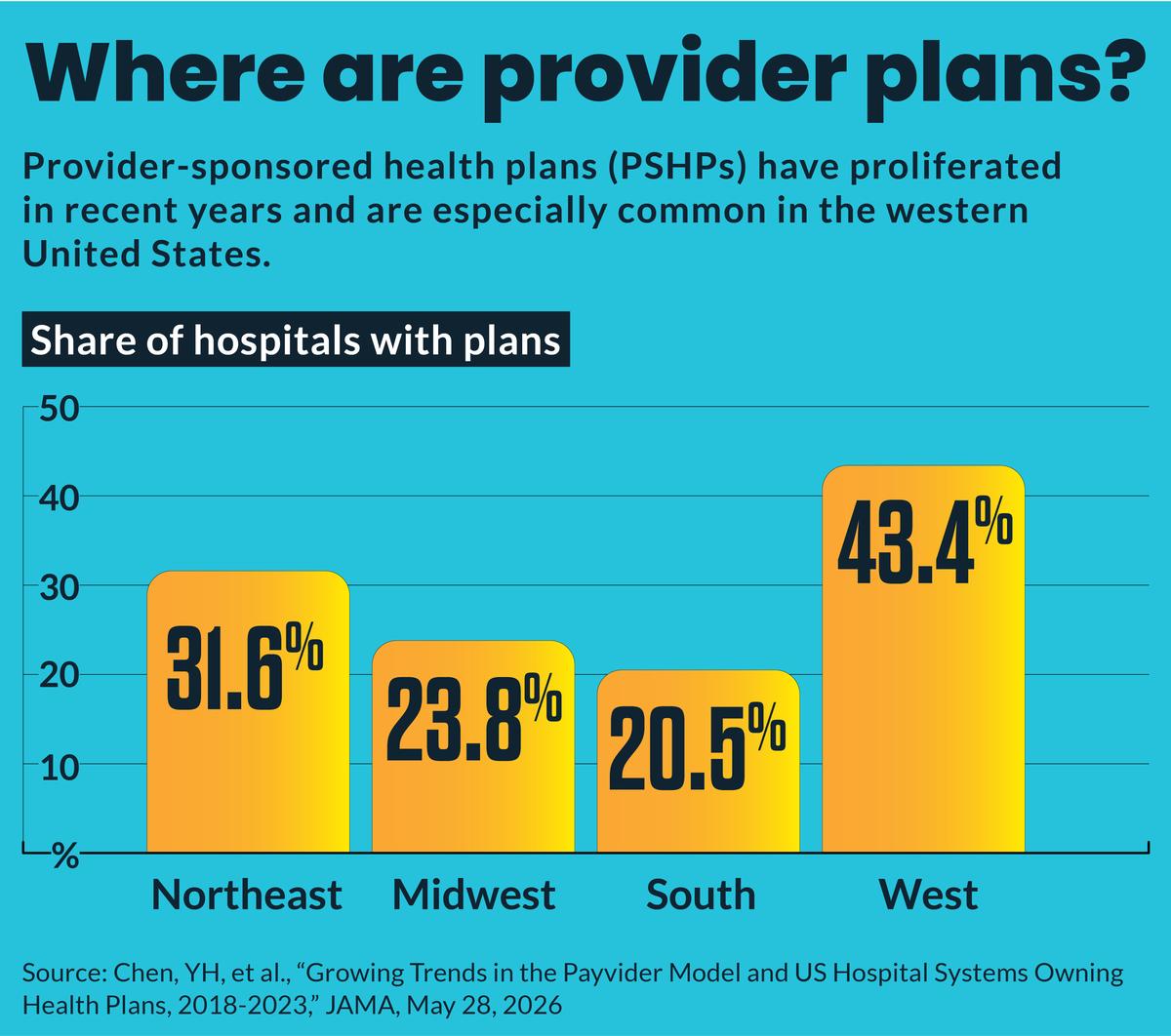
Not Dead: Provider-Sponsored Plans Reassessing
Provider‑sponsored health plans have grown sharply, rising from 18.3% of hospitals in 2018 to 27.2% in 2023, driven mainly by academic medical centers. While the model promises faster cash flow by capturing revenue before services are delivered, recent market stress...

Vitalic Health Survey: Leaders United on Need for Healthcare Affordability, Divided on How to Fix It
The Vitalic Health affordability survey, conducted by the non‑partisan Healthcare Financial Management Association, gathered 30 senior leaders from health systems, insurers, tech firms and advocacy groups. An overwhelming 90% of respondents deem the U.S. healthcare system financially unsustainable, and 77%...

Healthcare Financial Management Association Recognizes Dennis Dahlen for Contributions to Healthcare
The Healthcare Financial Management Association (HFMA) presented its premier Richard L. Clarke Board of Directors Award to Mayo Clinic chief financial officer Dennis Dahlen at the organization’s annual conference in National Harbor, Maryland. Dahlen was honored for pioneering financial stewardship...

Healthcare Financial Management Association (HFMA) Announces Matthew E. Cox as National Chair Along with New Officers, Board Members
Matthew E. Cox, CPA and CFO of Corewell Health, officially assumed the role of National Chair of the Healthcare Financial Management Association (HFMA) on June 1, 2026. Cox brings extensive experience in healthcare finance and a track record of advancing...

OBBBA Medicaid Cuts Increase Credit Risk for NFP Hospitals
The One Big Beautiful Bill Act (OBBBA) will begin cutting Medicaid payments for not‑for‑profit hospitals in FY28, creating the sector’s biggest credit risk. Rating agencies Fitch, S&P Global and Moody’s are pressing health systems for quantified exposure and mitigation plans...

340B Claims Data Requirements Put Hospital Discounts Under Stress
Eli Lilly has warned that hospitals failing to submit detailed 340B claims data within five business days will lose discounts on all Lilly products. The manufacturer says about 30% of covered entities have not complied with the policy that began on...

Leveraging Integrated Workforce Data Is Integral to Transforming Healthcare Performance
Healthcare leaders are turning fragmented workforce data into a strategic asset by integrating it with clinical, financial and operational information. This integrated approach fuels a continuous workforce optimization cycle that enables proactive staffing, real‑time operational guidance and actionable insights. Leaders...

Healthcare Affordability and Financial Sustainability Concerns Test CFO Strategy
Healthcare CFOs are grappling with the dual challenge of keeping care affordable while preserving financial sustainability. A recent HFMA‑hosted panel highlighted that only 17% of CFOs are fully committed to affordability, yet all surveyed leaders now feel compelled to act....
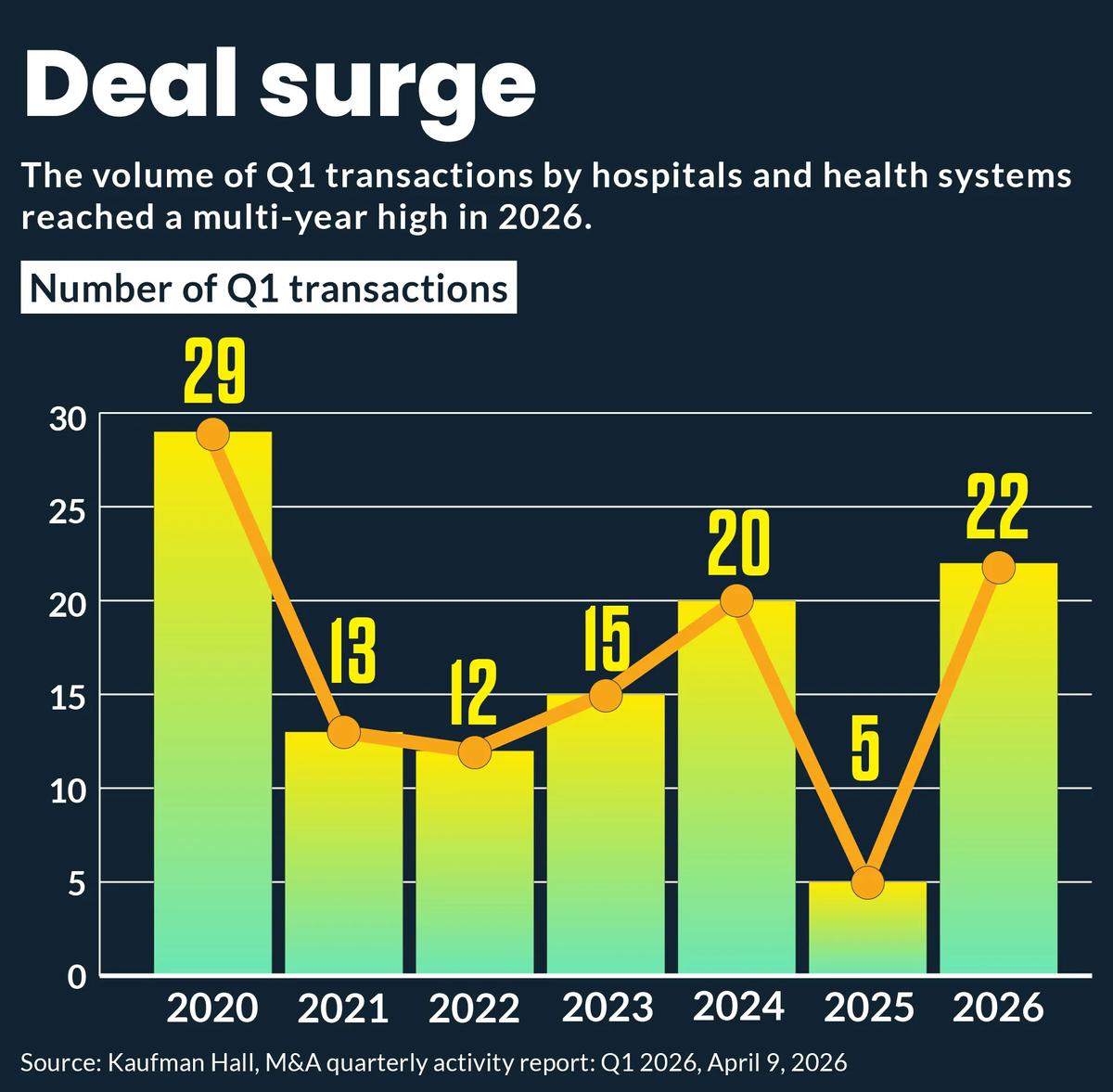
Policy Clarity Drives Hospitals’ M&A Surge
Hospital mergers and acquisitions surged to a six‑year high in 2026, with 22 deals announced in Q1, the strongest first‑quarter activity since 2020. The rise is driven by clearer policy guidance after the One Big Beautiful Bill Act and related...

Medicaid Managed Care State Directed Payments and FFS Targeted Medicaid Practitioner Payments Proposed Rule Summary
On May 22, 2026, CMS issued a proposed rule to implement section 71116 of Public Law 119‑21, the Working Families Tax Cut, modifying payment limits for State Directed Payments (SDPs) in Medicaid managed care. The rule expands the revised cap...

News Briefs: CMS Proposes a Modest Increase to Hospital Inpatient Payments for FY27
The Centers for Medicare & Medicaid Services (CMS) has proposed a 2.4% increase in the average Medicare inpatient payment for FY27, translating to roughly $1.4 billion industry‑wide. After accounting for quality‑data, EHR‑use adjustments and a mandatory productivity cut, the net rise...

David Johnson: The Biology of AI and Its Role in the Survival of Healthcare
David Johnson likens AI’s rapid development to biological evolution, using Eric Beinhocker’s three‑stage model of differentiation, selection and amplification. He argues that AI’s “datanome” stack functions like a genome, encoding data, models and actions that continuously improve healthcare operations. The...

Tech Innovation Should Drive Affordability
A recent HFMA "Hospital of the Future" survey shows 66% of respondents view affordability as a primary catalyst for healthcare transformation, while 66% also believe technology will reshape the industry fastest. One‑third of Americans report cutting expenses to cover medical...

Health Systems Should Bring Strategy to Materials Management
Health systems often treat inventory as a back‑office function, overlooking its impact on patient care and financial performance. A Stock Analysis Value Recapture (SAVR) committee is proposed to elevate materials management to a strategic capability, integrating supply chain, finance, clinical,...