
CMS Moves to Curb MA Plans’ Unfair Payment Advantage
The Centers for Medicare & Medicaid Services (CMS) finalized a rule that eliminates unlinked chart reviews from Medicare Advantage (MA) risk‑adjustment calculations, a move aimed at curbing coding‑driven overpayments. The change follows years of criticism that MA plans inflated beneficiary risk scores to secure billions in excess payments, with $22 billion attributed to coding intensity in 2026 alone. MA enrollment has surged to 54% of eligible beneficiaries, intensifying the financial stakes for the Medicare program. The policy represents the most significant MA reform since the ACA, targeting the program’s fiscal sustainability.

FastFinance: Patient Collections Trends; SDP Cuts Rule
HFMA’s FastFinance newsletter has expanded into a podcast, with host Rich Daly delivering the latest health‑care finance news. Hospitals and health systems reported stronger front‑end patient collections over the past year, yet back‑end collections have slipped, widening cash‑flow gaps. CMS announced...

Prevent Denials by Catching Credentialing Issues
Billings Clinic–Logan Health avoided costly claim denials by overhauling its provider credentialing checks. Compliance partner Ximena Restrepo says manual verification of physicians against federal and state exclusion lists can prevent $100,000 per claim‑line penalties and $24,947 civil fines. The hospital...

Prior Authorization Is Draining Revenue, Which Is Why Automation Has Become a Strategic Imperative
Prior authorizations have become a costly bottleneck for hospitals and health systems, with physicians averaging 39 requests per week and staff spending at least 13 hours on them. The delays trigger care postponements, patient abandonment, and a cascade of preventable...

Off-Campus Outpatient Billing Rules Could Extend to Commercial Claims
Congress’s House Education and Workforce Committee unanimously passed the Transparency in Billing Act, extending the off‑campus outpatient department (OPD) identifier requirement from Medicare to commercial health plans. Starting with health‑plan years on Jan. 1, 2027, insurers must reject claims that omit a...

15 Trends From UnitedHealthcare
UnitedHealthcare’s 2026 Health Trends Report, based on claims from Nov 2024‑Oct 2025, shows a sharp rise in high‑cost medical expenses. Catastrophic claims over $100,000 grew 12.9%, while specialty drugs, though used in less than 2% of prescriptions, accounted for roughly 55% of...

Celebrate 80 Years of HFMA at AC26
The Healthcare Financial Management Association (HFMA) is celebrating its 80th anniversary at the AC26 Annual Conference, held June 7‑10, 2026 in National Harbor, Maryland. The flagship evening event runs Sunday, June 7 from 7:00‑9:00 p.m. ET in the Potomac Ballroom and is sponsored by...
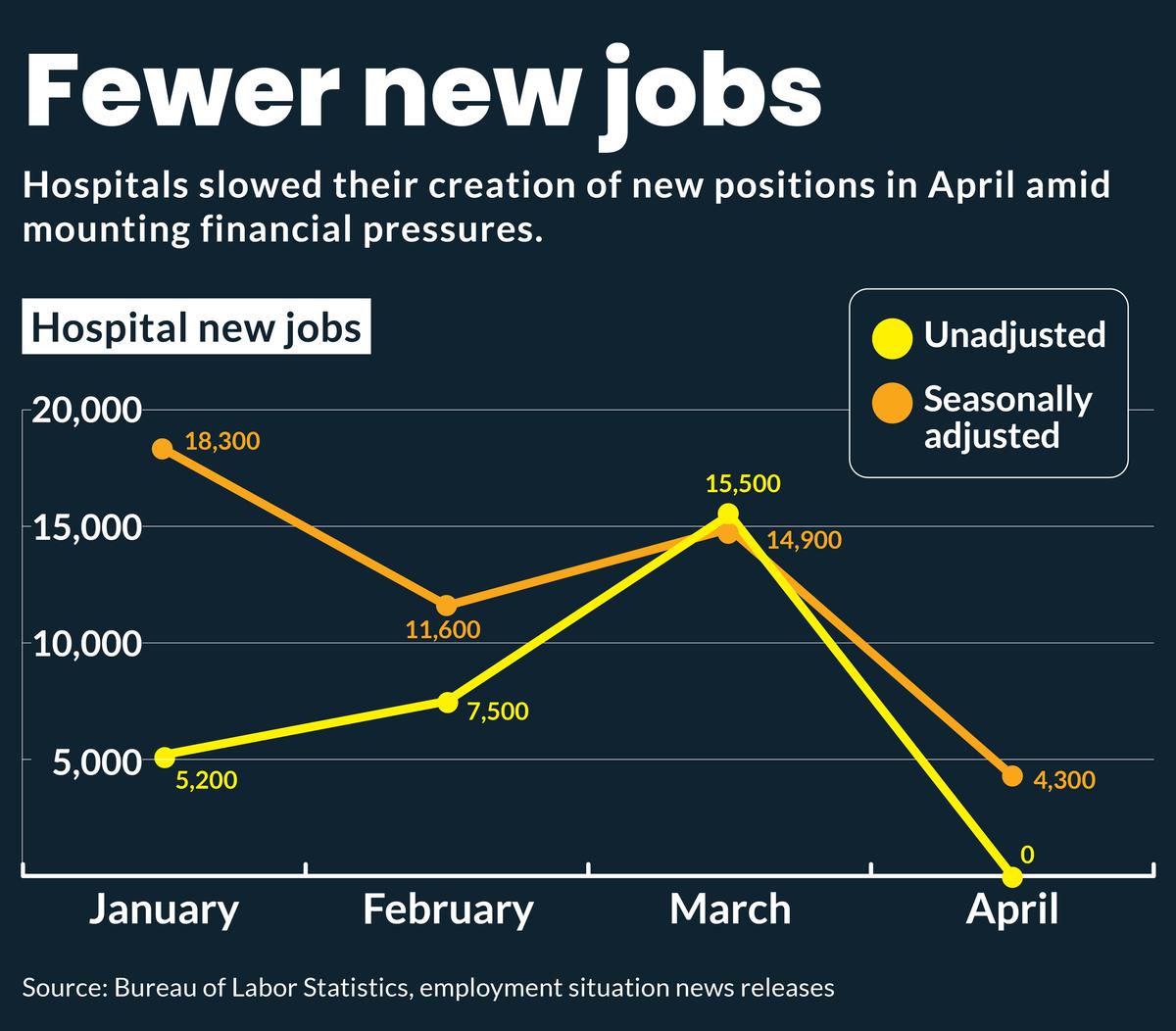
Hospitals Freeze Jobs in April
Hospital employment stalled in April, with the Bureau of Labor Statistics reporting zero net hires— the first flat month since June 2021. Seasonal adjustments modestly added 4,300 positions, but the broader healthcare sector still created 37,000 jobs, driven by nursing...

Healthcare Reimbursement: Succeeding Under Value-Based and FFS Payment
Healthcare reimbursement models—fee‑for‑service, DRGs, capitation, and value‑based care—shape hospital cash flow and risk exposure. Providers must master each model’s incentive structure and execute a five‑step claims process, from documentation to patient billing. Errors in coding, claim submission, or payer adjudication...
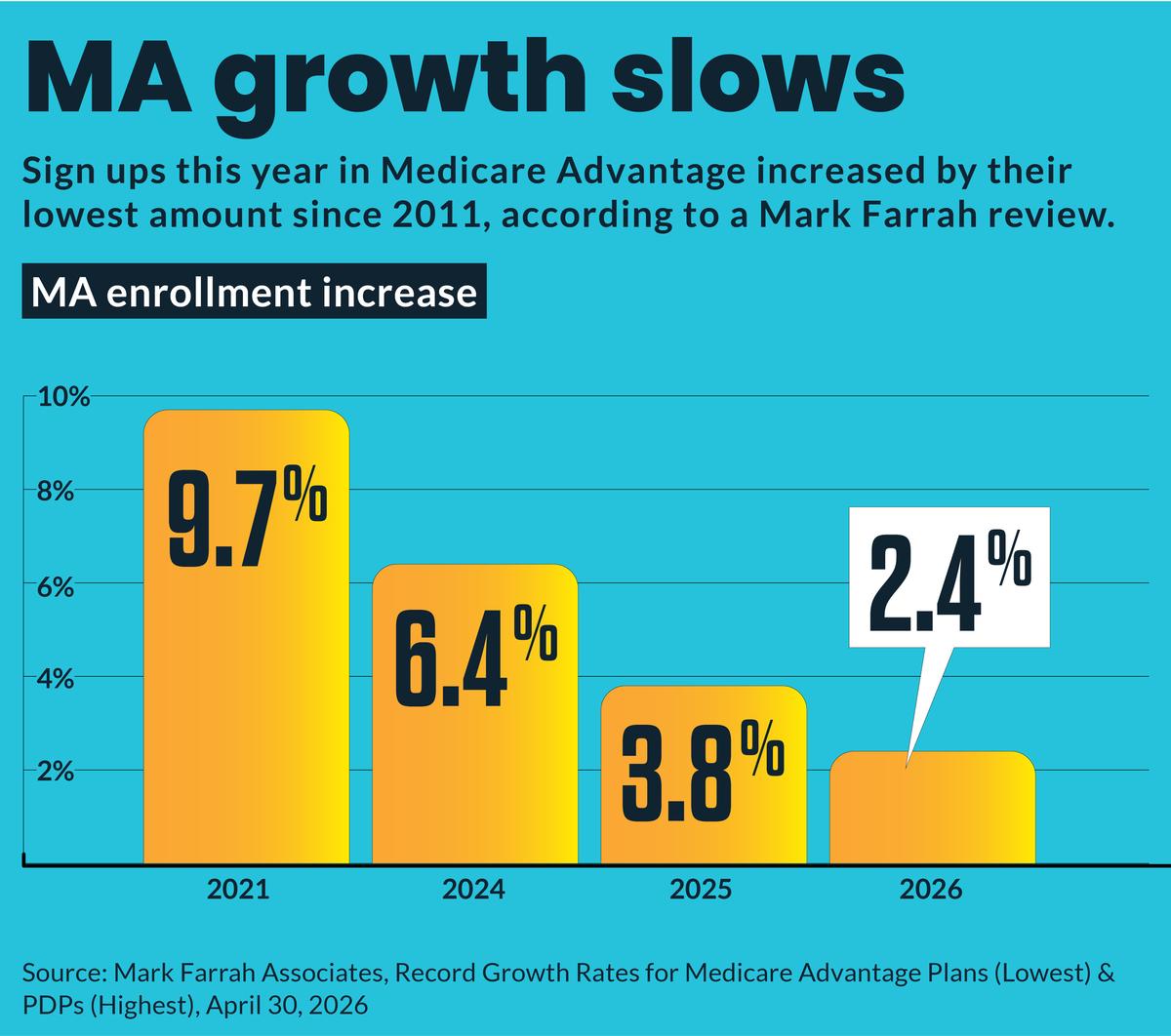
Medicare Advantage Turmoil Continues
Medicare Advantage enrollment rose only 2.4% year‑over‑year to April 2026, the weakest growth in 15 years, yet the program still covers 51.8% of the 69.6 million Medicare‑eligible population. CMS rule changes prompted major insurers such as UnitedHealthcare to exit 109 counties, while six...

How to Protect Revenue in a Digital-First Ecosystem
The HFMA report warns that as hospitals shift to a digital‑first, patient‑centric ecosystem, revenue cycle management must move from reactive fixes to proactive, data‑driven controls. It argues that data integrity should be treated as a financial control, enabling AI and...

Intelligent, Trustworthy Operating Model Key to the Hospital of the Future
The HFMA Hospital of the Future survey shows technology has become foundational for hospitals, with 9 in 10 finance leaders naming AI and automation as the fastest industry drivers. Revenue cycle performance is seen as the top area for AI...

Focus on Patient Care and Access Transcends Hospital-Centric Model
Healthcare is moving from a hospital‑centric model to a distributed, digital care platform that spans ambulatory, virtual and home settings. Revenue‑cycle leaders must evolve their function into an enterprise‑wide capability that manages the full patient financial journey. AI and predictive...

The Accuracy Imperative and the Hospital of the Future
The article argues that while visible innovations like robotics, virtual care and AI‑enabled workflows capture headlines, the true foundation of the hospital of the future is data accuracy. Inaccurate records ripple through reimbursement, quality reporting, staffing and patient outcomes, turning...

You Can’t Build the Hospital of the Future on a Billing Model Designed for the Past
HFMA’s Hospital of the Future report envisions digital‑first care and AI‑enabled workflows, but highlights a critical gap in the patient financial experience. Only 28% of patient dollars settle cleanly, while 72% involve complex cases such as Medicaid churn, under‑insured, or...

Research on Price Caps Fueling Their Spread
Hospital strategic adviser Jeff Goldsmith challenged a Health Affairs study that claimed Oregon's hospital price caps had negligible financial impact. He argues the research relied on Medicare cost reports that omit roughly 20% of true operating expenses, such as IT...

5 Keys to Enhancing Automation, Expanding Capacity and Improving Efficiency to Reduce Costs
Healthcare providers face tighter margins, staffing shortages and complex payer rules in 2026, prompting a move away from reactive revenue‑cycle models. Organizations are adopting intelligent automation that targets front‑end functions such as eligibility, authorization and financial clearance, using AI‑driven decision...

Hospital Workplace Violence Escalates Financial and Workforce Pressures
Violence against hospital staff, especially in emergency departments, is reaching crisis levels, with 85% of surveyed healthcare workers reporting a safety incident and more than a quarter facing weekly threats. The resulting turnover is costly—replacing a registered nurse averages $61,000,...

How a Health System Can Reduce Premium Labor While Building a Sustainable Workforce
Health systems are grappling with rising premium labor costs, which now account for nearly 10% of direct labor expenses. Montefiere Einstein tackled the issue by deploying real‑time dashboards, financial‑literacy programs, and streamlined onboarding, achieving a 68% reduction in contract labor...
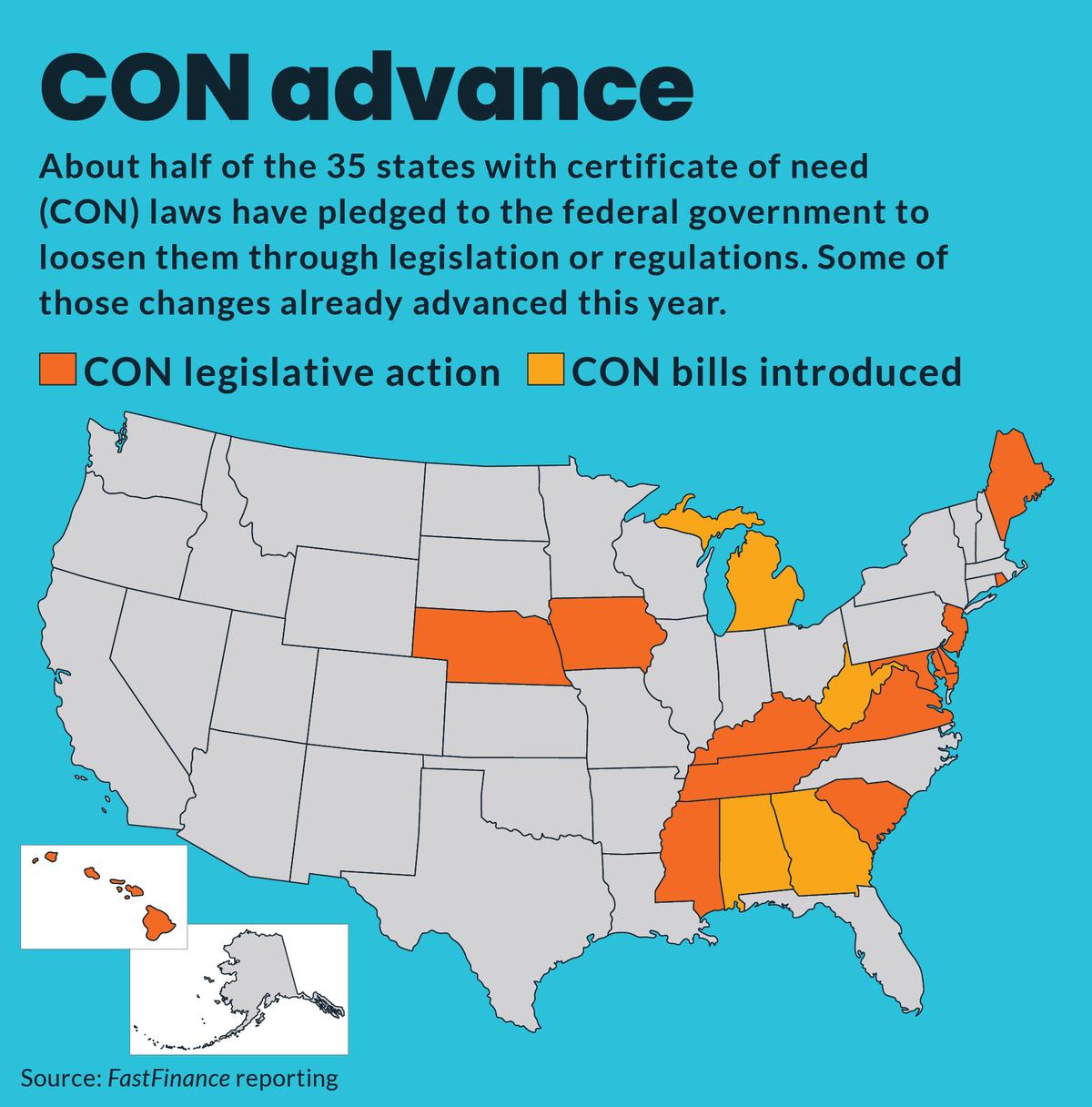
States Overhaul Certificate-of-Need Laws
States are overhauling certificate‑of‑need (CON) laws as federal pressure mounts to loosen or eliminate them. Tennessee led the wave by passing SB1369, which will repeal CON for acute‑care hospitals by 2030 and replace it with a licensure regime that mandates...
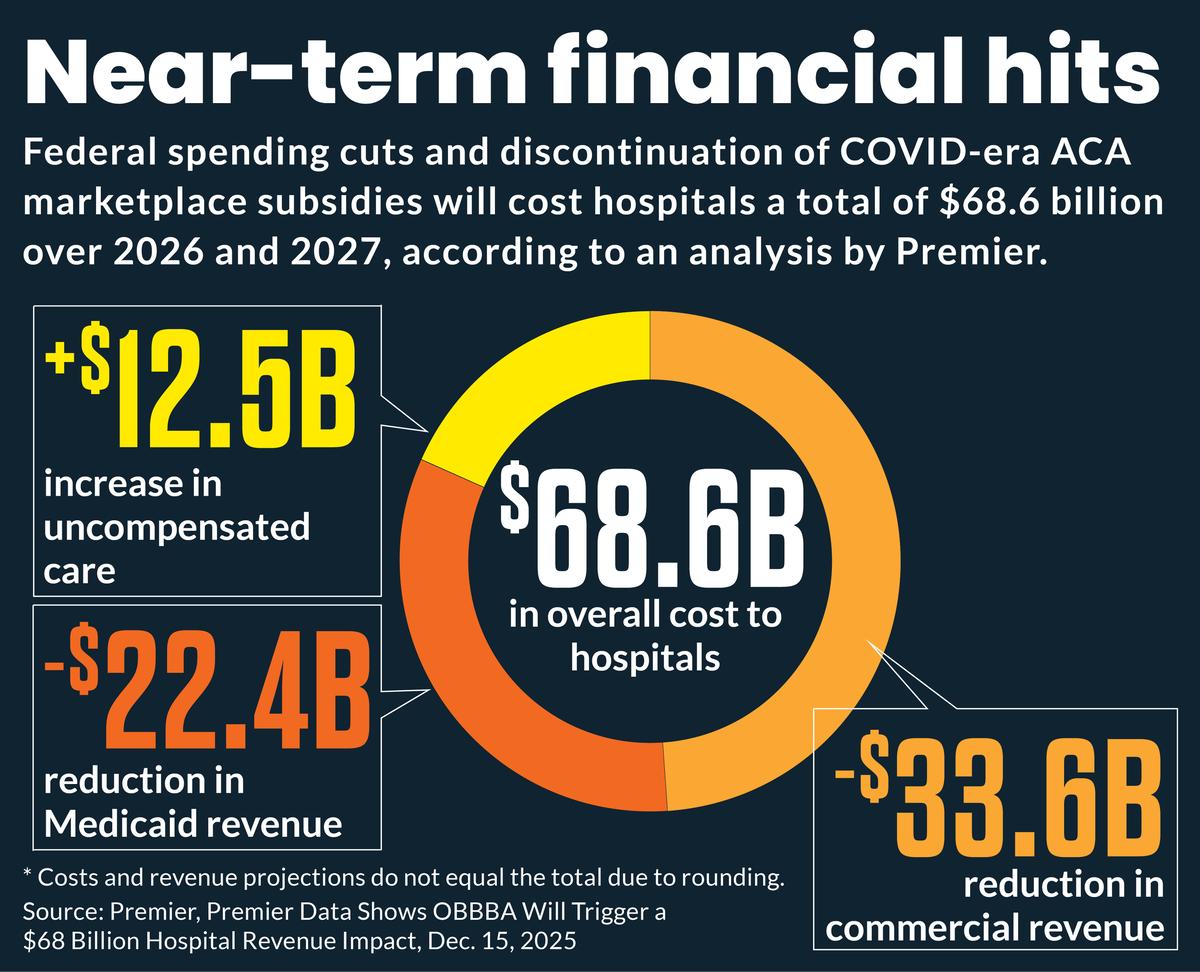
Flagged Hospitals Say They Are Not Financially Endangered
Public Citizen’s March 31 report labeled 446 hospitals as at heightened risk of closure or service cuts due to projected Medicaid reductions under the One Big Beautiful Bill Act (OBBBA). Several flagged facilities—including Northwest Mississippi Regional Medical Center, Minden Medical...

The Challenges of Independent Rural Healthcare Practices
Independent rural healthcare practices are grappling with mounting financial pressures, especially from Medicaid’s cumbersome administrative requirements and thin reimbursement rates. Staffing shortages and limited access to capital further restrict their ability to adopt new technologies or expand services. The shift...

PAMA Laboratory Data Reporting Requirements for Hospitals Are Set to Impact Medicare Lab Payments
Hospitals that run clinical diagnostic labs must report commercial final‑paid claim rates for January‑June 2025 during a May 1‑July 31 window, a requirement under the Protecting Access to Medicare Act (PAMA). Roughly 2,600 hospitals are subject to the mandate, and the data...

Site-Neutral Payment Debate Intensifies in Hospital Affordability Hearing
During a House Ways and Means hearing, hospital CEOs and lawmakers debated site‑neutral payment as a lever to curb soaring hospital costs, which have risen roughly 170% since 2005. Republicans touted proposals that could save $160 billion in taxes and $672 billion...
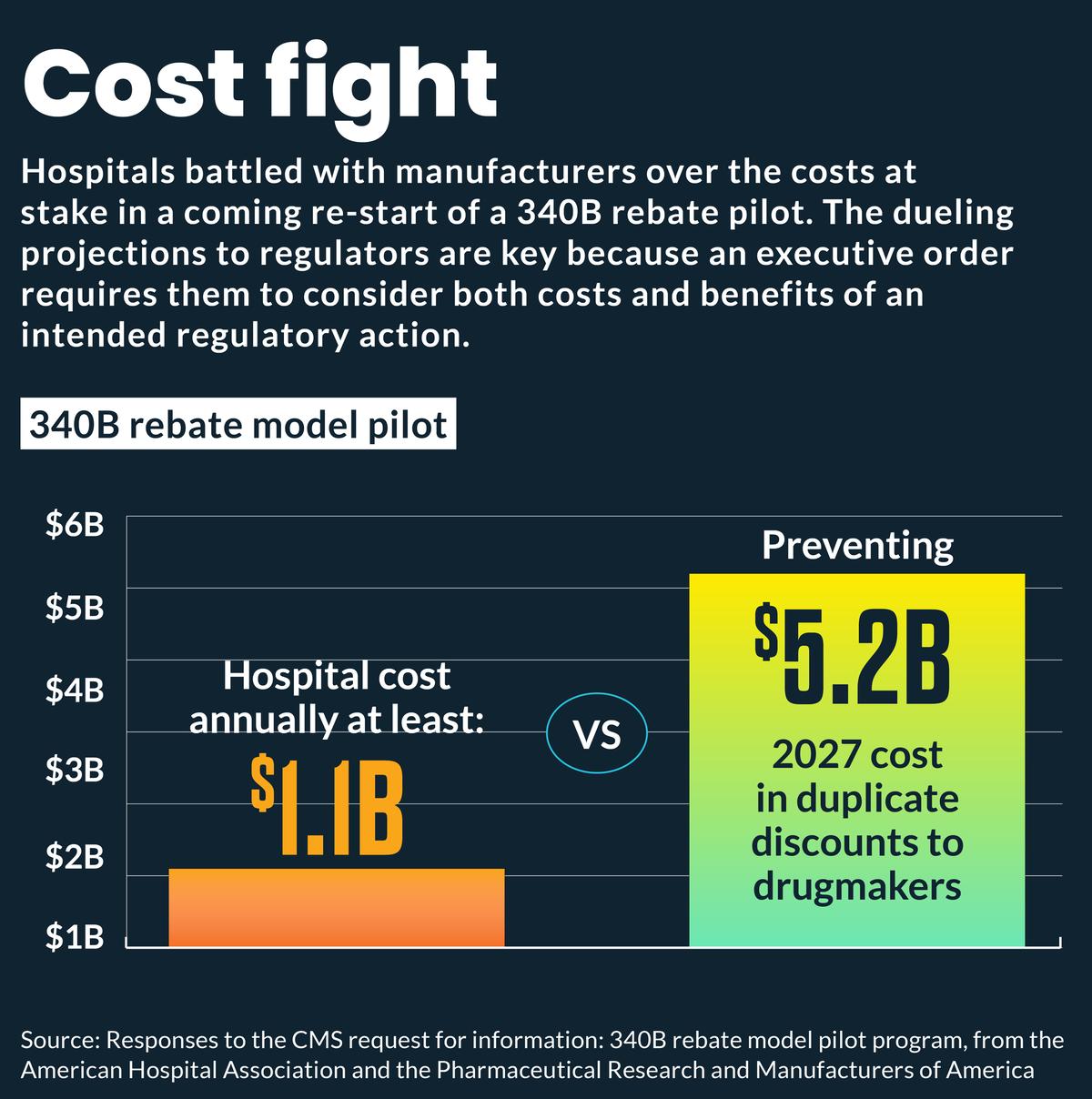
Hospitals, Insurers Clash on 340B Rebate Costs
The Health Resources and Services Administration (HRSA) issued a request for information on reviving a 340B drug‑rebate model after a court‑blocked rollout. Hospital groups, led by the American Hospital Association, warn the model could impose over $1 billion in annual costs,...

FastFinance: Medicaid Administrative Burdens; Cost Cutting Plans for 2026
HFMA’s FastFinance podcast highlighted growing Medicaid administrative burdens as states rush to upgrade programs ahead of the upcoming OBBBA reforms. A new HFMA report found that 49.5% of revenue‑cycle leaders are most concerned about automation, with 25% fearing errors will...

ACA Marketplace Coverage Changes Reduce Hospital Revenue, Shift Payer Mix
Changes to ACA marketplace coverage in 2026 trimmed HCA Healthcare's adjusted EBITDA by $150 million in Q1, reflecting a 15% YoY drop in marketplace admissions and a rise in uninsured patients. The shift also slowed Medicaid conversions, as patients hesitate to...

Medicaid Administrative Burden Hits Providers
A Gainwell Technologies survey of 309 Medicaid providers reveals that 28% are dissatisfied with administrative processes, making them 3.9 times more likely to leave the program within three years. Dissatisfaction is driving a quarter of skilled nursing facilities, physician groups...

FY 2027 IPPS/LTCH PPS Proposed Rule Summary
On April 10, 2026 CMS issued a proposed rule outlining FY 2027 payment rates and policies for Medicare’s inpatient prospective payment system (IPPS) and long‑term care hospital (LTCH) PPS, with a public comment deadline of June 9, 2026. The rule sets operating and...

CMS Proposes Electronic Prior Authorization for Drugs
The Centers for Medicare & Medicaid Services (CMS) has issued a proposed rule to extend electronic prior authorization (e‑PA) to pharmaceuticals covered under both medical and pharmacy benefits. The rule mandates the use of Fast Healthcare Interoperability Resources (FHIR) APIs...

HFMA’s P&P Board Comments on GASB’s Proposed Implementation Guide, Financial Reporting Model Improvements-Subsidies
On April 24, 2026, the Healthcare Financial Management Association’s Principles and Practices Board submitted formal comments on the Governmental Accounting Standards Board’s Proposed Implementation Guide for Financial Reporting Model Improvements‑Subsidies. The board’s letter tackles five key areas: the proposed effective...

Future Success Means Treating Revenue Cycle as a Strategic Asset, Not a Support Function
Healthcare finance leaders face mounting margin pressure, administrative complexity, and regulatory change, prompting a strategic reevaluation of the revenue cycle. AI and digital workflows are enabling a shift from fragmented, manual processes to integrated, automated cash‑flow management. The article outlines...

4 Shifts that Define the Revenue Cycle of the Future
The future of healthcare revenue cycle management hinges on four strategic shifts: redesigning work end‑to‑end, pairing humans with AI, creating a unified AI orchestration layer, and establishing trustworthy AI governance. Rather than automating isolated tasks, leaders must rewire operating models...

MedPAC April 2026 Public Meeting Summary
The Medicare Payment Advisory Commission (MedPAC) convened its April 2026 public meeting on April 9‑10, 2026. HFMA released a concise summary of the session, noting the Commission’s forward‑looking statements about potential payment reforms. The summary emphasizes that these projections reflect MedPAC’s likely...

2027 Medicare Advantage – Part D Final Rule Summary
The Centers for Medicare & Medicaid Services issued a final rule on April 6, 2026 that overhauls Medicare Advantage (Part C) and the Medicare Prescription Drug Benefit (Part D) for coverage starting January 1, 2027. The rule implements changes mandated by the Inflation Reduction Act and...
Hospital Margins Decline in 2026 as Expenses Outpace Revenue
Hospital operating margins slipped into negative territory in early 2026, with the median margin at –0.3% year‑to‑date after a –0.6% reading in January. Expenses outpaced revenue growth, driven by a 7.6% rise in drug costs and a 7.8% increase in...

Highlights of the Administration’s FY 2027 Budget
The Trump administration released its FY 2027 discretionary health‑care budget on April 3, 2026, outlining a projected $85 billion in health‑related spending, a modest 4% rise over FY 2026. The Office of Management and Budget and HHS highlighted increased allocations for health‑IT modernization, pandemic preparedness,...

Out-of-Network Pricing Lawsuits Test MultiPlan, Zelis Business Models
Healthcare providers have filed antitrust lawsuits alleging that insurers and pricing intermediaries Zelis and MultiPlan conspired to suppress out‑of‑network payments using proprietary repricing algorithms. The Zelis case survived a motion to dismiss, with a judge finding plausible price‑fixing claims, while...

The IPPS FY 27 Proposed Rule, and How the Industry Can Better Care for Women
The Centers for Medicare & Medicaid Services (CMS) unveiled its FY 2027 Inpatient Prospective Payment System (IPPS) proposed rule, introducing higher base rates for complex inpatient cases and revising outlier thresholds. The rule also expands payment models for long‑term care and...

Federal 340B Overhaul Bill Unlikely This Year
A bipartisan Senate “gang of six” has stalled its 340B drug‑pricing reform effort, with no bill expected before the end of the 118th Congress. The draft legislation, first released in early 2024, still omits a definition of a 340B‑eligible patient,...

States Boost Medicaid Budgets as Enrollments Decline
National Medicaid enrollment fell 4% from December 2024 to December 2025 and continued with a 2% drop in the first quarter of 2026. Despite the decline, states are proposing sizable budget increases—California $25.3 B, New York $3.9 B, Colorado $212 M, Illinois $1.4 B....

FY 2027 Skilled Nursing Facility PPS Proposed Rule Summary
On April 7 2026, CMS issued a proposed FY 2027 rule that updates Medicare skilled nursing facility (SNF) payment rates, the SNF Quality Reporting Program (QRP), and the SNF Value‑Based Purchasing (VBP) program. The agency projects a $888 million (+2.4%) increase in Medicare payments...

FY 2027 Hospice Payment Rate Update Proposed Rule Summary
On April 6, 2026 CMS proposed a rule that would raise Medicare hospice payments by about $785 million, a 2.4% increase for FY 2027, driven by a revised wage index and a new service‑spending variation index. The rule also requires hospices to...

Medicare Payment Policy Changes for 2027: Key Signals From Kennedy Hearings
During House hearings on the FY27 budget, HHS Secretary Robert F. Kennedy Jr. outlined several Medicare payment reforms. He advocated for bundled payment models that include nutrition therapy, remote monitoring, and preventive services, while supporting legislation to expand coverage for...
H-1B Visa Fee Strains the Healthcare Workforce and Hospital Finances
The Trump administration’s 2025 policy imposes a $100,000 fee on each H‑1B visa application, up from a few thousand dollars. Hospitals, especially rural and safety‑net facilities, say the cost is unsustainable and is already forcing them to halt or limit...

HFMA Members Urged to Evaluate and Reply to Prospective New GASB Statement
The Healthcare Financial Management Association (HFMA) is urging its members to review the Governmental Accounting Standards Board’s proposed Statement No. 103, which provides new guidance on classifying and treating subsidies in governmental accounting. The draft guidance, released as an implementation guide,...

FastFinance: Health System Capex Plans; Medicare IPPS Impacts
HFMA’s FastFinance newsletter has launched a podcast hosted by Rich Daly, highlighting key healthcare finance trends. Hospitals and health systems are scaling back capital expenditures in 2026, reallocating funds to different priorities. Rural hospitals remain under pressure, with 34.9% operating...

Growth Projects Lead Amid Reduced Capex
Health system executives report a slowdown in overall capital spending, with nearly half planning cuts of 10% or more for 2026. Despite tighter budgets, revenue‑growth initiatives have become the top priority, rising to 46% of capital plans, while patient acquisition...

Hospitals See Danger to SDPs in Fraud Fight
Hospital advocates have raised alarms that the Trump administration’s upcoming anti‑fraud regulations, outlined in the CMS CRUSH RFI, could target Medicaid state‑directed payments (SDPs) and the intergovernmental transfers (IGTs) used to fund them. Groups such as America’s Essential Hospitals, the...

Predict, Prevent, Perform: The AI Evolution of Denials Management
Healthcare providers are grappling with denial rates near 12% in 2025, translating into millions of dollars of delayed revenue per percentage point. Legacy manual processes can’t keep pace with AI‑driven payer adjudication that rejects claims for minor errors. Providers are...