
Peer Review in the Time of Artificial Intelligence
Nature Portfolio’s editorial urges reviewers to use generative AI responsibly, insisting on transparent disclosure and human validation of any AI‑generated content. It warns that uploading manuscripts to AI tools can breach confidentiality and may expose reviewers to legal risk. While AI can streamline tasks such as grammar checks or literature summarisation, it must not replace critical judgment. The publisher commits to ongoing training, policy updates, and the development of secure, purpose‑fit tools to support, not supplant, peer‑review rigor.
Why Electrodics Is Essential for Future Energy Technologies
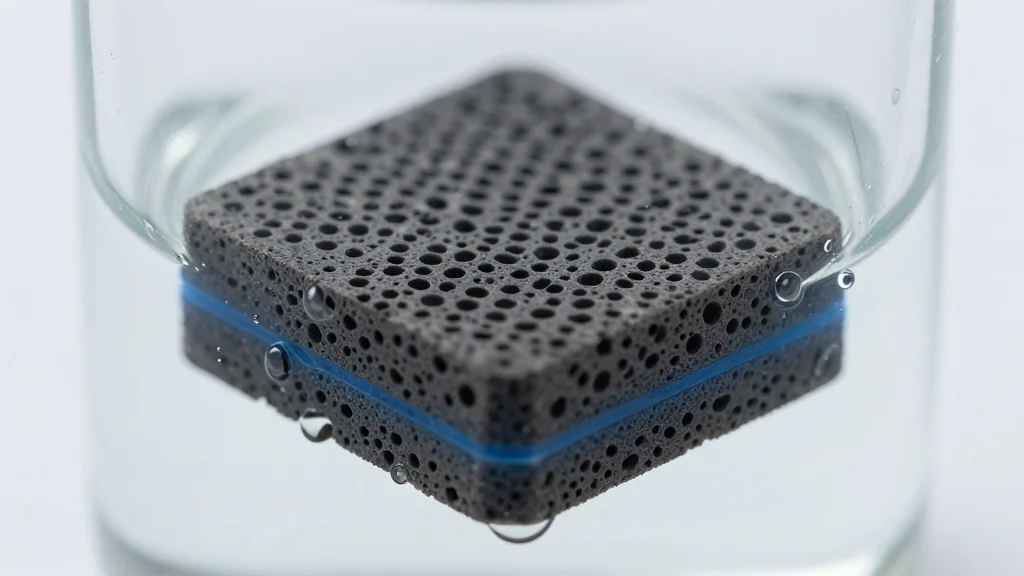
Jelena Popovic‑Neuber’s Nature Nanotechnology comment argues that electrodics—the study of charge dynamics at electrode‑electrolyte interfaces—must receive greater emphasis to unlock advances in energy technologies. She highlights how detailed electrodic characterization can clarify ion transport in porous composite electrodes, a key...

Single Indium Atoms Shape CO2-to-Methanol Catalysis
Researchers at Brookhaven National Laboratory have shown that monoclinic hafnia can stabilize atomically dispersed indium atoms, creating highly active interfacial sites for CO₂ hydrogenation. The single‑atom indium catalyst delivers markedly higher methanol selectivity and operates at lower temperatures compared with...

On the Interpretation of Astrocytic Calcium Signalling with Graphene Oxide Electrodes
The authors reassess a 2024 Nature Nanotechnology claim that graphene oxide (GO) and reduced graphene oxide (rGO) electrodes can selectively trigger external calcium influx or internal calcium release in astrocytes. They argue that GO’s insulating nature and rGO’s conductivity produce...
When Quantum Fluids of Light Crystallize
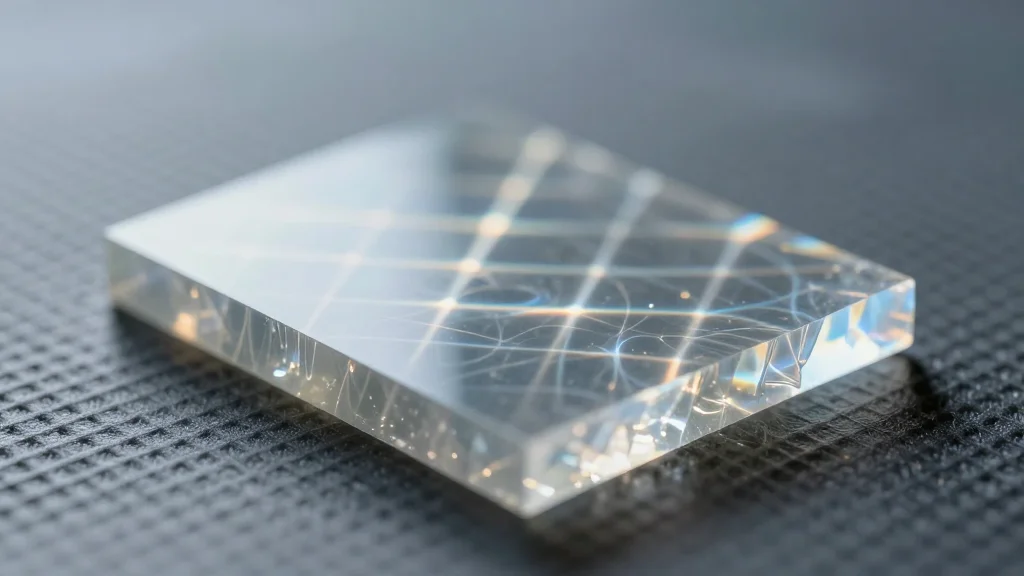
Researchers Dario Gerace and Daniele Sanvitto reported the first observation of room‑temperature supersolidity in a quantum fluid of light. They integrated a single‑crystal halide perovskite with a patterned nano‑grating, creating a nonlinear optical lattice that supports polariton condensation. Measurements revealed...

Reply To: On the Interpretation of Astrocytic Calcium Signalling with Graphene Oxide Electrodes
The authors issue a formal reply to critiques of their 2024 Nature Nanotechnology study on graphene‑oxide (GO) electrodes and astrocytic calcium signaling. They reaffirm that GO electrodes reliably trigger distinct calcium transients in cultured astrocytes, and they present additional control...

Enhancing Antitumour Nanovaccine Efficacy via Integrated Cholesterol Modulation in Situ
Researchers have created a nanovaccine, NPCM‑OT, that simultaneously delivers tumor antigens and depletes cholesterol from dendritic cell membranes. The cholesterol reduction reshapes lipid microdomains, enhancing immune‑synapse formation and CD8⁺ T‑cell activation. In multiple mouse tumor models, the vaccine showed both...

Versatile Heavy Metal Ion Separation via Biological Ion-Channel-Inspired Membranes
Researchers have unveiled a polymeric membrane that mimics biological ion channels to separate heavy‑metal ions with unprecedented precision. By engineering sub‑nanometre pores and embedding metal‑binding ligands, the membrane selectively captures ions such as lead, cadmium and mercury while allowing water...

Louis E. Brus (1943–2026)
Louis E. Brus, a pioneering chemist‑physicist, died at 82, leaving a legacy that defined the field of semiconductor nanocrystals, now known as quantum dots. His early work at Bell Labs uncovered the optical properties of colloidal nanocrystals, launching a multibillion‑dollar...
Printed MoS2 Memristive Nanosheet Networks for Spiking Neurons with Multi-Order Complexity
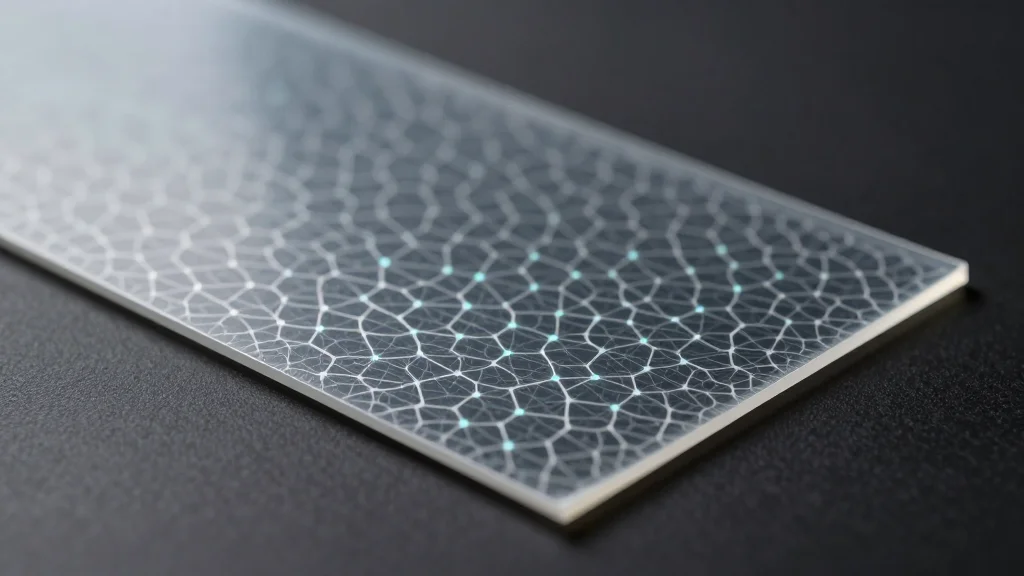
Researchers at Northwestern University have aerosol‑jet printed graphene/MoS₂/graphene memristive networks that exhibit snap‑back negative differential resistance and volatile threshold switching. The printed devices operate on flexible substrates, delivering oscillatory neuron circuits with tunable spiking frequencies up to 20 kHz and surviving...
Giant Room-Temperature Third-Order Electrical Transport in a Thin-Film Altermagnet Candidate
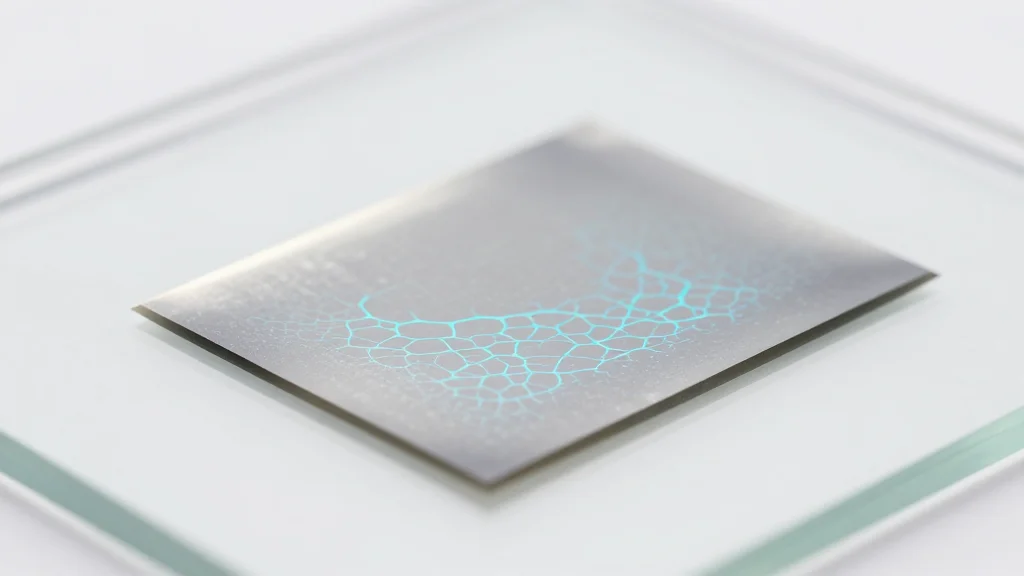
Researchers report a giant third‑order electrical transport response at room temperature in (101)‑oriented RuO₂ thin films 5–9 nm thick. The third‑order Hall signal surpasses that of previously studied materials such as FeSn, MnBi₂Te₄, and Cd₃As₂, even without high magnetic fields. X‑ray...
Aqueous Electrolyte Solutions with Anion-Bridged Secondary Solvation Sheaths for Highly Efficient Zinc Metal Batteries
Researchers have introduced an anion‑bridged secondary solvation sheath in aqueous electrolytes, reshaping Zn2+ coordination and suppressing water‑induced side reactions. The engineered electrolyte delivers near‑unity Coulombic efficiency (>99.5%), supports current densities up to 5 mA cm⁻², and enables over 1,000 stable charge‑discharge cycles...

Picosecond-Scale Coherent Toggle Switching of Topological Spin Helicity
Researchers have experimentally achieved coherent toggle switching of magnetic vortex helicity in nanoscale disks within a few hundred picoseconds. The transition is triggered by a single femtosecond laser pulse combined with an out‑of‑plane magnetic field, leveraging photothermal demagnetization and subsequent...
Magnetic Circular Dichroism Imaging of Atomic-Scale Antiferromagnetic Order at a Buried Interface
Researchers led by Dongsheng Song have demonstrated magnetic circular dichroism imaging of antiferromagnetic order at atomic resolution across a buried DyFeO₃/SmFeO₃ interface using scanning transmission electron microscopy combined with electron energy‑loss spectroscopy. By optimizing convergence semi‑angle and sample thickness, they...

Prodrug-Tethered Lipid Nanoparticles for Synergistic Messenger RNA Cancer Immunotherapy
Researchers have engineered lipid nanoparticles tethered with a prodrug that releases an IDO‑1 inhibitor while simultaneously delivering mRNA encoding interleukin‑12. The dual‑action formulation, administered intratumorally, generated robust CD8⁺ T‑cell responses, mitigated T‑cell exhaustion, and produced complete tumor regressions in several...
Protonic Nickelate Device Networks for Spatiotemporal Neuromorphic Computing
Researchers have created a fully integrated neuromorphic computing platform using hydrogen‑doped perovskite nickelate (NdNiO₃) devices on a single wafer. The system combines volatile, nanosecond‑scale protonic dynamics for spatiotemporal processing with non‑volatile programmable resistance states for output weighting, achieving energy consumption...

Logic‑gated Nanomedicine Activates STING to Boost Metastatic Tumour Immunotherapy
Researchers at the University of Massachusetts Amherst have engineered a logic‑gated nanoparticle that releases a STING agonist only under acidic pH and hypoxic conditions typical of metastatic tumor sites. The dual‑stimuli‑responsive system triggers robust innate immune activation while sparing healthy...
AND Logic Nanoparticle for Precision Immunotherapy of Metastatic Cancers
Researchers have engineered a dual‑stimuli‑responsive nanoparticle that activates the STING pathway only when both acidic pH and hypoxic NQO1 activity are present, creating an AND‑logic release of the agonist MSA‑2. In preclinical models of lung carcinoma, triple‑negative breast cancer and...

Ultrashort Orbital Diffusion Length
Researchers Urazhdin and Lee used terahertz emission spectroscopy on heavy‑metal/ferromagnet heterostructures to directly probe orbital angular momentum transport. Their measurements reveal an orbital diffusion length of only about one nanometer, far shorter than the previously assumed micron‑scale range. The study...

Evidences of Subnanometre Orbital Diffusion Length in Heavy Metals Using Terahertz Emission Spectroscopy
Researchers used terahertz emission spectroscopy to directly probe orbital‑angular‑momentum transport in heavy metals, revealing diffusion lengths below one nanometer. The study combined ultrafast laser excitation with inverse orbital Rashba–Edelstein detection, demonstrating ballistic orbital currents that decay over sub‑nanometre scales. These...
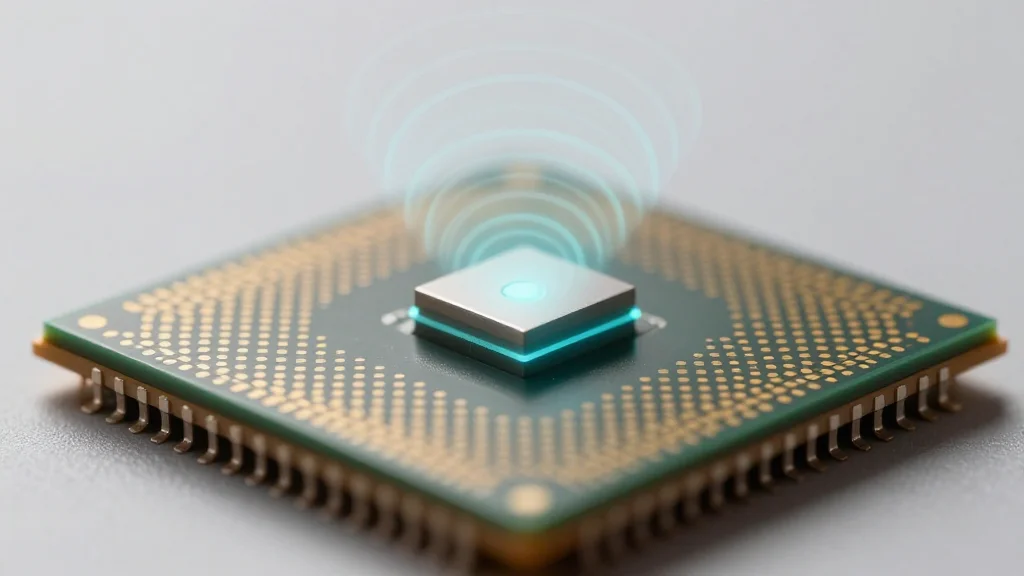
A CMOS-Compatible, Scalable and Compact Magnetoelectric Spin-Torque Microwave Detector
Researchers have demonstrated a CMOS‑compatible magnetoelectric spin‑torque microwave detector that monolithically integrates a magnetoelectric antenna with a magnetic tunnel junction. The device converts wireless microwave signals directly to a DC output, achieving a sensitivity exceeding 90 kV W⁻¹ and a noise‑equivalent power...

Rational Design of Rigid mRNA Folding Architecture to Enhance Intracellular Processing and Protein Production
A team of researchers from Singapore and China has engineered a rigid mRNA folding architecture that markedly improves intracellular processing and protein output. By integrating all‑atom and coarse‑grained molecular dynamics simulations with lipid‑nanoparticle (LNP) formulation, they created stiffened mRNA structures...
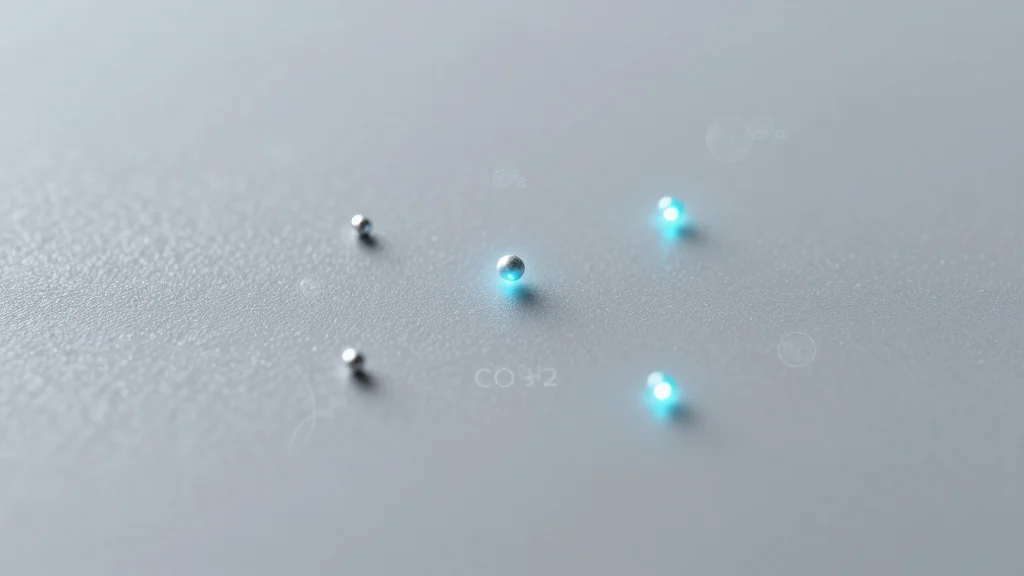
Single Atoms of Indium on Hafnia Enable Superior CO2-Based Methanol Synthesis
Researchers reported that single‑atom indium dispersed on hafnia (HfO₂) dramatically improves CO₂ hydrogenation to methanol. The In/HfO₂ catalyst achieves up to twice the methanol space‑time yield of comparable In₂O₃‑based systems while maintaining >90% selectivity at 300 °C. Combined experimental measurements, operando...

Endometrium-Targeted mRNA-Lipid Nanoparticles for Treating Reproductive Conditions
Researchers have engineered ligand‑conjugated mRNA‑lipid nanoparticles that home specifically to the endometrium, delivering therapeutic mRNA directly to uterine tissue. In a murine model of endometrial injury, the targeted formulation restored embryo implantation rates to near‑normal levels. Safety profiling showed reduced...
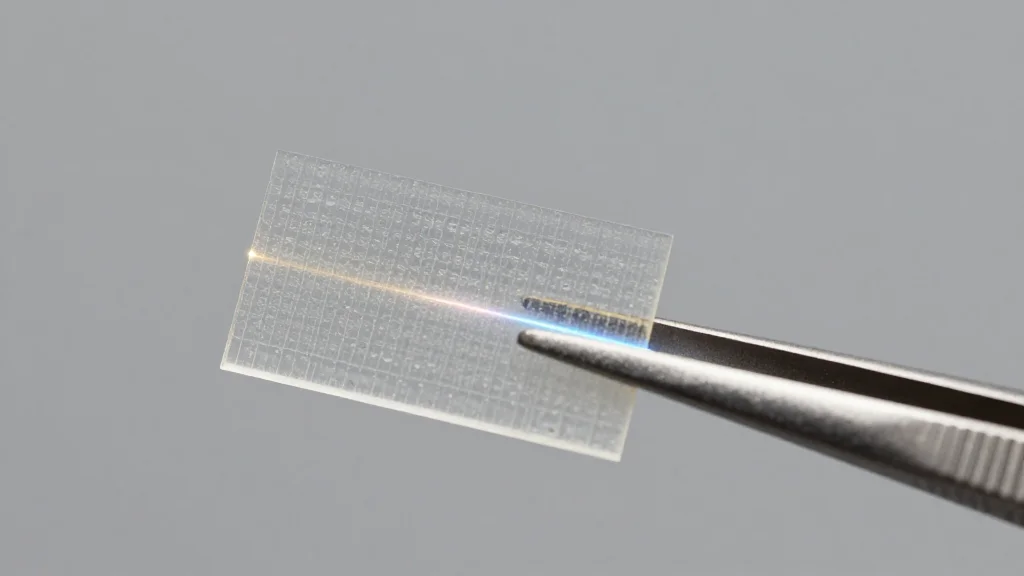
A Wafer-Scale Optoelectronic Device Unlocks Monolithic 3D Integration
Researchers have engineered ordered vacancies in boridene to create pronounced electrical anisotropy, enabling both bipolar and linear photocurrent suitable for optoelectronic computing. The material, (Mo₂/₃Y₁/₃)₂AlB₂, can be deposited at low temperatures and patterned across a full 12‑inch wafer, meeting back‑end‑of‑line...
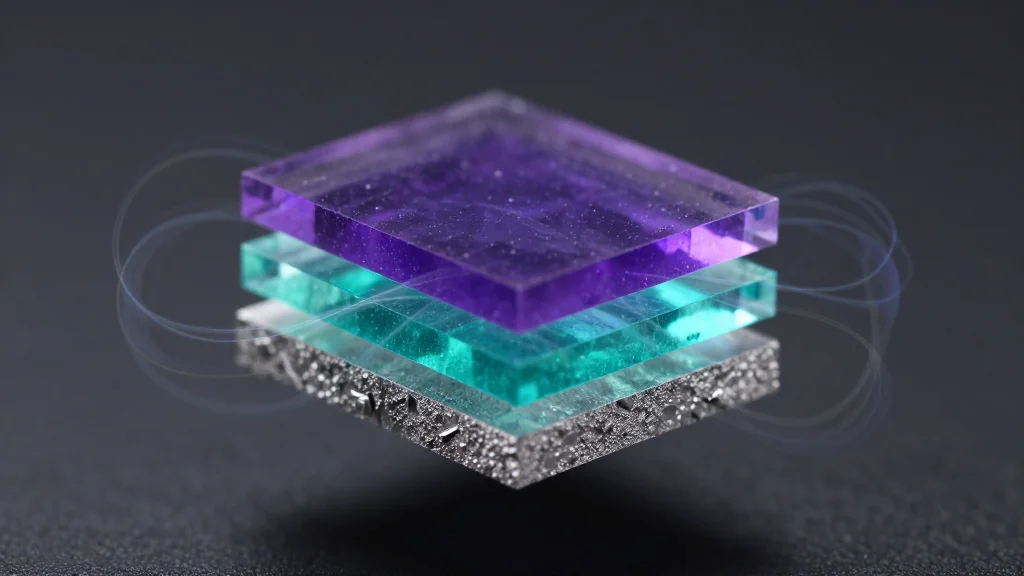
Tailorable Multiferroic Tunnel Junctions From All-Van Der Waals Multilayer Stacking
Researchers have demonstrated a new class of multiferroic tunnel junctions (MFTJs) built entirely from van der Waals (vdW) stacked two‑dimensional crystals. By integrating ferromagnetic Fe3GeTe2 (F3GT) with ferroelectric CIPS and In₂Se₃ layers, the devices exhibit both tunnel magnetoresistance and electroresistance...

Twelve-Inch Electrically Anisotropic Boridene for Optoelectronic Computing
Researchers have demonstrated a 12‑inch wafer‑scale synthesis of electrically anisotropic boridene, a two‑dimensional Mo4/3B2‑x material with ordered metal vacancies. The study reports carrier mobilities exceeding 2,000 cm² V⁻¹ s⁻¹ along the high‑conductivity axis and a five‑fold anisotropy ratio, enabling directional charge transport for...

Nanoengineering of Non-Aqueous Liquid Electrolyte Solutions for Future Lithium Metal Batteries
Researchers are applying nanoengineering principles to design non‑aqueous liquid electrolytes that reshape solvation structures for lithium‑metal batteries. By manipulating solvent‑salt interactions and creating localized high‑concentration environments, the new formulations achieve Coulombic efficiencies above 99.9% and enable fast‑charging at high voltages....
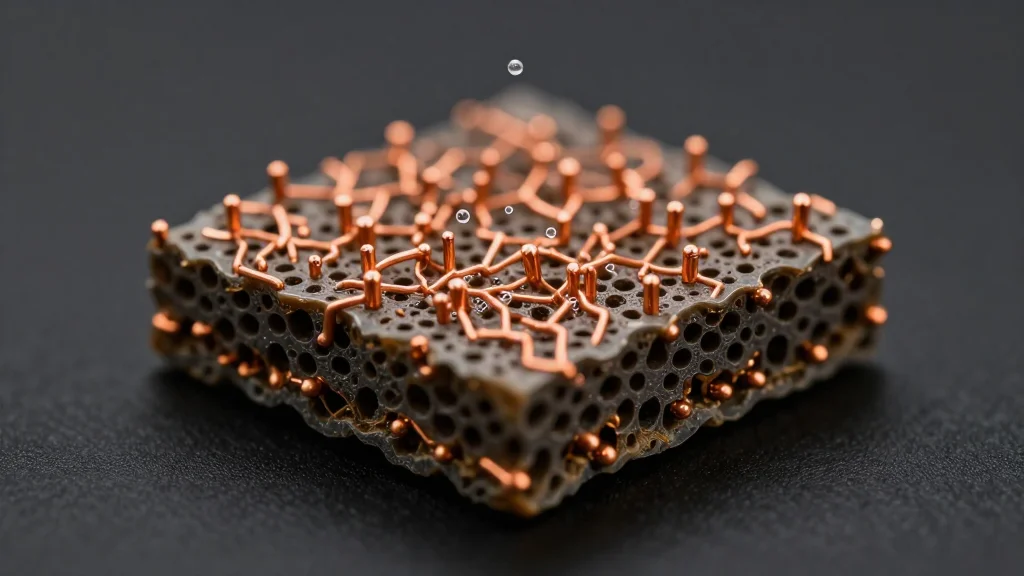
Tandem Architectures for Electrochemical CO2 Reduction: From Coupled Atomic Sites to Tandem Electrolysers
The review outlines how tandem architectures—linking atomic‑scale active sites with multi‑stage electrolyzers—drive electrochemical CO₂ reduction toward multicarbon products. It highlights the role of metal‑N‑C catalysts for selective CO generation, followed by copper‑based downstream catalysts that couple CO into C₂⁺ fuels....
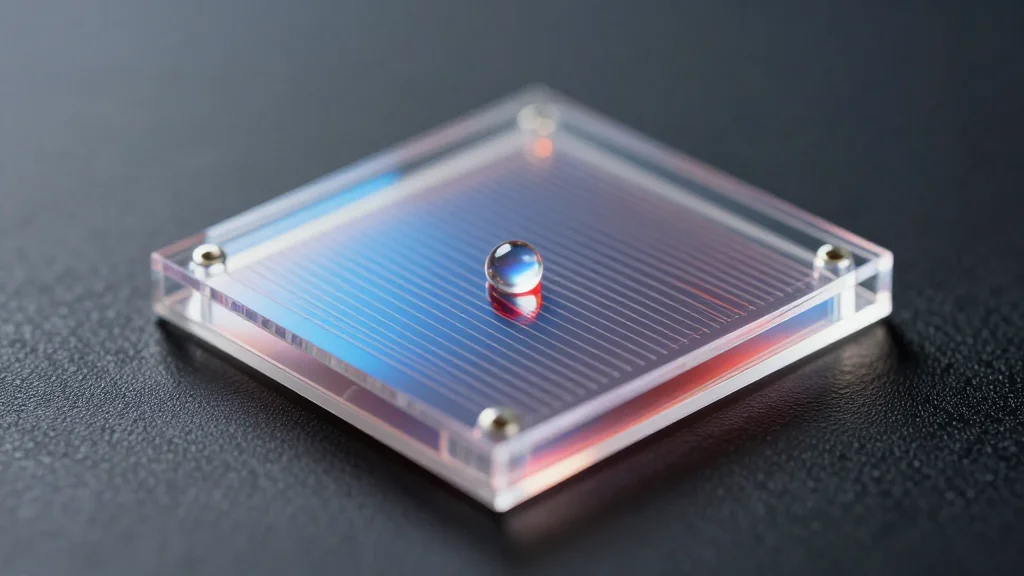
Ultra-Rapid Nanoplasmonic Colorimetry in Microfluidics for Antimicrobial Susceptibility Testing Directly From Specimens
Researchers at McGill University have unveiled QolorPhAST, an ultra‑rapid nanoplasmonic colorimetric microfluidic platform that performs antimicrobial susceptibility testing (AST) directly from clinical specimens. The system leverages self‑assembled plasmonic nanostructures that shift color in response to bacterial growth inhibition, delivering results...
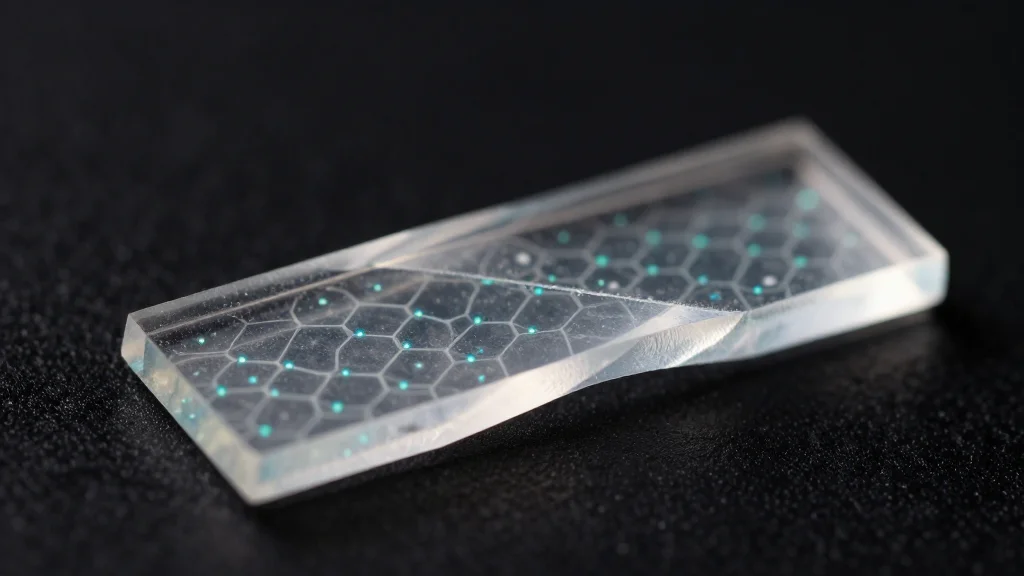
Super-Moiré Spin Textures in Twisted Two-Dimensional Antiferromagnets
Researchers used nitrogen‑vacancy scanning microscopy and atomistic Monte Carlo simulations to reveal super‑moiré antiferromagnetic (AFM) spin textures in twisted double‑bilayer CrI₃ with twist angles up to 2°. Unlike previous single‑moiré models, the magnetic domains extend over hundreds of nanometres, far larger...

Enzymatic Microbubble Robots
Enzymatic microbubble robots—tiny gas‑filled carriers powered by catalytic enzymes—are emerging as a versatile platform for precision drug delivery and real‑time imaging. Recent studies demonstrate urease‑driven bubbles that self‑propel, breach dense tumor stroma, and release therapeutics directly at bladder cancer sites,...

Nanosculpting Quantum Materials
Researchers at TU Wien have unveiled a refined focused ion milling method that can sculpt three‑dimensional chiral nanostructures directly from single‑crystal quantum materials. The technique achieves sub‑10 nm feature sizes while preserving the crystal lattice and intrinsic quantum properties. Results, published...
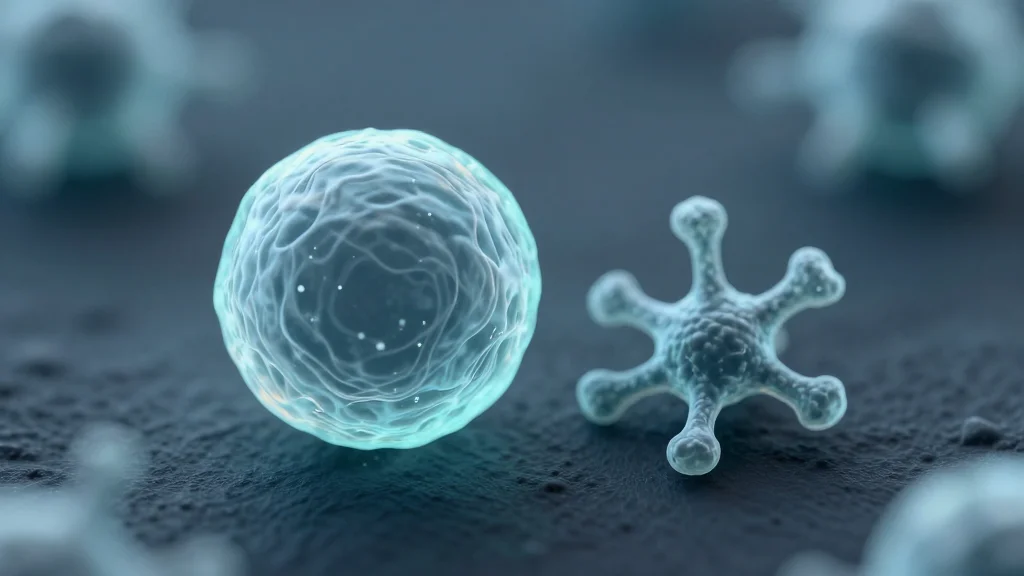
Biomimetic Vesicles Engineered From Modified Tumour Cells Act as Personalized Vaccines for Post-Surgical Cancer Immunotherapy
Researchers engineered tumor cells to overexpress STX11, converting them into dendritic‑cell‑like antigen‑presenting units. Membrane fragments from these cells were fused with PLGA nanoparticles carrying a TLR7 agonist, creating RP@SMs vesicles that act as personalized post‑surgical cancer vaccines. The platform demonstrated...

Switching Graphitic Polytypes in Elastically Coupled Cavities
Researchers have demonstrated reversible switching of graphene polytypes using elastically coupled optical cavities. By modulating cavity strain, the stacking order—Bernal, rhombohedral, and mixed configurations—can be toggled on demand, altering band structure and ferroelectric behavior. The technique leverages super‑lubric interlayer sliding...
A Unified Model for Light Emission From Solids
Recent research converges on a unified framework that describes light emission from solids across thermal, plasmonic, and quantum regimes. By extending Kirchhoff’s law to non‑equilibrium nanostructures and linking fluctuational electrodynamics with the Fermi‑golden‑rule approach, the model reconciles disparate emission mechanisms....

Revealing Hidden Pathways in Hybrid Plasmonic Nanostructures
Researchers led by Denis Karaiskaj used multidimensional electronic spectroscopy to uncover previously hidden energy transfer pathways in hybrid plasmonic nanostructures. The technique captured the rapid shift from coherent to incoherent excitations with femtosecond temporal resolution. Results demonstrate that these nanostructures...

Engineered Mucus-Tethering Bispecific Nanobodies Enhance Mucosal Immunity Against Respiratory Pathogens
Researchers engineered bispecific nanobodies that tether to airway mucus, creating a localized barrier against respiratory viruses. In mouse models, the mucus‑anchored nanobodies dramatically lowered H1N1 influenza titers in nasal passages, trachea and lungs. In a hamster cohousing experiment, a single...

Nanosculpted 3D Helices of a Magnetic Weyl Semimetal with Switchable Non-Reciprocal Electron Transport
Researchers at RIKEN have used focused ion beam sculpting to fabricate three‑dimensional helical nanostructures from the magnetic Weyl semimetal Co₃Sn₂S₂. The helices display switchable non‑reciprocal electron transport, with current‑induced magnetisation reversal approaching 100 %. Harmonic resistance measurements reveal a quadratic current...
Ultrafast Transition From Coherent to Incoherent Polariton Nonlinearities in a Hybrid 1L-WS2/Plasmon Structure
Researchers employed 10‑fs two‑dimensional electronic spectroscopy to probe a hybrid monolayer WS₂ on a silver nanoslit array. The exciton‑plasmon strong coupling produced a 20‑fold increase in optical nonlinearity relative to uncoupled WS₂. Coherent Rabi oscillations with a ~64 fs period were...

Nanoscience at the Centre of Optical Computing
Optical computing is gaining traction as a low‑energy alternative for AI‑driven workloads, leveraging nanophotonic structures to perform high‑bandwidth linear operations. Advances in photonic crystals, plasmonics, quantum‑dot lasers, and metasurfaces are shrinking key functions to the nanoscale, enabling on‑chip integration. However,...

Light Could Lower AI’s Appetite for Power
Optical computing is emerging as a low‑power alternative for artificial intelligence by using photons instead of electrons. Recent breakthroughs in metasurfaces, plasmonics, and thin‑film lithium niobate have enabled photonic circuits that can be co‑integrated with CMOS chips. These hybrid photonic‑CMOS...

Nanoparticle-Mediated Targeting Chimeras Transform Targeted Protein Degradation
Recent studies demonstrate that ligand‑installed nanoparticles can act as targeting chimeras, directing both membrane‑bound and intracellular proteins to degradation pathways. Liu et al. (2025) showed broad membrane protein degradation across diverse nanoparticle platforms, while Huang et al. (2024) revealed that positively charged...
Spatiotemporal Targeting of Messenger RNA Lipid Nanoparticles to the Endometrium for the Treatment of Reproductive Disorders
Researchers engineered lipid nanoparticles (LNPs) functionalized with an RGD peptide directly attached to the lipid tail, enabling precise mRNA delivery to the uterine endometrium during the window of implantation. In mouse models, the RGD‑LNPs achieved a 3,900‑fold increase in uterine...

Resolving DNA Origami Structural Integrity and Pharmacokinetics in Vivo
The study introduces PLASTIQ, a proximity‑ligation assay that quantifies intact DNA origami structures in vivo with single‑helix resolution. Using ligatable staple pairs, the method detects intact nanostructures from as little as 1 µl of blood, achieving a 0.01 fM detection limit. PLASTIQ...
Excitonic Negative Refraction Mediated by Magnetic Orders
A new study demonstrates that excitons in the van der Waals magnet CrSBr can exhibit negative refraction when coupled to magnetic order, creating a tunable exciton‑polariton beam steering effect. The authors report an ultra‑low‑loss regime where the refractive index becomes negative for...

Superionic Composite Electrolytes with Continuously Perpendicular-Aligned Pathways for Pressure-Less All-Solid-State Lithium Batteries
The study presents a biomimetic composite electrolyte that couples perpendicularly aligned 2D LiMPS nanosheets with polyethylene oxide, forming continuous superionic conduction pathways (CSCPs). This architecture achieves 10.2 mS cm⁻¹ ionic conductivity at 25 °C for the LiCdPS variant and 6.1 mS cm⁻¹ for LiMnPS, while...
Lesion-Targeted, Severity-Responsive Nanoparticle Delivery for RNA Therapy in Osteoarthritis
Researchers introduced Matrix‑Inverse Targeting (MINT) nanoparticles that exploit cartilage matrix changes to deliver RNA therapeutics directly to osteoarthritic lesions. The particles sense lesion severity, releasing siRNA or mRNA only in damaged zones, which in animal models halted cartilage degeneration and...