
Scaling Nanoribbon Transistors with Monolayer Transition Metal Dichalcogenides
Researchers at Stanford and collaborators have demonstrated monolayer transition‑metal dichalcogenide (TMD) nanoribbon transistors with channel widths as narrow as 25 nm. By anchoring source‑drain contacts to the substrate and using a low‑dose litho‑etch‑litho‑etch (LELE) multipatterning scheme, they achieved high current densities—up to 620 µA µm⁻¹ for MoS₂ and 460 µA µm⁻¹ for WS₂—while maintaining on/off ratios above 10⁹. The devices operate with both SiO₂ and high‑κ HfO₂ dielectrics, showing complementary n‑ and p‑type behavior. Structural analysis confirms minimal edge disorder, indicating the approach is viable for future gate‑all‑around nanosheet transistors.

2D Transistor Goes Narrower
Researchers have demonstrated high‑performance two‑dimensional (2D) nanoribbon transistors with channel widths scaled below 100 nm using a litho‑etch‑litho‑etch (LELE) fabrication flow. The MoS₂ nanoribbons retain carrier mobility comparable to wider devices, indicating that aggressive width reduction does not compromise electrical performance....
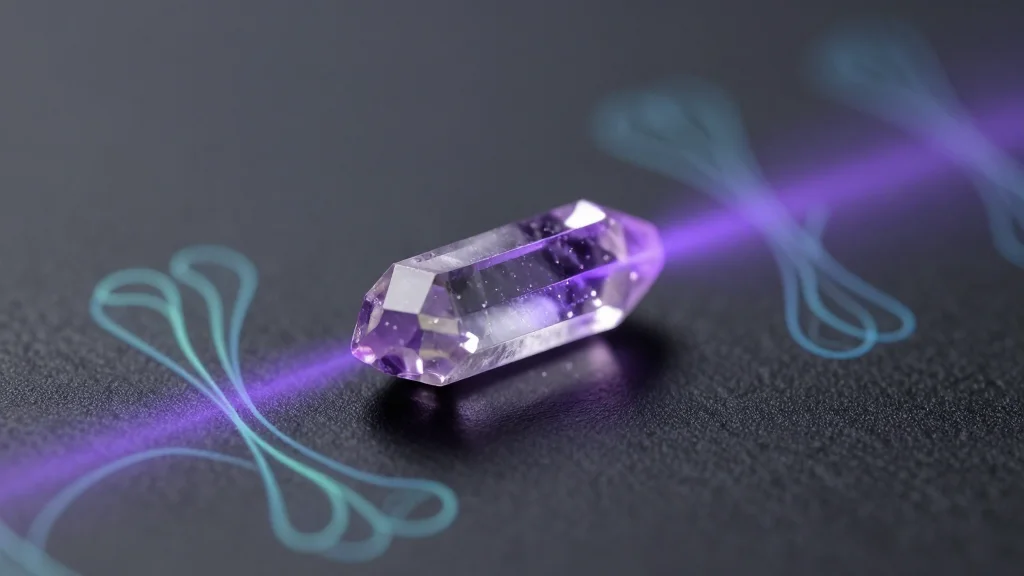
Reconstruction of Magnon Eigenfunctions by X-Ray Magnetic Vector Chronoscopy
A team of physicists has demonstrated the first full reconstruction of magnon eigenfunctions using X‑ray magnetic vector chronoscopy, a time‑resolved, element‑specific imaging method. By synchronizing femtosecond X‑ray pulses with microwave excitation, they captured three‑dimensional magnetization dynamics at sub‑nanometer resolution. The...
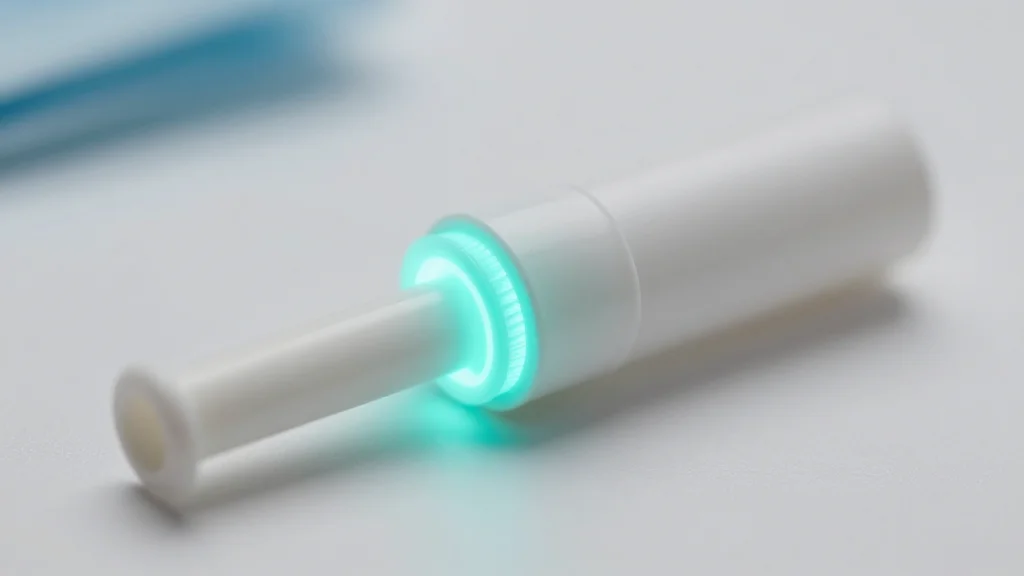
Chemical Efflux Imaging Using an Annular Nanosensor Array for in Situ Bladder Cancer Detection
Researchers at MIT and Harvard have created an annular nanosensor array that mounts on a standard urinary catheter, enabling three‑dimensional chemical efflux imaging inside the bladder. The device integrates near‑infrared fluorescent single‑walled carbon nanotubes functionalized to detect the bladder‑cancer biomarker...
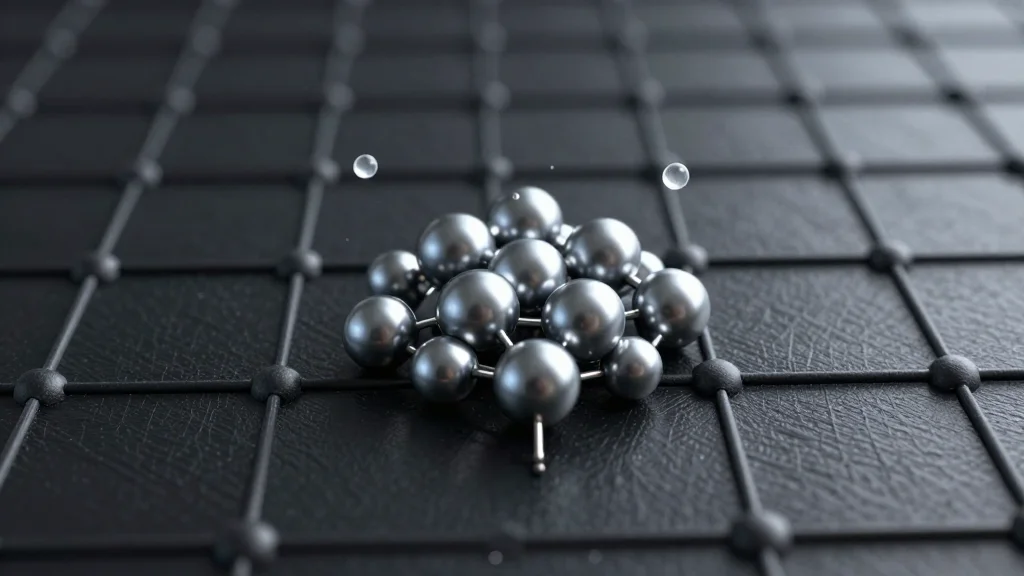
Room-Temperature Hydrogen Storage of Boron Nanoclusters
A team of Chinese and Australian researchers demonstrated that boron nanoclusters can store hydrogen at room temperature, achieving reversible uptake without the extreme pressures or temperatures typical of conventional hydrides. Molecular dynamics and COHP analyses revealed that Ni‑decorated clusters promote...

Moving Past Size in Nanoplastics Research
Nanoplastics research is shifting from a size‑centric view to a chemistry‑led framework that emphasizes molecular‑level metrics for detection, classification, and risk assessment. The article notes that nanoplastics encompass a spectrum of low‑molecular‑weight oligomers, additives, and fragmented polymers, each with distinct...
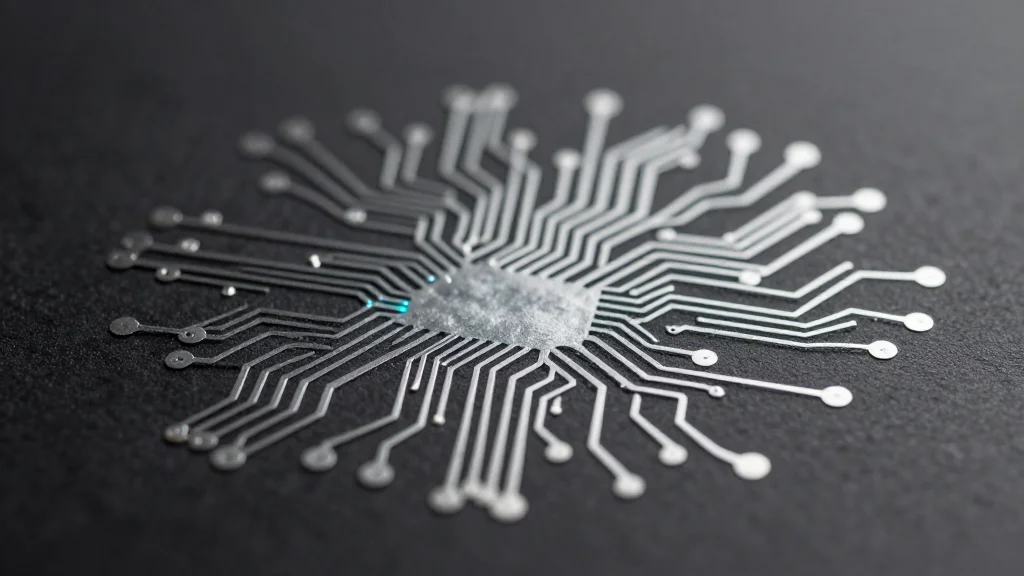
Printed Devices Turn Neuromorphic
Researchers at USC have demonstrated artificial neurons built from printed molybdenum disulfide (MoS₂) nanosheet networks. The printed devices exhibit multi‑order spiking dynamics that replicate the timing of biological neurons, operating on millisecond‑scale intervals relevant to human brain activity. This neuromorphic...
Glycan Atlassing Enables Functional Tracing of Cell State
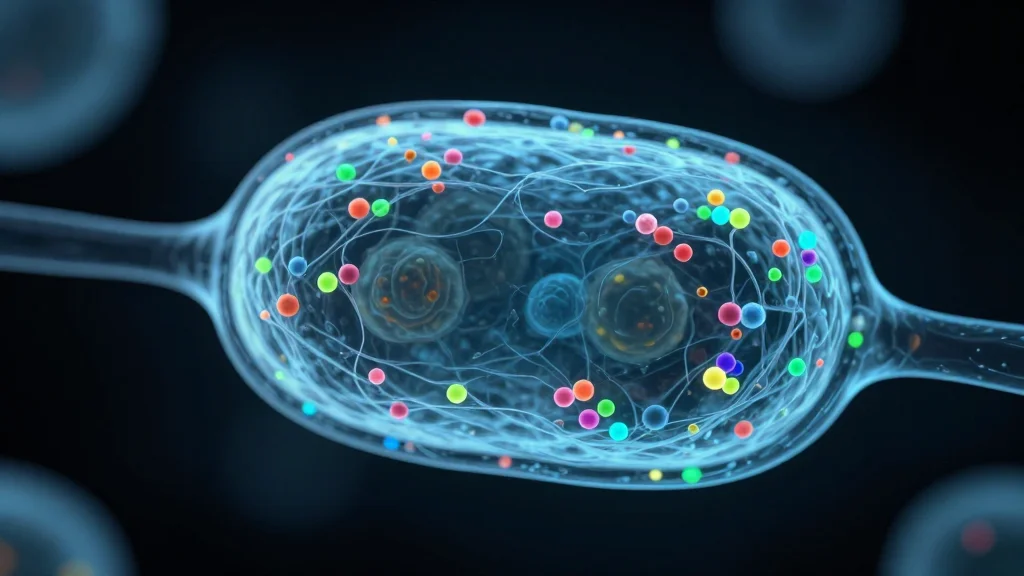
Researchers introduced "glycan atlassing," a multiplexed DNA‑PAINT technique that quantitatively maps the nanoscale organization of cell‑surface glycans. By labeling distinct glycan species with DNA‑barcoded lectins and metabolic azido sugars, the method generates super‑resolved atlases of the glycocalyx across cultured lines,...
A Nonlinear Route to Altermagnetism
Researchers Jian Tang and Qiong Ma report that ruthenium dioxide (RuO₂) thin films display distinctive nonlinear electrical responses that uncover the quantum geometric properties of the material and provide direct signatures of altermagnetism. By measuring second‑order Hall and rectification effects,...
Tuning Interfacial Polarity for Stable High-Potential Lithium Metal Batteries
A new study in Nature Nanotechnology demonstrates that dipolar self‑assembled monolayers (SAMs) can be engineered to control interfacial polarity on the positive electrode of lithium‑metal batteries. By fine‑tuning the SAM’s electronic structure, the electric‑double‑layer environment is optimized, suppressing electrolyte oxidation...
Self-Adhesive High-Entropy Oxide Sub-Nanowire Monolithic Electrocatalysts
Researchers at Tsinghua University have unveiled a self‑adhesive high‑entropy oxide (HEO) catalyst composed of 14 metal elements arranged into ~1.2 nm sub‑nanowires. The binder‑free monolithic structure adheres directly to conductive substrates, delivering overpotentials as low as 129 mV in 1 M KOH and...
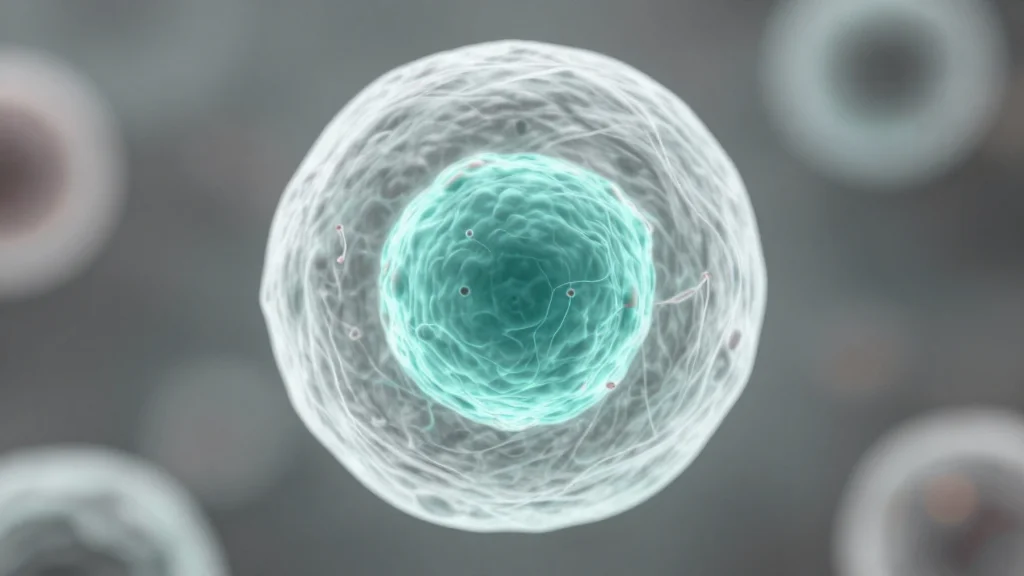
Programmable Artificial RNA Condensates in Mammalian Cells
Researchers at UCLA engineered single‑stranded RNA nanostars that self‑assemble into programmable condensates inside mammalian cells. By varying arm length, valency and kissing‑loop affinity, they controlled whether condensates formed in the nucleus or cytoplasm and could recruit proteins, small molecules, or...
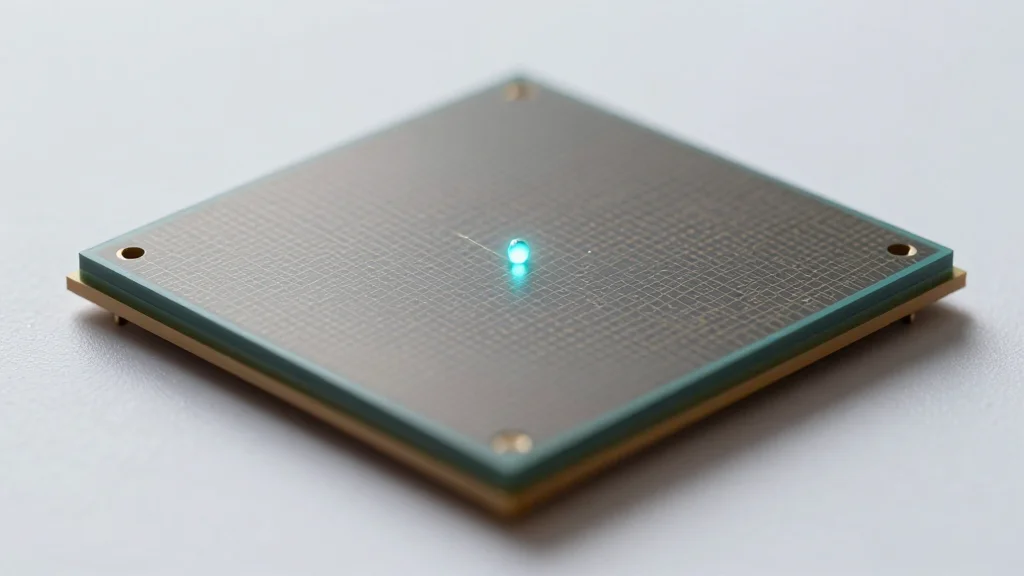
Silencing Noise in Telecom Quantum Emitters
Researchers Holewa and Syperek report a waveguide‑integrated quantum dot embedded in a photonic‑crystal membrane that emits highly coherent single photons at the telecom wavelength of 1550 nm. By using resonant excitation, they suppress charge‑noise‑induced decoherence, achieving photon indistinguishability above 95 % and...
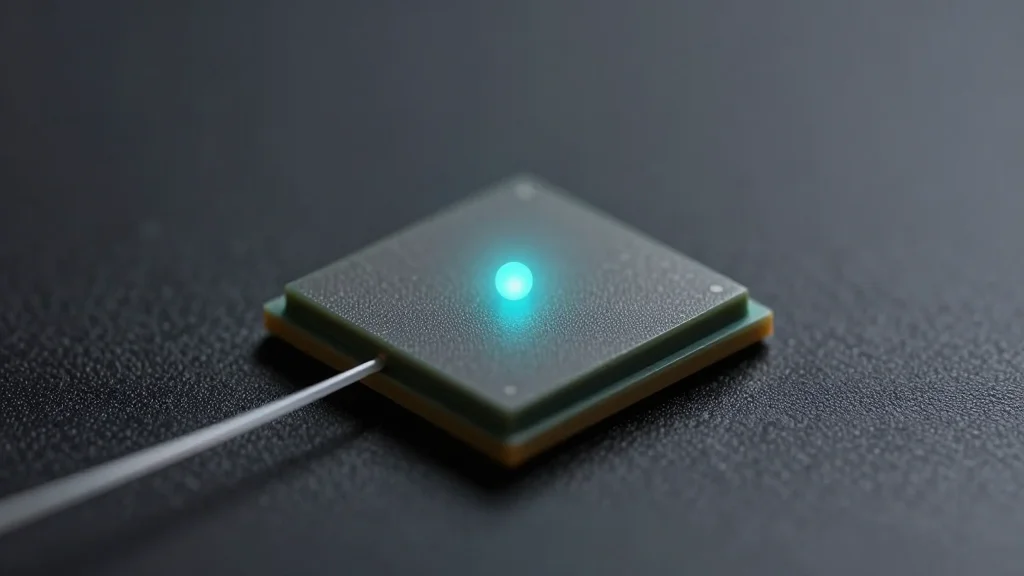
A Quantum-Coherent Photon–Emitter Interface in the Original Telecom Band
Researchers have built a quantum‑coherent interface that directly couples single photons to a solid‑state emitter operating in the original telecom O‑band (~1310 nm). The device integrates a self‑assembled InAs quantum dot into a nanophotonic waveguide, achieving more than 90 % photon indistinguishability...
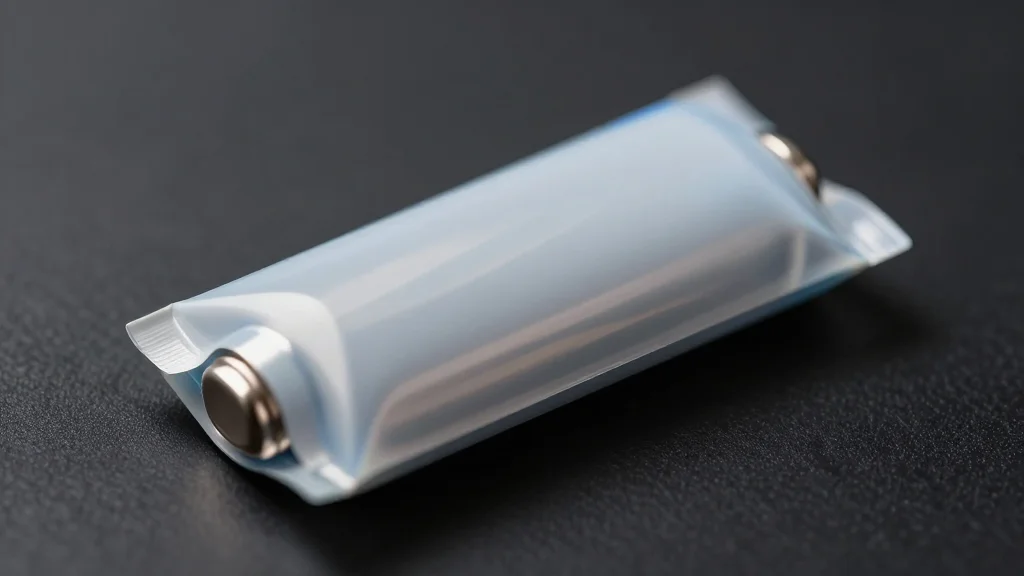
Interfacial Polarity Modulation of Positive Electrode Active Materials for High-Potential Lithium Metal Batteries
Researchers have introduced a polarity‑modulation strategy for positive‑electrode active materials that stabilizes high‑potential lithium‑metal batteries. By applying tailored self‑assembled monolayers and fluorinated surface treatments, the cathode interphase becomes LiF‑rich, suppressing electrolyte oxidation above 4.5 V. The approach delivered a 4.6 V Li||LiCoO₂...