
How Melting Ice Sheets Are Adding More Time to Your Day
Human‑driven climate change is speeding up Earth’s rotational slowdown, lengthening the day at a rate not seen in the past 3.6 million years. A new study using deep‑learning on fossil and coral data shows the Length of Day is increasing by about 1.33 milliseconds per century. Melting ice sheets redistribute mass toward the equator, making the planet more oblate and further decelerating its spin. The findings, published in the Journal of Geophysical Research: Solid Earth, highlight a subtle but unprecedented shift in planetary dynamics.

Extragalactic Archaeology Tells the 'Life Story' Of a Whole Galaxy
Astronomers have introduced "extragalactic archaeology," an AI‑driven technique that reads chemical fingerprints—especially oxygen gradients—to reconstruct a galaxy's full evolutionary timeline from a single observation. Using 20,000 simulated scenarios, the team matched real‑world data from spiral galaxy NGC 1365 and traced its...
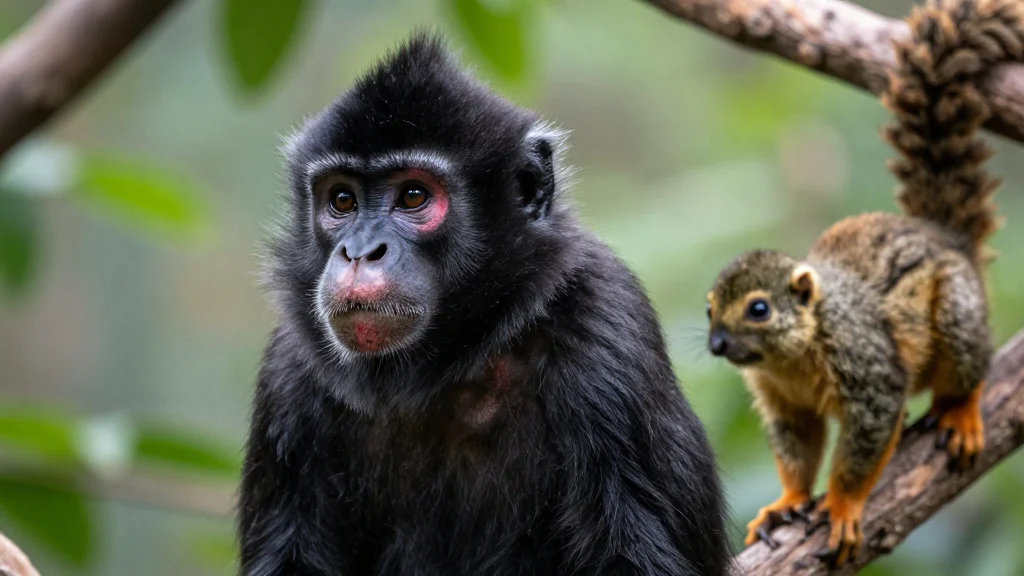
A Monkey Ate the Wrong Squirrel – and Started an Outbreak
In January 2023, a group of captive sooty mangabey monkeys in Germany experienced a rapid mpox outbreak after one infant died with skin lesions. Researchers later traced the virus to a dead fire‑footed rope squirrel found weeks earlier in Ivory...
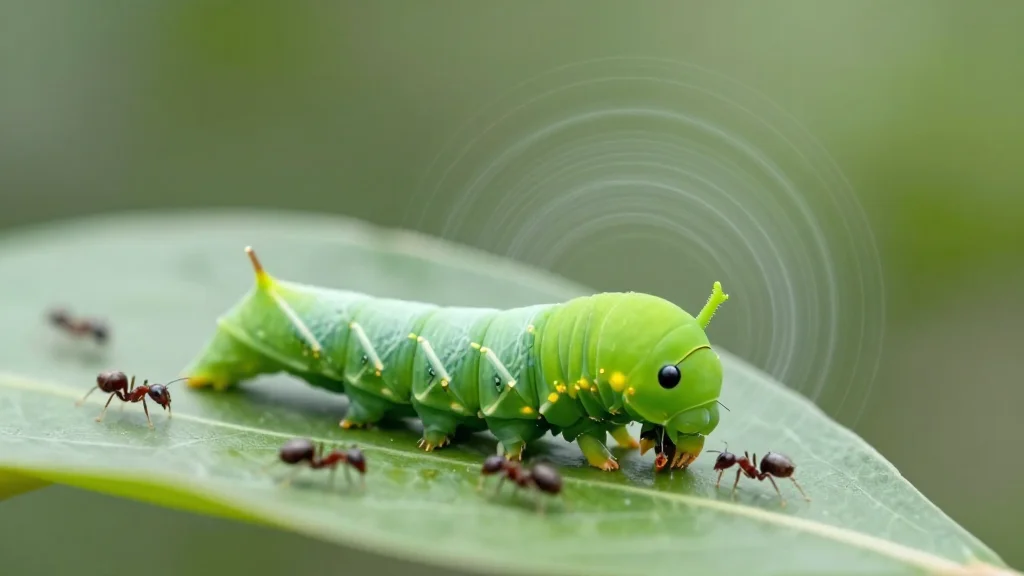
Cheeky Caterpillars Trick Ants Into Treating Them as Queens
Researchers have shown that certain butterfly caterpillars can fool ant colonies by mimicking both the queen ant’s chemical scent and her precise vibrational rhythm. The study recorded vibro‑acoustic signals from nine butterfly species and found that only highly myrmecophilous caterpillars...

A Strange New Eye Cell Is Rewriting How Vision Works
University of Queensland researchers identified a new hybrid photoreceptor in larval deep‑sea fish that looks like a rod but runs cone‑specific genetic programs, overturning the century‑old rod‑cone dichotomy. The rod‑shaped, cone‑expressing cells dominate early retinal development in three species and...
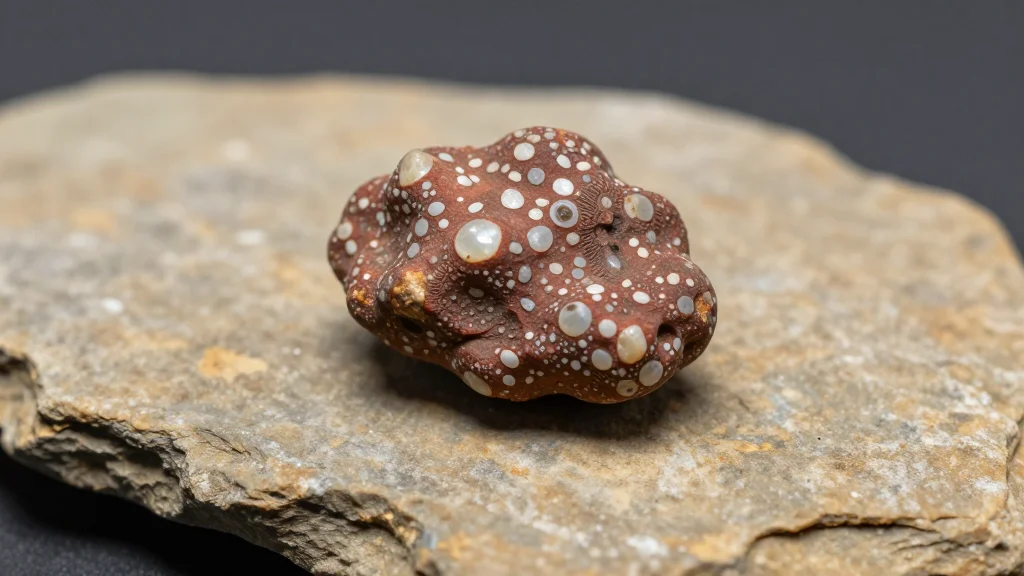
Earliest Known Vomit: This Ancient Predator Clearly Wasn't Picky
Paleontologists identified a 290‑million‑year‑old fossilized vomit (regurgitalite) from the early Permian Bromacker site in Germany. The 2‑inch clump, designated MNG 17001, contains 41 tiny bones from at least three prey species, including the reptile Thuringothyris mahlendorffae, the bipedal Eudibamus cursoris, and...
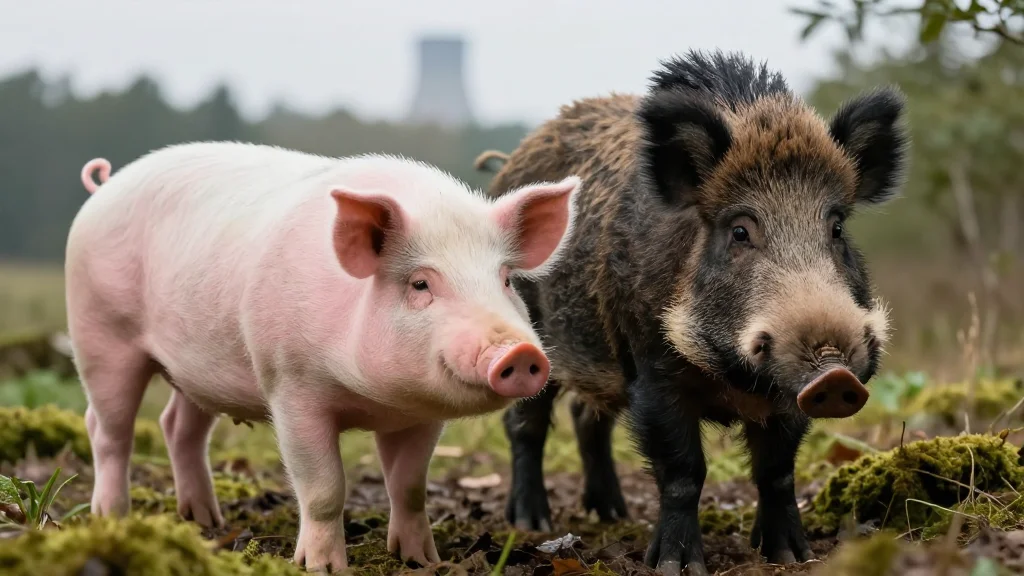
Pig-Boar Hybrids in Fukushima Evacuation Zone Rewrite Wild Genomes
After the 2011 Fukushima disaster, escaped domestic pigs interbred with wild boar, creating a large‑scale hybrid population in the evacuation zone. A new study in the Journal of Forest Research shows that maternal pig lineages, identified by mitochondrial DNA, trigger...

Researchers Gene-Edit the Bitterness Out of Grapefruit
Researchers at Israel's Volcani Center used CRISPR/Cas9 to inactivate the 1,2RhaT gene in Citrus paradisi, effectively halting production of bitter compounds such as naringin, neohesperidin, and poncirin in leaf tissue. The gene edit eliminates the bitter taste pathway, and the...
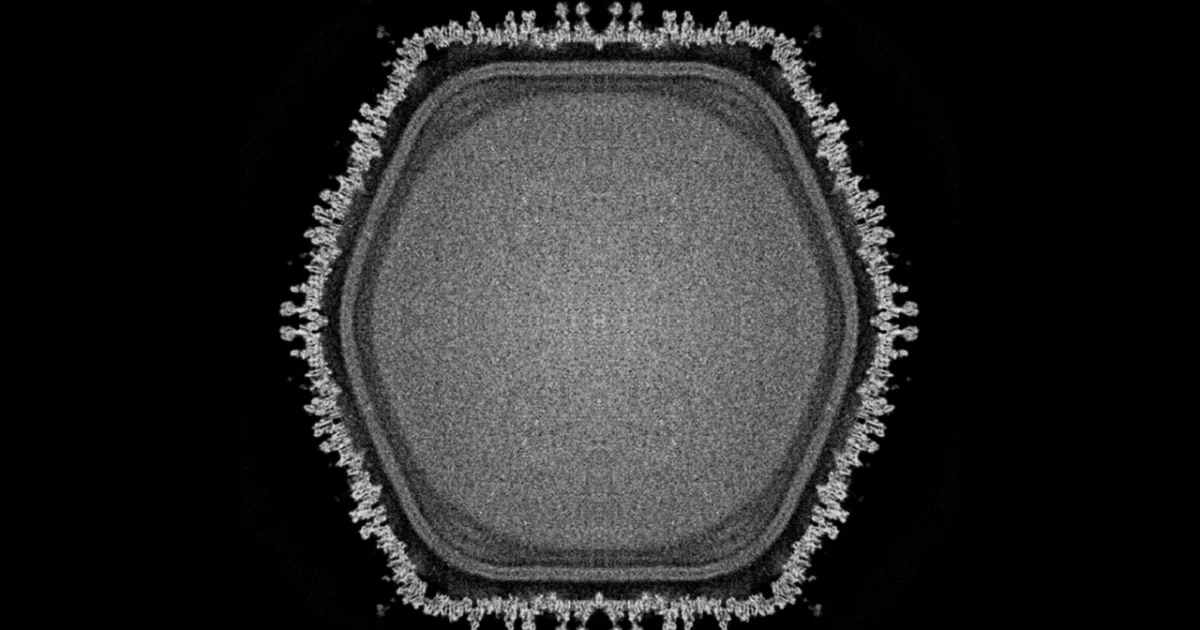
Newfound Giant Virus Holds Clues to How Complex Life Evolved
Researchers have identified a new giant DNA virus, ushikuvirus, isolated from a freshwater pond near Tokyo. The virus infects the amoeba Vermamoeba vermiformis and carries a full complement of eukaryote‑like histone genes. Unlike its relative medusavirus, ushikuvirus destroys the host...