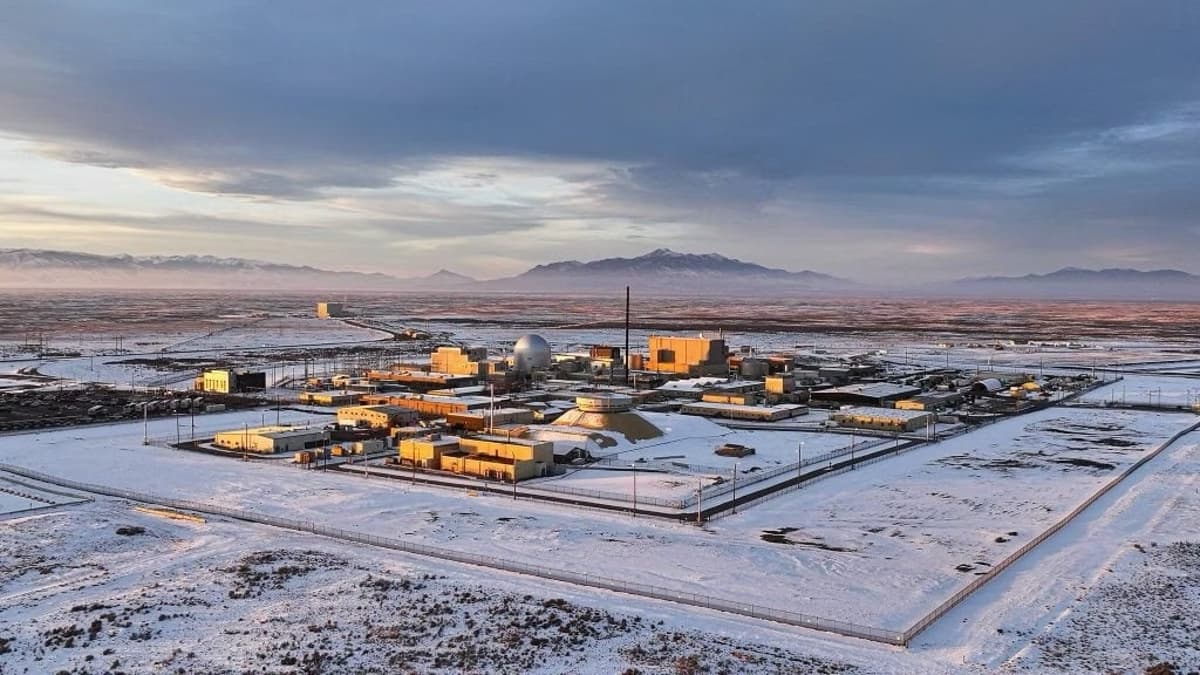
From Pilot to Launch: DOE Names First Four Nuclear Energy Launch Pad Developers
The U.S. Department of Energy announced the first four developers selected for its new Nuclear Energy Launch Pad, a program that expands federal support across the entire nuclear technology stack. Deployable Energy, General Matter, NuCube Energy (with Idaho State University) and Radiant Nuclear were chosen from the pool of Reactor Pilot and Fuel Line Pilot applicants. The Launch Pad provides two pathways—Launch Pad INL on 2,000 acres at Idaho National Laboratory and Launch Pad USA for sites nationwide—offering technical, regulatory and deployment assistance without direct DOE funding. The selections set the stage for advanced micro‑reactor demonstrations and domestic HALEU enrichment by mid‑2026.

Fusion Energy Group Seeks PJM Connection for First Commercial Power Plant
Commonwealth Fusion Systems (CFS) became the first fusion developer to apply for interconnection with PJM Interconnection, the nation’s largest wholesale electricity market. The company plans to connect its 400‑MW Fall Line Fusion Power Station in Chesterfield County, Virginia, to the...

NRC Unveils Part 57: A Streamlined Path for High-Volume Microreactor Licensing
The U.S. Nuclear Regulatory Commission has proposed Part 57, a new licensing framework that streamlines approval for high‑volume microreactors. The rule could shrink construction‑permit and operating‑license timelines to six months‑one year and generate $3.8‑$11.8 billion in industry savings. It introduces fleet‑licensing, limited...

The POWER Interview: Solving the Problem of Fuel for Nuclear Reactors
Molten Salt Solutions, a New Mexico startup led by Dr. John Elling, is developing a continuous solvent‑exchange process to produce isotopically enriched lithium‑6 at industrial scale. The technology promises 100‑fold cost and capital efficiency improvements over legacy methods, and the...
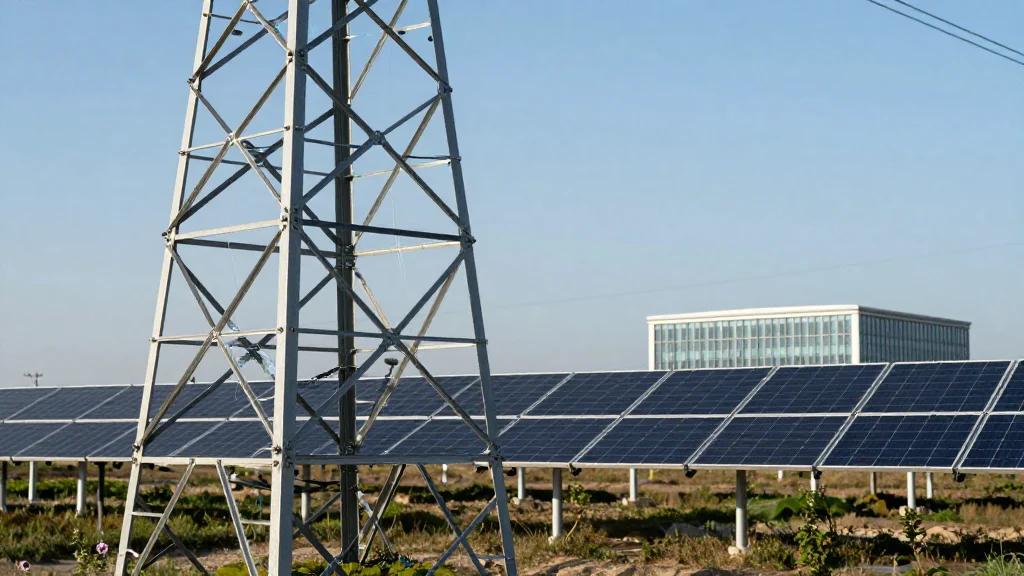
Rethinking Utility Incentives and Business Models in the Age of Distributed Energy
The piece argues that traditional utility incentives—rewarding capital‑intensive infrastructure—are misaligned with soaring electricity demand driven by electrification, AI data centers, and the rise of distributed energy resources (DERs). This misalignment forces ratepayers, especially low‑income households, into higher bills while utilities...

After the L.A. Wildfires: Why Vegetation Management Can’t Afford to Stay on a Fixed Cycle
The January 2025 Los Angeles wildfires, which caused up to $275 billion in damages, exposed the shortcomings of traditional, fixed‑cycle vegetation management. Although utilities collectively spend about $7 billion annually on trimming and clearing, fragmented systems prevent them from responding to rapid climate‑driven fuel...
Fusion Energy: The $50/MWh Target
Fusion energy is racing toward a $50 per megawatt‑hour cost target that would make it competitive with solar and combined‑cycle gas. Private capital has exceeded $10 billion and governments are accelerating programs, but the economic hurdle is tighter than the scientific...
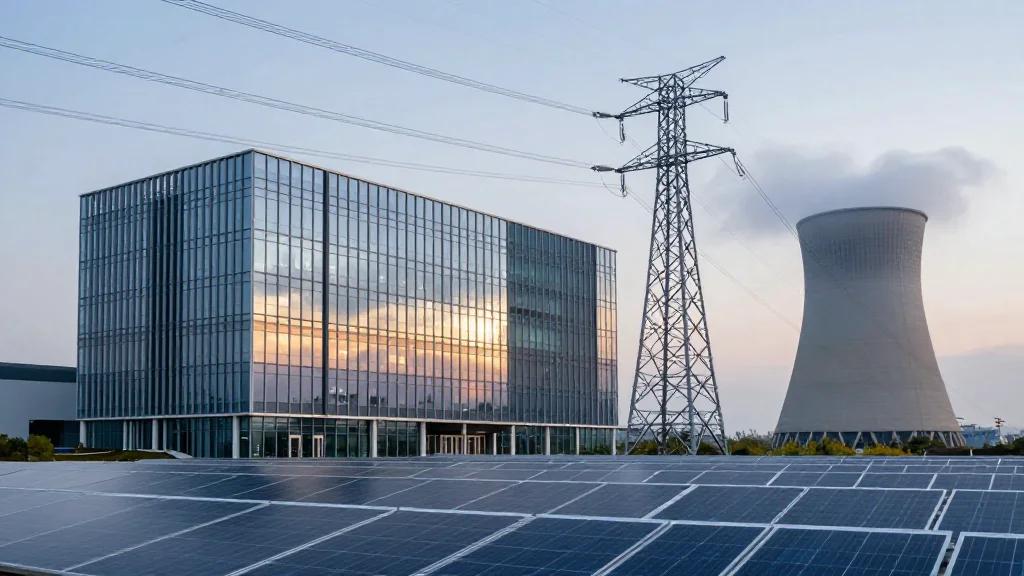
How Corporate Energy Buyers Are Reshaping the U.S. Grid: CEBA CEO Rich Powell on Data Centers, Nuclear, and Permitting Reform
Corporate energy buyers, organized through the Corporate Energy Buyers Association (CEBA), have locked in 143.8 GW of clean‑energy contracts since 2014—roughly the capacity of the Texas grid. The surge is powered primarily by data‑center and AI demand, which helped drive a...
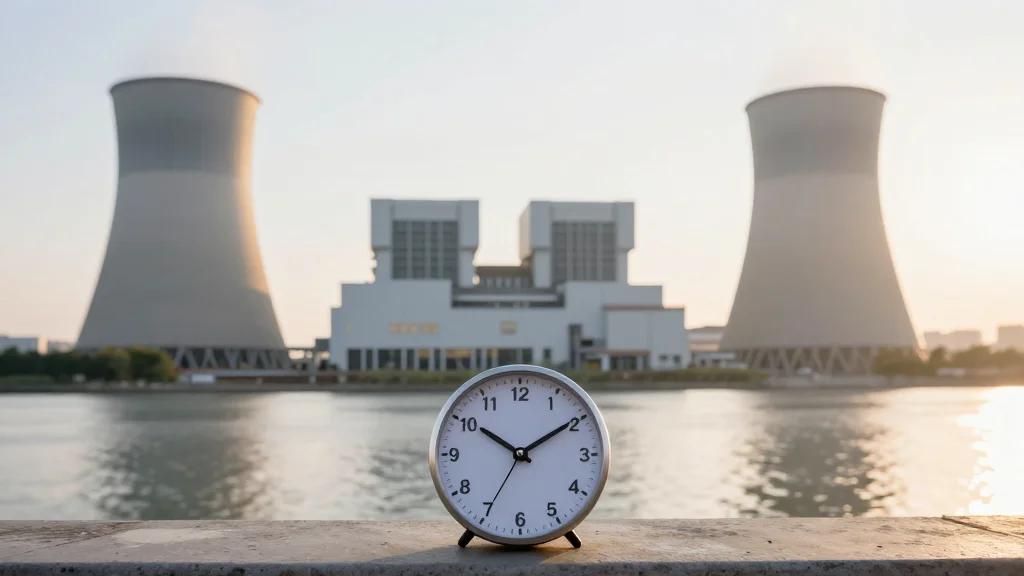
Duke Energy’s Robinson Nuclear Plant Gets NRC Approval to Operate Until 2050
The Nuclear Regulatory Commission approved a subsequent license renewal for Duke Energy’s Robinson Nuclear Plant, extending its operating life to 2050. The 759 MW facility, which powers roughly 570,000 homes, will continue providing carbon‑free electricity for another 20 years. The renewal...

Rethinking Load Growth: New Partnerships Between Power Developers and Midstream Natural Gas Companies
The article highlights a six‑fold surge in U.S. peak‑load forecasts, driven by data‑center expansion and industrial electrification, and proposes capturing waste energy from natural‑gas pipelines using turbo‑expander generators. Over 3,500 pressure‑regulating facilities could be retrofitted with modular, low‑cost pressure‑to‑power systems,...

Air Force ANPI Picks Put Radiant, Antares, Westinghouse on Track for First On‑Base Microreactors by 2028
The Air Force’s Advanced Nuclear Power for Installations (ANPI) program has named Radiant Industries, Antares Nuclear and Westinghouse Government Services to build contractor‑owned microreactors at Buckley Space Force Base, Malmstrom Air Force Base and Joint Base San Antonio, with initial...

Cuba’s First Biomethane Plant: Renewable Fuel for Buses and Electricity
Cuba’s state oil firm Cupet announced that its first biomethane plant in Martí, Matanzas, is entering final assembly and production. Funded by the European Union through UNDP, the modular facility will purify 150 cubic meters of raw biogas per hour into...

Death Toll From Boiler Explosion at Vedanta’s India Coal Power Plant Rises to 24, Triggers Probes
A boiler explosion at Vedanta Ltd.'s Chhattisgarh Thermal Power Plant on April 14 killed 24 workers and left dozens with severe burns. The blast occurred in Unit 1 when a high‑pressure steam tube ruptured after a rapid load ramp‑up amid furnace over‑pressure....
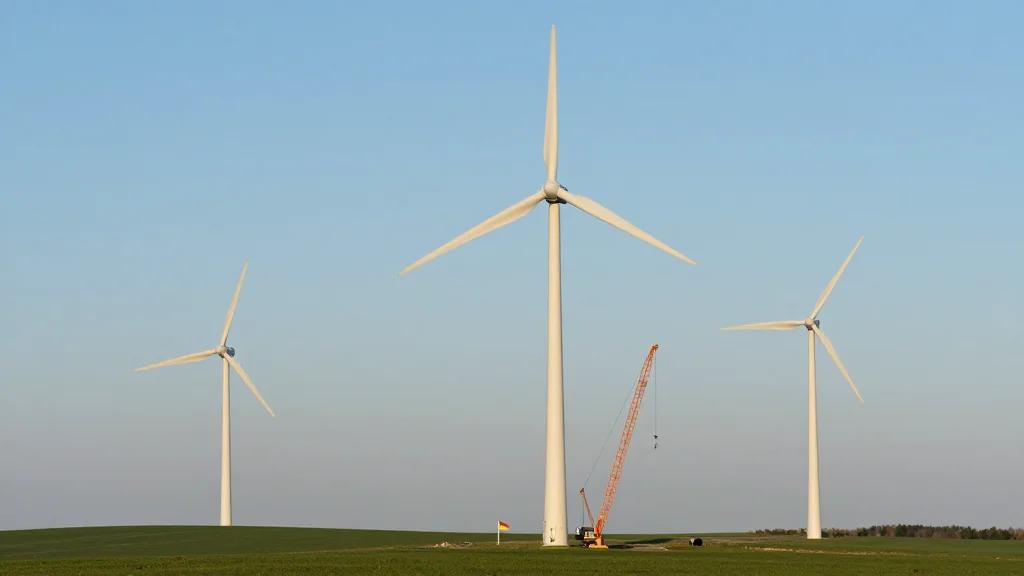
DTEK Will Build $1.4-Billion, 650-MW Wind Farm in Ukraine
Ukrainian energy giant DTEK announced a €1.2 billion ($1.4 billion) investment to build the 650‑MW Poltavska on‑shore wind farm, slated to host up to 100 turbines in central Ukraine. The project, one of Europe’s largest private wind installations, follows DTEK’s wartime spending...

The Blueprint for Meeting the Power Needs of AI
AI‑driven data centers are poised to consume power at scales far beyond traditional workloads, exposing the aging U.S. grid that was largely built between the 1950s and 1970s. Industry leaders argue that the solution lies in a three‑point blueprint—building, investing,...