
Tea Can Improve Your Health and Longevity, but the Way You Drink It Matters
A comprehensive review confirms that tea—especially green tea—offers measurable protection against cardiovascular disease, obesity, diabetes, and certain cancers, largely due to its catechin‑rich polyphenols. The analysis also highlights neuroprotective benefits, reduced muscle loss in seniors, and anti‑inflammatory properties. However, processed beverages such as bottled and bubble teas often contain added sugars, artificial sweeteners, preservatives, and trace contaminants that can offset these advantages. The authors call for more comparative research across tea varieties and deeper scrutiny of additives to refine health guidance.
The Supplements Older Adults Actually Need and the Ones They Don't
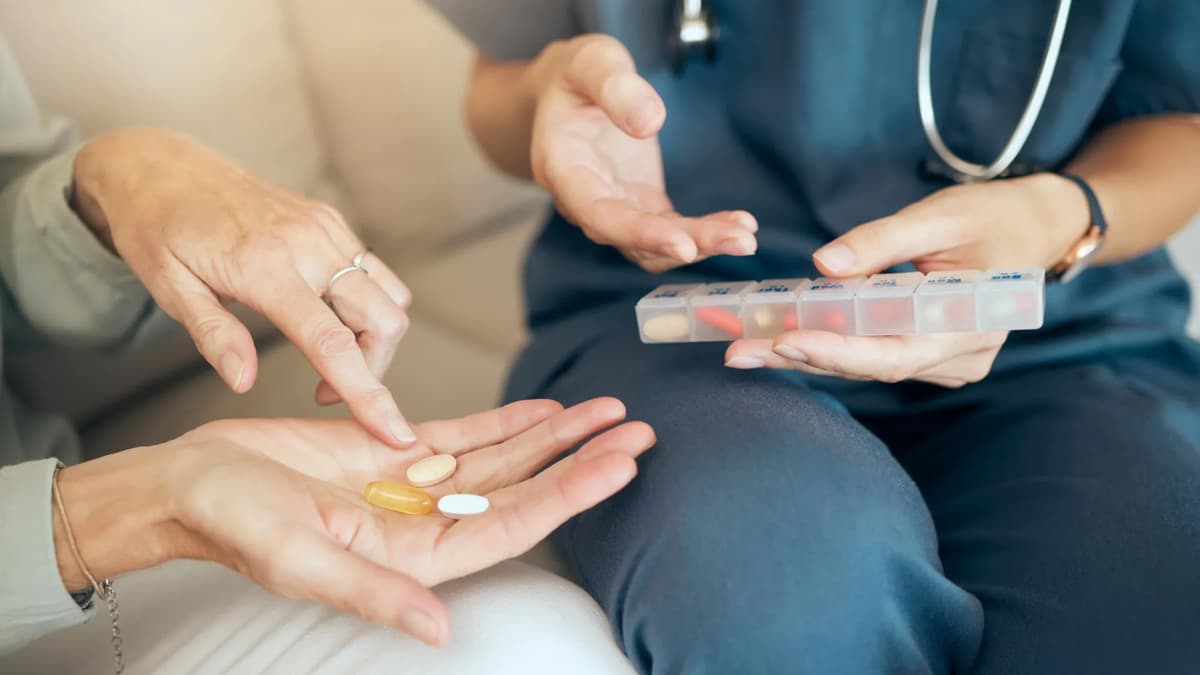
Use of dietary supplements has surged, but benefits depend on actual deficiencies, especially in older adults. Age‑related factors such as reduced appetite, medication interactions, and malabsorption increase risk of shortfalls in vitamin B12, D, folate, calcium, magnesium, and protein. Targeted...
Scientists Discover Why Ozempic May Not Work for some People
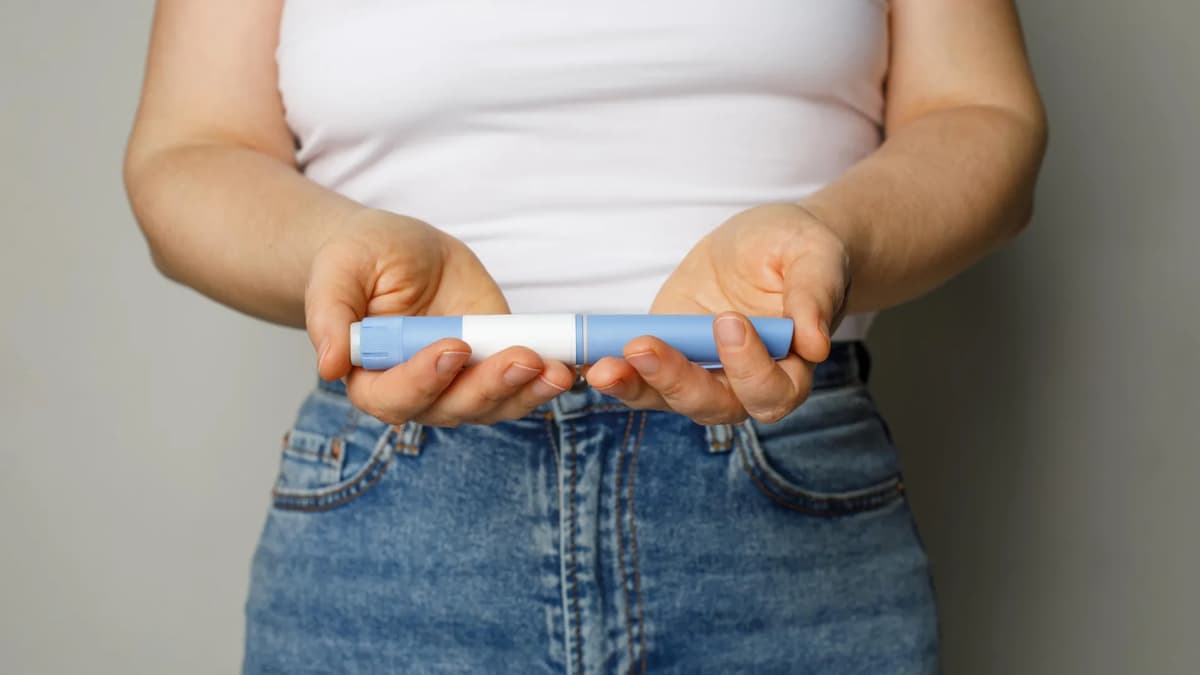
A decade‑long study led by Stanford Medicine identified genetic variants in the PAM enzyme that cause GLP‑1 resistance in about 10% of people with type 2 diabetes. Carriers of these variants have higher circulating GLP‑1 but a blunted glucose‑lowering response to...
Popular GLP-1 Weight-Loss Drugs Linked to Lower Risks of Addiction and Overdose
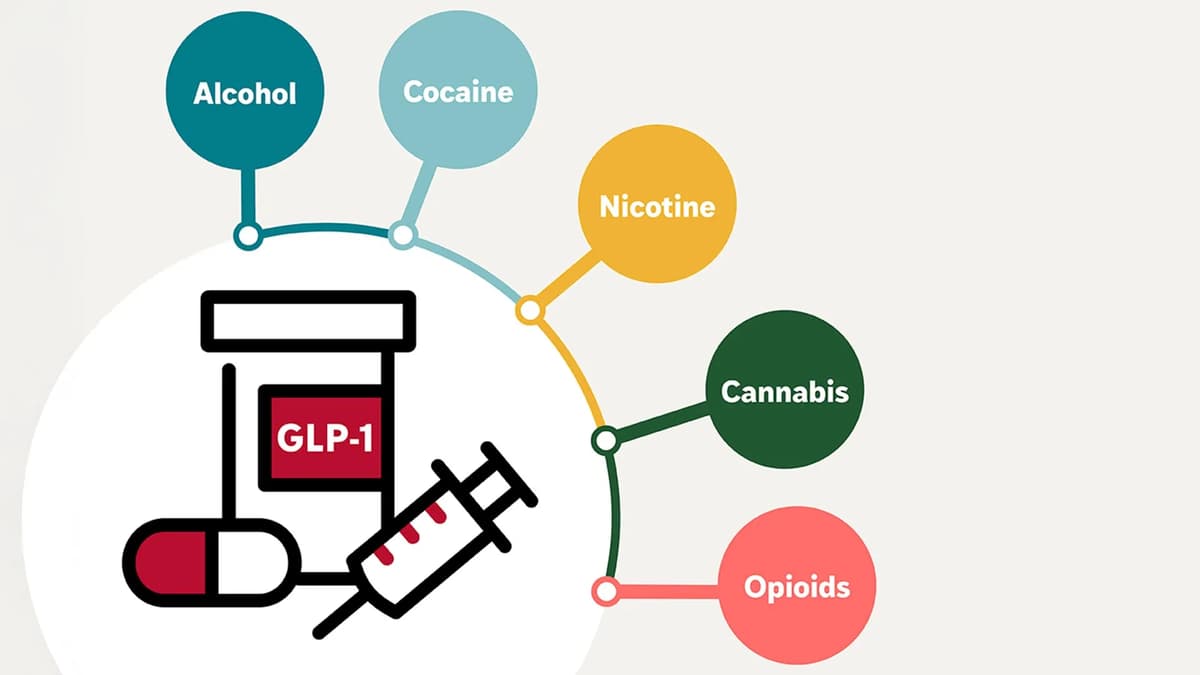
A large VA study of 606,434 U.S. veterans found that GLP‑1 receptor agonists, originally used for type 2 diabetes and weight loss, lowered the risk of developing any substance‑use disorder by 14% and reduced addiction‑related emergencies among patients with existing disorders....

This New Diabetes Pill Burns Fat without the Downsides of Ozempic
Researchers at Karolinska Institutet and Stockholm University have unveiled an oral β₂‑agonist that boosts skeletal‑muscle metabolism, lowering blood glucose and promoting fat loss without the appetite suppression typical of GLP‑1 drugs like Ozempic. Early Phase I data from 48 healthy volunteers...
This Common Amino Acid Helped Mice Survive Deadly Inflammation
Researchers at the Salk Institute discovered that dietary supplementation with the essential amino acid methionine dramatically improves survival in mice infected with Yersinia pseudotuberculosis. Methionine enhances kidney filtration, lowers circulating pro‑inflammatory cytokines, and prevents wasting, blood‑brain barrier damage, and death...

Intermittent Fasting Triggers Surprising Changes in the Brain
A 2023 Chinese study of 25 adults with obesity found that a 62‑day intermittent energy‑restriction (IER) protocol led to an average loss of 7.6 kg (7.8% of body weight). The regimen, which cut daily calories to 500‑600 kcal, not only improved blood...

New Drug Could Finally Stop Deadly Fatty Liver Disease
Researchers at UC San Diego reported that ION224, an antisense drug that blocks the liver enzyme DGAT2, markedly improved liver health in patients with metabolic dysfunction‑associated steatohepatitis (MASH). In a Phase IIb trial of 160 U.S. adults, the highest dose led...
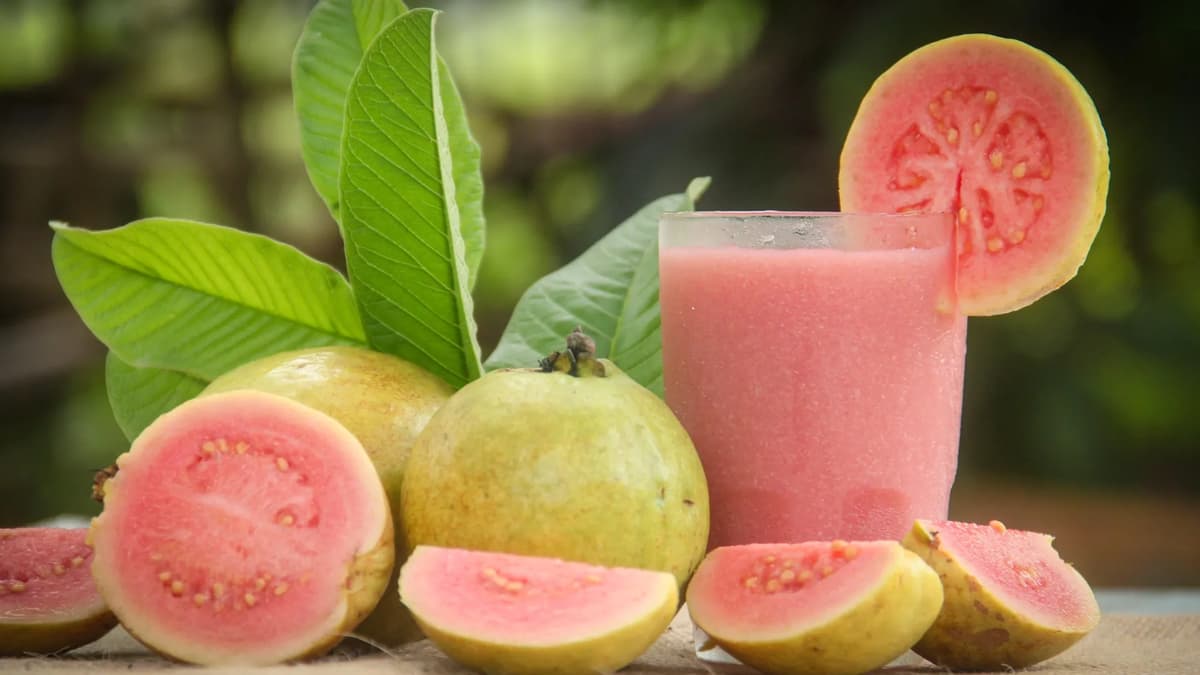
Scientists Say Guava Juice Could Make Iron Supplements Work Better
A new BMJ Nutrition review of 17 Indonesian studies found that adding guava juice to iron supplements raised hemoglobin by an average of 1.71 g/dL, and outperformed iron‑only regimens by 1.29 g/dL. The effect was observed in both pregnant women and teenage...
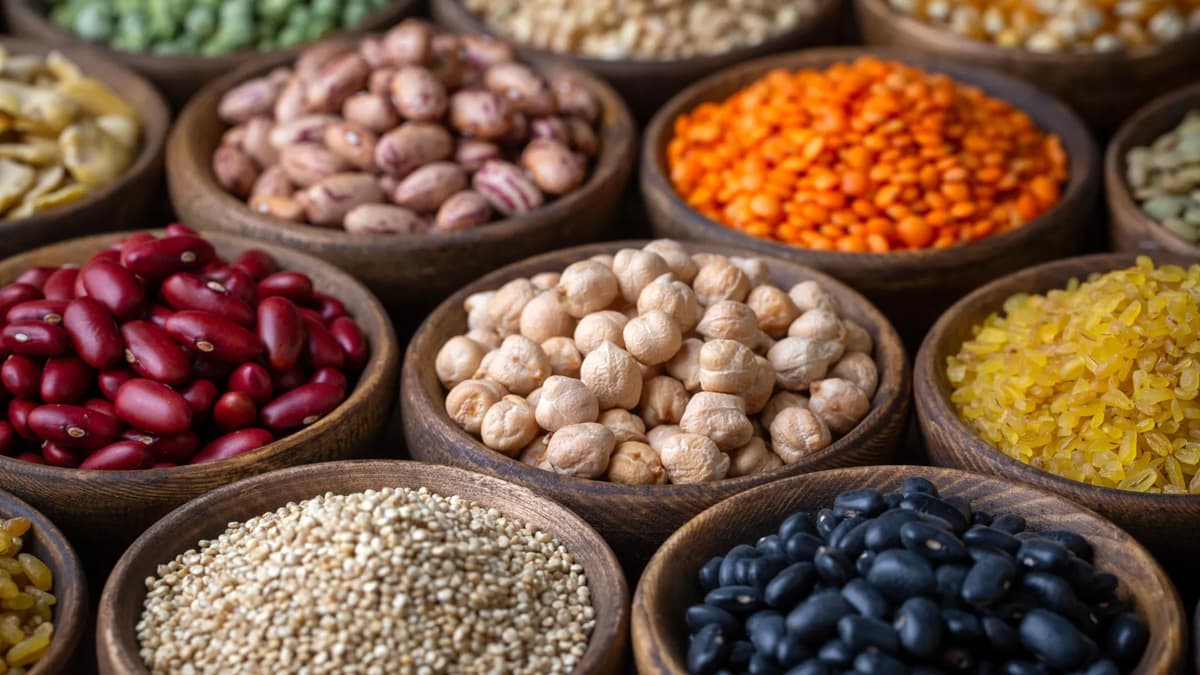
Eating More Beans and Soy Could Slash High Blood Pressure Risk by Nearly 30%
Researchers conducted a meta‑analysis of 12 long‑term observational studies across the United States, Europe and Asia, finding that higher consumption of legumes and soy foods is associated with a substantially lower risk of developing hypertension. Participants eating the most legumes...
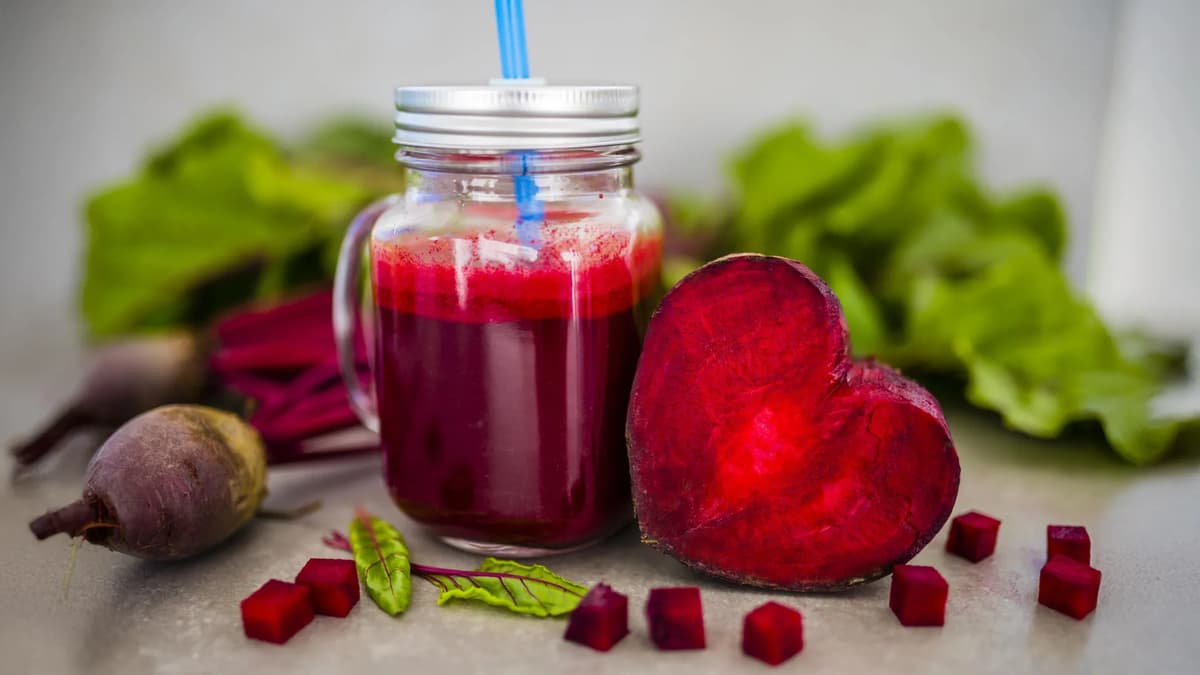
Beet Juice Lowers Blood Pressure in Older Adults in Just 2 Weeks
University of Exeter researchers found that older adults who consumed nitrate‑rich beetroot juice twice daily for two weeks experienced a measurable drop in blood pressure, an effect not seen in younger participants. The study linked this reduction to a shift...
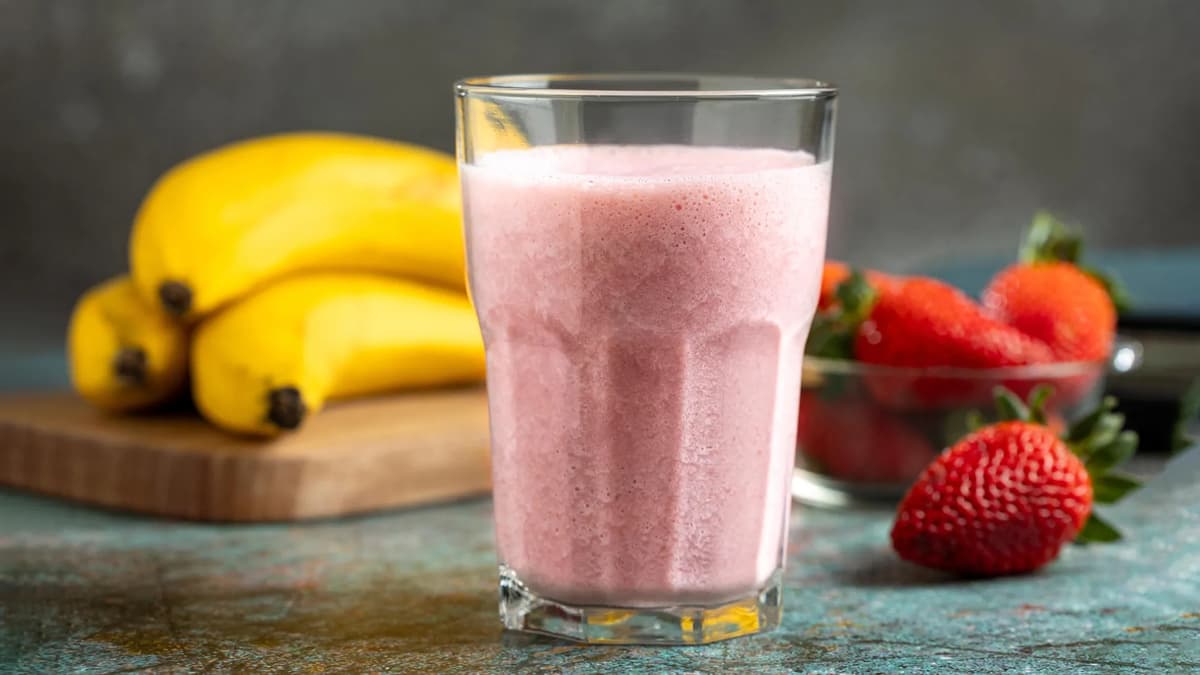
Surprising Research Reveals Why You Shouldn't Add Bananas to Your Smoothies
University of California‑Davis researchers discovered that the polyphenol oxidase (PPO) enzyme in bananas dramatically lowers flavanol absorption from smoothies, cutting bioavailability by about 84% compared with a flavanol capsule control. By contrast, smoothies made with low‑PPO berries preserve flavanol levels...

Scientists Warn that Current Vitamin B12 Guidelines May Be Putting Your Brain at Risk
Researchers at UCSF found that older adults with lower biologically active vitamin B12, even when total B12 levels are within the accepted normal range, exhibit slower cognitive processing and increased white‑matter lesions. The study of 231 healthy participants average age 71...

Scientists Discover the Nutrient that Can Supercharge Cellular Energy
Researchers at the University of Cologne have shown that the essential amino acid leucine prevents degradation of outer mitochondrial membrane proteins, thereby boosting mitochondrial respiration. The study, published in Nature Cell Biology, identifies suppression of the quality‑control protein SEL1L as...
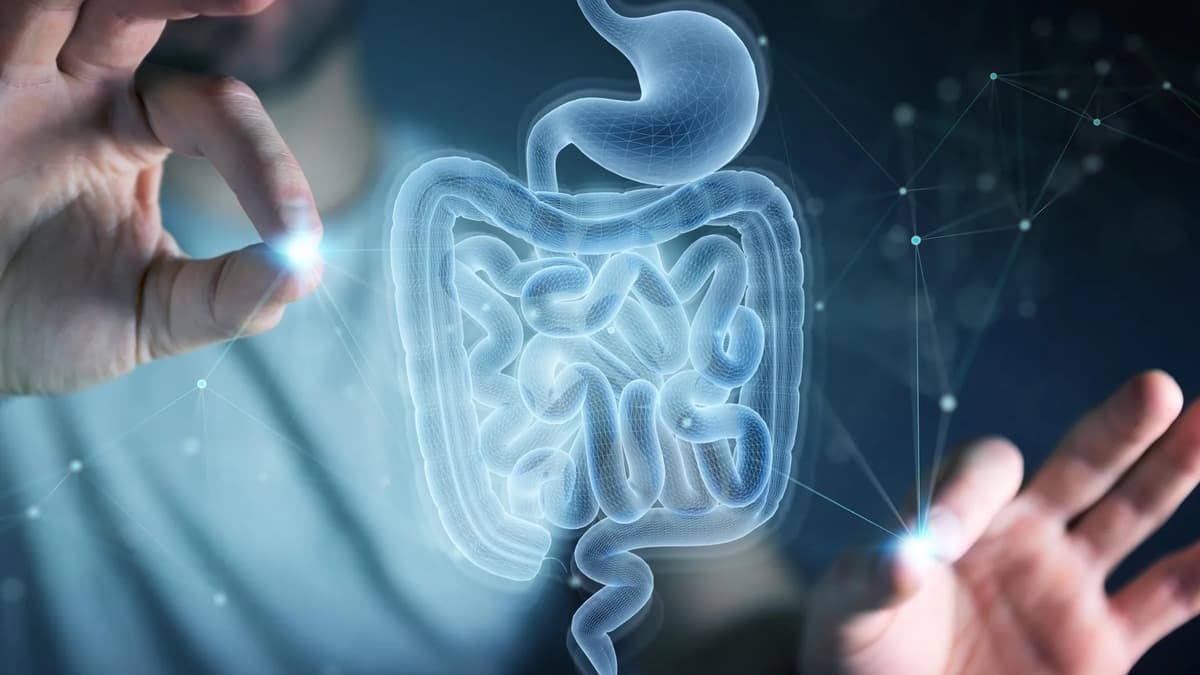
MIT Scientists Discover Amino Acid that Helps the Gut Heal Itself
MIT researchers have identified cysteine, a common amino acid, as a potent driver of intestinal stem‑cell regeneration. In mice, dietary cysteine is converted to CoA, which activates CD8 T cells to release IL‑22, accelerating repair of the small‑intestine lining after radiation...