
Scientists Discover Strange Link Between Vitamin D and Pain
Researchers at Fayoum University Hospital found that women with vitamin D deficiency (<30 nmol/L) experienced three times more moderate postoperative pain after breast‑cancer surgery and required significantly higher opioid doses. The deficient group used an average of 112 mg more tramadol in the first 24 hours, while intra‑operative fentanyl was modestly increased. The study suggests pre‑operative vitamin D supplementation could mitigate pain and opioid consumption, though its single‑center, observational design limits definitive conclusions.
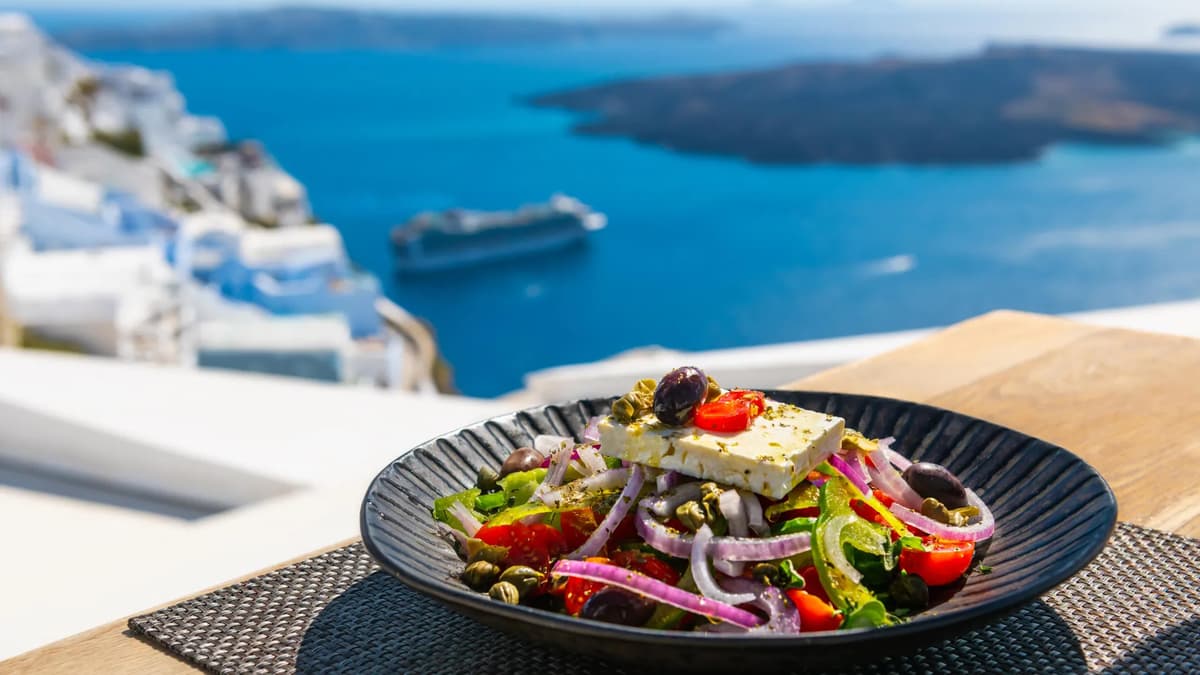
Scientists Found a Smarter Mediterranean Diet that Slashes Diabetes Risk by 31%
The PREDIMED‑Plus trial, the largest nutrition study in Europe, showed that a calorie‑reduced Mediterranean diet combined with moderate exercise and professional weight‑loss support cut the incidence of type 2 diabetes by 31% among 4,746 overweight adults aged 55‑75. Participants in the...
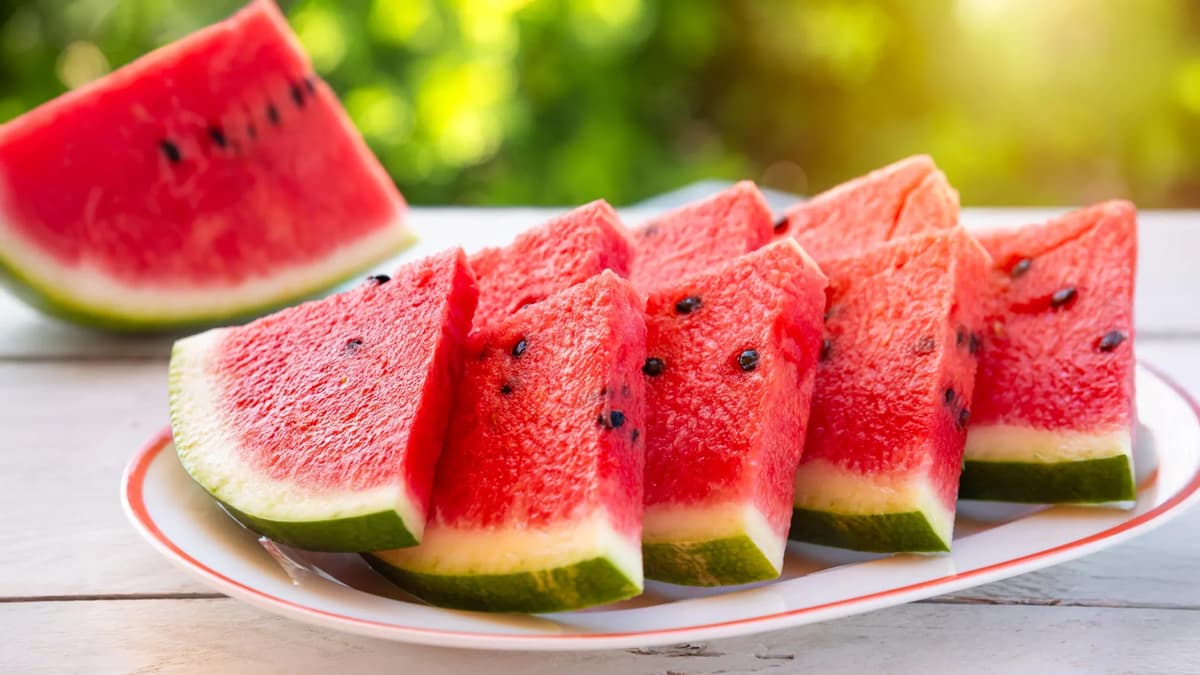
Scientists Uncover Surprising Health Benefits of Watermelon
Recent research published in *Nutrients* links regular watermelon consumption to higher‑quality diets and improved cardiovascular markers. Analyses of NHANES data show eaters obtain more fiber, magnesium, potassium, vitamin C, and lycopene while consuming less added sugar and saturated fat. A small...
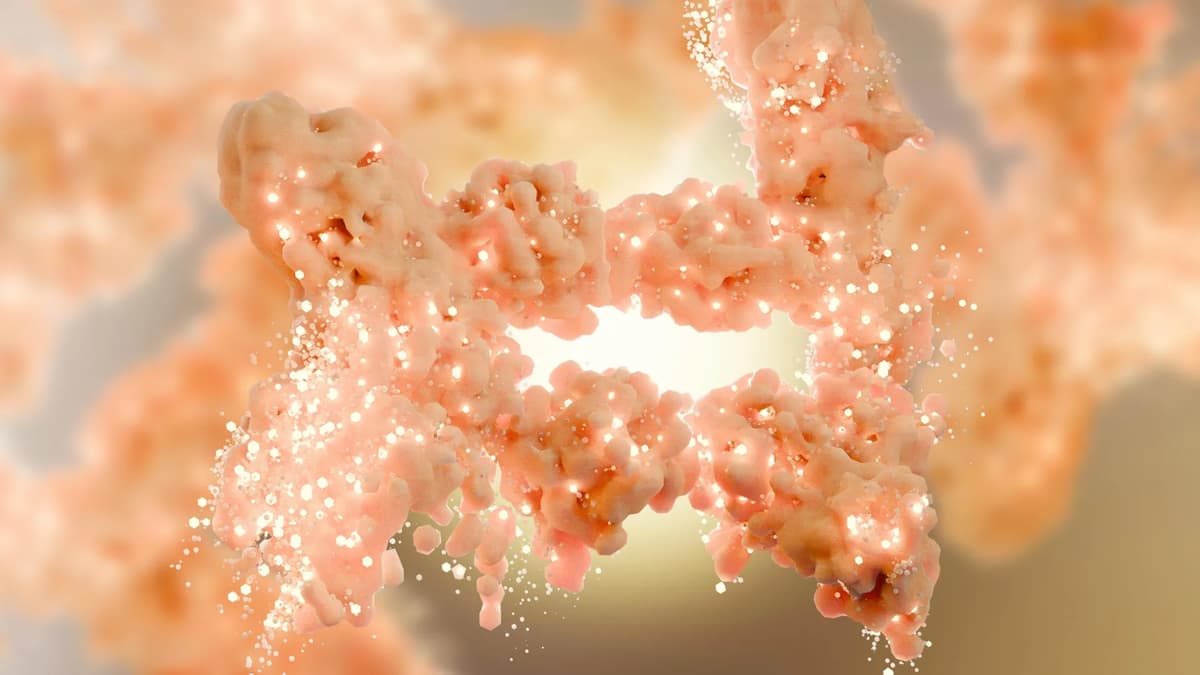
Scientists Discover Hidden Fat-Burning Switch that Could Strengthen Bones
Researchers at McGill University have identified a molecular switch in brown fat that activates an alternative heat‑producing pathway, the futile creatine cycle, when glycerol binds to the enzyme TNAP. This discovery reveals how brown fat can generate thermogenesis independently of...
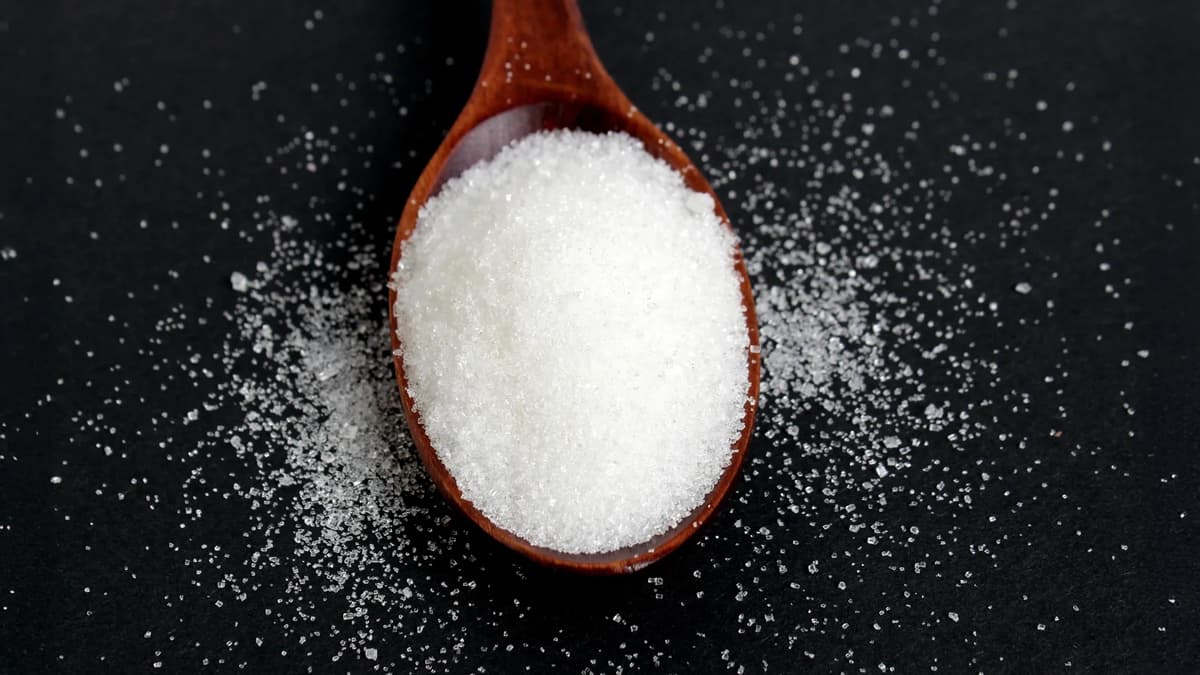
Scientists Say This Common Sweetener May Be Quietly Rewiring Your Metabolism
A review in Nature Metabolism argues that fructose functions as a distinct metabolic signal rather than a simple calorie source. The authors show that fructose bypasses key regulatory steps, driving de novo lipogenesis, lowering cellular ATP and fostering fat storage....
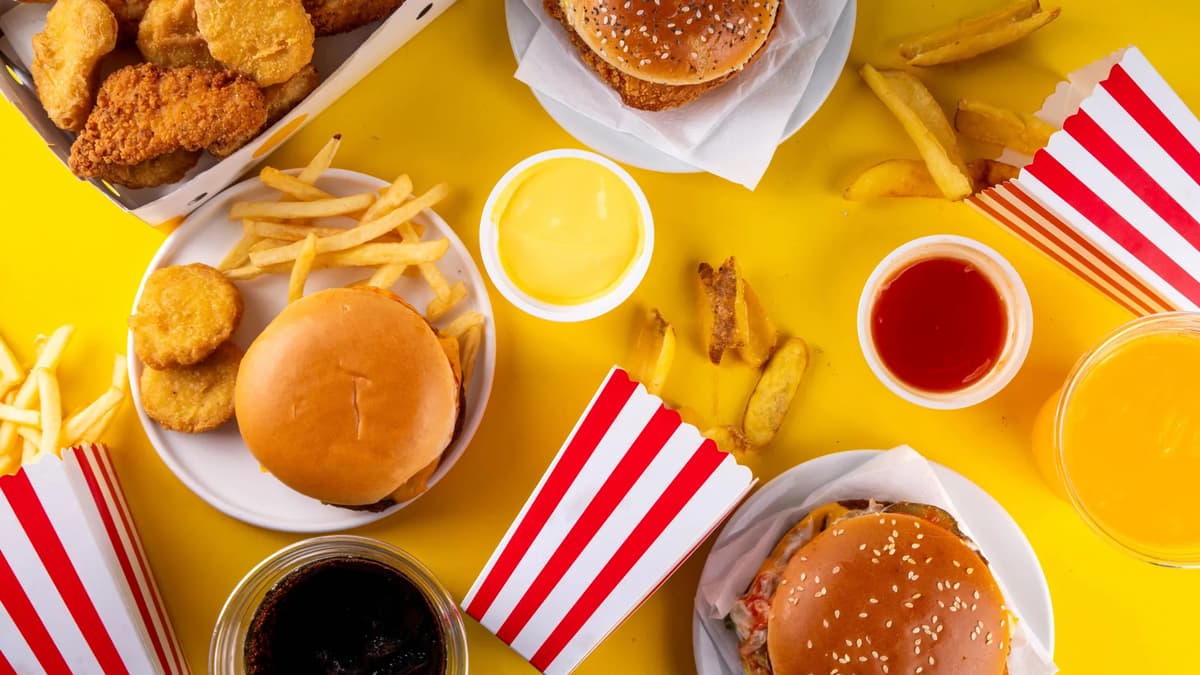
Ultra-Processed Foods Linked to Higher Risk of Heart Disease and Early Death
A new European Heart Journal consensus statement links high consumption of ultra‑processed foods (UPFs) to significantly higher risks of heart disease and cardiovascular death. The analysis of existing studies finds up to a 19% increase in heart disease, 13% higher...
New Obesity Discovery Rewrites Decades of Fat Science
Scientists have identified hormone‑sensitive lipase (HSL) inside the nucleus of adipocytes, overturning the long‑standing view that the enzyme works only on lipid droplets. The nuclear HSL binds gene‑regulatory proteins, influencing mitochondrial activity and extracellular‑matrix maintenance, and its abundance shifts with...

Doctors Warn This Popular Vitamin May Quietly Disrupt Cancer Care
Biotin supplements have become a popular self‑treatment for hair loss among cancer patients, despite limited scientific proof of benefit. Oncologists warn that biotin can skew blood‑test results used to monitor prostate, thyroid, ovarian and breast cancers, potentially delaying or altering...

Eating Eggs Could Cut Alzheimer’s Risk by 27%
Researchers at Loma Linda University analyzed data from about 40,000 older adults over a 15‑year span and found that eating at least one egg per day was linked to a 27% lower risk of Alzheimer’s disease. Even modest consumption—1‑3 eggs...

Scientists Discover Why Ozempic Works Better for some People
GLP‑1 drugs like Ozempic improve blood sugar and weight loss, but response varies. A Japanese study of 92 type‑2 diabetes patients found that those who overeat in response to external cues (appearance or smell) achieved greater weight loss and glucose...
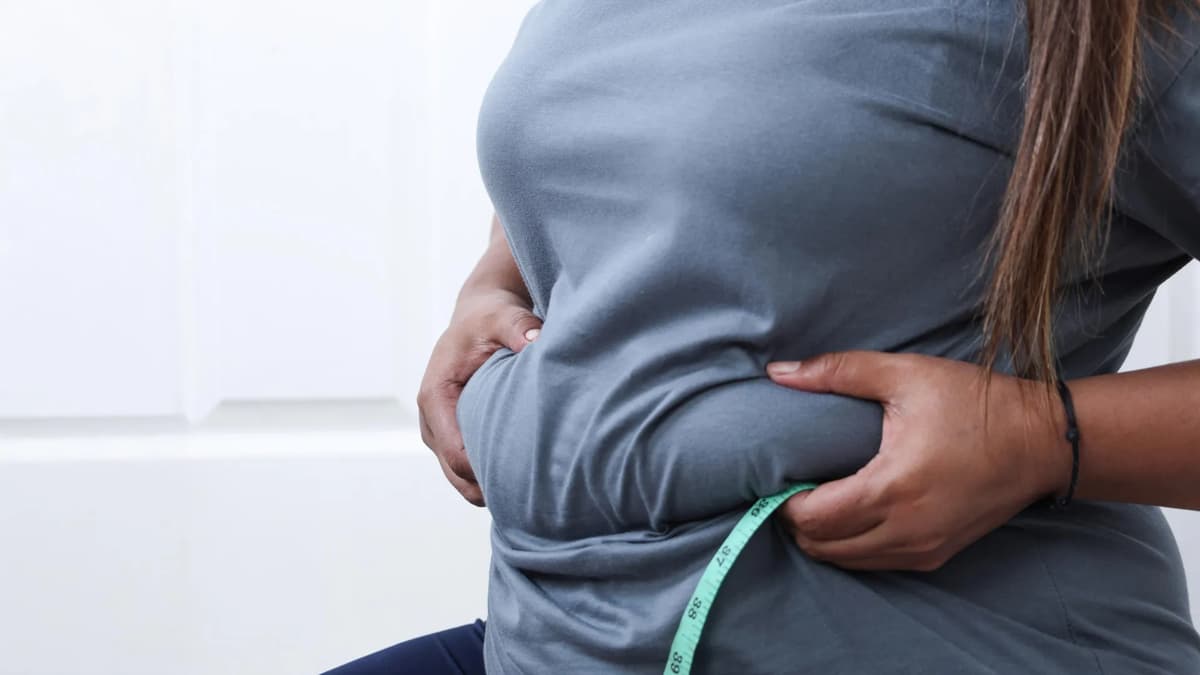
Scientists Find a Way to Stop Dangerous Belly Fat as We Age
Scientists discovered that a topical testosterone gel, combined with exercise, can selectively reduce visceral fat in older women recovering from hip fractures. In a six‑month trial of 66 participants aged 65 and above, overall body weight stayed stable while the...

Scientists Just Discovered What Coffee Is Really Doing to Your Gut and Brain
Researchers at APC Microbiome Ireland, part of University College Cork, published a Nature Communications study showing that both caffeinated and decaffeinated coffee reshape the gut microbiome and positively affect mood. The trial compared 31 regular coffee drinkers with 31 non‑drinkers,...
Surprising Obesity Discovery Rewrites Decades of Fat Metabolism Science
Researchers at the University of Toulouse have found that hormone‑sensitive lipase (HSL), long thought to act only on the surface of lipid droplets, also resides in the nucleus of adipocytes. Inside the nucleus, HSL partners with other proteins to regulate...

MIT Study Finds Children More Vulnerable to Cancer-Causing Chemical in Water
MIT researchers published a study in Nature Communications showing that the carcinogen N‑nitrosodimethylamine (NDMA) causes dramatically more DNA damage and liver tumors in juvenile mice than in adult mice, even at low exposure levels. Both age groups formed similar initial...

Vitamin D Boosts Breast Cancer Treatment Success by 79%
Researchers at São Paulo State University conducted a randomized trial of 80 women over 45 undergoing neoadjuvant chemotherapy for breast cancer. One half received 2,000 IU of vitamin D daily, while the other took a placebo. After six months, 43% of the...
This Missing Vitamin Could Stop Cancer Cells in Their Tracks
Researchers at the University of Lausanne discovered that vitamin B7 (biotin) is essential for the mitochondrial enzyme pyruvate carboxylase, which lets cancer cells sidestep their usual glutamine addiction. When biotin is removed, the enzyme stalls, cutting off an alternative fuel pathway...
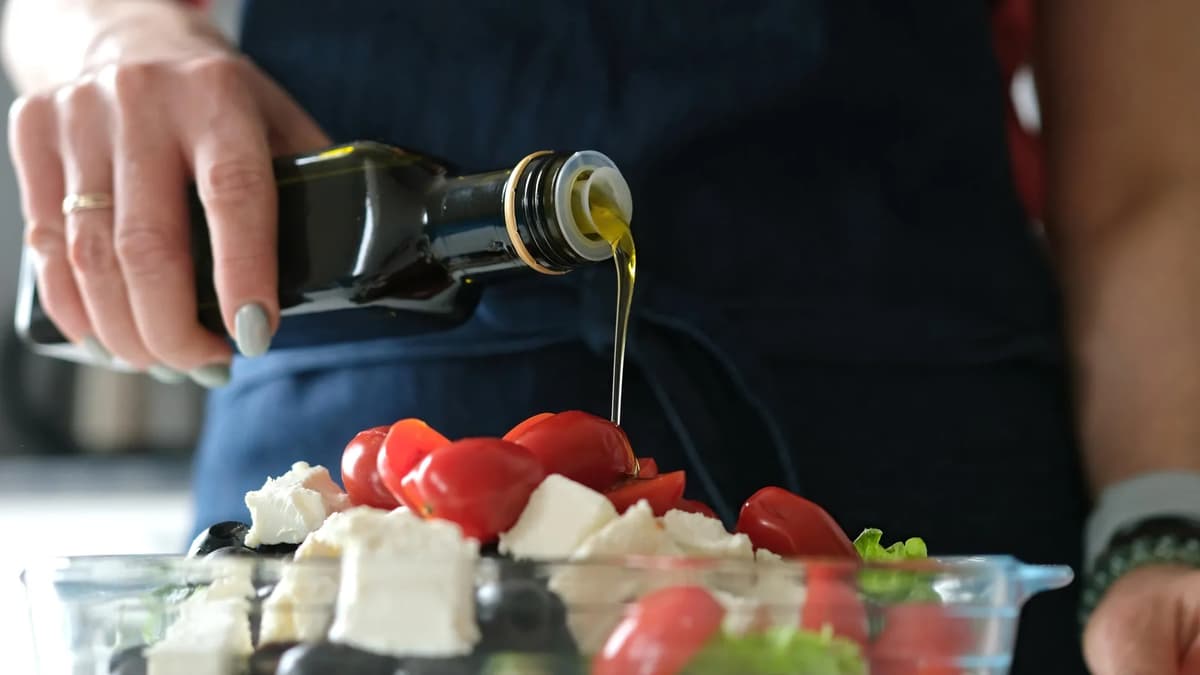
Scientists Say This Type of Olive Oil Could Boost Brain Power
New research from the URV, IISPV and CIBERobn, part of the PREDIMED‑Plus trial, shows that extra virgin olive oil can boost cognitive performance in older adults by reshaping the gut microbiome. Over two years, 656 overweight participants who consumed virgin...

Can Sparkling Water Boost Metabolism and Help with Weight Loss?
A brief analysis in BMJ Nutrition Prevention & Health finds that sparkling water may modestly increase glucose uptake and metabolism, but the effect is too small to drive meaningful weight loss. The author likens the CO₂‑induced alkalinity shift to processes...
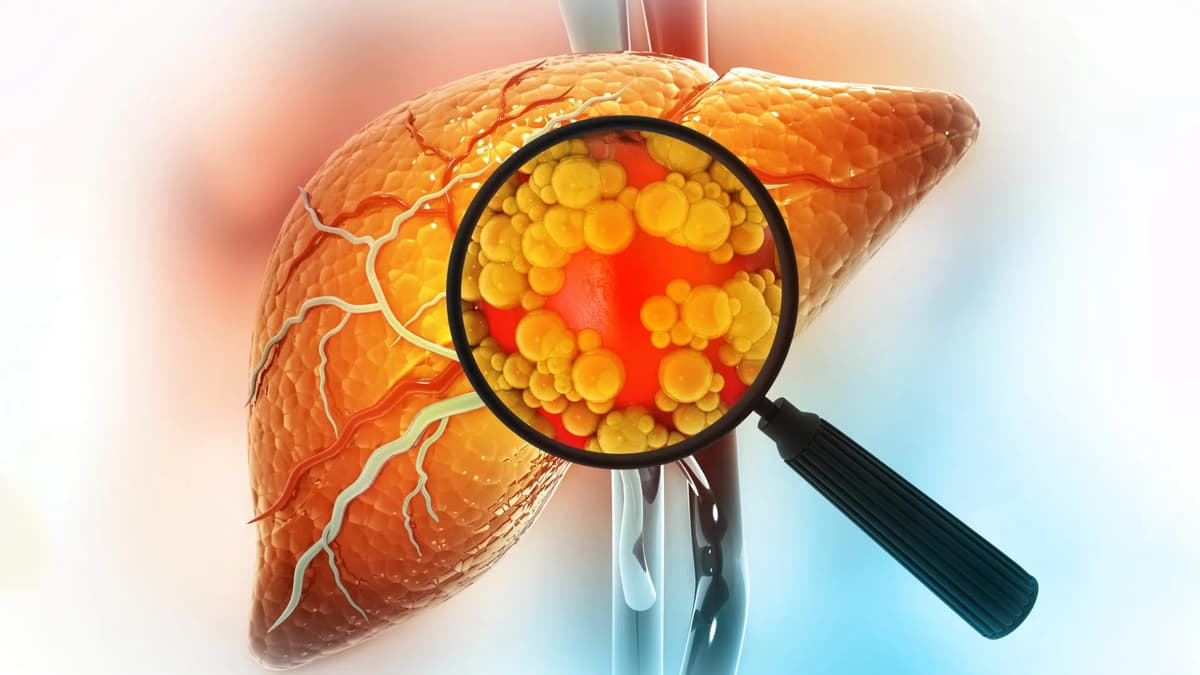
Scientists Remove “Zombie” Cells and Reverse Liver Damage in Mice
UCLA scientists discovered that senescent liver macrophages, marked by the p21‑TREM2 signature, accumulate with age and high cholesterol. In mice, the senolytic drug ABT‑263 selectively removed these cells, dramatically reducing liver size and body weight despite a continued unhealthy diet....
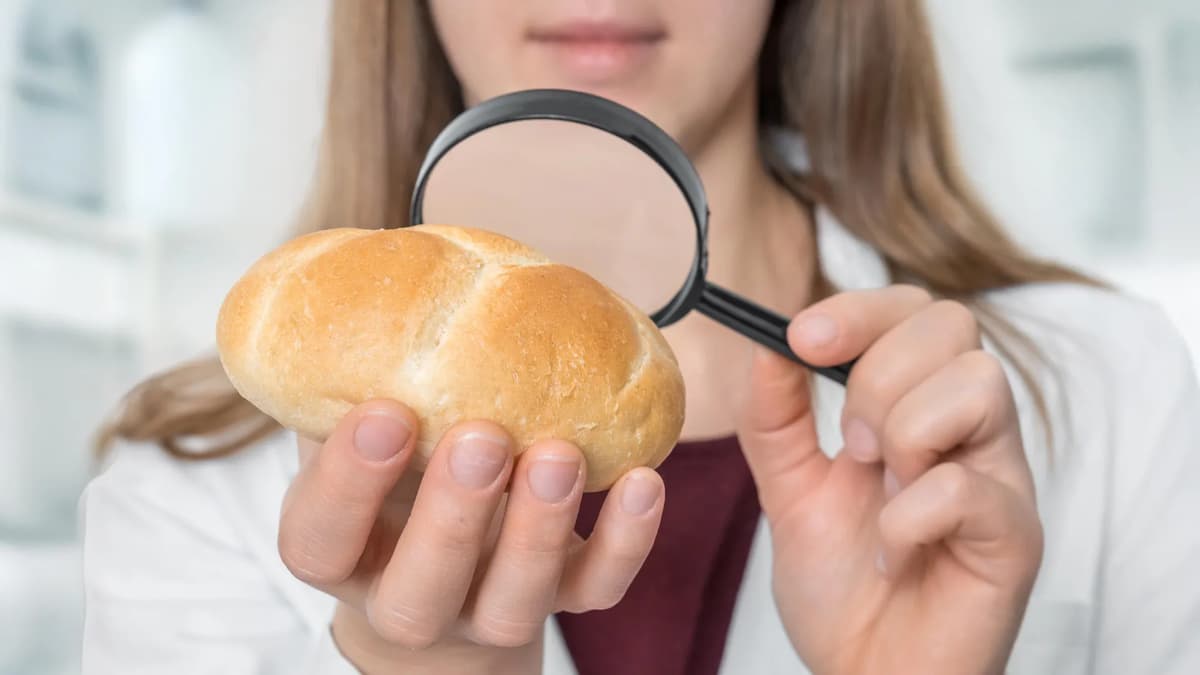
Scientists Discover Why Bread Can Cause Weight Gain without Extra Calories
A new study from Osaka Metropolitan University shows that mice will abandon standard chow for carbohydrate‑rich foods like bread, wheat and rice flour, gaining weight without increasing total calories. The weight gain was linked to a reduction in energy expenditure...
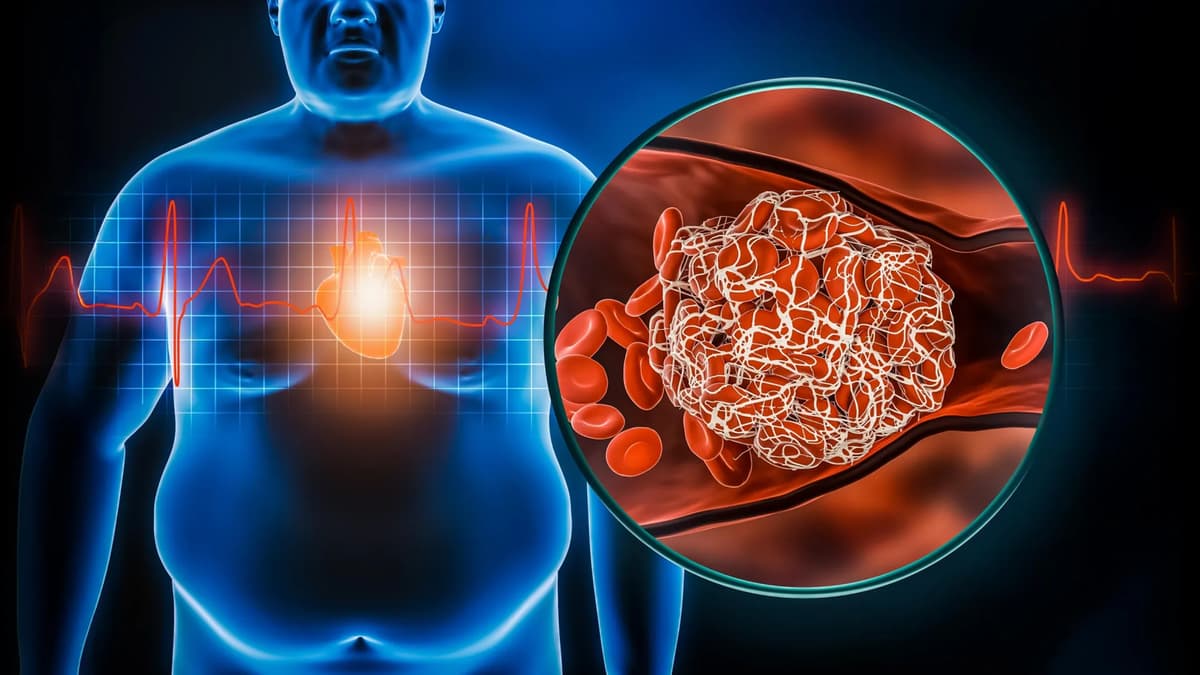
Men and Women with Obesity Face Very Different Hidden Health Risks
New research presented at the European Congress on Obesity reveals that obesity impacts men and women differently, with men showing more visceral fat accumulation, higher liver enzymes and triglycerides, while women exhibit greater inflammation and higher LDL cholesterol. The study...

Stanford Scientists Discover “Natural Ozempic” Without Side Effects
Stanford Medicine scientists have identified a naturally occurring 12‑amino‑acid peptide, dubbed BRP, that mimics the appetite‑suppressing effects of semaglutide (Ozempide) in animal models. In lean mice and minipigs, a single injection cut food intake by up to 50% and daily...

Why Ozempic Doesn’t Work for Everyone: Scientists Just Found a Hidden Reason
Researchers at Stanford Medicine and international partners identified a genetic basis for reduced effectiveness of GLP‑1 receptor agonists, such as Ozempic, in about 10% of the population. The study links specific PAM gene variants to a newly described GLP‑1 resistance,...

Two Simple Eating Habits Linked to Lower Weight, Study Finds
A longitudinal study of 7,000 Spanish adults found that extending overnight fasting and eating breakfast early are linked to lower body‑mass index over five years. The research, published in the International Journal of Behavioral Nutrition and Physical Activity, used data...
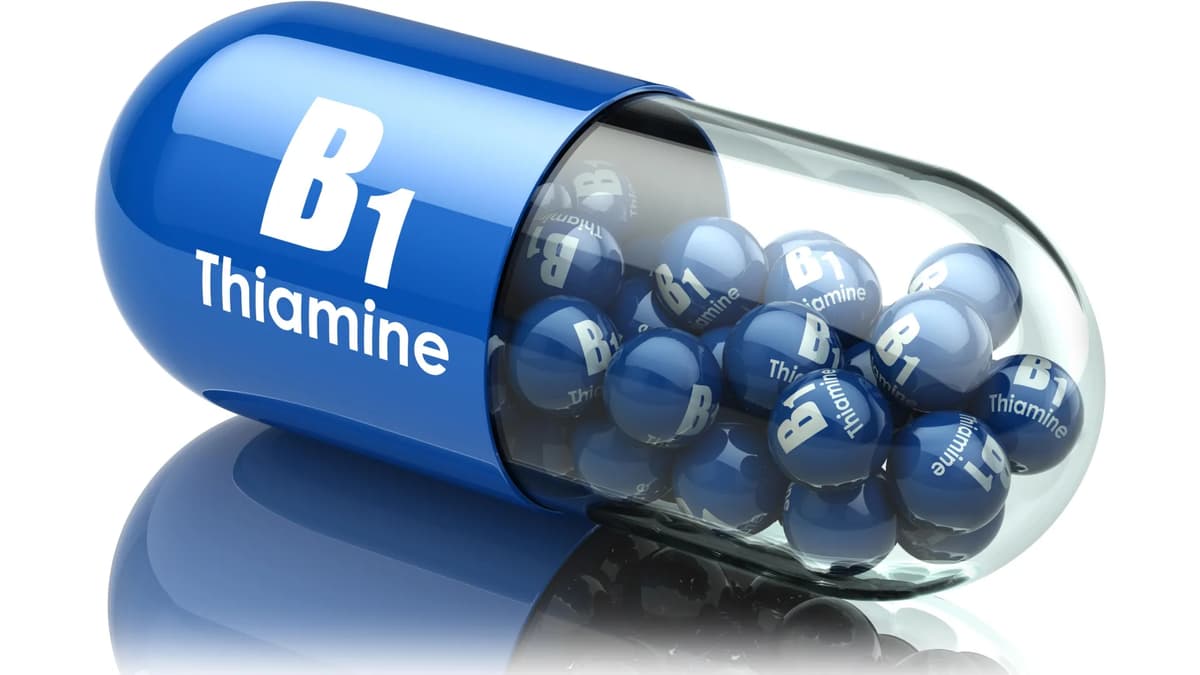
A 67-Year-Old “Crazy” Theory About Vitamin B1 Has Finally Been Proven
Researchers at UC Riverside have stabilized a highly reactive carbene in water, confirming Ronald Breslow's 1958 hypothesis that vitamin B1 can form a carbene intermediate in cells. By encasing the carbene in a protective molecular cage, the team observed it remaining...

A Common Nutrient Could Supercharge Cancer Treatment
University of Chicago researchers found that the dietary carotenoid zeaxanthin directly boosts CD8⁺ T‑cell activity, enhancing the immune system's ability to recognize and destroy cancer cells. In mouse models, dietary zeaxanthin slowed tumor growth and amplified the effects of checkpoint‑inhibitor...

Dragonflies Can See a Color Humans Can’t and It Could Change Medicine
Researchers at Osaka Metropolitan University identified a dragonfly opsin that detects light around 720 nm, extending into deep red beyond human vision. The protein’s red‑sensing mechanism is virtually identical to that of mammalian red opsins, indicating a striking case of parallel...
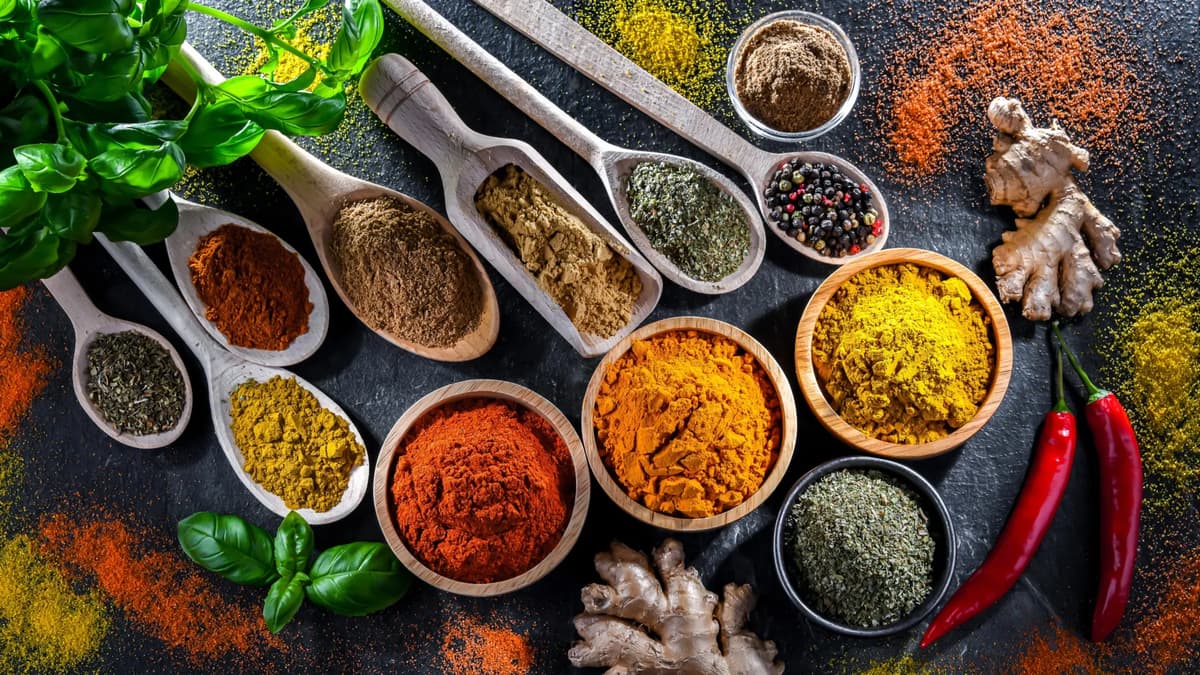
Scientists Discover Spice Synergy that Boosts Anti-Inflammation 100x
Researchers at Tokyo University of Science found that combining three common spice compounds—capsaicin, menthol and 1,8‑cineole—produces an anti‑inflammatory response in macrophages that is several hundred times stronger than any of the agents alone. The synergy stems from simultaneous activation of...
Your Vitamin D Levels in Midlife Could Shape Your Brain Decades Later
A 16‑year longitudinal study of 793 middle‑aged adults found that higher vitamin D levels in their 30s‑40s were associated with lower tau protein accumulation later, a biomarker linked to Alzheimer’s disease. Participants with vitamin D above 30 ng/mL showed reduced tau...
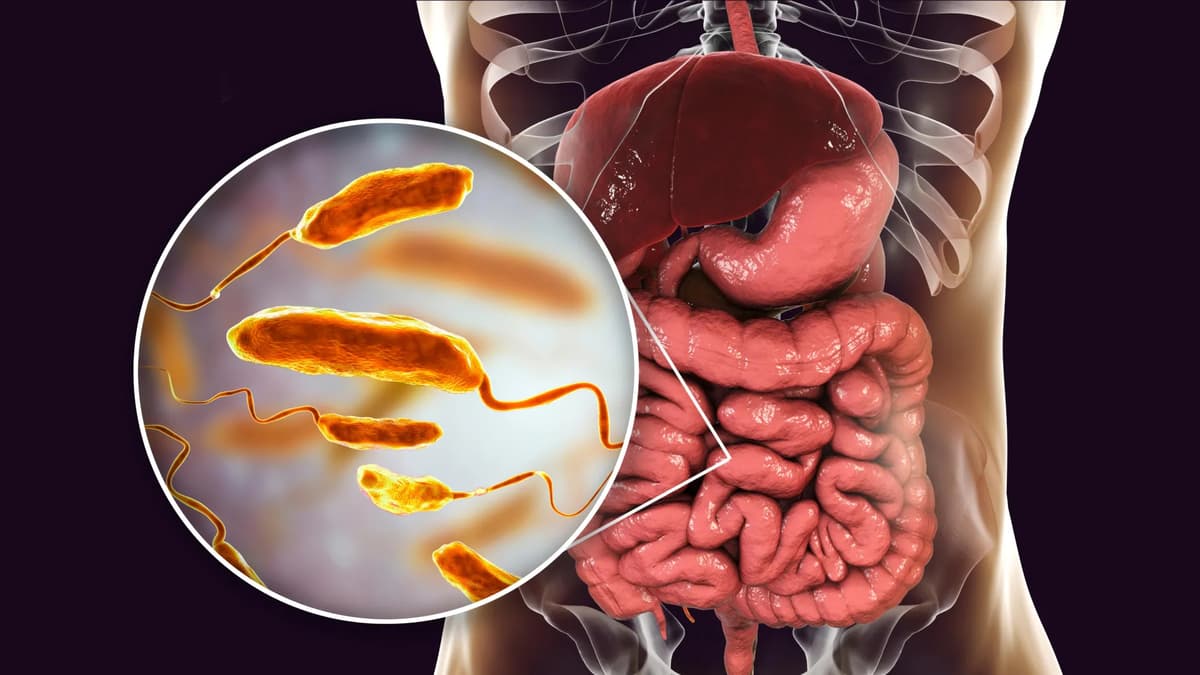
This Diet Could Slash Cholera Infections by up to 100x
University of California, Riverside researchers discovered that diets high in the dairy protein casein and wheat gluten can reduce cholera bacterial colonization in the gut by up to 100‑fold in mice. The protein‑rich diet outperformed high‑fat and carbohydrate‑heavy regimens, which...

Scientists Discover Hidden Brain Switch that Tells You to Stop Eating
Scientists from the University of Concepción and the University of Maryland identified a previously unknown appetite‑regulating circuit in the hypothalamus. The study, published in PNAS on April 6, 2026, shows that tanycytes release lactate, which activates astrocytic HCAR1 receptors, prompting glutamate release...

Binge Drinking Just Once a Month May Triple Your Risk of Liver Scarring
Researchers at Keck Medicine of USC found that adults with metabolic dysfunction‑associated steatotic liver disease (MASLD) who engage in episodic heavy drinking—four or more drinks for women, five for men at least once a month—are about three times more likely...

This 5-Day Diet Helped Crohn’s Patients Feel Better Fast
A national randomized trial led by Stanford Medicine tested a five‑day, calorie‑restricted fasting‑mimicking diet (FMD) in 97 patients with mild‑to‑moderate Crohn's disease. Participants followed the low‑calorie, plant‑based protocol for five days each month over three months, while a control group...
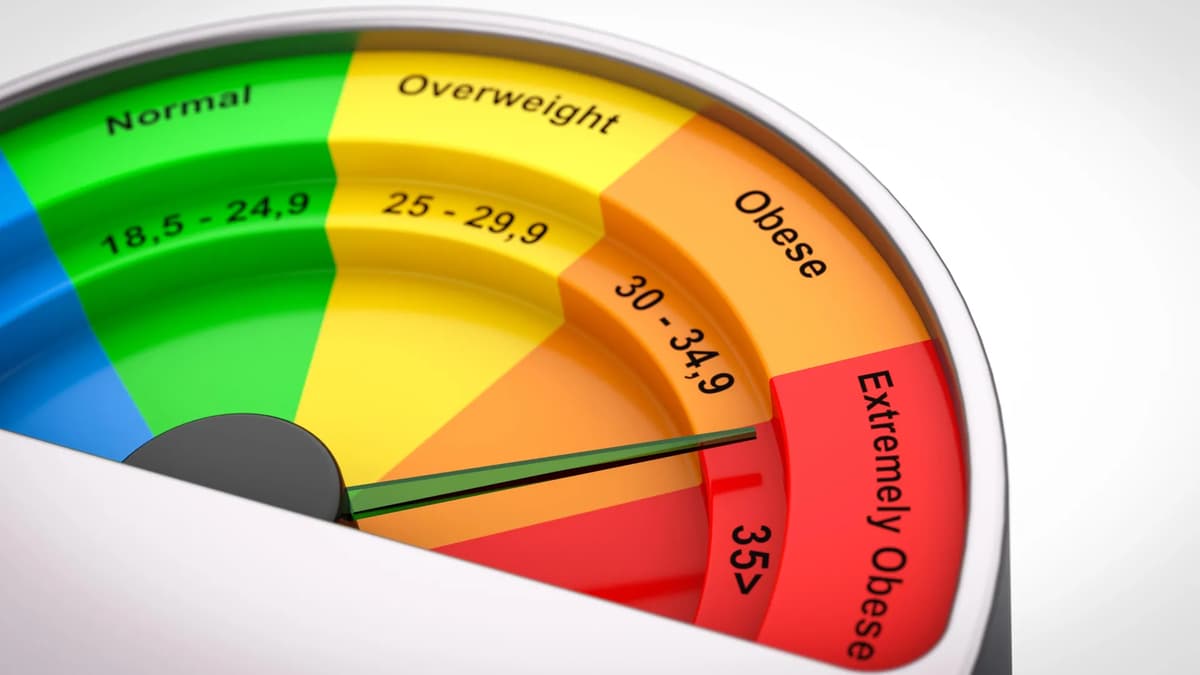
Scientists Say BMI Gets It Wrong for over One Third of Adults
A new Italian study using dual‑energy X‑ray absorptiometry (DXA) found that the body mass index (BMI) misclassifies more than one‑third of adults when compared to direct body‑fat measurements. In a sample of 1,351 white‑Caucasian participants, over 50% of those labeled...

New Microwave Frying Technique Could Make French Fries Much Healthier
Researchers at the University of Illinois Urbana‑Champaign have shown that adding microwave heating to conventional frying can cut oil absorption in French fries by up to 30 % while preserving the crisp texture consumers expect. The hybrid process speeds moisture loss,...

This Simple Japanese Eating Habit Could Help You Live Longer without Dieting
Hara hachi bu, a traditional Japanese habit, advises stopping eating when about 80 % full. Studies of Okinawan and other long‑living populations show this modest portion control leads to lower daily calorie intake and reduced BMI. The practice aligns with mindful...

Hardly Anyone Uses This Surprisingly Simple Blood Pressure Fix
A new analysis of NHANES data shows that fewer than 6% of U.S. adults use potassium‑based salt substitutes, despite their low cost and proven ability to lower sodium intake. Usage peaked at 5.4% in 2013‑14 and dropped to 2.5% by...

What Teens Eat Could Be Affecting Their Mental Health More than We Thought
A systematic review by Swansea University examined 19 studies linking teenage dietary patterns to mental health, finding that higher‑quality, balanced diets consistently correlate with fewer depressive symptoms, while evidence for single‑nutrient supplements such as vitamin D remains mixed. The authors highlight...

Scientists Discover a Hidden System that Turns Brown Fat Into a Calorie Burner
Researchers identified the protein SLIT3 as a master regulator that activates brown fat by orchestrating its blood‑vessel and nerve networks. The enzyme BMP1 cleaves SLIT3 into two fragments, each directing vascular growth or neural expansion, while the PLXNA1 receptor mediates...

This Popular Supplement May Increase Risk of Birth Defects, Study Finds
Researchers at Texas A&M discovered that chronic high‑dose antioxidant supplementation, specifically N‑acetyl‑L‑cysteine (NAC) and selenium, altered sperm DNA in male mice and produced offspring with notable facial and skull abnormalities. The male mice displayed no overt health problems, indicating the...

This Dangerous Combo in Your Body Could Raise Death Risk by 83%
Researchers from Brazil’s Federal University of São Carlos and University College London examined 12 years of data from 5,440 adults aged 50 and older and discovered that the coexistence of abdominal obesity and low muscle mass—known as sarcopenic obesity—raises mortality...

Scientists Just Discovered Bees and Hummingbirds Are Drinking Alcohol
Biologists at UC Berkeley found ethanol in the nectar of 26 of 29 plant species, confirming that pollinators regularly ingest alcohol. An Anna’s hummingbird can consume roughly 0.2 g of ethanol per kilogram of body weight each day—about the equivalent of...

Fatty Liver Breakthrough: A Common Vitamin Shows Promise
Researchers at UNIST and partner institutions identified microRNA‑93 as a central driver of metabolic‑associated fatty liver disease (MASLD) and demonstrated that vitamin B3 (niacin) can suppress this molecule, restoring SIRT1 activity and reducing liver fat in mice. The study, published in...

Belly Fat Linked to Heart Failure Risk Even in People with Normal Weight
New research presented at the American Heart Association’s EPI|Lifestyle Scientific Sessions 2026 shows that waist‑circumference and other measures of central obesity are stronger predictors of heart failure than body‑mass index, even among individuals with normal BMI. In a cohort of...

You Don’t Need to Lose Weight to Reverse Prediabetes, Study Finds
A new Nature Medicine study shows that prediabetes can remit without any weight loss, challenging the long‑standing emphasis on shedding pounds to prevent diabetes. About 25% of participants in lifestyle programs normalized blood glucose despite stable weight, achieving protection comparable...

Millions of Kids Take Melatonin but Doctors Are Raising Red Flags
Melatonin has become a ubiquitous over‑the‑counter sleep aid for children, driven by parental demand for quick, natural‑appearing solutions. A recent Boston Children’s Hospital review confirms strong short‑term efficacy for kids with autism or ADHD, but finds scant long‑term safety data...

Scientists Solve the Mystery of a Vitamin B5 Molecule that Powers Your Cells
Scientists at Yale have uncovered how the vitamin B5‑derived molecule coenzyme A (CoA) is shuttled into mitochondria, identifying dedicated transport proteins that move the cofactor across the organelle membrane. Using a novel mass‑spectrometry workflow, the team catalogued 33 cellular CoA conjugates and...
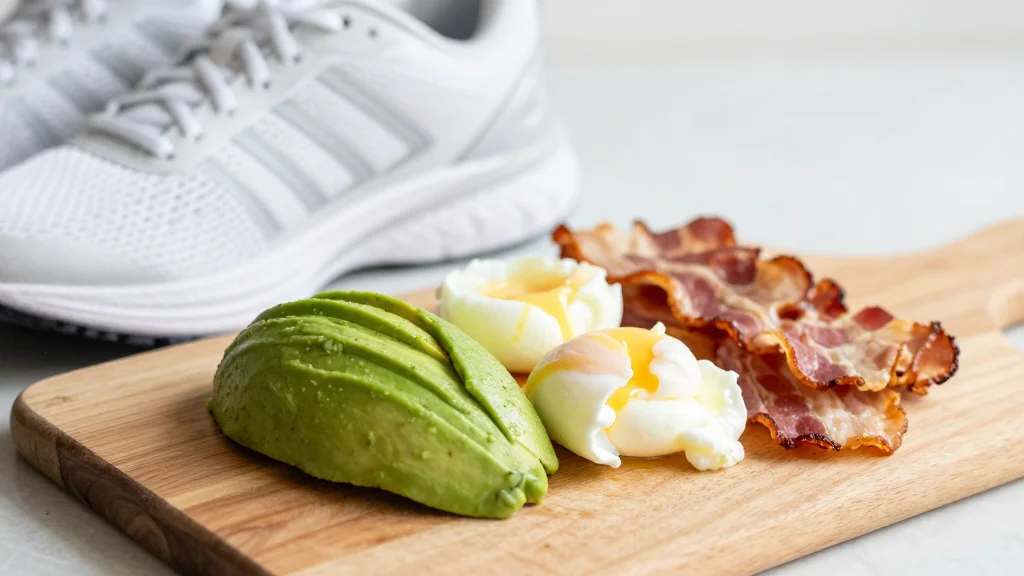
Scientists Found a Surprising Way to Make Exercise Work Better
Researchers at Virginia Tech discovered that a high‑fat ketogenic diet rapidly normalizes blood glucose in diabetic mice and enhances their response to aerobic exercise. Within a week, the mice’s hyperglycemia resolved, and prolonged feeding remodeled muscle fibers toward a more...

Parents’ Stress May Be Quietly Driving Childhood Obesity, Yale Study Finds
A Yale-led trial found that reducing parental stress can curb childhood obesity risk. In a 12‑week randomized study of 114 families with overweight toddlers, parents who completed a mindfulness‑based stress program (PMH) showed lower stress, improved parenting behaviors, and their...
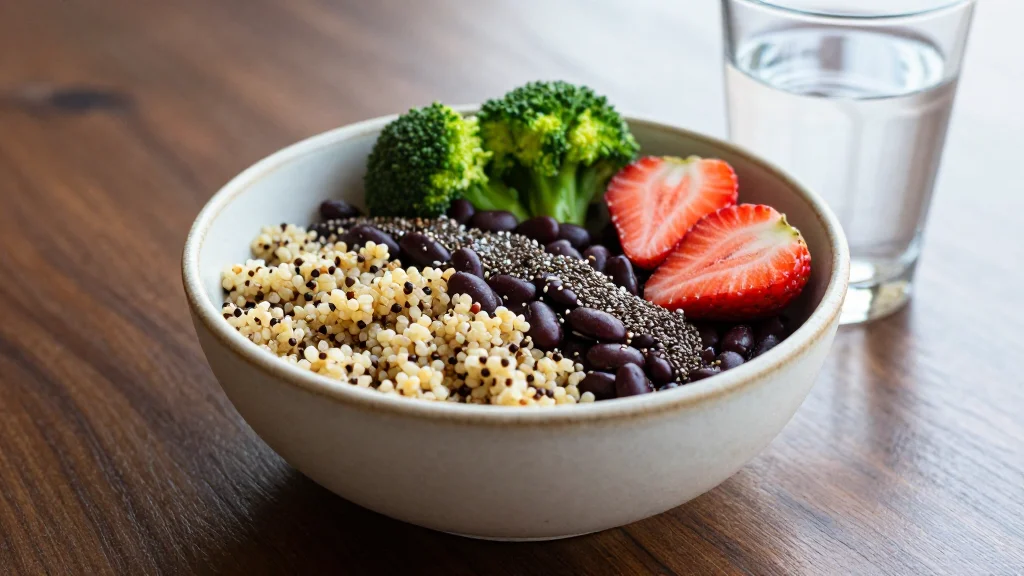
Scientists Say This Simple Diet Change Could Transform Your Gut Health
Scientists highlight “fibermaxxing,” a weight‑adjusted approach to meet daily fiber goals. Researcher Jennifer Lee explains that 22‑34 g of fiber (or 14 g per 1,000 calories) supports gut microbiota, improves satiety, and lowers metabolic disease risk. She differentiates soluble and insoluble fiber,...