SCOTUSblog - Latest News and Information
Technology Pulse
EMAIL DIGESTS
Daily
Every morning
Weekly
Tuesday recap
EMAIL DIGESTS
Daily
Every morning
Weekly
Tuesday recap

The U.S. Supreme Court unanimously allowed Gabriel Olivier’s Section 1983 lawsuit to proceed, holding that a forward‑looking injunction does not fall under the Heck v. Humphrey bar. Olivier, a Mississippi street preacher, was convicted in 2021 for leaving a city‑designated protest zone while evangelizing. He now seeks to block future enforcement of Brandon’s public‑demonstration ordinance. Justice Elena Kagan wrote that prospective relief does not require overturning the prior conviction, permitting the case to move forward.

The Supreme Court will hear Flowers Foods v. Brock, questioning whether “last‑mile” drivers who deliver goods within a single state but are part of an interstate shipment are exempt from the Federal Arbitration Act. The case pits Flowers Foods, which...

The Supreme Court will hear Keathley v. Buddy Ayers Construction, a dispute over whether judicial estoppel should bar a debtor’s tort claim after failing to disclose a car‑accident recovery to the bankruptcy court. The case highlights two competing appellate standards:...

The Supreme Court ruled 6-3 that the International Emergency Economic Powers Act does not give President Trump authority to impose the 2025 sweeping tariffs, striking them down in Learning Resources v. Trump. The decision left open critical issues, including how...
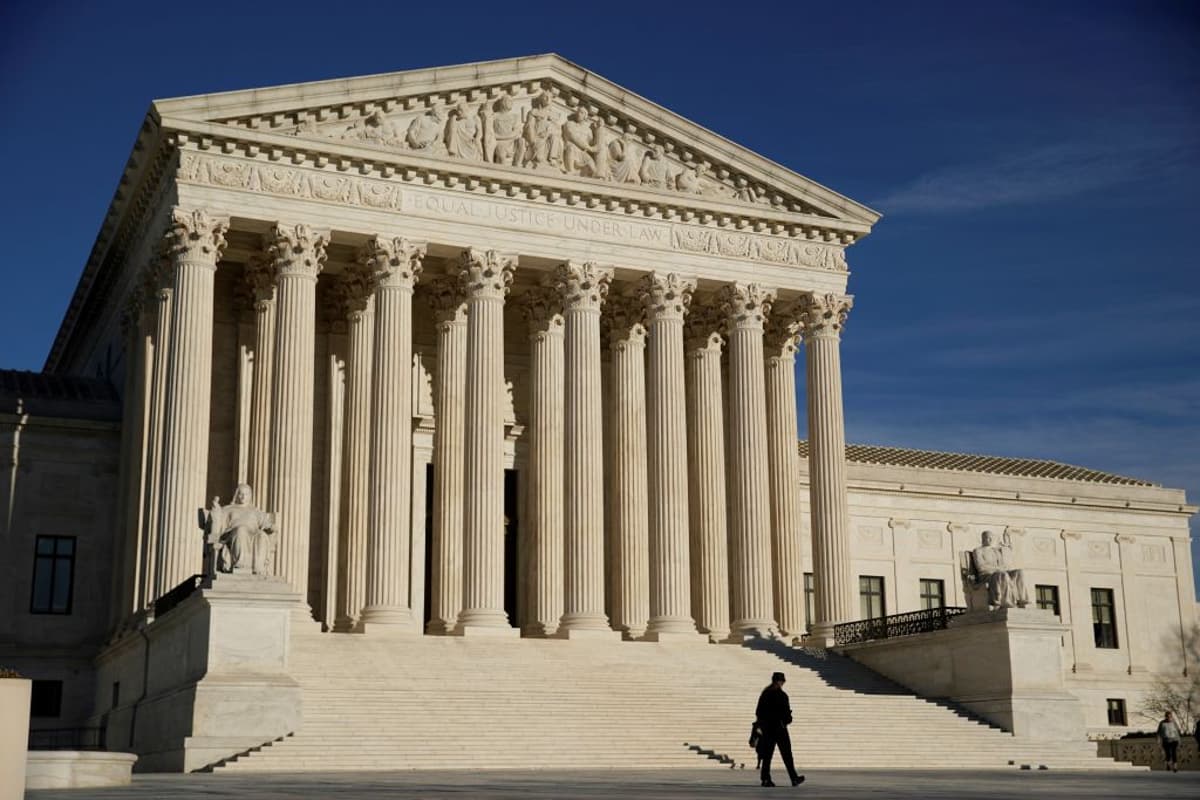
The U.S. Supreme Court announced it will hear oral arguments on two consolidated cases challenging the Trump administration’s effort to terminate Temporary Protected Status (TPS) for Syrian and Haitian nationals. The cases, Noem v. Doe and Trump v. Miot, will...
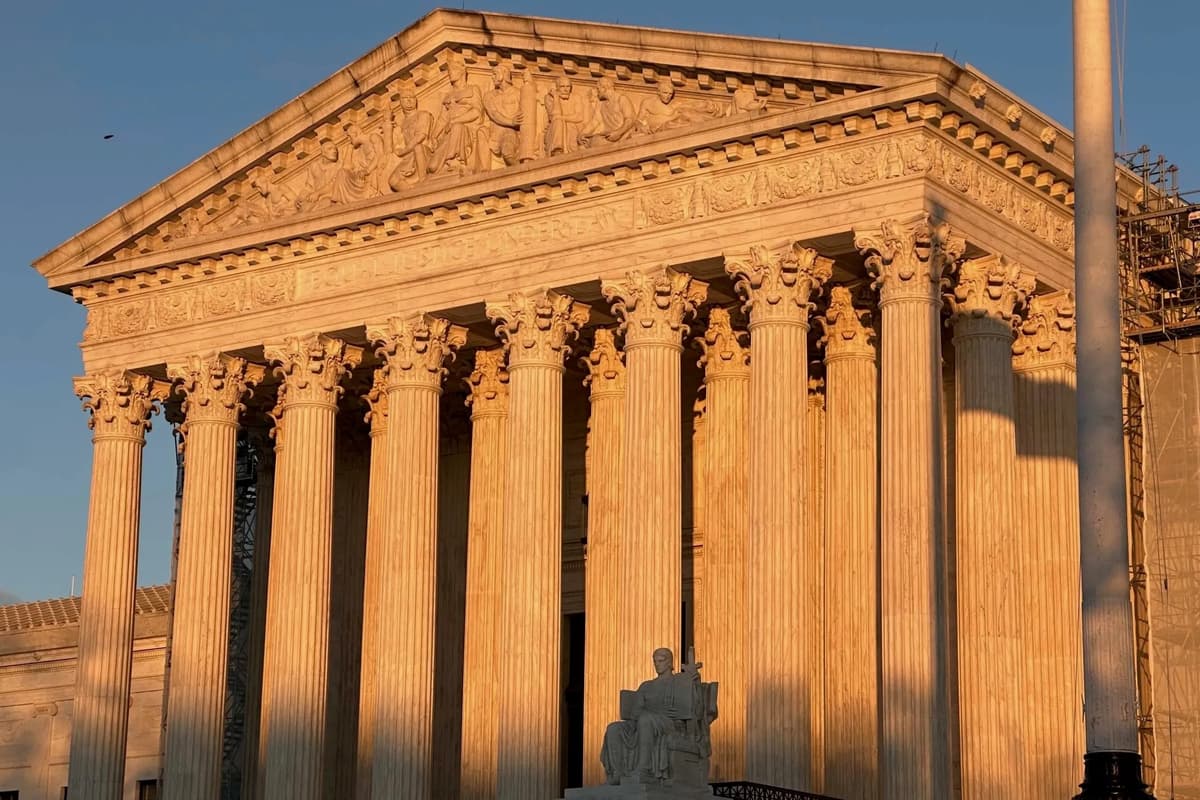
Justice Samuel Alito’s solo concurrence in Malliotakis v. Williams signals that the Supreme Court may soon limit or strike down Section 2 of the Voting Rights Act in the pending Louisiana v. Callais case. The opinion frames the New York redistricting order...
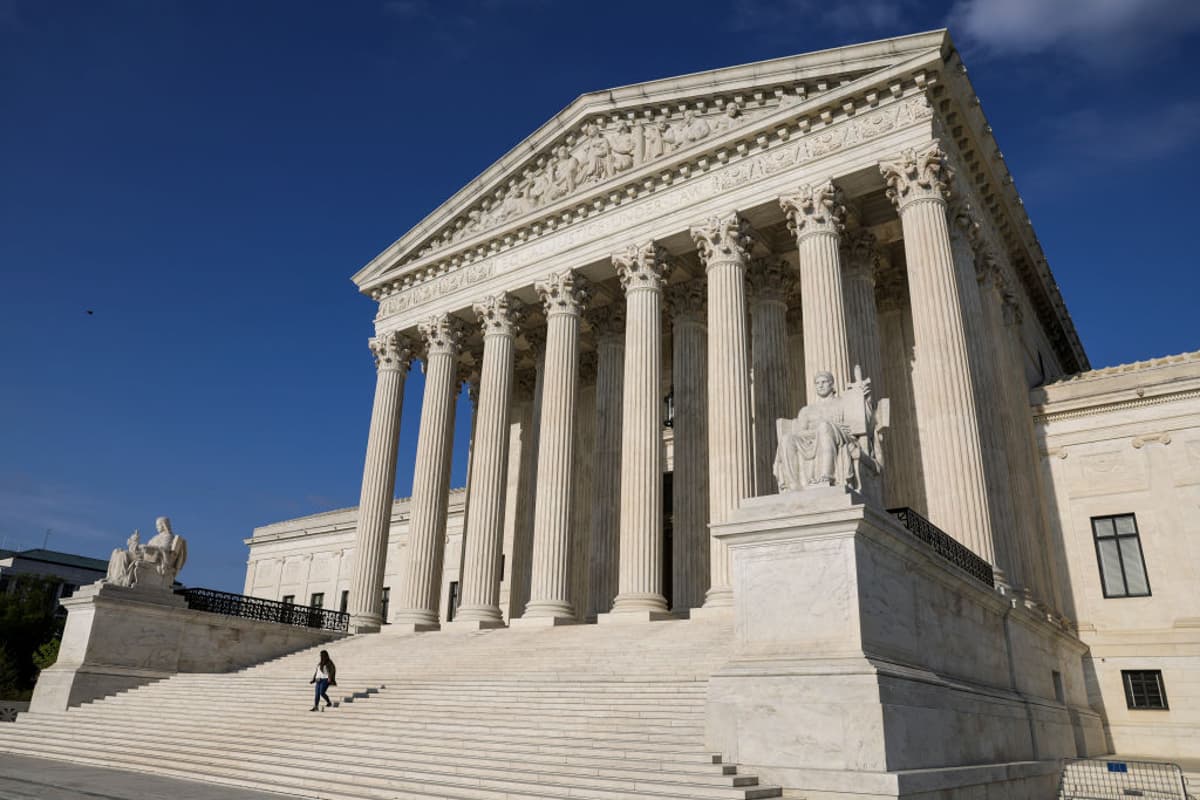
Jerry Goldman, founder of the Oyez Project, discussed how he spent 25 years digitizing the Supreme Court’s decaying audio archives and making them publicly searchable. He explained the technical hurdles of preserving reel‑to‑reel tapes, the partnership with Cornell’s Legal Information...
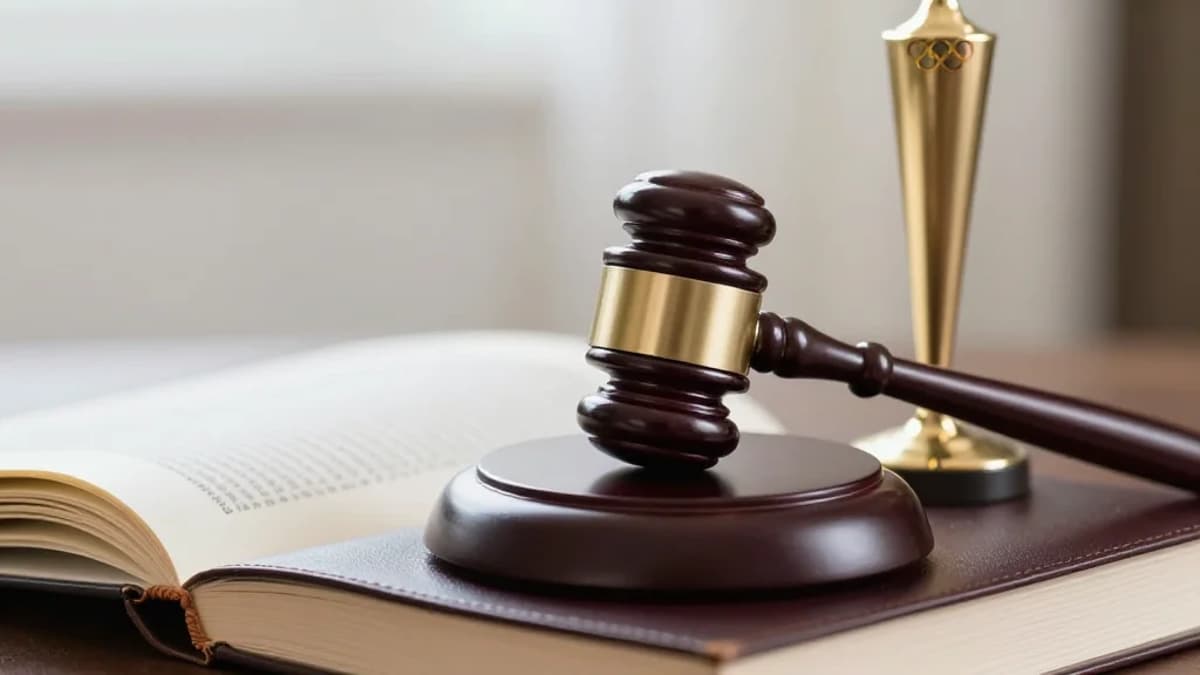
In 1986 the Supreme Court affirmed the United States Olympic Committee’s exclusive right to the word “Olympic” in *San Francisco Arts & Athletics v. United States Olympic Committee*, rejecting the Gay Games organizers’ First Amendment and equal‑protection claims. The majority...
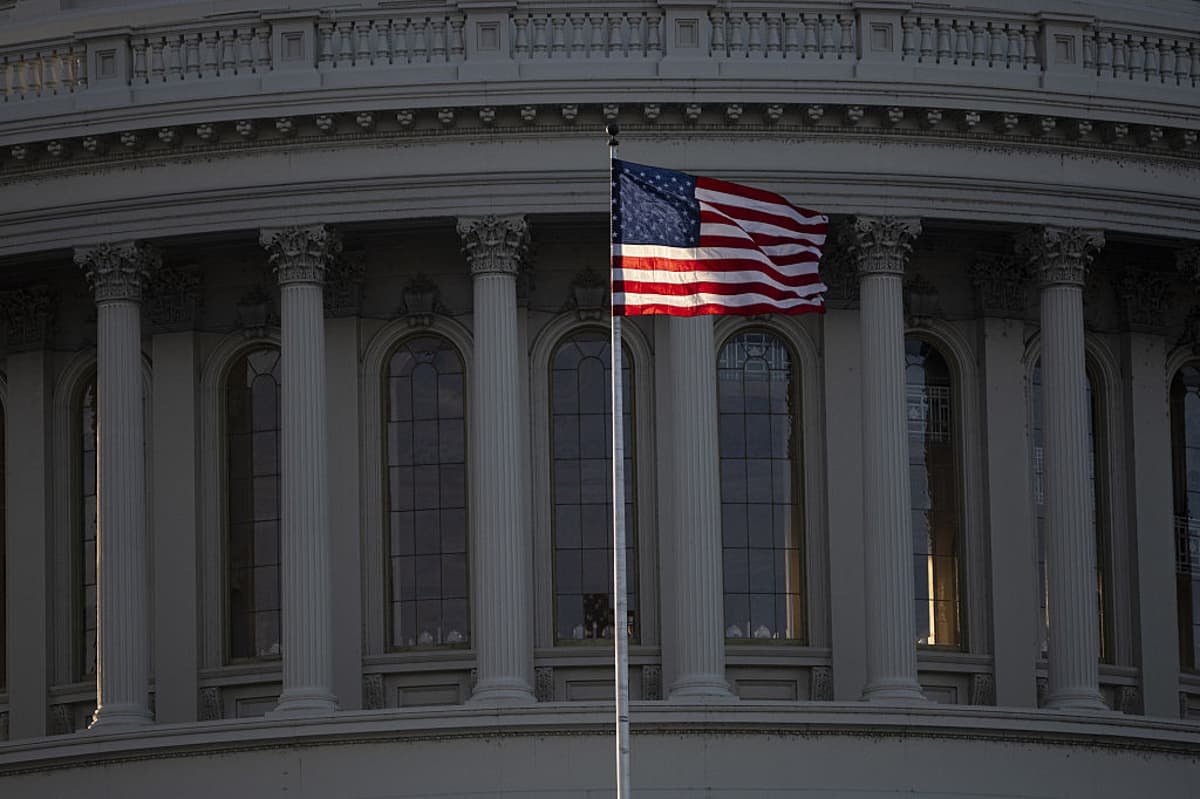
The article argues that the 14th Amendment’s birthright citizenship guarantee depends on both being born on U.S. soil and being “under the flag,” meaning subject to American jurisdiction. It explains that historic exceptions—diplomats, foreign‑flagged vessels, occupied territories, and tribal lands—are...
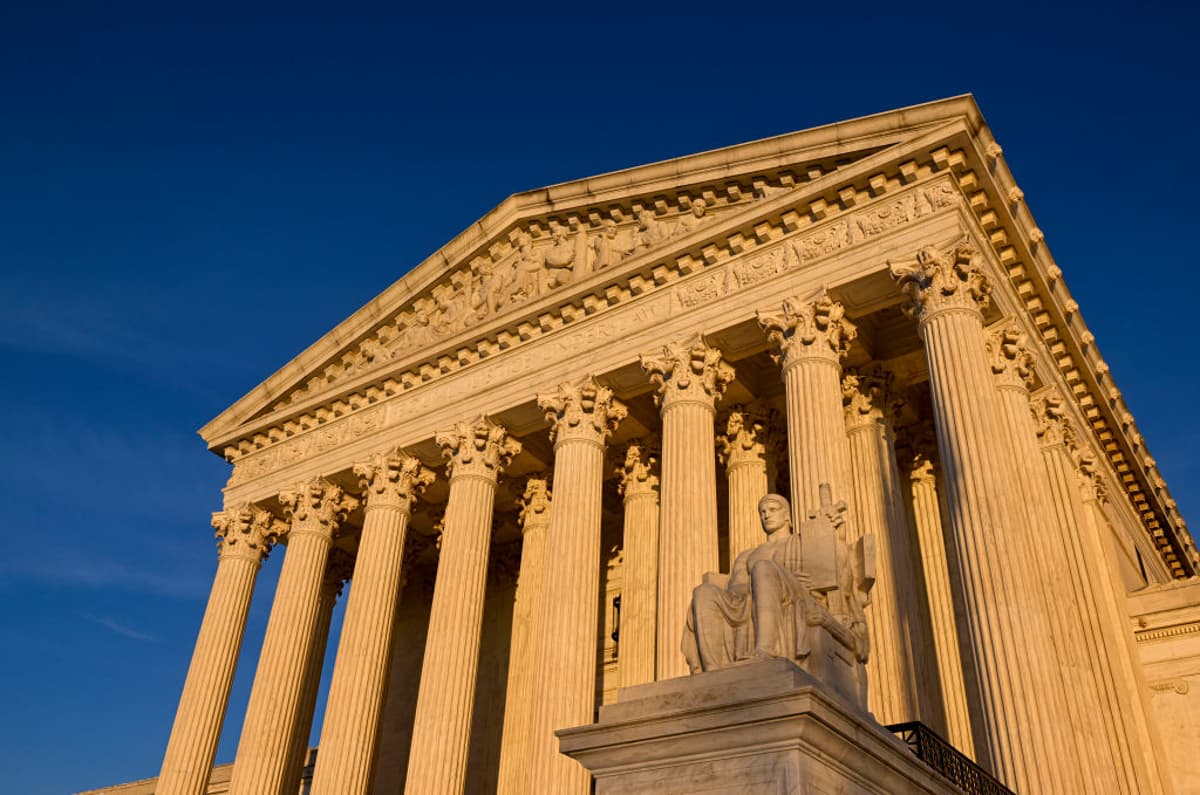
Syrian nationals filed a petition urging the Supreme Court to keep a New York federal judge's order that blocks the Trump administration's attempt to terminate their Temporary Protected Status (TPS). The petition argues the government has not demonstrated irreparable harm,...

A new empirical study of the 2023‑24 Supreme Court term shows that in 79% of cases the counsel changes as the dispute moves from the circuit courts to the high court. The shift is driven by a small, elite group...
On Monday the Supreme Court declined to hear several petitions, including Johnson v. High Desert State Prison, which asked whether indigent inmates can split a $350 filing fee when filing joint lawsuits. The Court added no new cases to its...

The Supreme Court will hear Hunter v. United States on March 3, examining how far a federal defendant can waive appellate rights in a plea agreement. Munson Hunter pleaded guilty to wire fraud, received a 51‑month sentence and a broad waiver...

The Supreme Court will hear Montgomery v. Caribe Transport II, examining whether the Federal Aviation Administration Authorization Act of 1994 (FAAAA) preempts state negligence claims against freight brokers for negligent hiring. The case stems from a 2017 Illinois crash where...
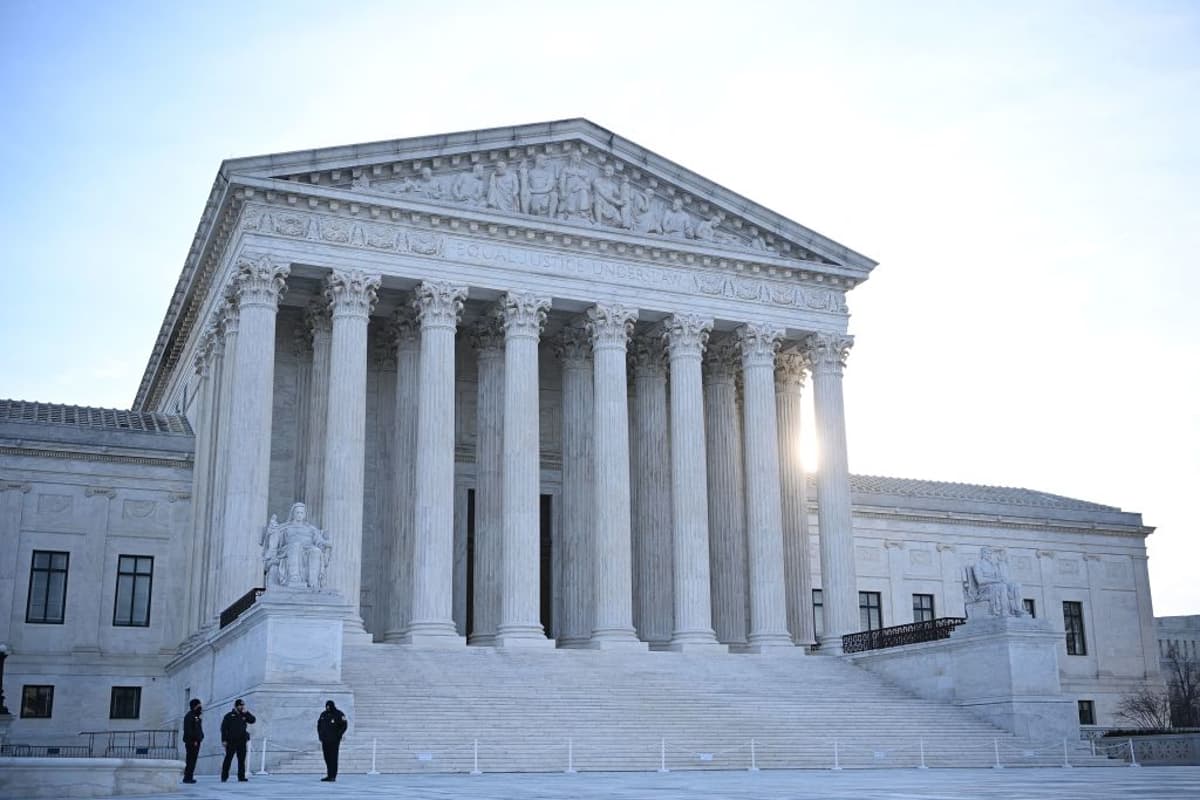
The Supreme Court heard Pung v. Isabella County, where taxpayer Michael Pung argues that a tax‑foreclosure auction sold his property below fair‑market value and thus violates the Fifth Amendment takings clause. The justices appeared convinced they will reject the takings...


