
Why Generic LLMs Fall Short for Critical Engineering Documentation
Engineering documentation demands absolute correctness, traceability, and version governance, which generic large language models (LLMs) cannot guarantee on their own. A new white paper from llmda.ai shows that building the necessary ingestion, grounding, audit, and publishing layers around a model like Claude can cost $1.5‑2.5 million annually and take 12‑24 months. The hidden expense includes staffing a multidisciplinary team and potential revenue delays of $5‑50 million. llmda Spectra, a purpose‑built platform, offers deterministic, source‑grounded automation designed for the product‑lifecycle needs of hardware and systems engineers.

Re-Spins Get You Fired, Says Intel CEO Lip-Bu Tan
Intel CEO Lip‑Bu Tan warned that any chip redesign beyond the first‑time pass (A0) will result in termination, underscoring Intel’s zero‑tolerance stance on re‑spins. He announced a new culture where only first‑time tape‑out passes are acceptable, with B0 still safe...

Caspia’s AI Makes You a Security Verification Expert
Caspia Technologies unveiled AI‑driven enhancements to its CODAx RTL static security tool, adding Asset Assist and Report Assist features. The new capabilities automatically identify security‑relevant design attributes and prioritize remediation, shrinking verification cycles from weeks or months to minutes or...

CFrame60: Rewriting the Rules of Frame Compression
Chips&Media unveiled CFrame60, a next‑generation frame‑compression IP that handles both raster‑scan and block‑based pixel ordering, eliminating large line buffers in 4K YUV422 pipelines. The family—CFrame60C, CFrame60V, and CFrame60R—offers lossless and lossy modes, random‑access decoding, and partial‑update capabilities, delivering compression ratios...
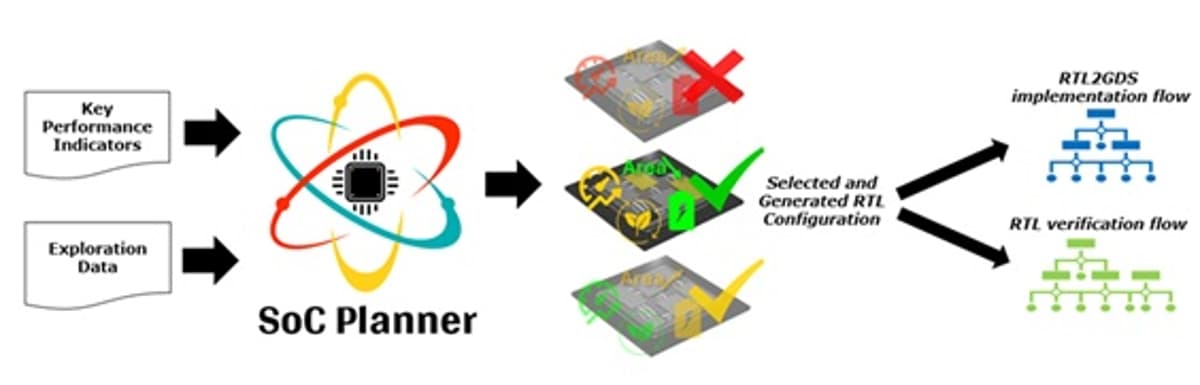
SoC PLANNER: A New Generation of SoC Design Exploration Solution Managing Cost-Effectiveness and Sustainability
The SoC PLANNER design‑exploration platform, now out of R&D after three years of French‑funded development, automates the end‑to‑end flow from KPI definition to RTL generation. By integrating CEA’s A‑DECA, Defacto’s SoC Compiler and Innova’s PDM, it evaluates millions of configurations...
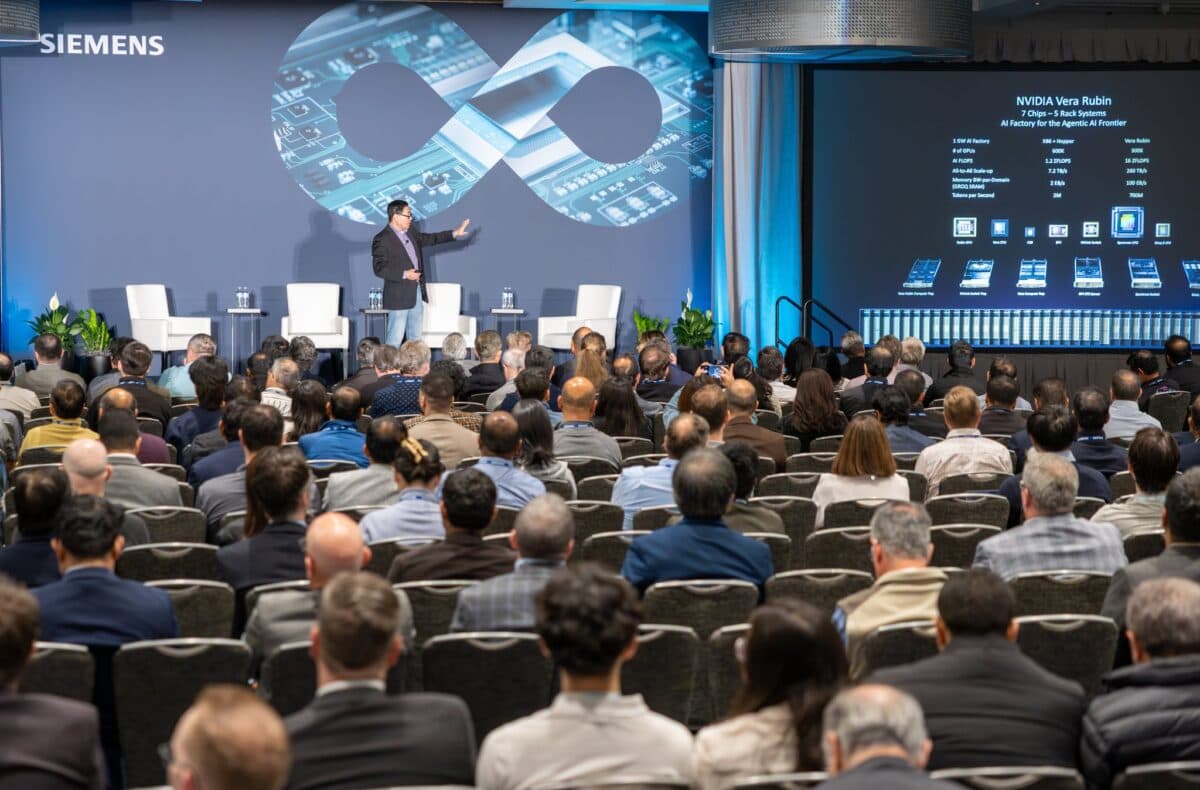
Engineering the Next Era of Semiconductor Innovation
The Siemens EDA User2User 2026 North America conference revealed a seismic shift in semiconductor engineering, driven by AI‑powered workflows, cloud‑scale compute, and system‑level design thinking. Siemens, NVIDIA, and AWS demonstrated how digital twins, AI agents, and hyperscale infrastructure can accelerate simulation, layout,...
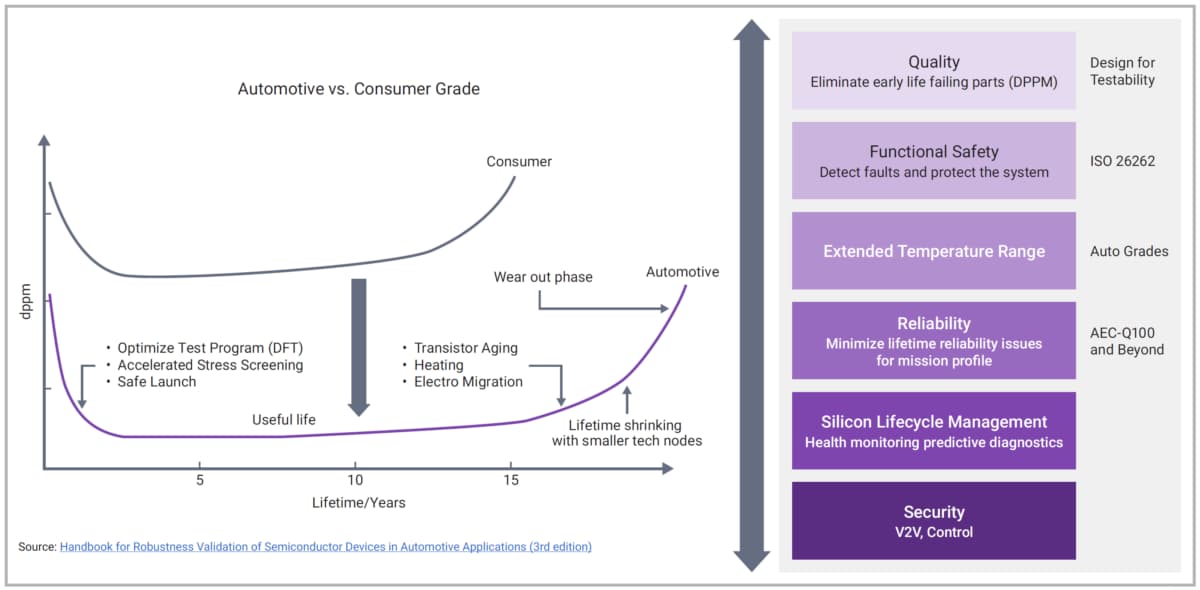
SRAM Compilers Targeting Automotive SoCs on Advanced Nodes
Synopsys released a white paper showing its SRAM compilers can optimize embedded memory for automotive system‑on‑chips built on TSMC’s 5 nm N5A and 3 nm N3A processes. By distributing SRAM blocks across the die, designers can cut data‑move latency for AI inference...
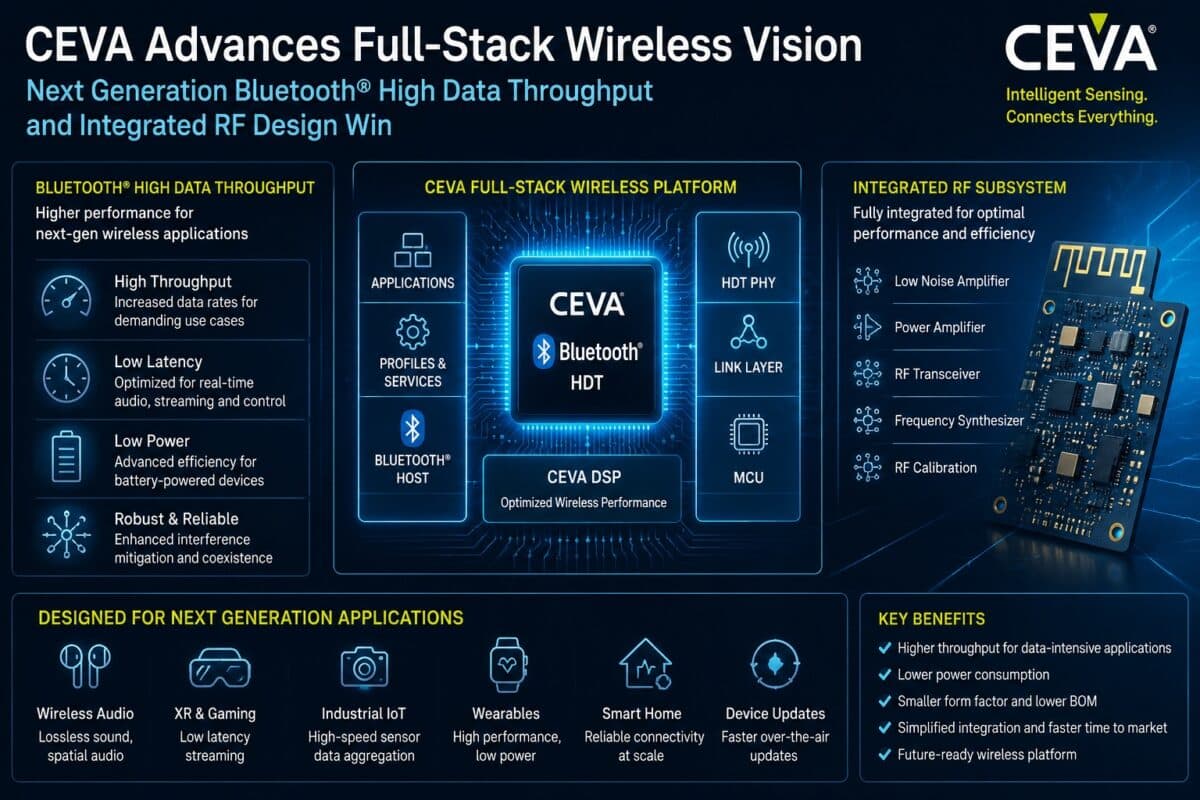
CEVA Accelerates Wireless Edge Innovation with Bluetooth HDT and Integrated RF Design Win
CEVA, a leading licensor of wireless connectivity IP, announced its next‑generation Bluetooth High Data Throughput (HDT) platform alongside an integrated RF subsystem design win. The HDT solution raises Bluetooth data rates to support lossless audio, XR streaming, and edge‑AI sensor...
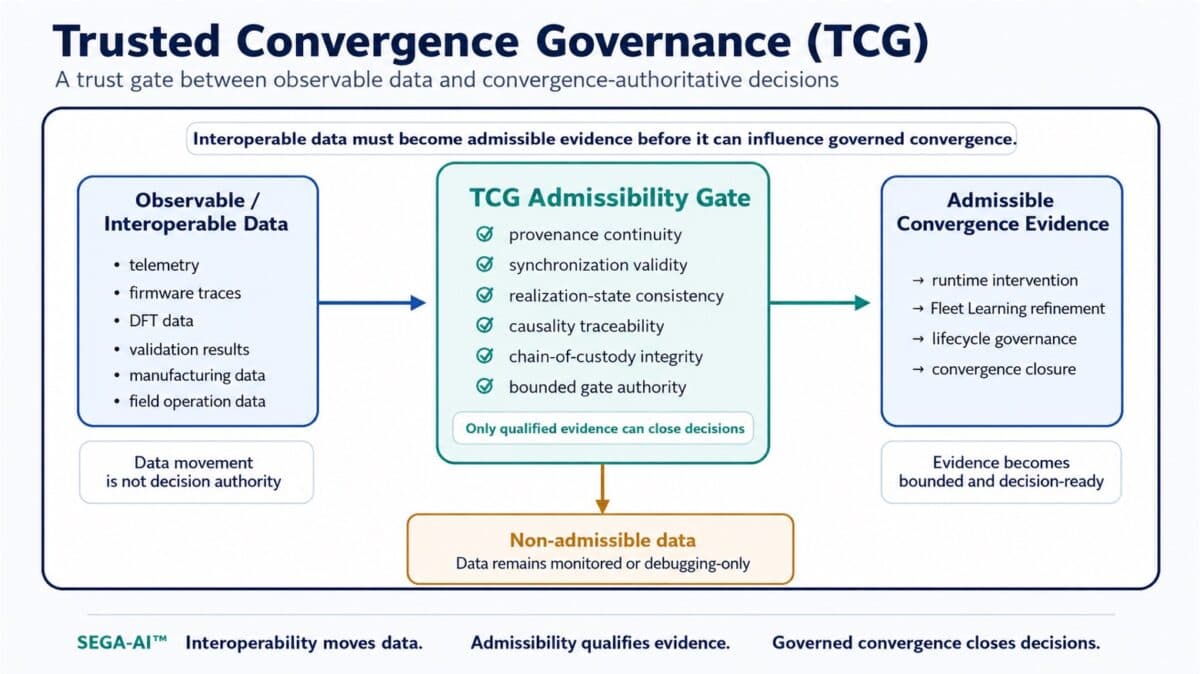
Trusted Convergence Governance: Preserving Admissibility Integrity Across Heterogeneous Semiconductor Systems
Trusted Convergence Governance (TCG) introduces a bounded admissibility gate that validates operational evidence before it influences convergence decisions in heterogeneous semiconductor systems. The framework, embodied in SEGA‑AI™, ensures provenance continuity, synchronization integrity, realization‑state consistency, and causality traceability across chiplets, 2.5D/3D...
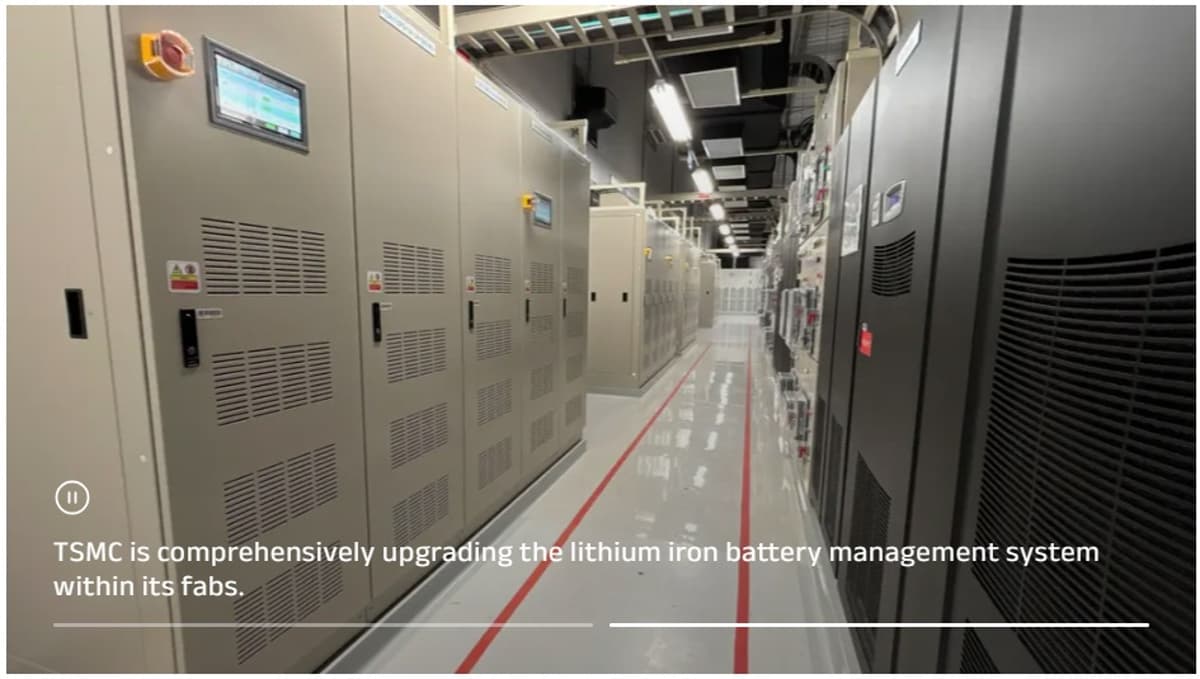
TSMC Powers Up: 408,000 Batteries Get a Safety Intelligence Upgrade
Taiwan Semiconductor Manufacturing Company (TSMC) is upgrading roughly 408,000 lithium‑iron‑phosphate batteries across its global fabs, replacing legacy lead‑acid units with smarter LFP systems. The third‑generation battery‑management system (BMS) adds real‑time monitoring of voltage, current, temperature, state‑of‑charge and health, and integrates...
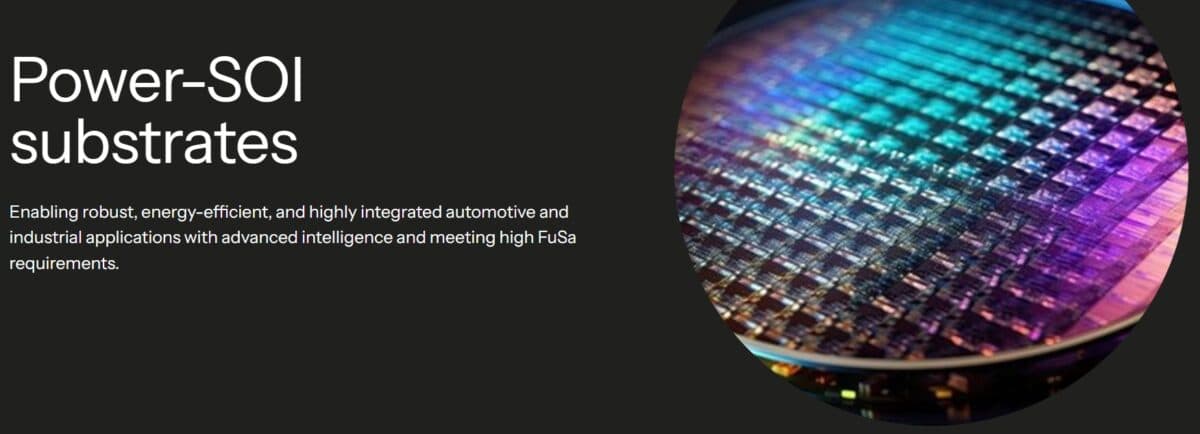
Power-SOI: The Reliability Engine Behind Functional Safety ICs
Power‑SOI is emerging as the core platform for next‑generation functional‑safety ICs used in autonomous vehicles, industrial automation, and robotics. By employing a buried‑oxide layer and deep‑trench isolation, it eliminates parasitic bipolar structures that cause latch‑up, leakage, and substrate noise. The...
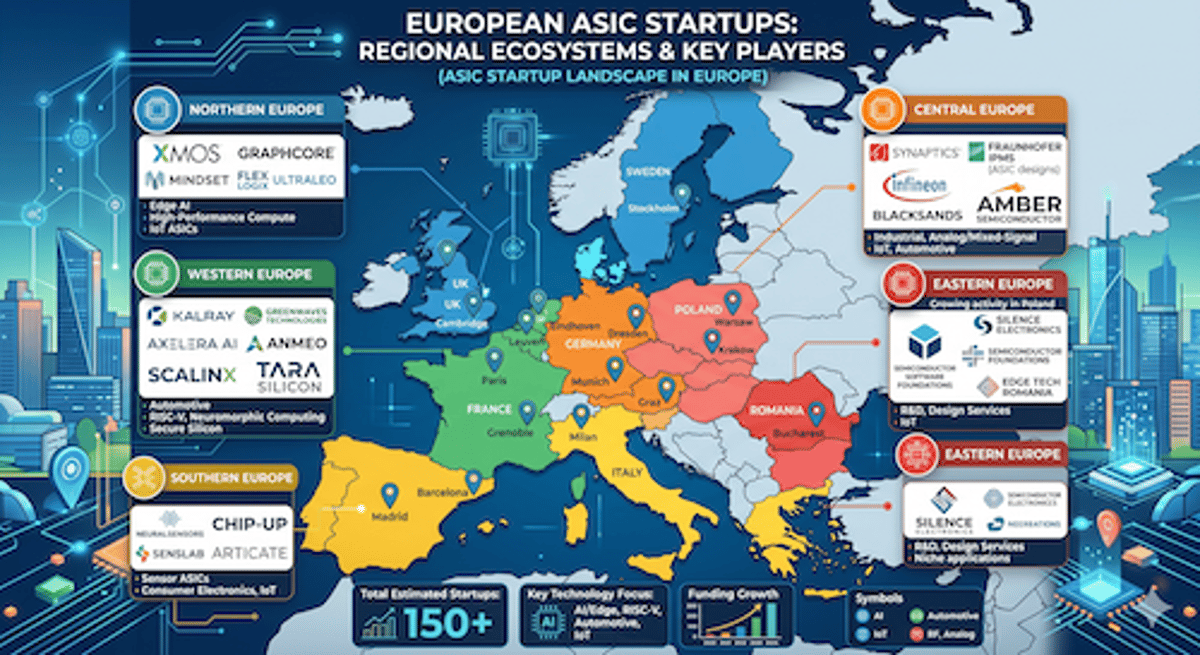
Europe Is Getting Serious About ASIC Innovation
European ASIC innovation is gaining momentum as startups secure substantial funding and policy support. Companies such as Fractile, Axelera, Arago and Vertical Compute have raised $220 M and $250 M respectively to develop next‑generation inference engines, while collaborations like Quintaris and Semidynamics...
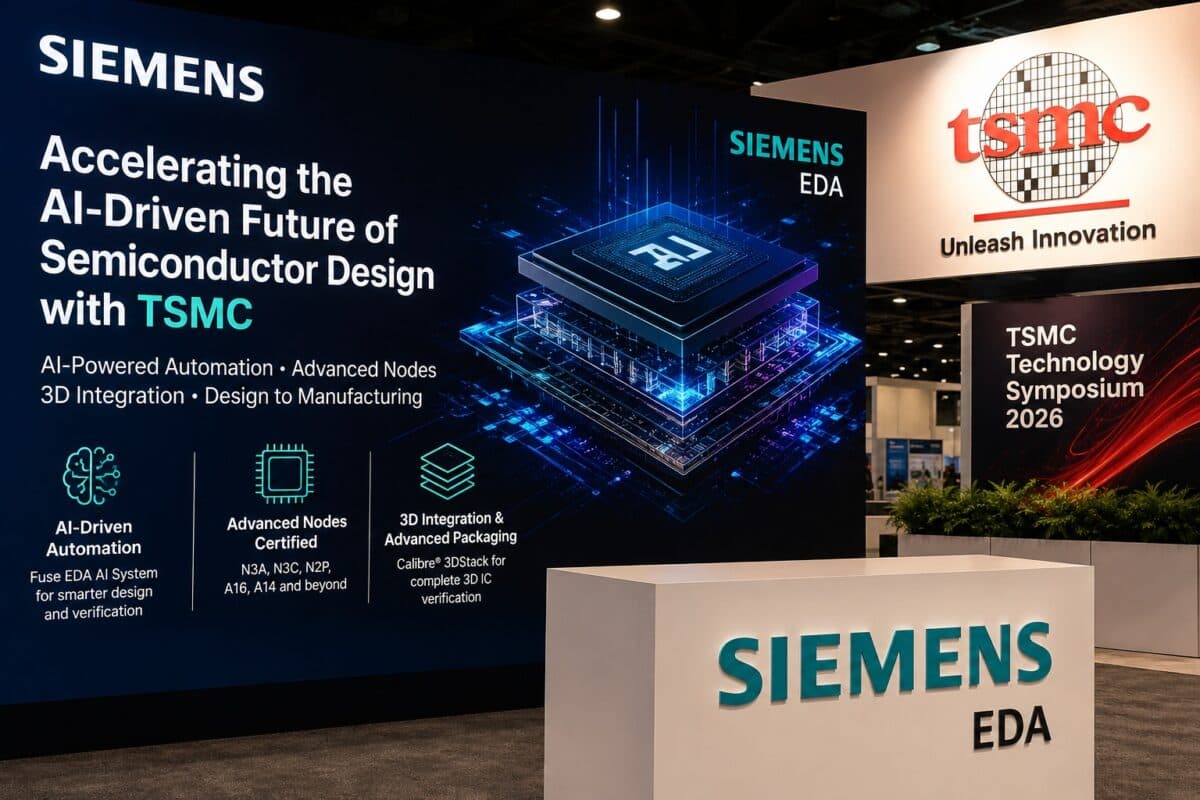
Siemens EDA Expands AI and Advanced Packaging Collaboration with TSMC
Siemens EDA announced an expanded AI‑driven collaboration with TSMC at the 2026 Technology Symposium, targeting automated design rule checking, AI‑assisted physical verification, and intelligent design optimization via its Fuse AI System. The partnership includes certification of Siemens tools on TSMC’s...
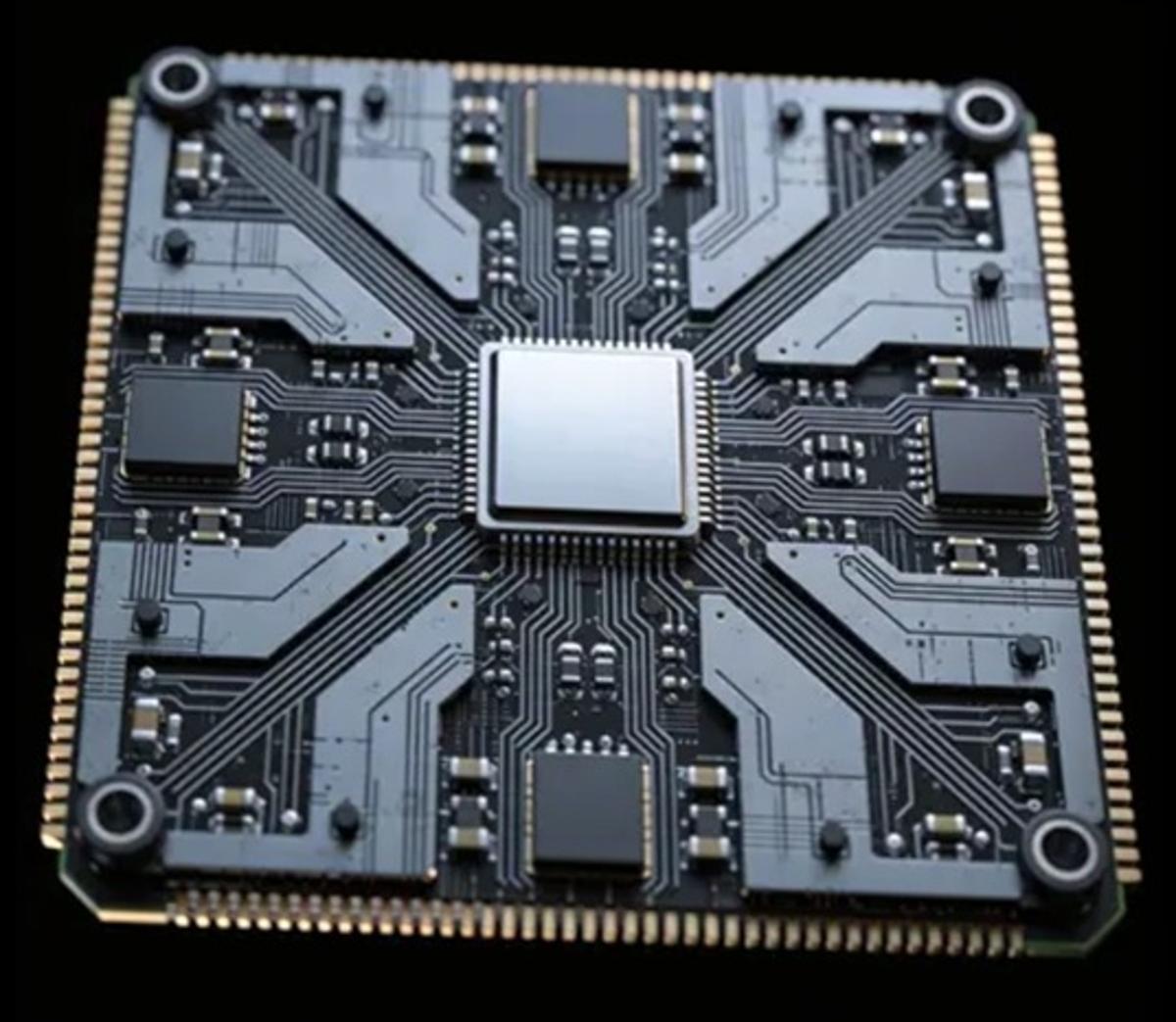
Semidynamics Secures a Strategic Investment to Advance Memory-Centric AI Inference Chips
Semidynamics announced a strategic investment to accelerate its memory‑centric AI inference chips, aiming to overcome the industry’s “memory wall.” The funding will expand engineering teams, speed product development, and deepen ecosystem partnerships. By re‑architecting silicon around memory efficiency, the startup...

Quantum Gathering Momentum Amid Concerns for the Grid
Neutral‑atom quantum computers are gaining traction thanks to their ability to move qubits and perform direct entanglement, cutting error rates and shrinking the logical‑to‑physical qubit ratio. Recent research suggests that as few as 1,500 logical qubits could break the ECC‑256...