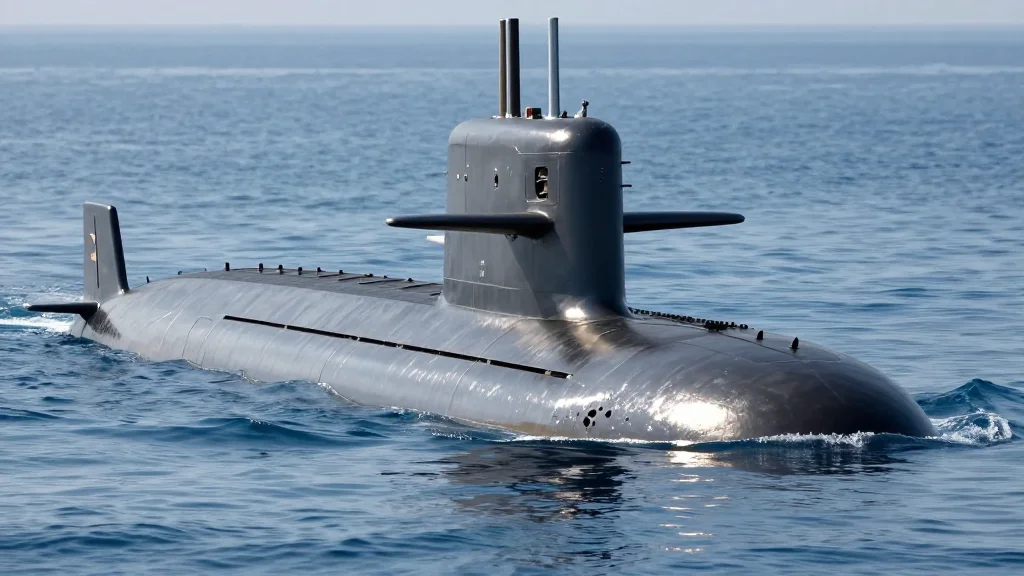
Australia’s Revised Defence Investment Plan: What It Means for Naval Warfare
Australia unveiled its 2026 National Defence Strategy, allocating up to A$130 billion (≈US$96 billion) for under‑sea warfare and committing the Royal Australian Navy to nuclear‑powered submarines, autonomous platforms, and a larger surface‑combatant fleet. The broader Integrated Investment Program totals A$425 billion (≈US$305 billion) through 2035‑36, adding A$14 billion over four years and A$53 billion over the decade, for a cumulative extra A$117 billion (≈US$87 billion). Defence spending is projected to rise to 3% of GDP by 2033, reflecting a significant shift in Australia’s security posture.
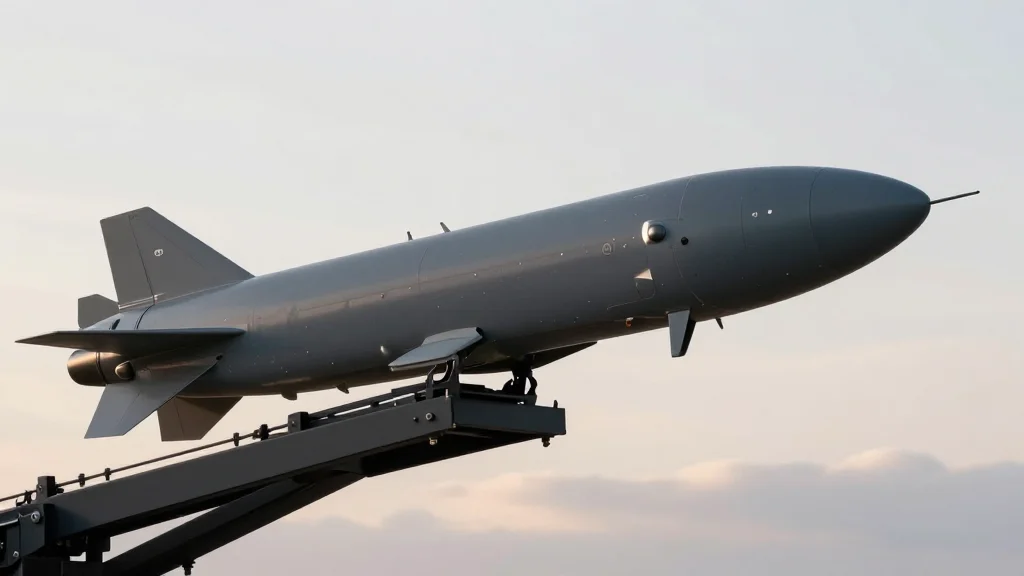
Can UK Interceptor Efforts Keep Pace with the Rising Drone Threat?
The UK Ministry of Defence has awarded Cambridge Aerospace a multi‑million‑pound contract—roughly $6.5 million—to supply its Skyhammer interceptor missile system. Deliveries start in May and will continue over the next six months, bolstering the MoD’s counter‑UAS (CUAS) portfolio. The move follows...
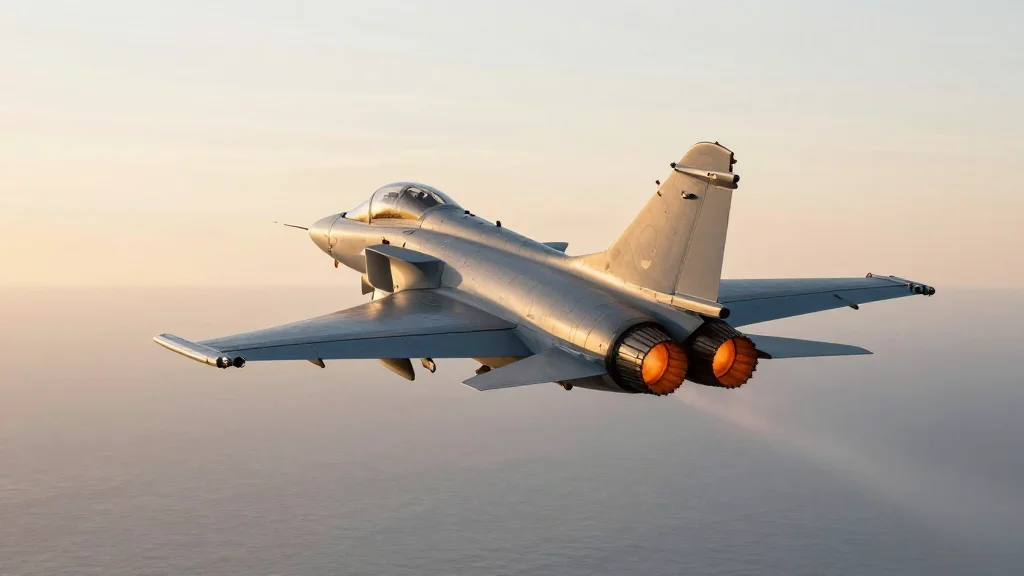
Saab Gripen E/F: The Multirole Fighter That’s Seeing a Resurgence (Updated 2026)
The JAS 39E/F Gripen is enjoying a resurgence, with its order backlog now exceeding a hundred aircraft. Recent contracts from Sweden, Brazil’s F‑X2 program, and a pending UK deal underscore its appeal as a cost‑effective multirole fighter. Saab’s carrier‑capable Gripen Marine...

Could the USCG Icebreaker Requirement Open the Door for More Inland Shipbuilding?
On April 2, Fincantieri Marine Group, Fraser Shipyards and Donjon Marine announced the Fourth Coast Shipbuilding Alliance, a coalition aimed at bringing new shipbuilding programs to the Great Lakes region. The alliance’s first goal is to win a U.S. Coast...
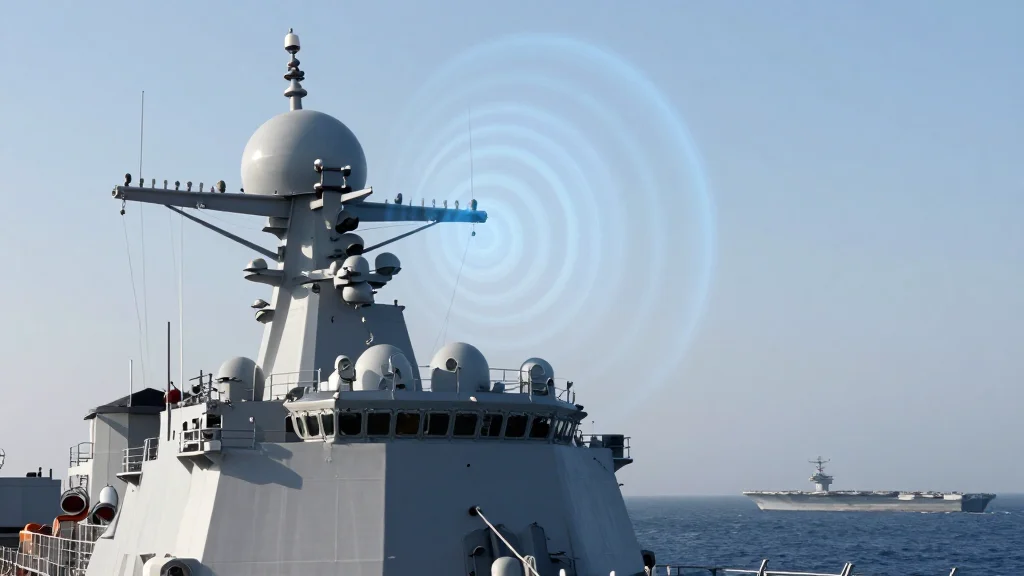
US Navy Bets on Radio Frequency to Increase Vessel Protection Against Aerial Threats
The U.S. Navy is fielding Northrop Grumman’s radio‑frequency‑based SEWIP Block 3 to protect its surface fleet from missiles and drones. The first system was installed on the Arleigh Burke‑class destroyer DDG‑91, marking the initial operational deployment. SEWIP Block 3 will be fitted to...
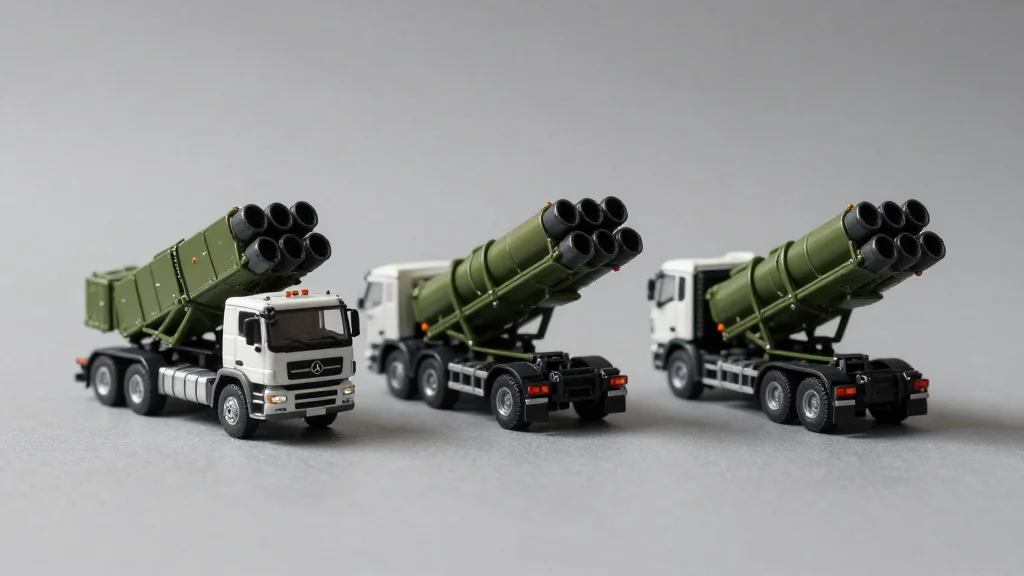
Greece Opts for PULS Long-Range Artillery as Demand for Capability Surges
Greece has signed a €650 million (≈US$750 million) contract with Elbit Systems for its PULS (Precise and Universal Launching System) modular, truck‑mounted artillery rocket system. The four‑year delivery includes launchers, precision‑guided rockets of various ranges, loitering munitions and training rockets, plus a...
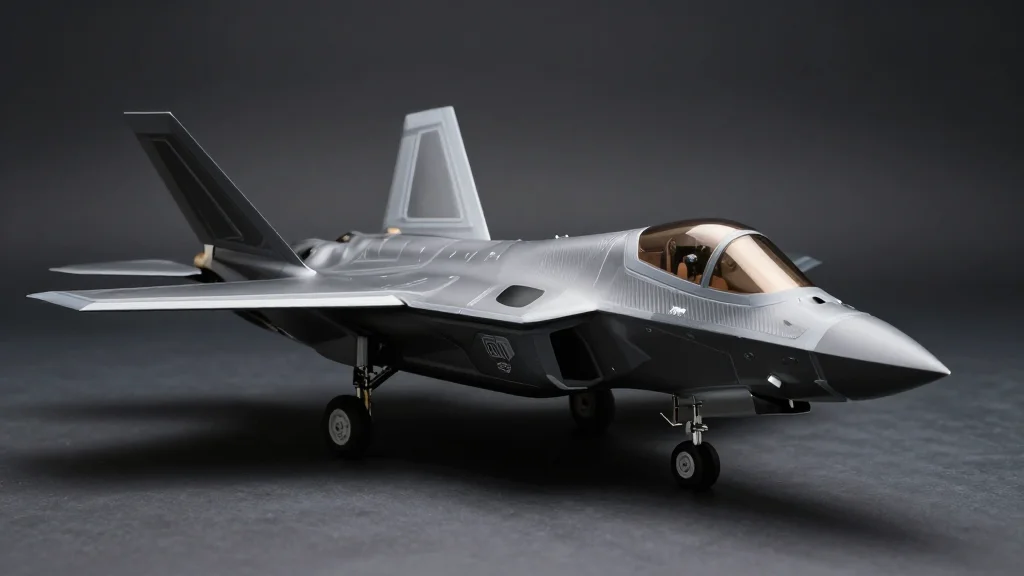
First GCAP Contract Marks Milestone for Edgewing, While UK Waits on Further Funding
Edgewing, the BAE Systems‑led joint venture, has secured its first international contract from the Global Combat Air Programme (GCAP) agency, worth £686 million (≈US$908 million). The design and development agreement runs until June 2026 and funds engineering work on the sixth‑generation fighter slated...

Has France Quietly Become Europe’s Real Naval Power?
France’s Marine Nationale is emerging as Europe’s pre‑eminent naval force, driven by a steady cadence of shipbuilding, an operational nuclear‑powered carrier, and a growing defense export portfolio. The carrier Charles de Gaulle was deployed to the eastern Mediterranean in March 2025, underscoring...
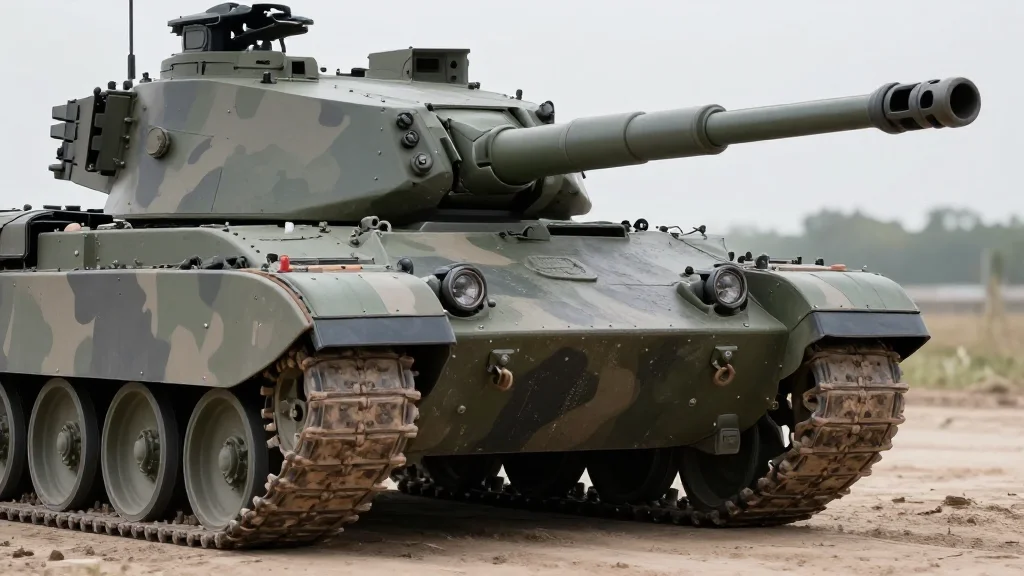
Leopard MBT: Alpha Beast Gets a Reboot (Updated 2026)
The Leopard main battle tank family, originating in the 1960s and refined with the Leopard 2 in the 1970s, remains Germany’s flagship armored platform. Over six decades, the series has been continuously upgraded to meet evolving threats, keeping it competitive against...
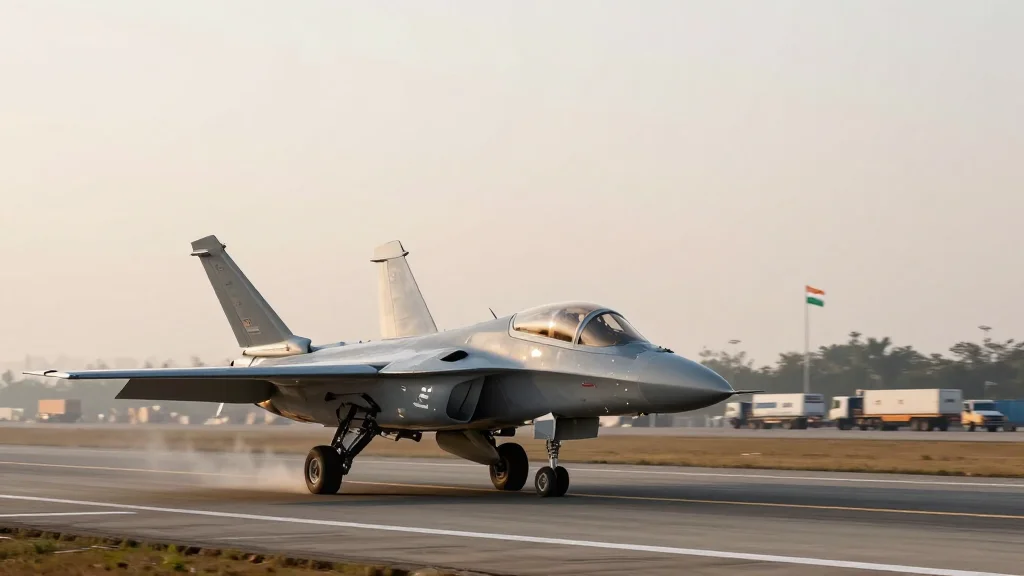
Predicted Air Defence Spending Boom Opens Doors to Indian Industry
Global air‑defence spending is projected to jump $400‑500 billion over the next five years, spurred by heightened threat perceptions after Iran's recent drone and missile attacks. Bloomberg Intelligence warns that nations are scrambling to fill gaps in low‑cost layered defence systems...

UK SMEs Remain Vulnerable in Effort to Help Build Sovereign Capabilities, JCNSS Report Warns
The Joint Committee on the National Security Strategy (JCNSS) warned that UK small and medium‑sized enterprises (SMEs) remain vulnerable as the government delays its Defence Investment Plan. The report, released on 27 March, says insufficient guidance and support are preventing SMEs...
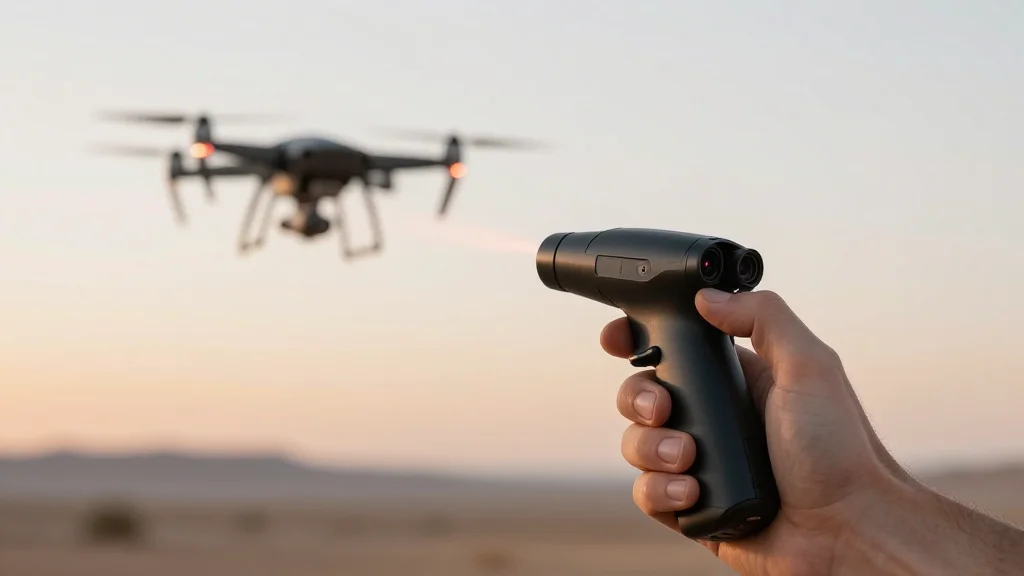
March Land Forces Roundup: A New War Confronts the Old Drone Problem
The United States and Israel launched a series of strikes against Iranian nuclear and missile facilities in late February. Iran responded with a wave of missile and uncrewed aerial system attacks aimed at Israeli and U.S. interests throughout the Gulf,...
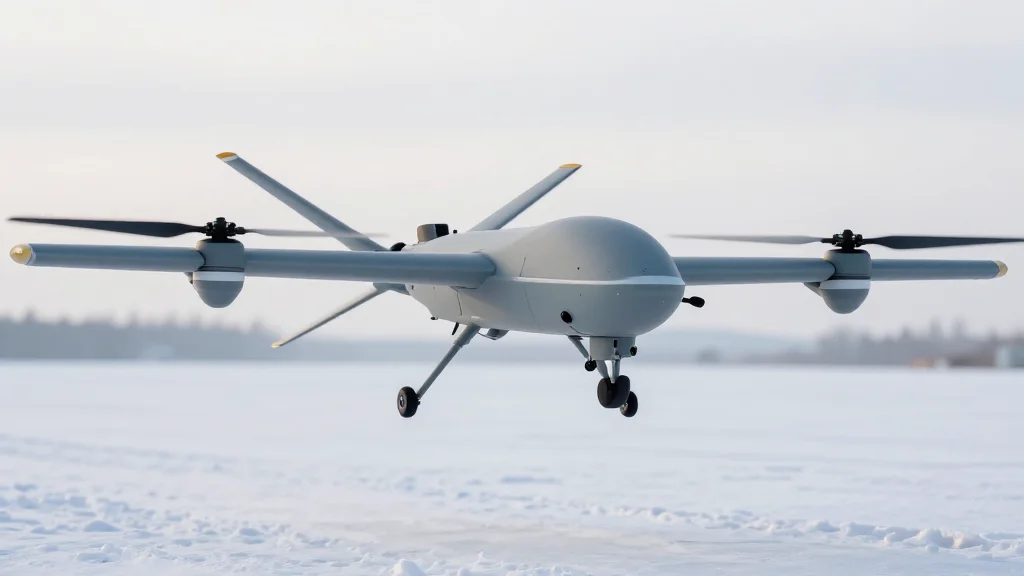
Norway Revitalises Effort to Acquire a Tactical-Class UAV with $103 Million Competition
Norway’s Defence Material Agency has relaunched a procurement for a tactical‑class unmanned aerial vehicle, issuing a pre‑qualification notice on 31 March 2026. The framework agreement is valued at up to NOK 1 billion (approximately US $103 million) for a four‑year term, with options to extend...
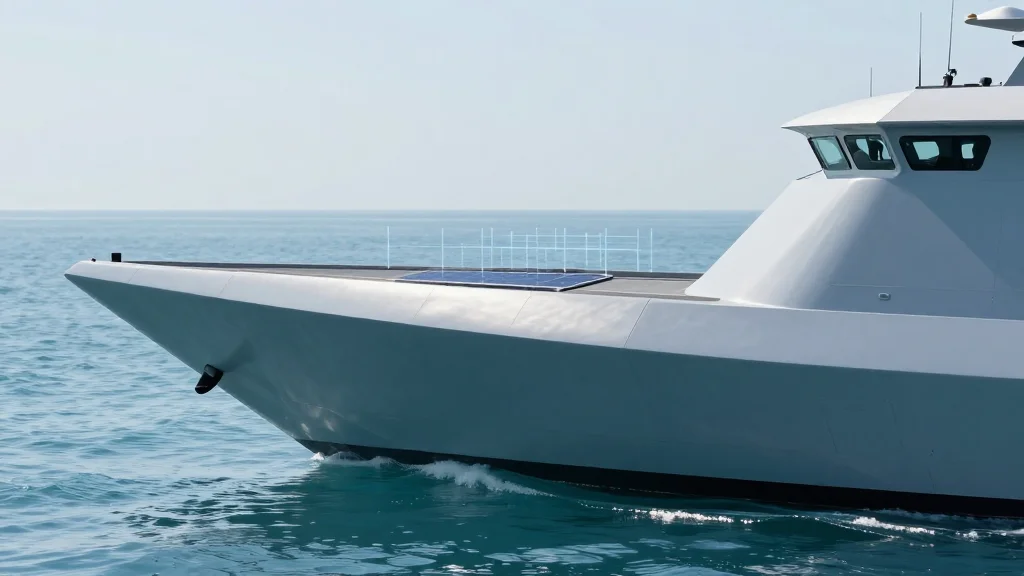
Australia Is Ramping up Its Uncrewed Surface Fleet as Sea Archer Lines up for Key Requirement
Australia is investing US$138 million to acquire 40 long‑range Bluebottle uncrewed surface vessels (USVs), expanding the Royal Australian Navy's fleet to 55 vessels. The Bluebottles, already operating 15 units, have collectively logged 145,828 nautical miles as of September 2025. Minister Pat Conroy...
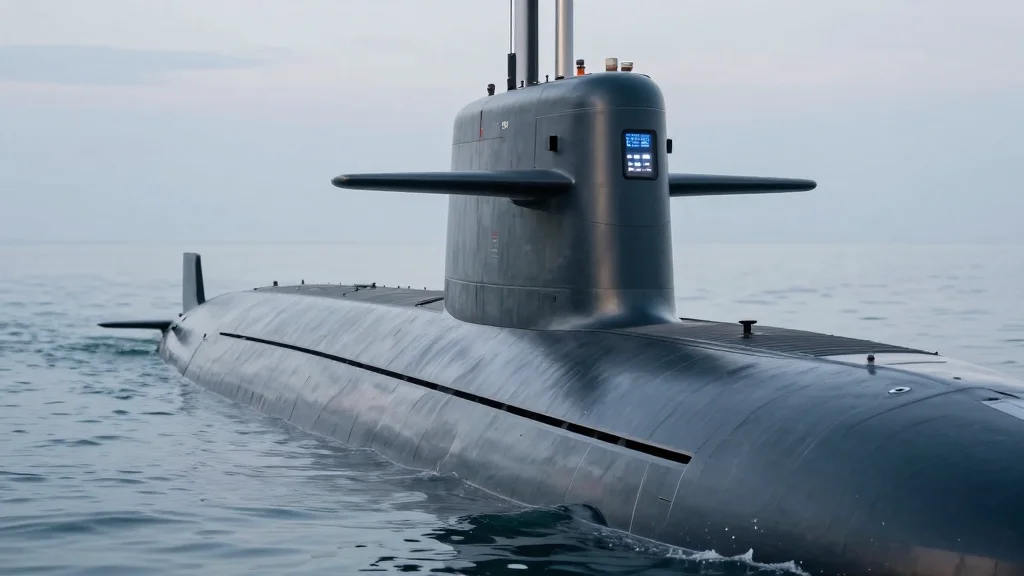
What Does Saab’s Operations Shake-Up Mean for Its New ‘Naval’ Chapter?
Saab announced that its Kockums and Naval Combat Systems divisions will merge into a single business area called Naval, effective 1 April 2026. The restructuring combines Kockums’ expertise in submarines, surface vessels and autonomous underwater vehicles with Naval Combat Systems’ combat management,...
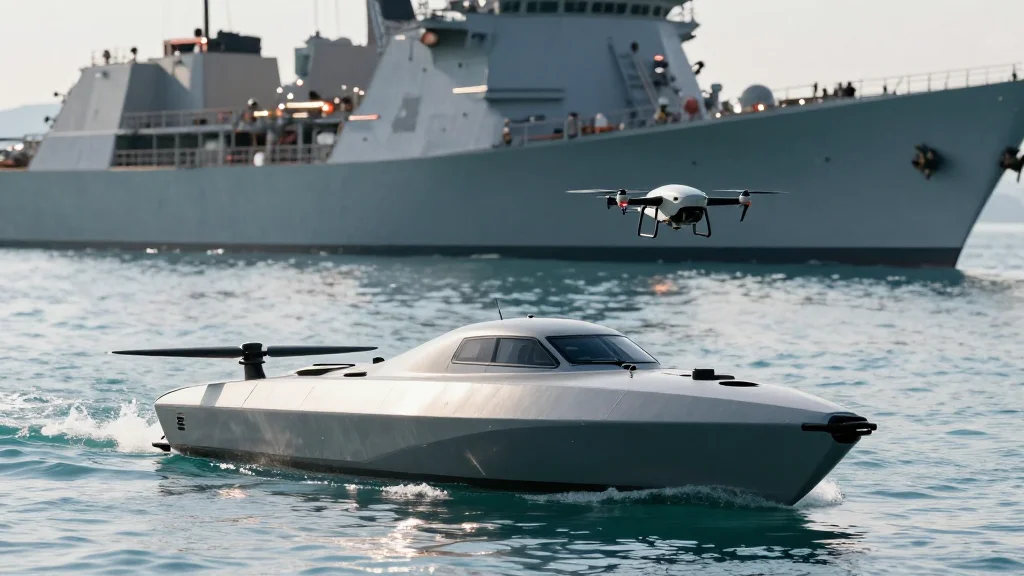
Iran and the Future of Amphibious Operations: Crewed and Uncrewed Solutions
The United States is positioning thousands of Marines and the 82nd Airborne Division for a possible amphibious operation against Iran, potentially targeting Kharg Island to reopen the Strait of Hormuz. While traditional landing craft will still be used, the U.S....
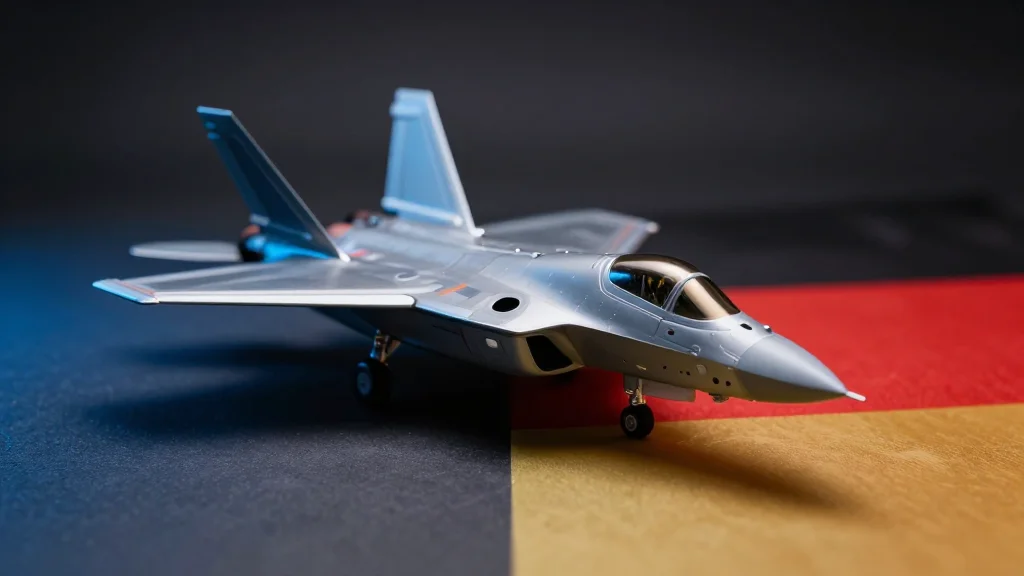
Franco-German Alliance Aims to Resolve FCAS Woes by End of April as Dispute Rolls On
The Franco‑German Future Combat Air System (FCAS) programme, a €100 billion ($115 billion) sixth‑generation fighter project, is embroiled in a dispute over work‑share distribution. France has asked for roughly 80 % of the work, prompting German Chancellor Friedrich Merz to appoint joint moderators to...
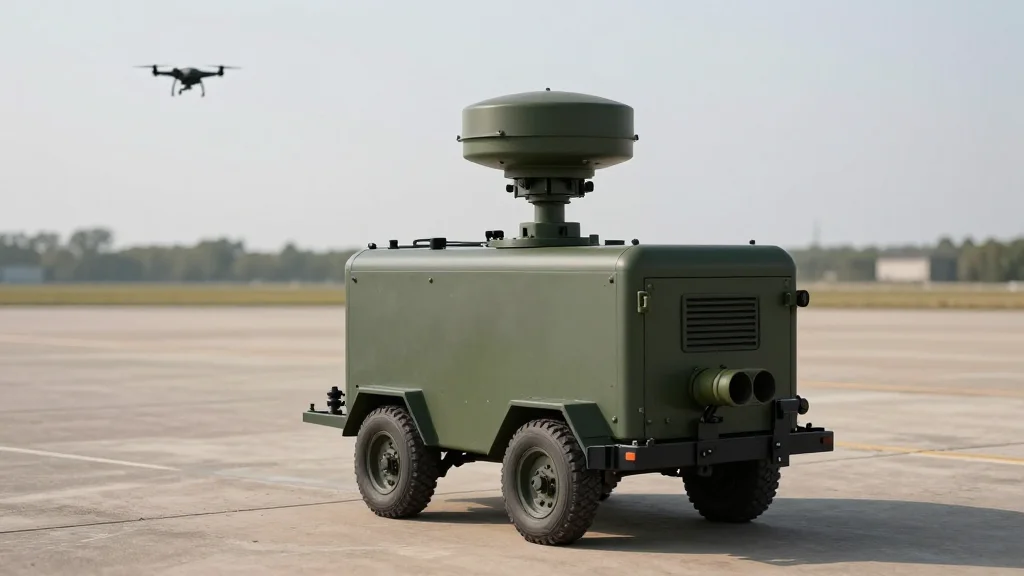
US Air Force Is Eyeing Cost-Effective Automated Counter-Drone Solutions
The U.S. Air Force has issued a Request for Information seeking automated, expeditionary counter‑drone solutions that can be rapidly deployed to protect airbases and forward operating sites. The AFRL‑led RFI, due 7 April, targets integrated systems capable of 24/7 point‑defense against...
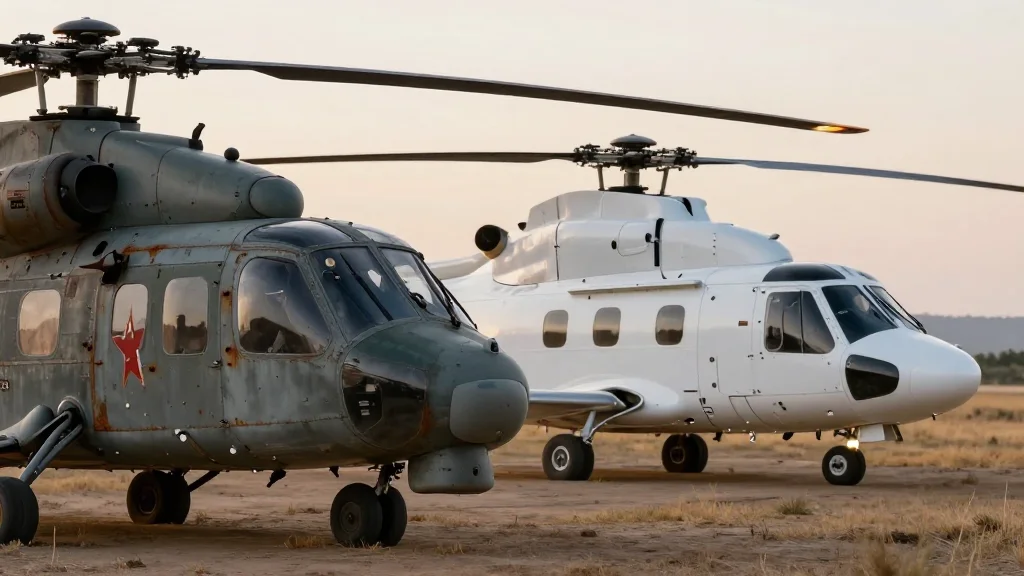
Dormant Helicopter Programmes in Africa and Asia Present Opportunities
Ageing Soviet-era helicopters in Africa and Asia are creating capability gaps as modernisation programmes stall. The Russian invasion of Ukraine and subsequent CAATSA sanctions have disrupted traditional supply chains, halting upgrades for at least 13 identified programmes. Western manufacturers, such...

New US$1.4 Billion Package to Boost Canada’s Defence Capabilities
The Canadian Department of National Defence unveiled a CAD 2 billion (approximately US $1.4 billion) investment package aimed at modernising the armed forces. The funding targets space‑based intelligence, surveillance and reconnaissance (ISR) systems, new small‑arms, and expanded ammunition manufacturing capacity. It forms part of...
Growing a Digital Backbone: An Essential Capability for the Multi-Domain Battlespace (Studio)
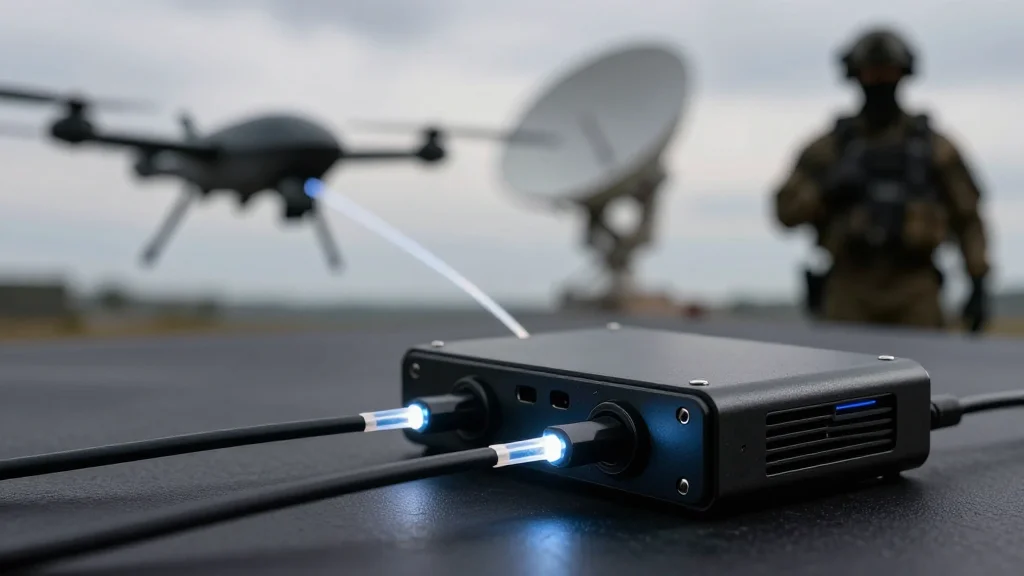
Rheinmetall Digital Systems unveiled Battlesuite, an open‑architecture digital ecosystem designed to deliver true multi‑domain connectivity across land, air, sea, cyber and space. The platform tackles legacy fragmentation, data silos and slow procurement by fusing sensor data in real time and...
Electric and Hybrid Aerial Drone Fleets Are Expanding Their Footprint
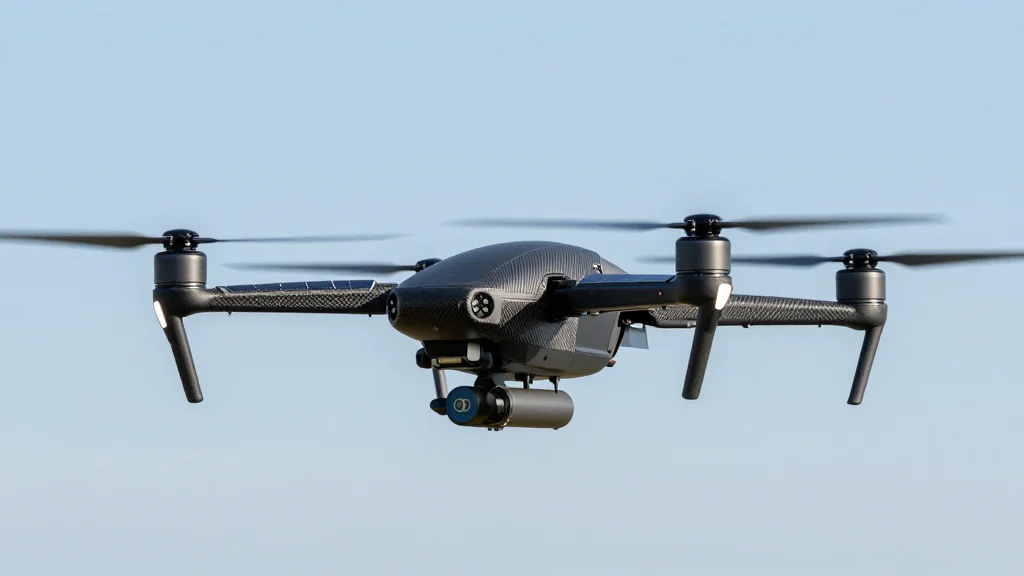
Renewable‑powered uncrewed aerial vehicles are moving from prototype to frontline deployment, with electric and hybrid drones gaining traction across Western militaries. The UK Royal Navy cleared the T‑150 for combat, while the United States and France are pouring funds into...
Estonia Opts for Smart, Adaptable and Cooperative Solutions in the Face of Russian Threat
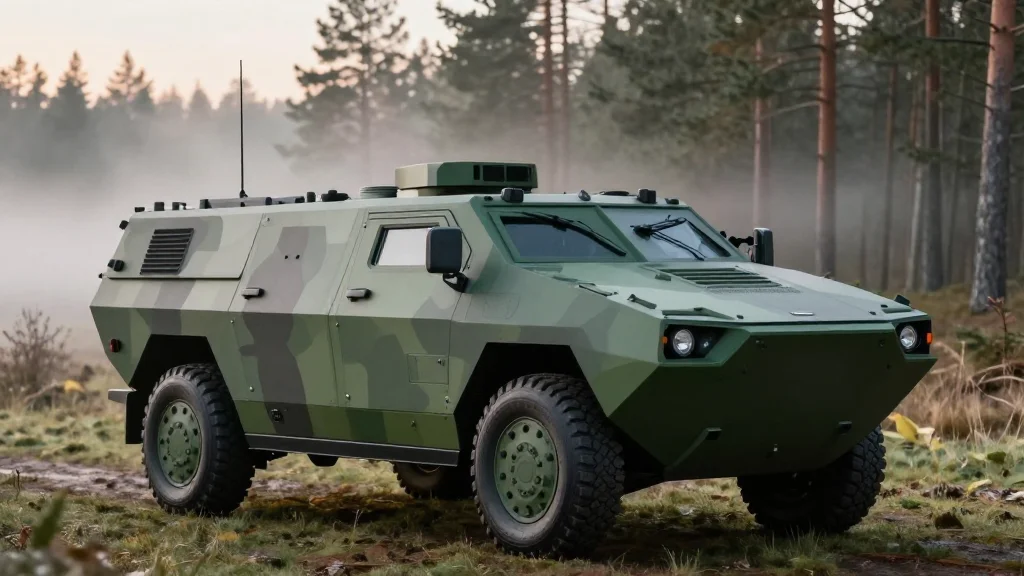
Estonia is prioritizing smart, adaptable and cooperative defence solutions as the Russian threat looms. With a population of 1.3 million and the EU’s third‑smallest GDP, it has narrowed procurement and focused on joint ventures. Its domestically produced equipment is now being...
How Uncrewed Rotary Platforms Are Shaping Approaches to Contested Logistics
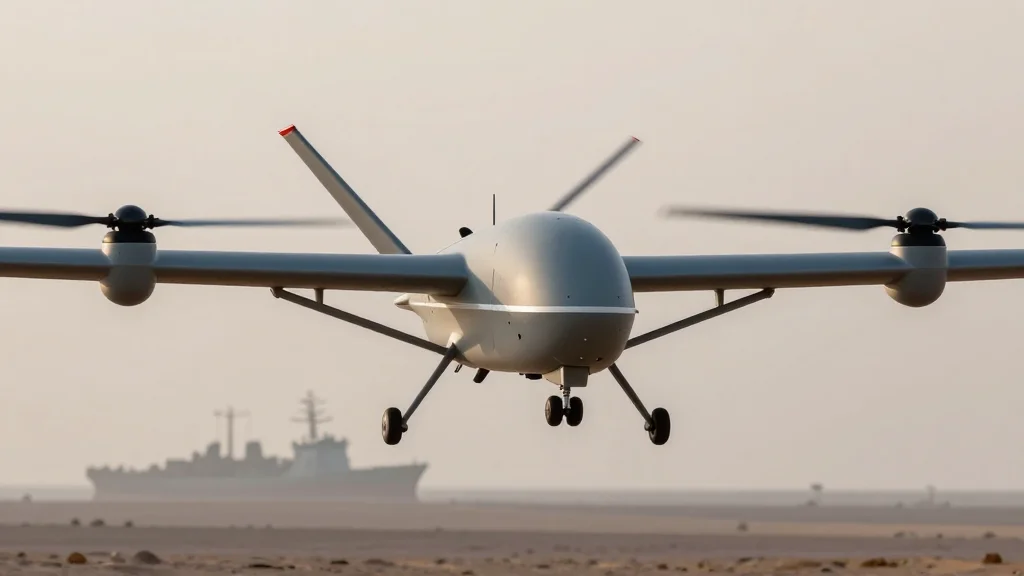
The defense sector is accelerating development of uncrewed rotary aircraft to support logistics in contested environments. Airbus leads the effort with its MQ‑72C, built for the U.S. Marine Corps Aerial Logistics Connector demonstration. These UAVs are derived from existing crewed...

Could an Outdated US Army Organic Industrial Base Threaten US Readiness?
The U.S. Army’s organic industrial base (OIB) still relies on World War II‑era production methods, causing delays, cost overruns, and limiting the ability to produce ammunition and sustain ground vehicles. Over $5 billion has been invested in the past four years, yet...

Eastern European Helicopter Modernisation Could Open Doors for Western Manufacturers
Eastern European nations are accelerating helicopter modernisation to replace ageing Soviet‑era fleets, spurred by the 2022 Russian invasion of Ukraine. Hungary’s recent purchase of 16 Airbus H225M helicopters exemplifies the region’s pivot toward Western technology. The drive is motivated by...
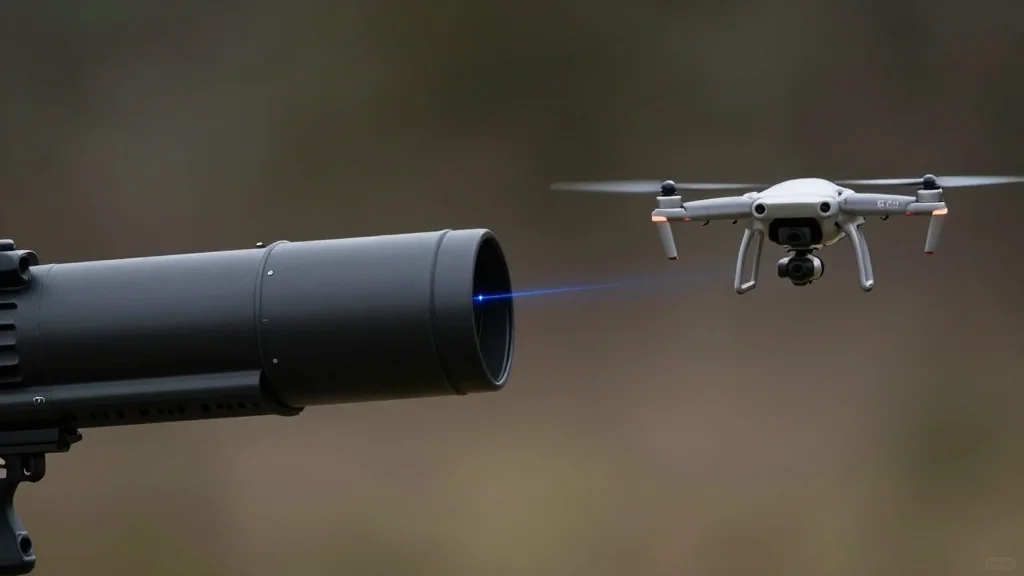
Drone Wars: Countries Are Looking for Answers but Do Companies Have the Solutions?
Manufacturers are accelerating counter‑drone (CUAS) development as nations rush to buy systems for battlefield and homeland protection. Recent Middle‑East flare‑ups, including the US‑Israeli strike on Iran and Iran’s retaliatory attacks, have underscored the growing threat of uncrewed aerial systems highlighted...
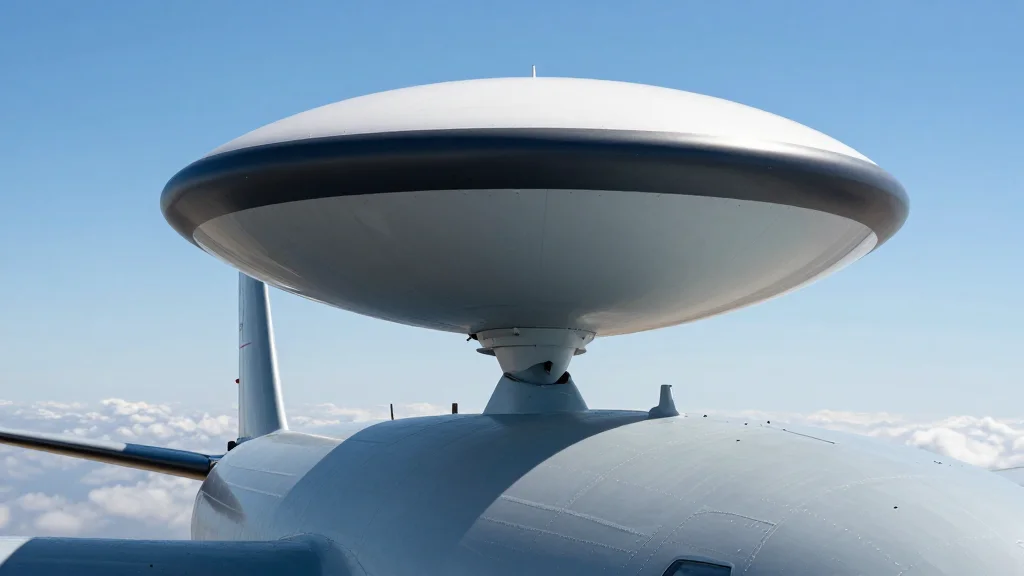
UK E-7 Wedgetail Delay Down to a “Technology Issue”, As MoD Grapples with Slipping Timelines
The UK Ministry of Defence confirmed that the first E‑7 Wedgetail airborne early‑warning aircraft, ordered in 2019, will now be delivered in 2026 after a series of setbacks. Officials traced the delay to a technology issue within Boeing’s certification process,...
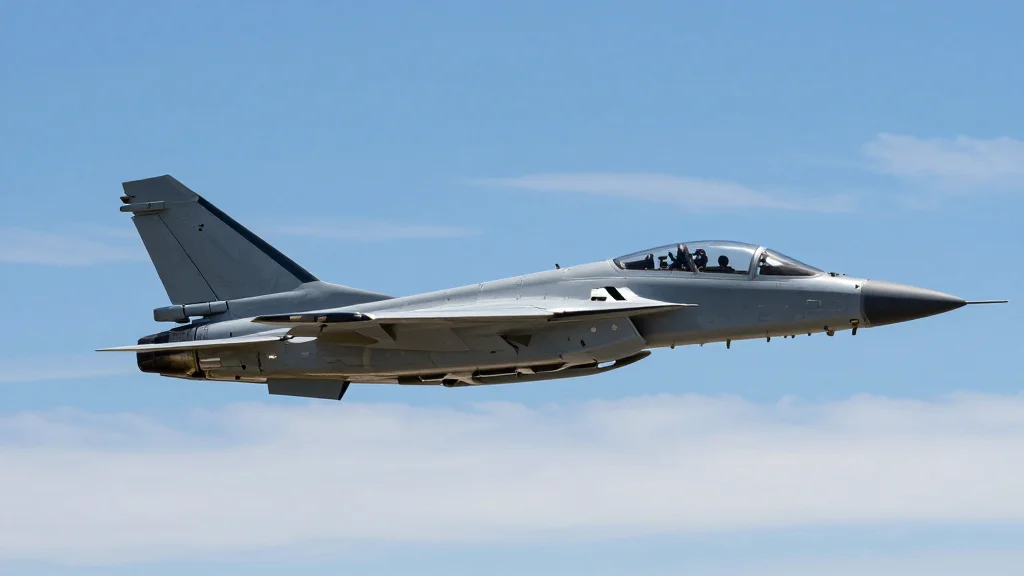
Forecast $21.9 Billion Light Attack and Trainer Opportunities up for Grabs as Leonardo Lines up M-346
Leonardo is positioning its M‑346 jet to capture a projected $21.9 billion market for light‑attack and trainer aircraft. The aircraft is seen as a cost‑effective replacement for aging trainer fleets and a cheaper alternative to high‑end fighters like the F‑35. CEO...

US Air Force Seeks Capabilities to Improve C3 for Aircraft Fleet and Warfighters
The U.S. Air Force issued three Request for Information (RFI) notices to find technologies that will strengthen command, control and communications (C3) after losing four aircraft during Operation Epic Fury under non‑hostile, unclear circumstances. The losses—three F‑15 fighters and a KC‑135 tanker—highlighted...
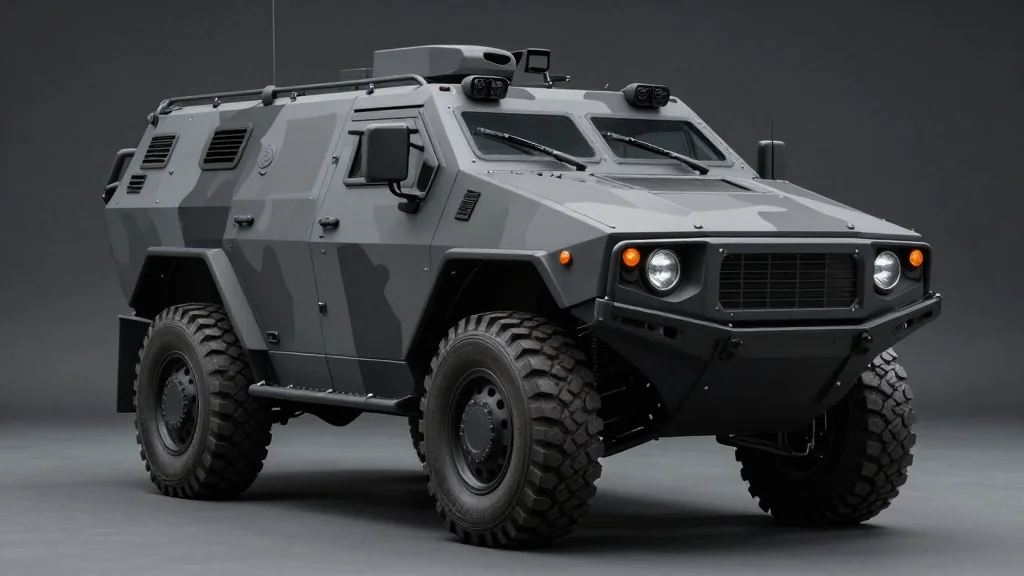
Fourth Company Looks to Texelis Celeris Chassis to Develop a New 4x4 Vehicle
Finnish defense firm SCATA announced that its upcoming SCATA Mk1 4x4 will be built on Texelis’s Celeris rolling chassis. The vehicle is slated for unveiling at the Eurosatory 2026 exhibition. This marks the fourth international partnership leveraging the Celeris platform,...
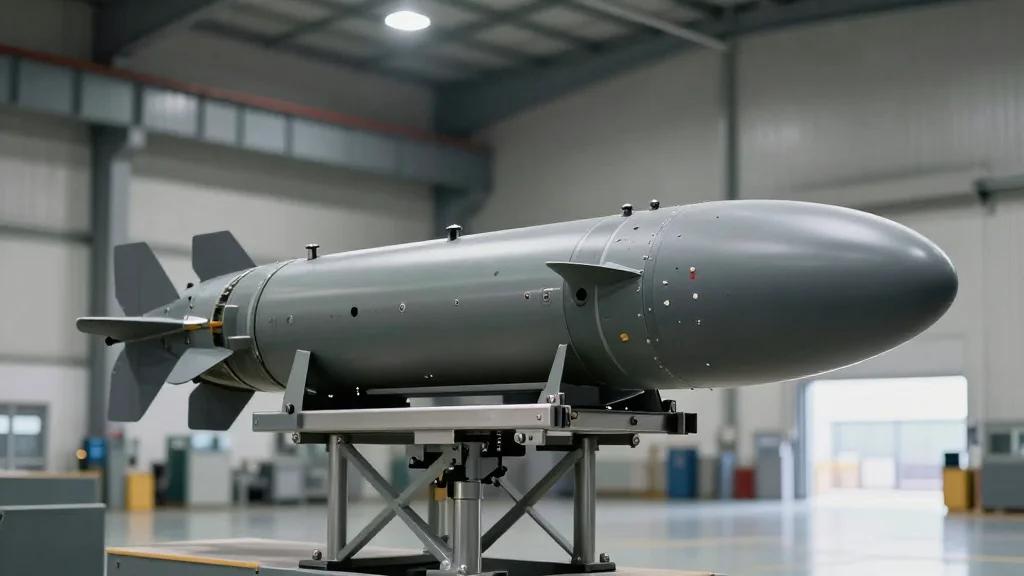
RTX Raytheon Enhances SM-3 and SM-6 Production Capacity
RTX Raytheon has finished expanding its Redstone Missile Integration Facility in Alabama, raising Standard Missile‑3 and Standard Missile‑6 production rates by more than 50%. The boost is intended to replenish Pentagon missile stockpiles that were drawn down during recent operations....

What the Rise of Interoperability Between Western Allies Means for Defence Procurement
Western allies are increasingly pursuing interoperable defence platforms, exemplified by the UK’s commitment to supply Norway with at least five Type 26 anti‑submarine frigates, creating a combined 13‑ship fleet. Parallel initiatives such as the European Patrol Corvette programmes highlight a broader...
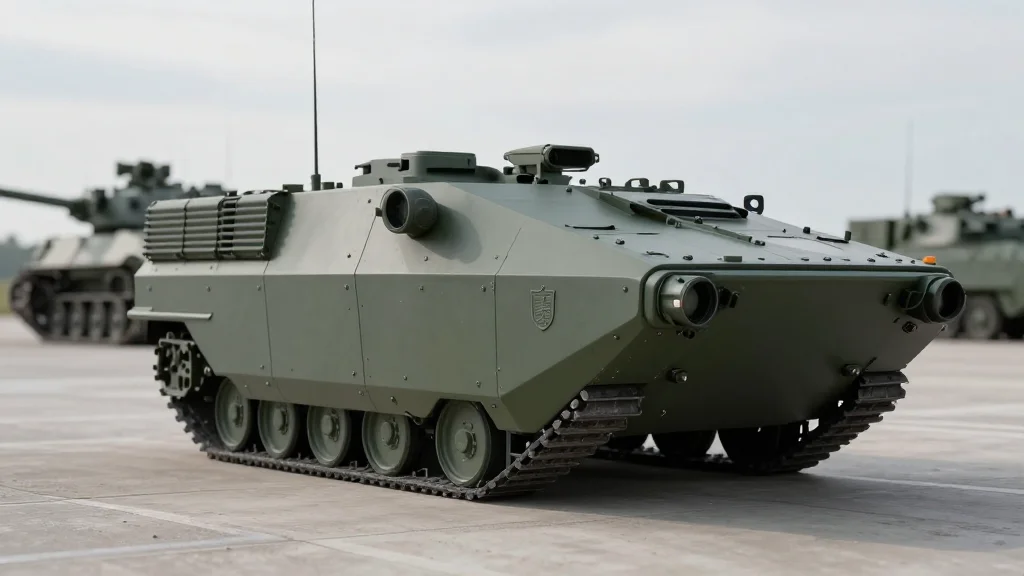
Rolls-Royce to Lead Powertrain Development for MGCS in Important Step for the Programme
Rolls‑Royce Power Systems has been appointed general contractor to develop the drive system for the Franco‑German Main Ground Combat System (MGCS). The contract pairs its 1,400 kW MTU199 ten‑cylinder engine with ZF’s eLSG5000 electrified powershift steering transmission, creating the world’s first...
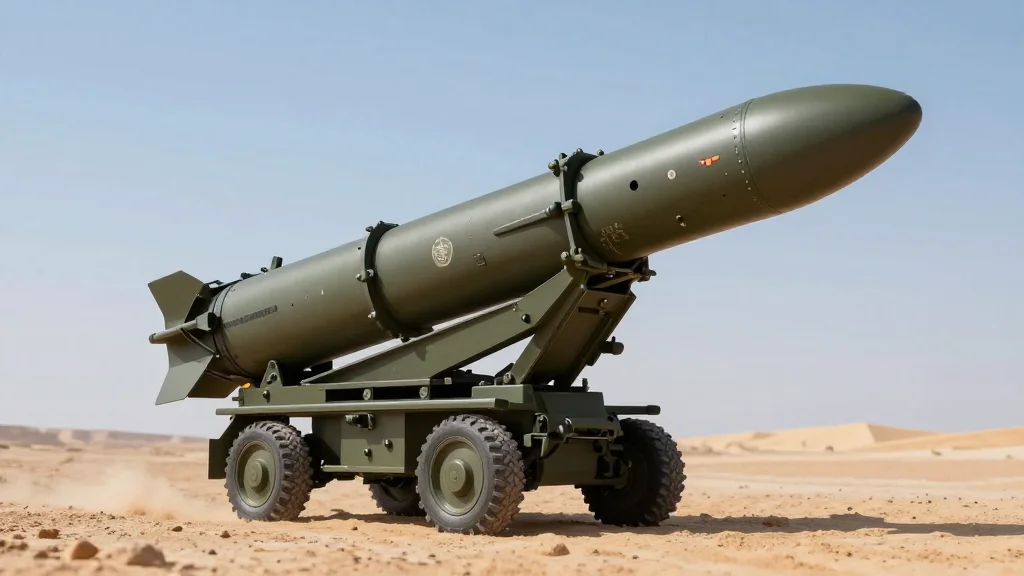
UAE’s First Combat Use of M-SAM II Could Raise Export Prospects for South Korean Air Defence
South Korea’s M‑SAM II missile, part of the Cheongung II air‑defence suite, was employed by the United Arab Emirates to intercept Iranian projectiles launched after the U.S. Operation Epic Fury. The engagement, beginning on 28 February, marks the first overseas combat use of...
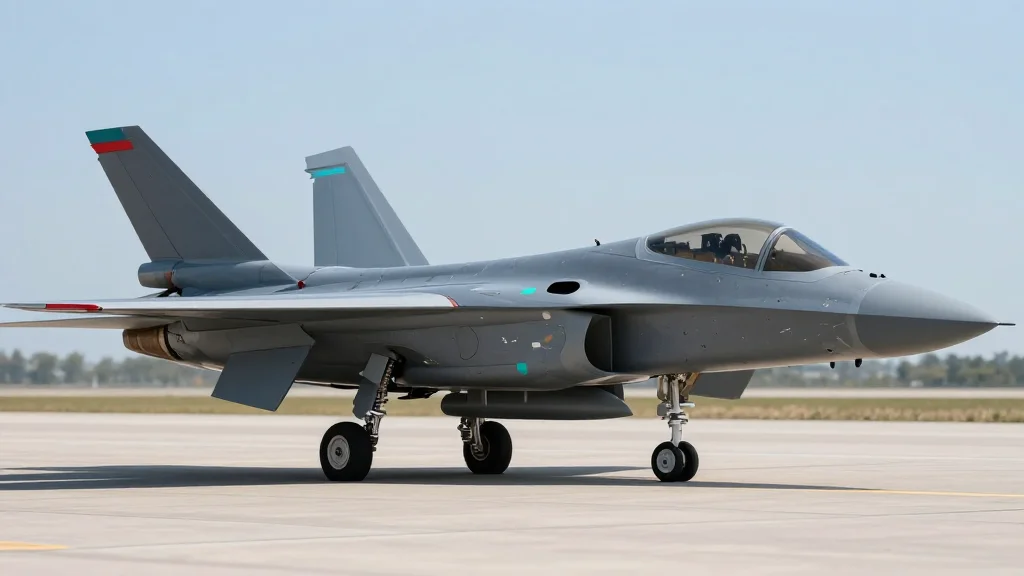
Leonardo Plans to Fly Uncrewed Fighters Alongside M-346 Aircraft by Mid-2026
Leonardo announced that its M‑346 light‑attack trainer will act as a crewed "mother" aircraft to control two uncrewed fighter prototypes, with the first flight demonstrations slated for May 2024 and a public rollout by mid‑2026. The program, dubbed crewed‑uncrewed teaming...
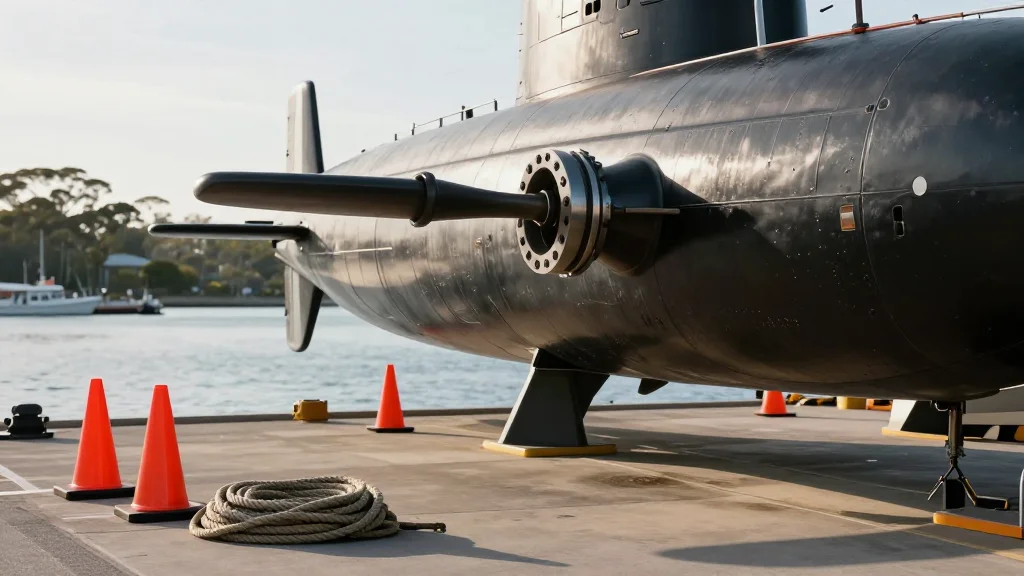
HMS Anson’s Milestone Stay in Australia Cut Short During AUKUS Deployment
The UK Royal Navy’s Astute‑class submarine HMS Anson arrived at HMAS Stirling on 23 February, marking the first time a UK nuclear‑powered attack submarine received maintenance in Australia. The deployment supported the AUKUS partnership, which aims to develop a new generation...
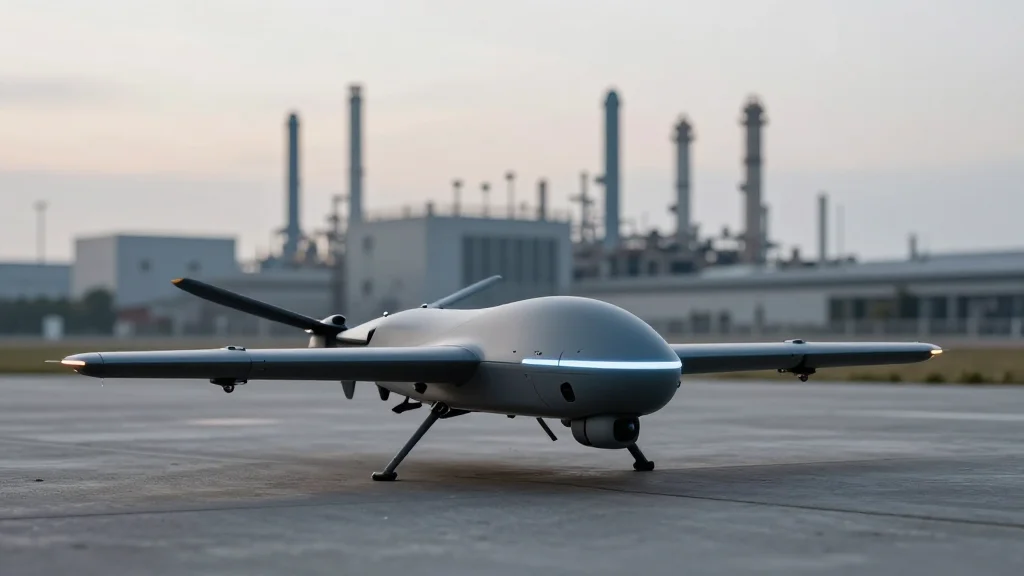
Estonia Boosting Defence Industry with Lessons From Ukraine, Says Country’s Economic Minister
Estonia’s Minister of Economic Affairs and Industry, Erkki Keldo, announced a comprehensive push to expand the nation’s defence industrial base, drawing lessons from Ukraine’s wartime mobilisation. The plan includes directed funding, streamlined company formation, financial support for startups, rapid‑prototyping programmes,...
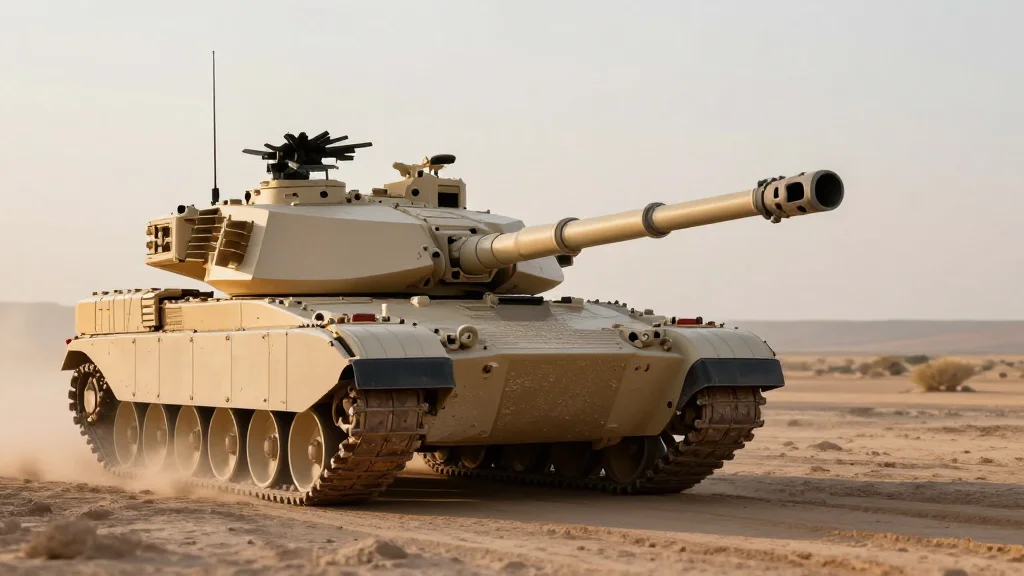
How Operation Epic Fury Could Reduce US Readiness to Face China
Operation Epic Fury, the U.S. offensive against Iran, is consuming significant training time, maintenance capacity, and ammunition stockpiles. Analysts warn that the sustained high‑intensity campaign could degrade the Pentagon’s overall readiness. The strain on logistics and personnel may limit the...
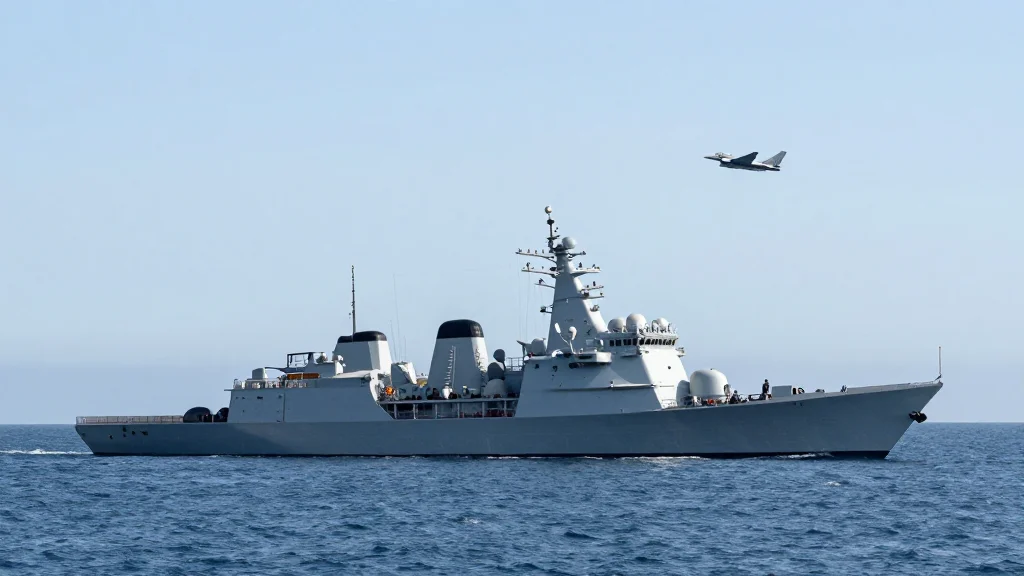
UK Faces Cost of Balancing Defensive Capabilities Abroad as Iran Conflict Widens
The United Kingdom has dispatched the Type 45 destroyer HMS Dragon, Wildcat helicopters equipped with Martlet missiles, Eurofighter Typhoons and F‑35B aircraft to Cyprus and the wider Middle East following a drone strike on RAF Akrotiri. These assets aim to reinforce regional air‑defence...
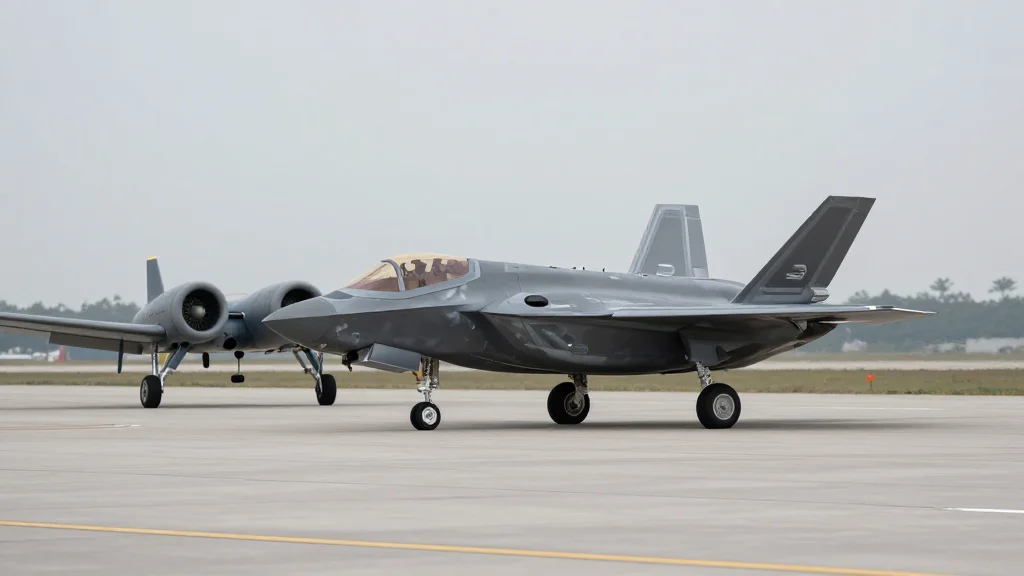
What Will the Replacement of A-10s by F-35s Mean for the US Air Force?
The U.S. Air Force will retire its remaining 162 A‑10 Thunderbolt II aircraft by the end of fiscal year 2026, replacing them with F‑35A Lightning II fighters. The A‑10, a dedicated close‑air support platform since the 1970s, is being phased out due...
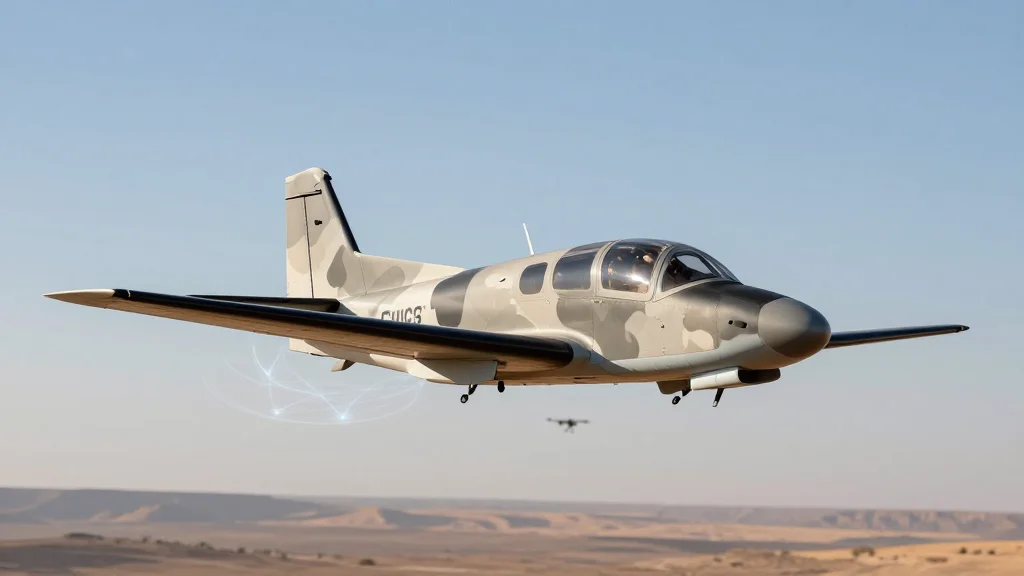
Embraer Turns to AI Solution for A-29 Super Tucano CUAS Evolution
Embraer is integrating Valkyrie Aero’s Gunslinger artificial‑intelligence suite into its A‑29 Super Tucano platform to boost counter‑uncrewed aerial system (CUAS) capabilities. The AI-driven system will provide pilots with real‑time tactical decision‑making assistance during drone‑threat engagements. While the Super Tucano already...
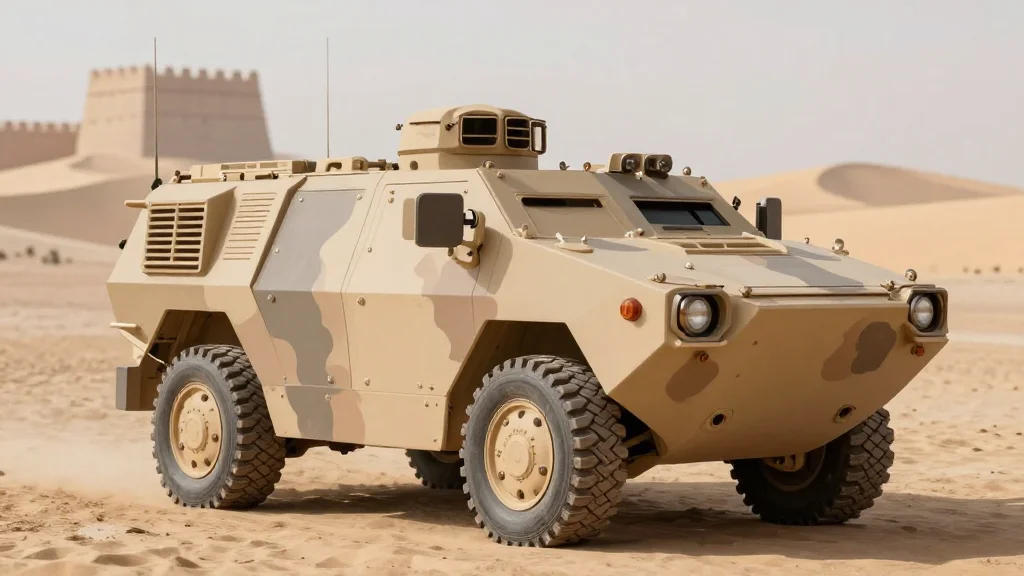
Why Middle Eastern Markets Demand Bespoke AFV Solutions
Middle Eastern defense customers are increasingly insisting on armoured fighting vehicles (AFVs) that are customised for the region’s extreme climate and operational demands. Western OEMs find that off‑the‑shelf European designs often require significant modifications, such as enhanced cooling and desert‑ready...
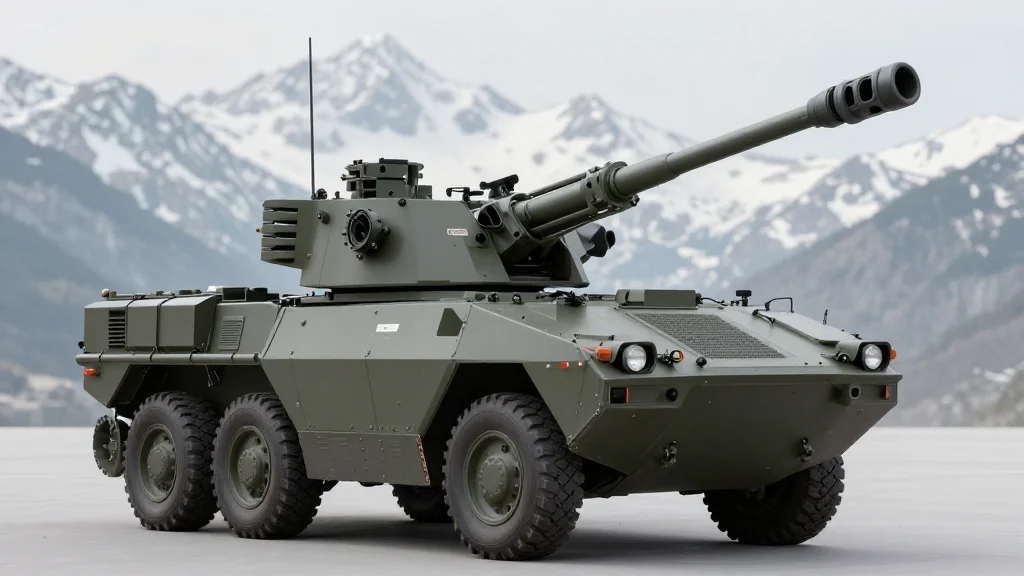
Swiss Army Still Awaits New Artillery Contract to Replace M109 Howitzers
The Swiss Army selected the KNDS Artillery Gun Module mounted on a Piranha IV 8×8 as the replacement for its aging M109 155 mm self‑propelled howitzers, but a final procurement contract has not yet been signed. The competition concluded in late 2024, with the...
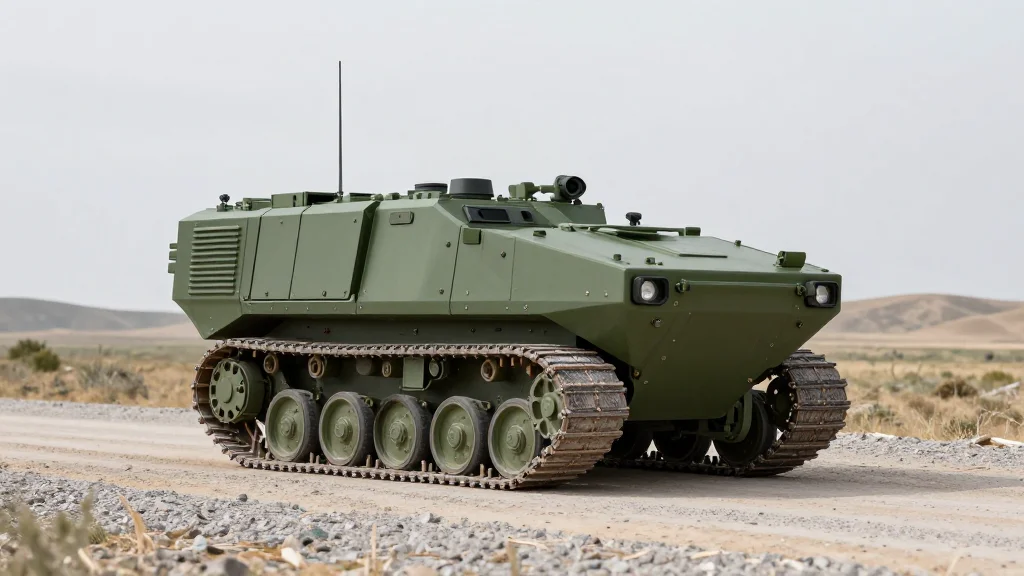
Milrem Outlines Plans for Havoc and Vector as Ukrainian THeMIS Numbers Set to Double
Estonian robotics firm Milrem Robotics announced it will deliver 150 Tracked Hybrid Modular Infantry System (THeMIS) uncrewed ground vehicles to Ukrainian forces by the end of 2026, more than doubling the 70 already supplied. The majority—about 90%—are configured for basic...

White House Calls on Pentagon Contractors to “Rapidly and Aggressively” Boost Weapon Production
The White House has publicly urged Pentagon contractors to "rapidly and aggressively" increase weapons production to support Operation Epic Fury, the U.S. campaign aimed at countering Iran. President Donald Trump personally pressed defense firms to accelerate output, despite Pentagon officials asserting that...
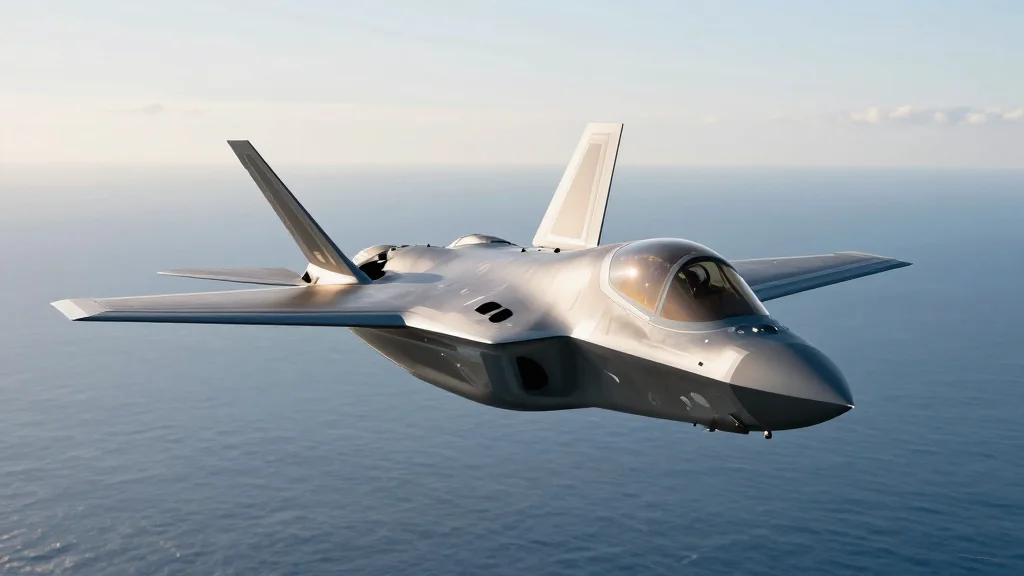
US Pentagon Claims to Have Severely Damaged Iranian Capabilities, Promises to Increase Attacks
US Defence Secretary Pete Hegseth announced that Operation Epic Fury has severely damaged Iran’s military capability, claiming the Iranian Air Force is eliminated and 20 Navy vessels—including a frigate—were destroyed in international waters. The Pentagon pledged to intensify pressure on Tehran by...
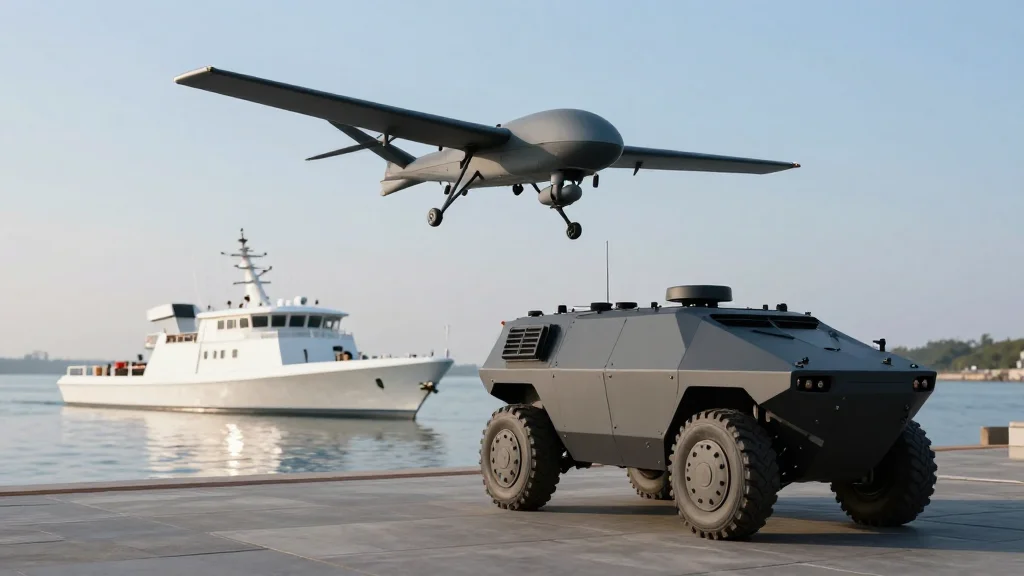
New Zealand Buys Tri-Service Uncrewed Kit From Syos Aerospace
The New Zealand Defence Force has signed a contract with Syos Aerospace to acquire a tri‑service uncrewed kit, covering ground, surface and aerial platforms. The package includes SG400 uncrewed ground vehicles, SM300 uncrewed surface vessels, SA2 reconnaissance UAVs and SA7 UAVs...
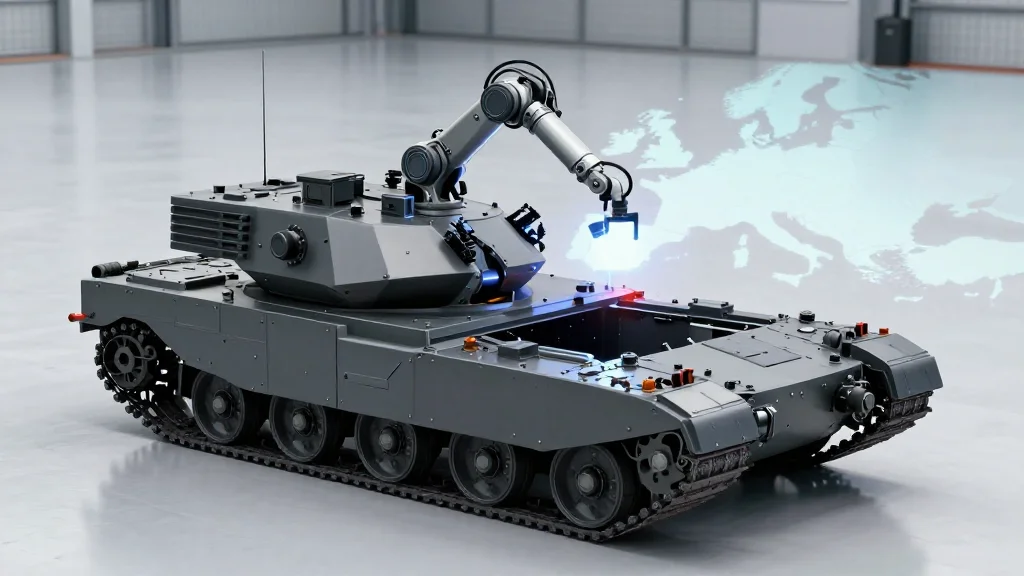
Localisation Is the Aim of the Game in Defence Procurement
Defence procurement is shifting toward localisation, making domestic manufacturing and technology transfer essential for deal closure. European governments now demand local production as a contract condition. Hungary leads the change, signing agreements with Rheinmetall for the KF41 Lynx and Nurol Makina...
US Navy SPY-6 Approaches FRP with Raytheon Already Having “a Hot Production Line”
Raytheon says its SPY‑6 radar family is already operating on a hot production line and is poised to shift into full‑rate production once the U.S. Navy grants final approval. Low‑rate initial production is nearing completion after extensive testing across the...