
How Can We Make Buildings More Resilient Before – and After – Earthquakes? We Put One Solution to the Test
A University of Auckland team built a full‑scale, two‑storey cross‑laminated timber (CLT) structure with a novel self‑centering connection system and subjected it to increasingly severe shake‑table simulations. The system allowed each floor to move independently, dissipating seismic energy while keeping the primary timber frame intact. After the shaking stopped, the building returned to its original alignment, demonstrating true self‑centering behavior. The test suggests modular timber buildings could survive major quakes and be quickly re‑occupied, offering a low‑carbon alternative to concrete and steel.

To Achieve ‘AI for All’ in Agriculture, Canada’s Farmers Need Regional, Systems-Level Change
Artificial intelligence is poised to reshape Canadian agriculture, with the global AI‑agri market projected to reach roughly $47 billion by 2034. While tools like real‑time advisory apps, smart sensors, and drones can boost yields and cut inputs, Canada trails other G7...

Demand for Menopause Hormone Therapy Is on the Rise – but Training Gaps Remain for Doctors
Awareness of menopause hormone therapy (MHT) has surged, driving a sharp rise in prescriptions and prompting New Zealand’s drug‑funding agency Pharmac to temporarily ration supplies. Contemporary regimens using transdermal estradiol and progesterone capsules are now first‑line for symptom relief and bone...
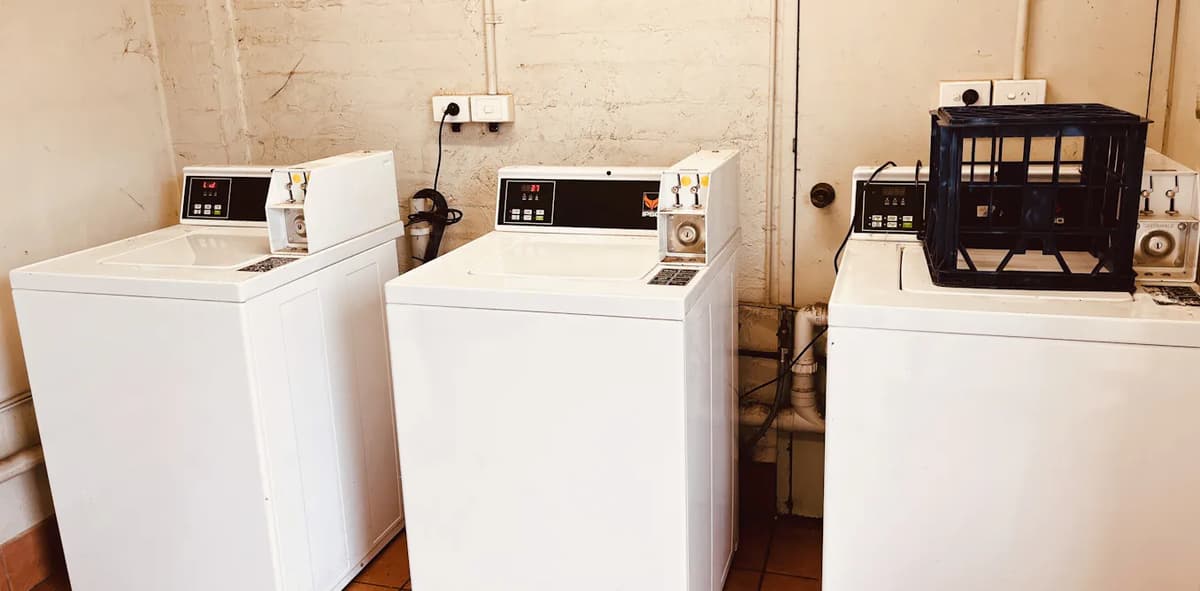
Washing Machines Could Support Skin Health for First Nations People – if We Get the Wash Settings Right
A systematic review finds washing at ≥60 °C for 15 minutes kills skin pathogens, a key step for reducing infections in remote First Nations communities. Current hot‑water limits (max 50 °C) and high machine costs hinder effective laundering. Community laundry facilities, supported by a recent A$11.4 million...
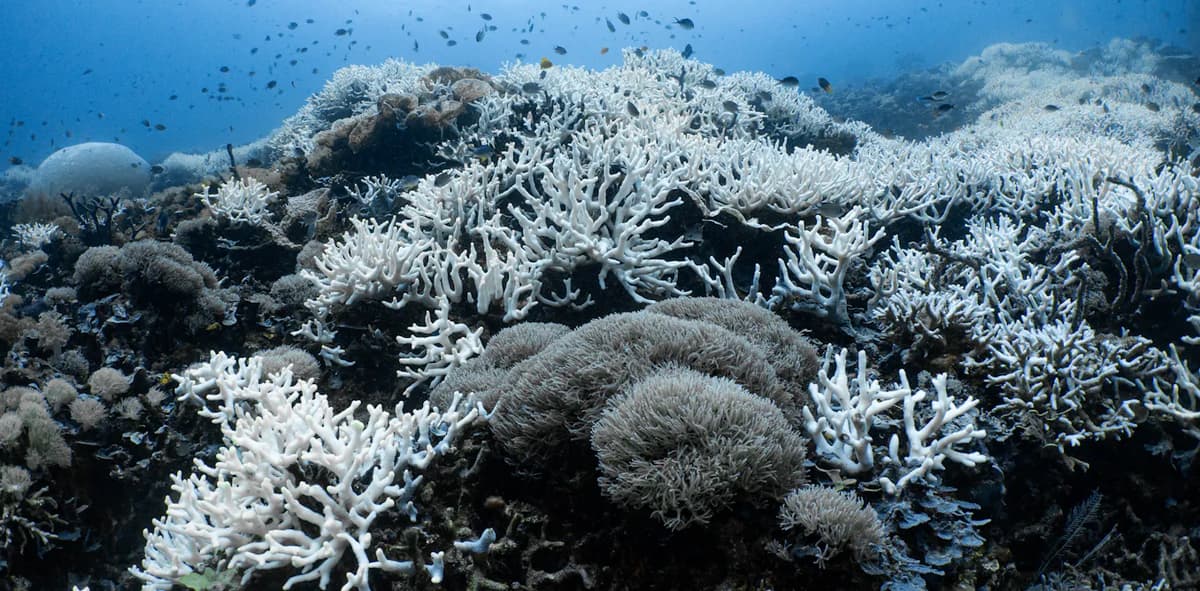
Two Decades of Research Show Indonesia’s Coral Reefs Are Heat-Tolerant — but only up to a Point
A new national‑scale study of 394 reef sites across Indonesia (2004‑2023) shows that hard coral cover remained stable at 26 of 32 locations despite rising sea‑surface temperatures. The stability persisted until thermal stress crossed a critical threshold of roughly 12...
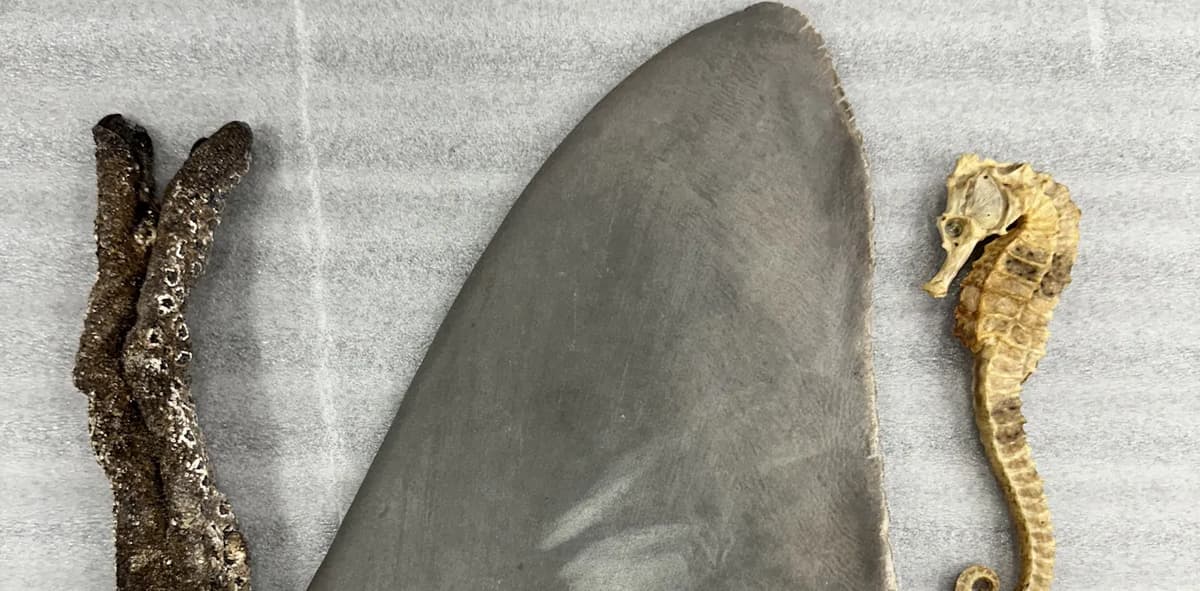
Seahorses and Shark Fins Are Illegally Trafficked. An AI Tool Could Help Stop This Crime
A new study published in Frontiers in Ocean Sustainability demonstrates that artificial intelligence can identify illegally trafficked marine wildlife—specifically shark fins, seahorses and sea cucumbers—within 3D X‑ray scans. Researchers built a library of 68 scanned specimens and trained algorithms that...

Marjane Satrapi’s Masterpiece Persepolis Transformed the World’s Understanding of Iran
Marjane Satrapi, the Iranian‑French graphic novelist behind the memoir and film Persepolis, died at 56. Her black‑and‑white graphic memoir, first published in 2000, transformed how global audiences understand the Iranian Revolution and exile, selling millions and being translated into dozens...

Could It Be Aliens? From Cheyava Falls on Mars to Exoplanet K2-18b – Here’s What Scientists Really Think
A recent survey of hundreds of astrobiologists revealed that only a small minority think recent claims of extraterrestrial life are credible. In April 2025, just 6.6% endorsed the possible biosignatures on exoplanet K2-18b, while 15.1% leaned toward life on Mars...

We’ve Been Testing Therapy Like It’s a Pill – and some Patients Are Paying the Price
Cognitive behavioural therapy (CBT) now accounts for the majority of publicly funded psychotherapy in the UK NHS and US Medicare because it fits the design of randomised controlled trials (RCTs). The article argues that RCTs, while ideal for drugs, are...

Is It Really Worth Getting on the Pension Just to Avoid Labor’s New Capital Gains Tax?
From July 1 2027 the Labor government will impose a 30 % minimum tax on capital gains, but retirees receiving the age pension will be exempt and taxed at their marginal rate. Media reports suggest retirees could qualify for as little as A$1...

Over Half of Australia’s Bookshops Closed Within a Decade. Should the Government Help?
Australia’s independent bookshop sector has contracted dramatically, with the number of stores halving from 2,879 in 2013 to 1,457 in 2023 and at least 13 closures recorded in the last year alone. Rising rents, competition from discount retailers and online...

Low-Dose Zoladex Won’t Be Available in Australia From November. What Might that Mean for You?
Australia’s Pharmaceutical Benefits Scheme will cease subsidising the low‑dose 3.6 mg Zoladex implant from 1 November 2026 after AstraZeneca announced its commercial withdrawal. The monthly implant, used to suppress sex hormones in prostate cancer, ER‑positive breast cancer and endometriosis, accounted for nearly 100,000...
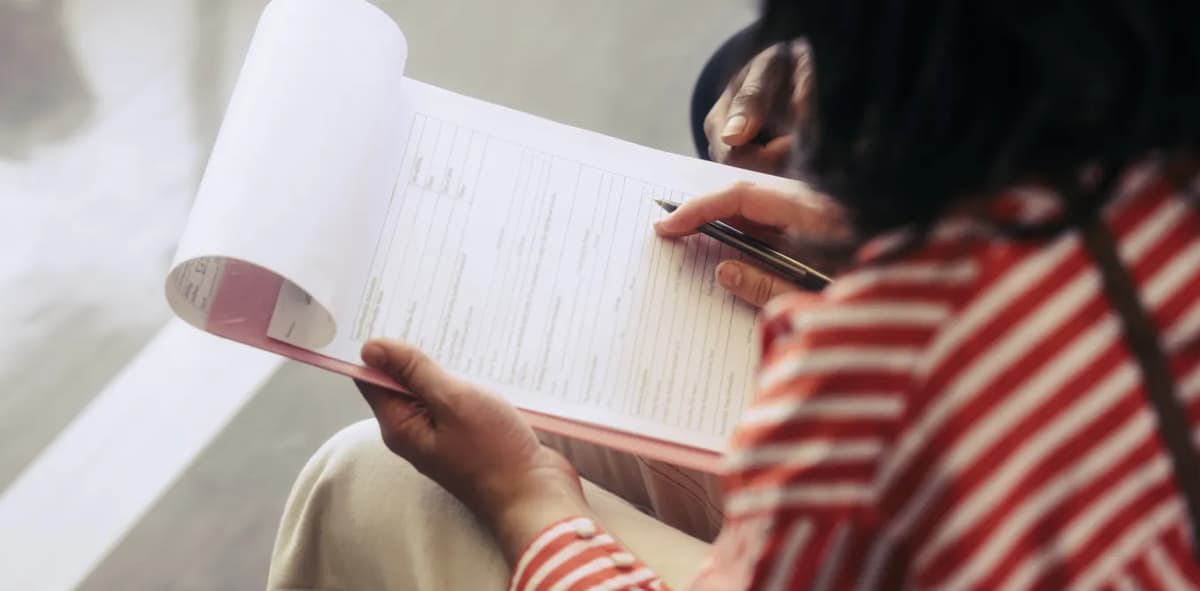
How Common Is Sex-Selective Abortion in Australia, Really?
New South Wales is debating a bill that would criminalise abortions performed solely because of fetal sex, exposing doctors to professional misconduct charges and loss of indemnity insurance. The proposal arrives despite multiple reviews finding sex‑selective abortions to be rare...
Australia Is Facing a New 12.5% US Tariff over Anti-Slavery Claims. Are They Actually Right?
The U.S. Trade Representative announced a proposed 12.5% tariff on Australian exports, citing failures to prohibit and enforce bans on goods made with forced labour. Australia’s Prime Minister called the measure unjustified, arguing the country already has robust anti‑slavery legislation....

UN Report Warns AI Could Soon Use 3% of World’s Electricity and More Water than We Need to Drink
A new United Nations report warns that artificial intelligence could consume about 3% of global electricity by 2030, roughly double today’s data‑centre usage. The study predicts AI‑driven cooling will need 9.3 trillion litres of water annually and land comparable to ten...