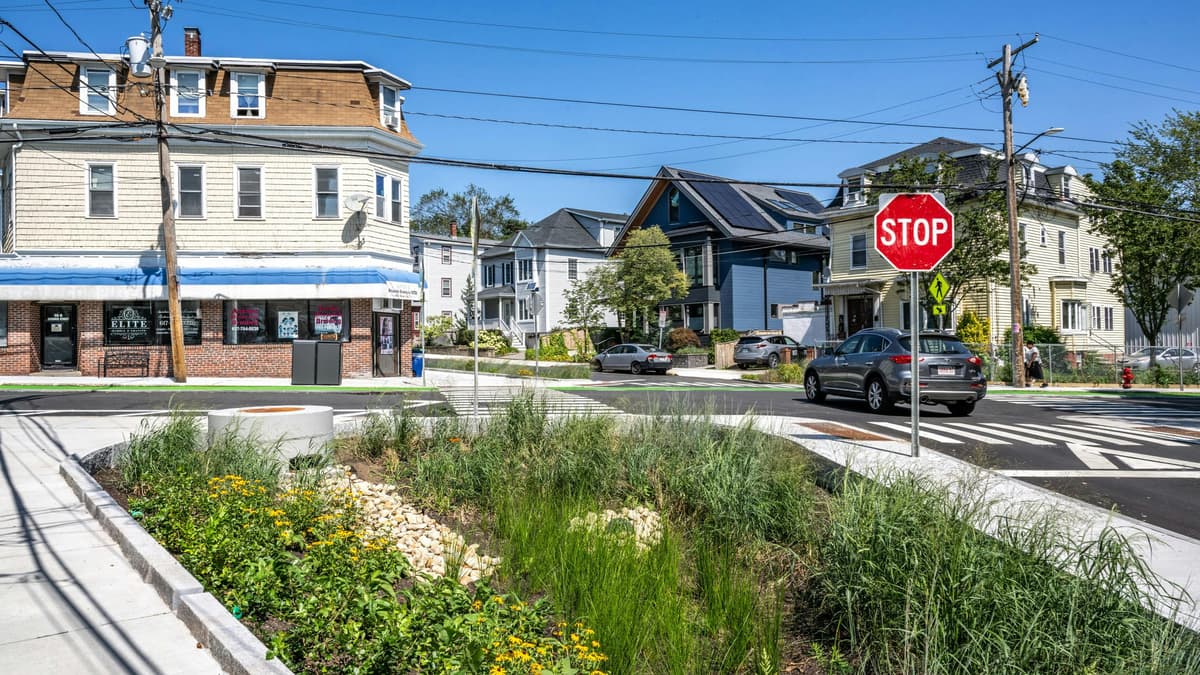
Blending Gray and Green Infrastructure for Improved Collection System Performance
The article outlines how blending gray and green infrastructure—such as rain gardens, bio‑swales, green roofs, and detention ponds—with traditional sewer networks can boost collection system performance. New hydraulic modeling tools now incorporate these natural‑based solutions, allowing engineers to simulate combined effects across storm events. This integrated approach helps planners design more resilient urban water systems while avoiding counterproductive interactions. The piece is authored by Nick Anderson, Stantec’s VP for stormwater management, drawing on his three decades of experience.
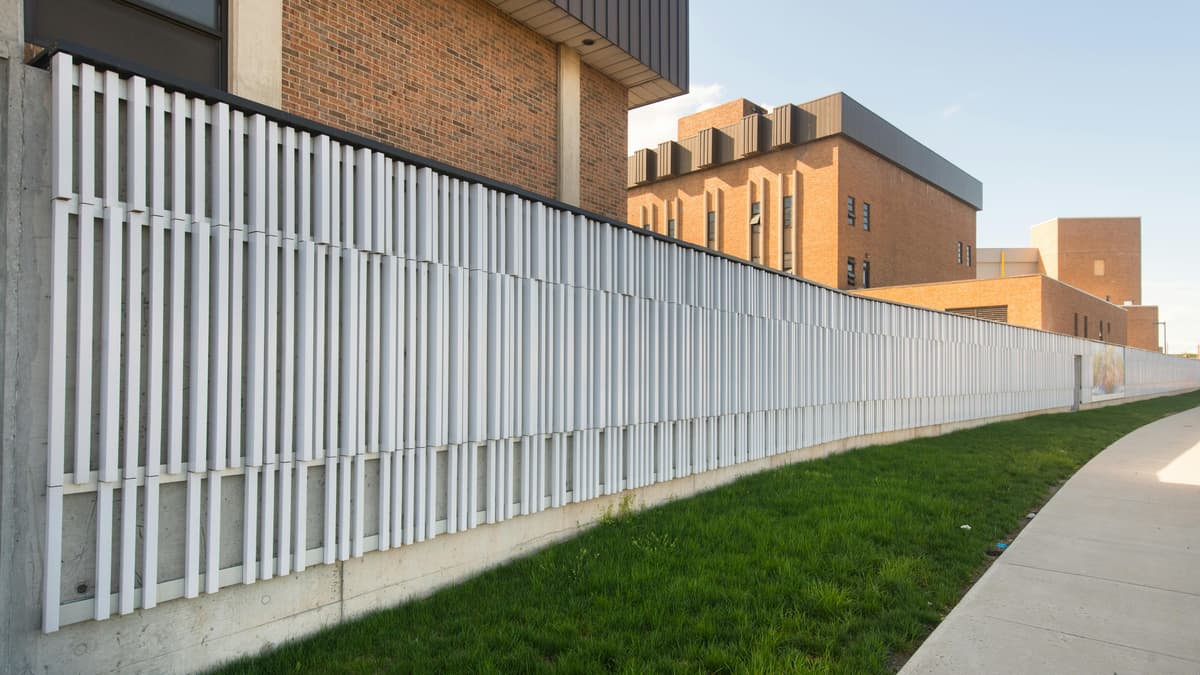
Designing Wastewater Treatment Plants for Climate Resilience
Wastewater treatment facilities are facing increasing risk from simultaneous hazards such as heavy rain, rising rivers, and coastal surges, which outpace traditional flood‑protection standards. Engineers are adopting layered protection—flood‑proofing, elevation, and hardened electrical systems—to keep plants operational during extreme events....
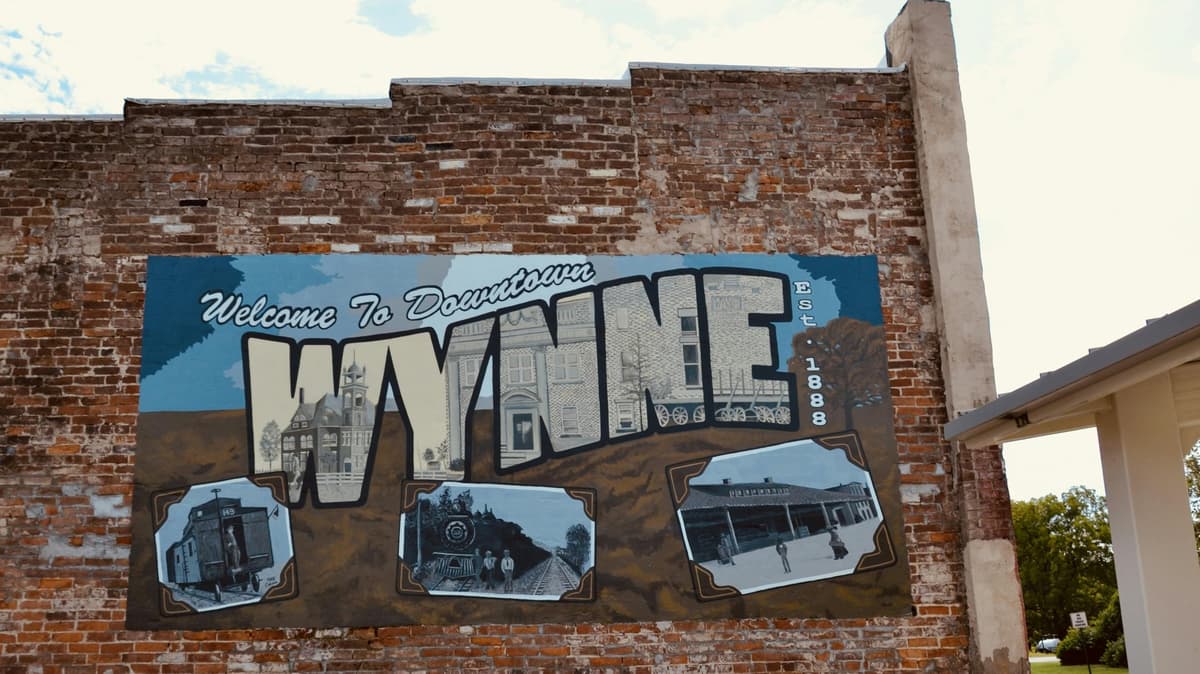
Wynne Wastewater Plant Rebuild Incorporates Antimicrobial Concrete Protection
Kryton International completed concrete protection work at the rebuilt Wynne, Arkansas wastewater treatment plant, which was damaged by an EF‑3 tornado in 2023. The project leveraged $2.6 million in federal funding from the Delta Regional Authority and the U.S. Economic Development...
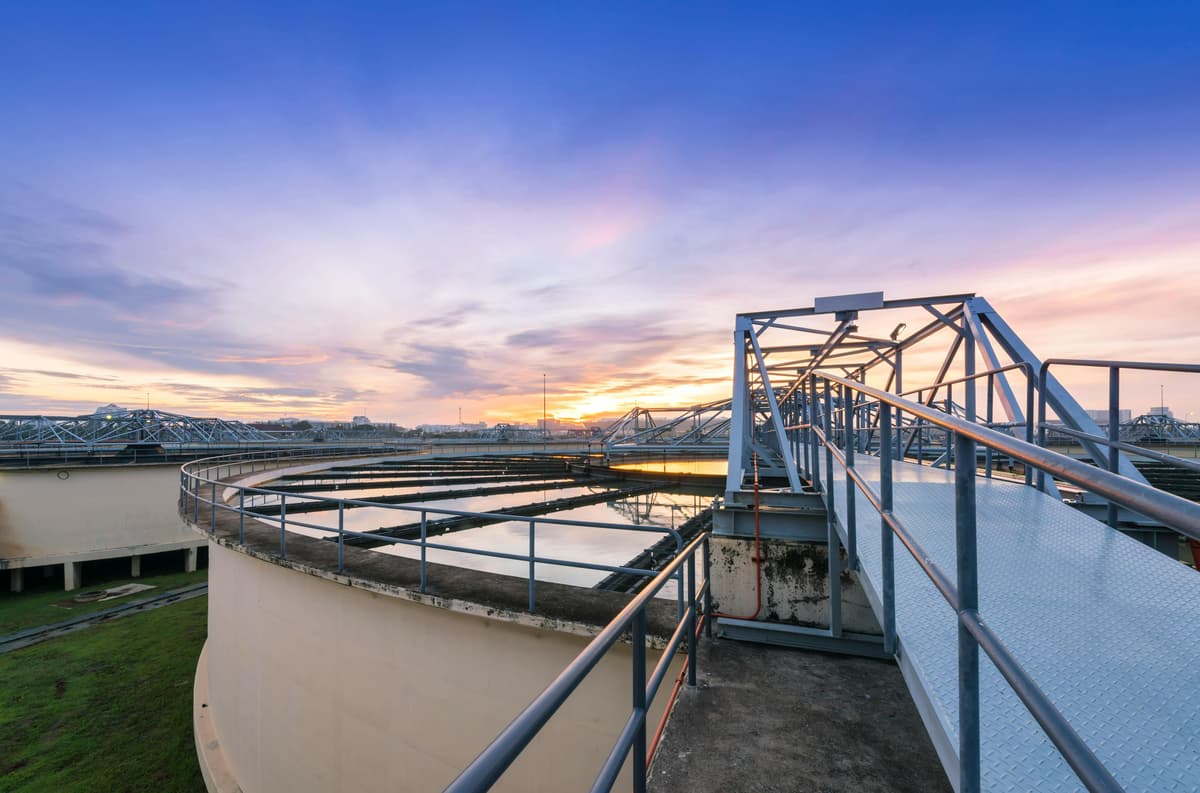
Modernizing Wastewater Systems: SCADA, Remote Monitoring & Cybersecurity for Resilient Operations
Wastewater utilities are accelerating digital upgrades to replace legacy SCADA, add remote monitoring, and tighten cybersecurity as regulatory pressure and aging assets mount. The industry’s shift toward interoperable, cloud‑ready control platforms promises greater visibility across dispersed lift stations and treatment...

KC Water Marks Completion of Blue River Biosolids Facility Transformation
KC Water completed the transformation of the Blue River Wastewater Treatment Plant into the Blue River Biosolids Facility, installing thermal hydrolysis process (THP) technology. The upgrade treats 75 million gallons of wastewater daily, processes 98% of the city’s solids, and produces...
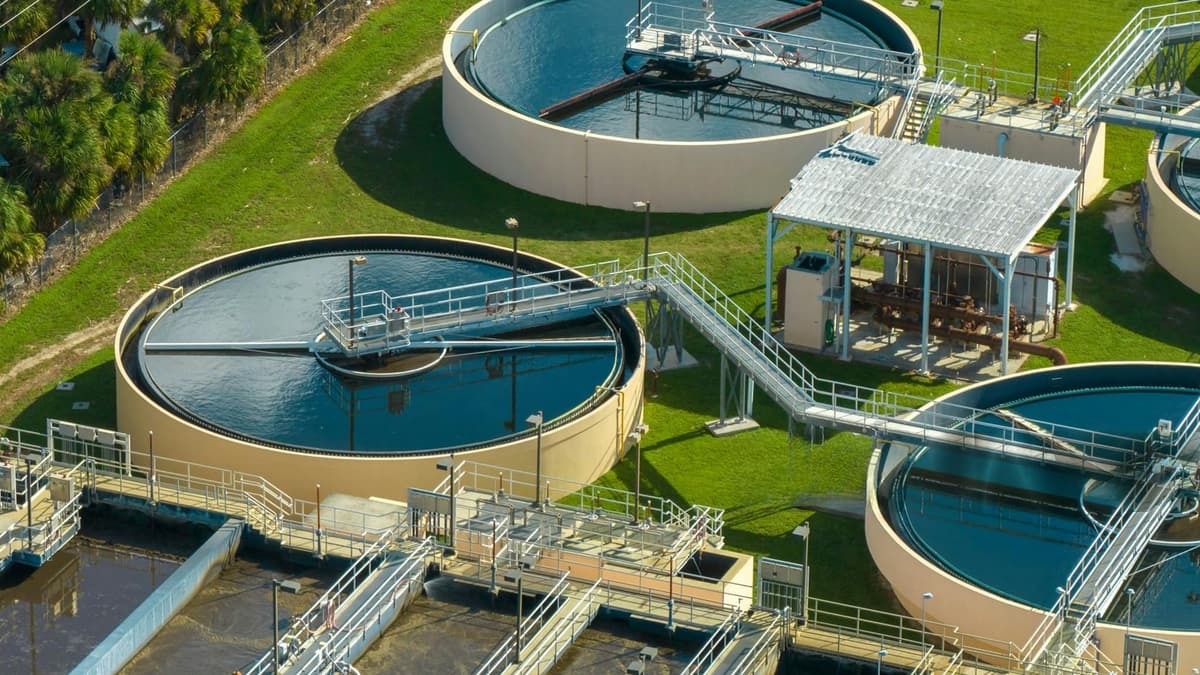
Operators Are Building Trust in Machine Learning Recommendations at Wastewater Plants
Machine learning tools are being deployed in wastewater treatment plants to deliver real‑time recommendations for chemical dosing and aeration, yielding measurable chemical cost reductions and energy savings. Success hinges on transparent, traceable suggestions that operators can approve or reject, preserving...

Zachry Advances Containment Upgrades at Trinity River Authority Plant
Zachry Construction Corp is advancing a multi‑year upgrade at the Trinity River Authority of Texas Central Regional Wastewater System plant in Dallas. The scope includes demolishing existing structures, building a new chlorine and sulfur dioxide containment facility, adding supplemental chlorine...

Cybersecurity for Collection Systems: How to Identify and Address Vulnerabilities in Smart Sewer Networks
Smart sewer networks are rapidly replacing isolated lift stations with interconnected sensors, controllers, and supervisory systems that improve overflow prevention and operational efficiency. Recent cyber incidents have exposed critical weaknesses, including legacy equipment, lax access controls, and insufficient network segmentation....
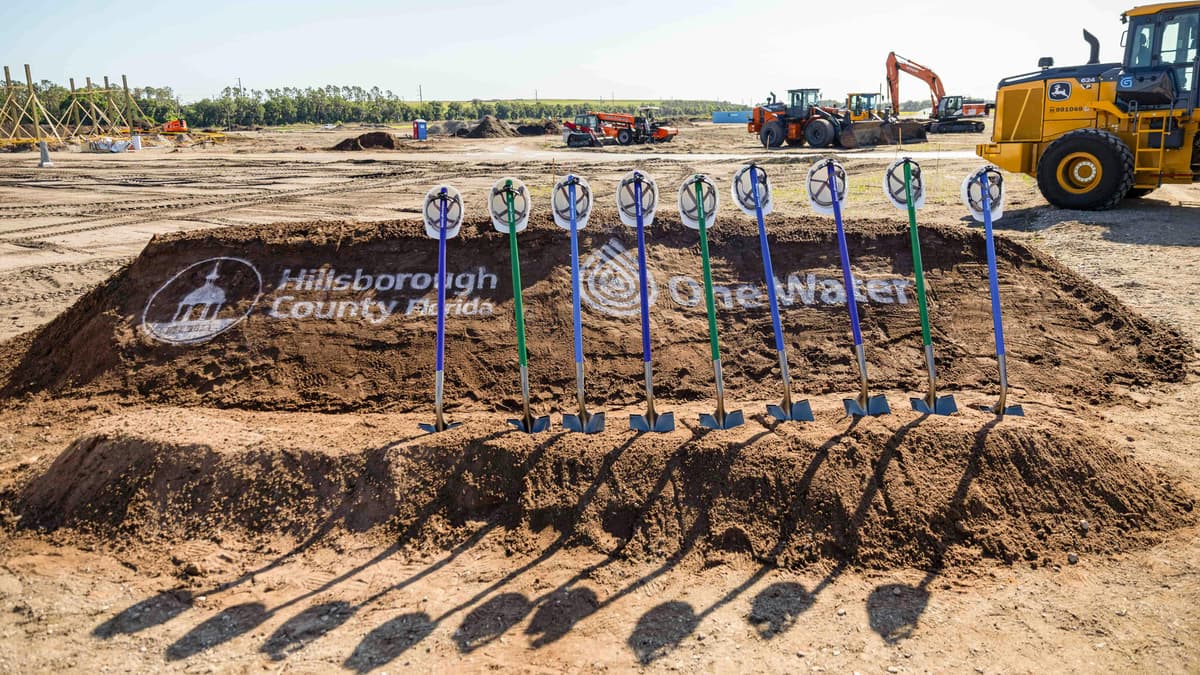
Garney Breaks Ground on Hillsborough County’s Largest Wastewater Project
Garney has broken ground on the One Water – South Wastewater Conveyance and Treatment Project, the largest capital‑improvement ever undertaken in Hillsborough County. The initiative includes a new advanced wastewater treatment plant initially sized at 24 million gallons per day (expandable...
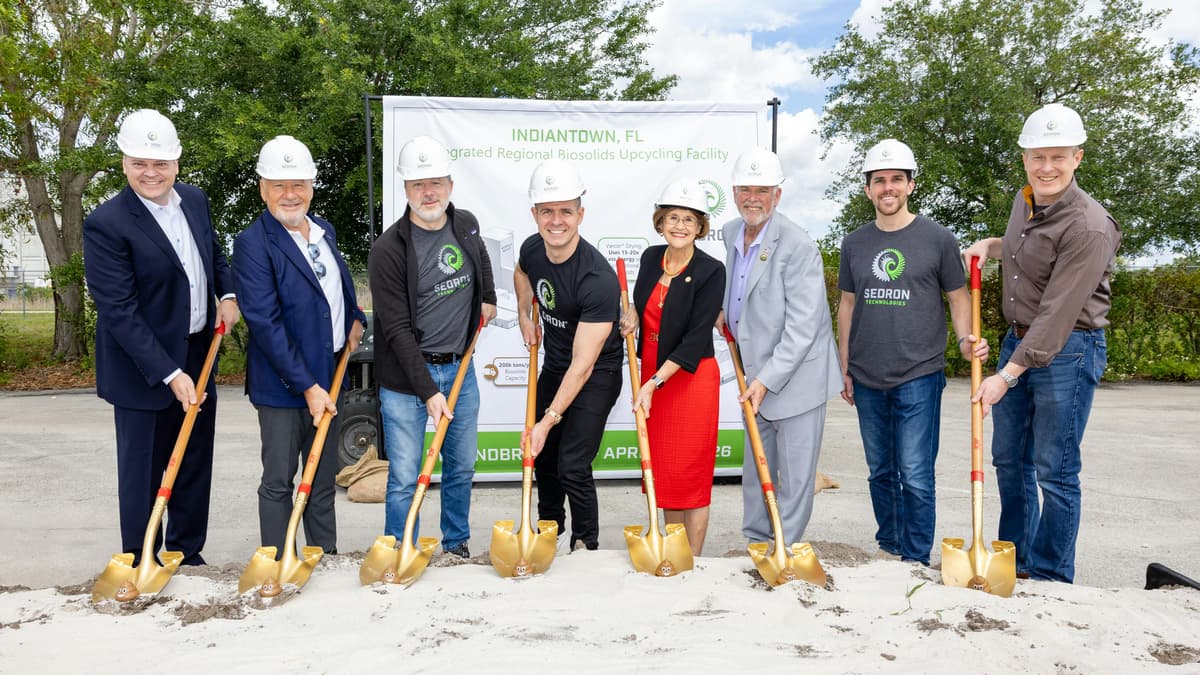
Sedron Breaks Ground on Indiantown Biosolids Upcycling Facility in Florida
Sedron broke ground on the Indiantown Upcycling Facility in Florida, a joint venture with Synagro that will employ the company’s patented Varcor technology to transform municipal biosolids into water, calcium‑rich ash and carbon‑negative electricity. The plant, slated to begin operations...
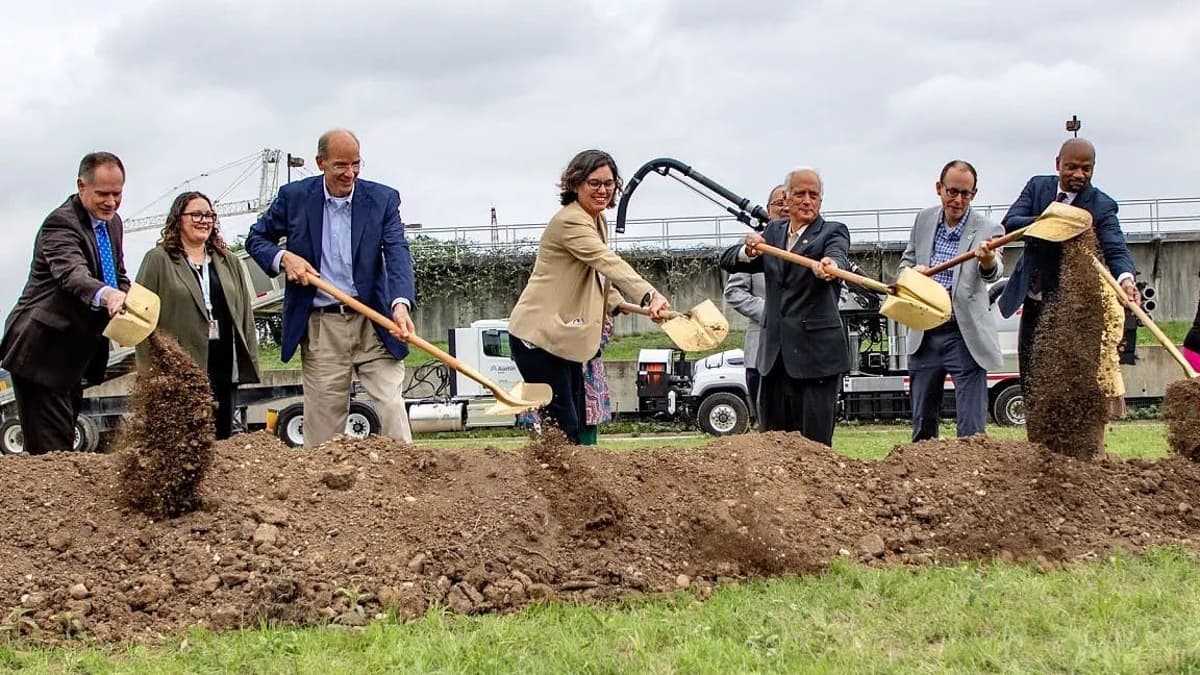
Austin Breaks Ground on $1.5B Walnut Creek WWTP Expansion
Austin broke ground on a $1.5 billion expansion of the Walnut Creek Wastewater Treatment Plant, boosting capacity from 75 MGD to 100 MGD. The upgrade adds advanced nutrient removal, UV disinfection, odor control and a flood wall while keeping the plant fully operational....
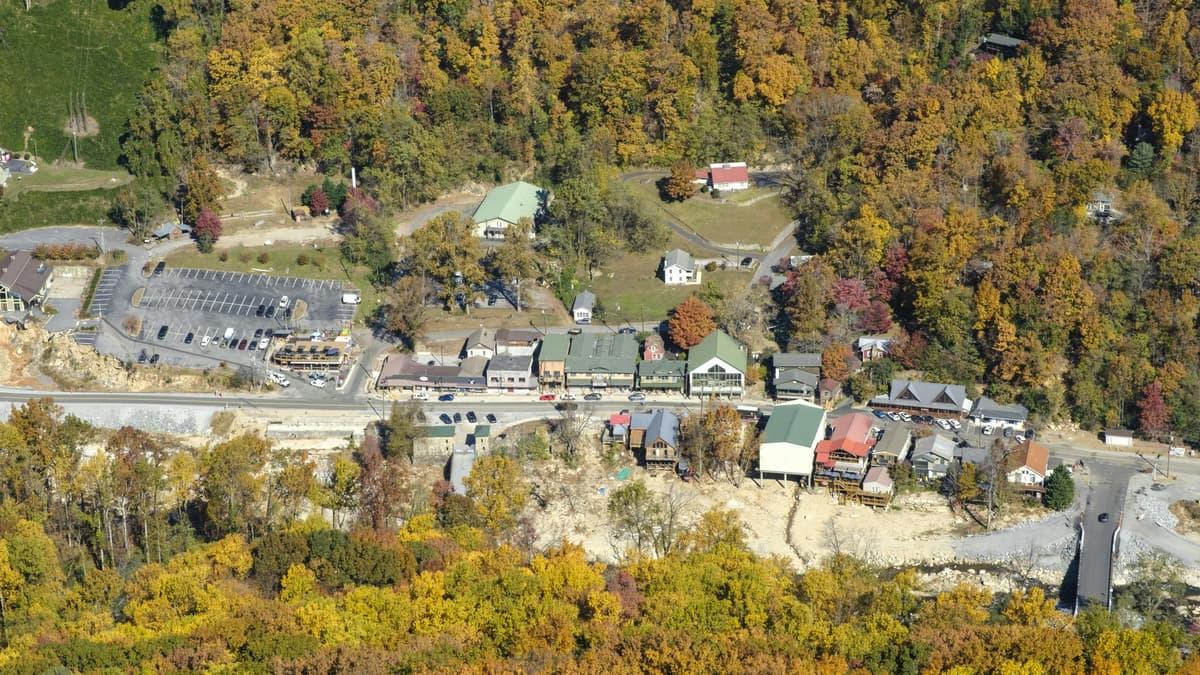
North Carolina Awards $215M for Water and Wastewater Infrastructure, Resilience Projects
North Carolina’s State Water Infrastructure Authority approved more than $215 million for 66 drinking‑water and wastewater projects across 26 counties, primarily to recover from Hurricane Helene. About $196 million of the allocation targets storm‑hit communities, covering treatment‑plant relocations, system repairs and resiliency...

EPA Launches Effort to Refresh Water Workforce Initiative
On April 16, 2026, the U.S. Environmental Protection Agency announced a refresh of its Water Workforce Initiative, originally launched in 2020, to combat growing staffing shortages in drinking‑water and wastewater utilities. The updated program will expand training, apprenticeships, and public‑awareness...
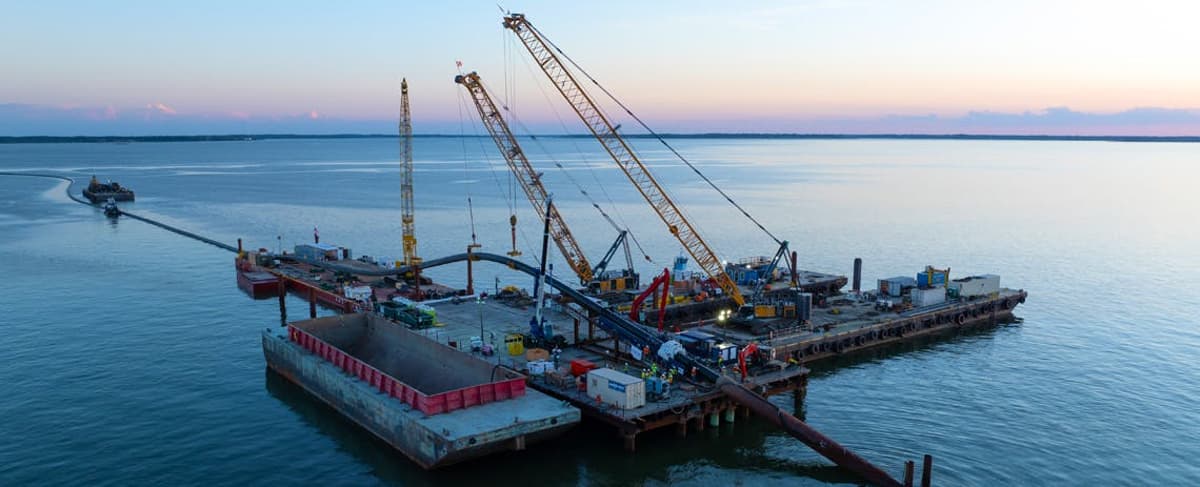
How HRSD Transforms Wastewater Into a Ground Water Resource
HRSD’s SWIFT initiative will treat wastewater to drinking‑water standards and recharge the Potomac Aquifer with up to 100 million gallons daily, addressing a 200‑foot water‑level decline caused by historic groundwater withdrawals. The project leverages a record‑setting 5,700‑foot 42‑inch HDPE pipe installed...
The Right Vantage Point: Choosing Where ML/AI Add Value in Water Infrastructure
Stantec will host a webinar on April 29, 2026 where Vice President Sandeep Sathyamoorthy and Innovation Portfolio Manager Erin Amoueyan discuss how AI and machine learning can be strategically applied to water infrastructure. They will showcase a machine‑learning‑based influent‑flow forecaster and outline a...