
Key Takeaways
- •UK surgeon performed prostate removal from London
- •Patient located 1,500 miles away in Gibraltar
- •Remote robotic system enabled real‑time surgical control
- •Potential to reduce travel expenses for specialist care
- •Follows 4,000‑mile cadaver stroke surgery demonstration
Summary
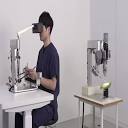
Professor Prokar Dasgupta, a leading robotic urological surgeon, performed the UK’s first long‑distance robotic prostate removal from London on a 62‑year‑old patient in Gibraltar, 1,500 miles away. The operation was conducted via a remote robotic platform that gave the surgeon real‑time control as if he were in the same room. The patient, Paul Buxton, volunteered to become part of medical history, describing the experience as a "no‑brainer." This milestone builds on earlier remote‑surgery experiments, including a 4,000‑mile cadaveric stroke procedure, confirming technical feasibility at scale.
Pulse Analysis
Remote robotic surgery is moving from experimental labs to real‑world operating theatres. By linking a surgeon in London with a patient in Gibraltar, the procedure demonstrated that high‑definition video, low‑latency data links, and advanced haptic feedback can replicate the tactile experience of in‑person surgery. This breakthrough underscores the maturity of tele‑operated platforms, which now support complex urological procedures such as prostatectomy, a field traditionally requiring highly skilled hands and precise instrument manipulation.
The clinical implications are profound. Patients in isolated or underserved areas can avoid costly travel and lengthy hospital stays, while healthcare systems can allocate specialist resources more efficiently. Remote surgery also opens avenues for cross‑border collaborations, allowing leading experts to intervene without relocating. However, scaling this model will demand robust cybersecurity, standardized regulatory frameworks, and reliable broadband infrastructure to ensure patient safety and data integrity across borders.
Looking ahead, the technology could reshape medical training and research. Surgeons in training may observe live procedures from anywhere, while multi‑institutional trials can compare outcomes in real time. As latency improves and AI‑assisted decision tools integrate, remote robotic operations may expand beyond urology to cardiology, orthopedics, and emergency care. The Gibraltar case marks a pivotal step toward a more connected, patient‑centric healthcare ecosystem, where distance no longer dictates the quality of treatment.


Comments
Want to join the conversation?