
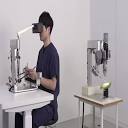
Key Takeaways
- •Six arms enable simultaneous multi‑task surgical actions
- •Modular design integrates with existing operating rooms
- •AI‑assisted precision reduces tissue trauma
- •Potential to shorten procedure times by up to 30%
- •J&J targets $1 billion robotic surgery market
Summary
On November 20, 2020 Johnson & Johnson’s Verb division unveiled OTTAVA, a six‑armed robotic platform designed for minimally invasive surgery. The system combines modular hardware with AI‑driven control to perform simultaneous tasks, promising greater precision and efficiency. Early trials indicate up to a 30% reduction in operative time compared with conventional laparoscopic tools. OTTAVA positions J&J to compete directly with established surgical‑robot manufacturers and expand its footprint in the growing robotic‑assisted surgery market.
Pulse Analysis
OTTAVA represents a significant engineering leap in the surgical‑robot arena, marrying six articulated arms with advanced AI algorithms that interpret surgeon intent in real time. Unlike single‑arm platforms, its multi‑arm configuration allows concurrent suturing, tissue manipulation, and camera control, reducing instrument exchanges and streamlining complex procedures. The robot’s modular architecture means hospitals can retrofit existing operating rooms without extensive infrastructure upgrades, lowering adoption barriers and accelerating deployment across diverse specialties.
The launch arrives at a pivotal moment for the $10 billion global robotic‑assisted surgery market, where incumbents such as Intuitive Surgical and Medtronic dominate. Johnson & Johnson’s entry leverages its extensive medical‑device ecosystem and deep clinical relationships, positioning OTTAVA as a cost‑competitive alternative that promises comparable outcomes with shorter procedure times. Analysts project that the addition of a multi‑arm system could capture a larger share of high‑volume procedures, driving incremental revenue and reinforcing J&J’s strategic shift toward integrated digital health solutions.
For surgeons, OTTOVA’s simultaneous task capability translates into less fatigue and higher precision, potentially improving patient recovery and reducing postoperative complications. Patients stand to benefit from shorter anesthesia exposure and faster discharge, aligning with broader healthcare goals of efficiency and value‑based care. As regulatory pathways mature and clinical data accumulate, OTTAVA may set a new benchmark for robotic versatility, prompting further innovation and competition that could lower costs and expand access to advanced minimally invasive surgery worldwide.


Comments
Want to join the conversation?