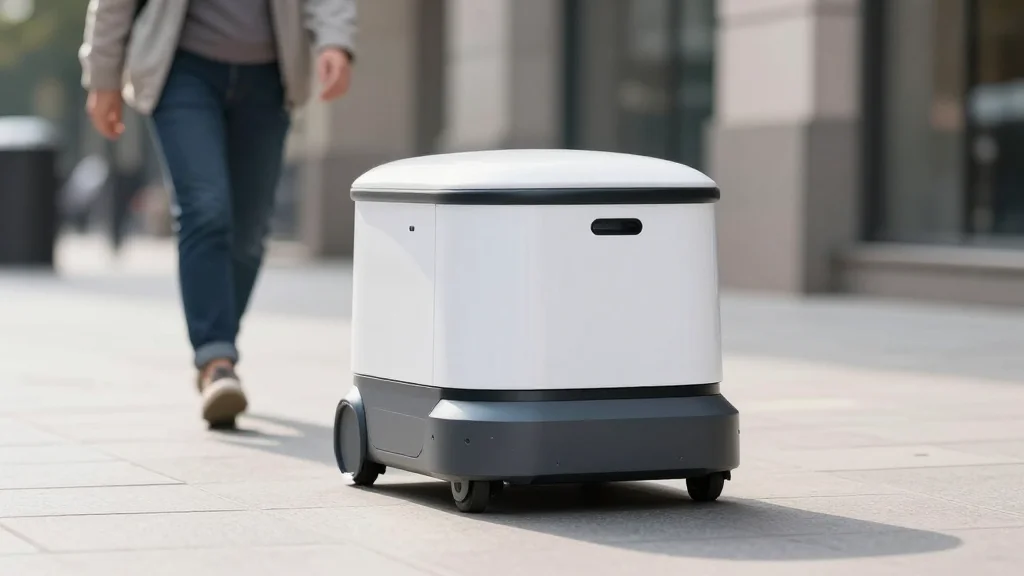
Delivery Robot CEOs Claim Human Interference Is Rare, Citing Sub‑0.2% Failure Rate

Companies Mentioned
Why It Matters
Understanding how humans interact with autonomous delivery robots is crucial for city planners, retailers, and investors. Low interference rates suggest that large‑scale deployment can proceed without costly security measures, accelerating the shift toward contact‑less logistics. Moreover, the social acceptance of these machines could set a precedent for broader robot integration in public spaces, from cleaning bots to security patrols. Conversely, if isolated incidents like those highlighted by Gude’s videos gain traction, they could trigger stricter regulations or public backlash, slowing adoption. The industry’s ability to demonstrate consistent, data‑backed safety and cooperation will shape policy and investment decisions for years to come.
Key Takeaways
- •Serve Robotics reports a 0.11% failure rate (11 issues in 10,000 deliveries).
- •Starship Technologies confirms zero thefts across nine million deliveries.
- •Coco Robotics also reports no thefts, dismissing early vandalism fears.
- •CEO Ali Kashani says humans are kinder than we think, citing low incident rates.
- •Upcoming rollouts: 5,000 new Starship units on U.S. campuses and a Chicago night‑delivery pilot by Serve Robotics.
Pulse Analysis
The data presented by the three CEOs suggests that the human‑robot interaction challenge for sidewalk delivery bots may be less about overt sabotage and more about subtle coexistence. Early micromobility failures, such as the scooter "graveyard" phenomenon, taught the industry that asset vulnerability can cripple a business model. By contrast, the delivery robot sector appears to have learned from those mistakes, emphasizing robust design and community-friendly aesthetics. The near‑zero theft figures are especially compelling; they indicate that the perceived risk premium for insurers and investors could shrink, unlocking cheaper financing for fleet expansion.
However, the narrative is not without friction. Viral social media accounts like William Gude’s amplify rare mishaps, potentially skewing public perception. Policymakers will need to balance anecdotal outrage with empirical evidence when drafting sidewalk usage rules. If the upcoming quarterly transparency reports confirm the current low‑interference trends, municipalities may be more inclined to grant broader permits, accelerating the shift toward autonomous last‑mile logistics. Conversely, any uptick in incidents could reignite calls for stricter controls, echoing the regulatory backlash seen in the scooter market.
Strategically, the robots’ success hinges on scaling while preserving the human‑friendly image that the CEOs tout. As fleets grow, maintaining the novelty factor—like the googly‑eye design—may become harder, and the industry will need to invest in public education and community outreach to sustain goodwill. The next wave of deployments will be a litmus test: if the numbers stay low, the sector could cement its role in urban commerce; if not, it may face the same regulatory headwinds that slowed other autonomous mobility solutions.
Delivery Robot CEOs Claim Human Interference Is Rare, Citing Sub‑0.2% Failure Rate
Comments
Want to join the conversation?
Loading comments...