
The Riskiest Way to Prove You’re Right
Key Takeaways
- •Marshall self‑ingested H. pylori to prove bacterial ulcer cause.
- •Medical community dismissed his findings until his self‑experiment succeeded.
- •2005 Nobel Prize awarded to Marshall and Warren for discovery.
- •Demonstrated that bold risk can overturn entrenched scientific beliefs.
- •Inspired modern biotech approaches to challenge conventional wisdom.
Summary
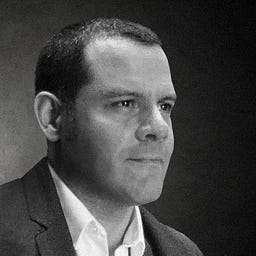
For decades the medical establishment blamed stress for stomach ulcers, dismissing any bacterial cause. Dr. Barry Marshall, alongside pathologist Robin Warren, identified Helicobacter pylori as the culprit but faced widespread skepticism. To force acceptance, Marshall deliberately ingested a culture of the bacteria, developed a severe ulcer, and proved the hypothesis on himself. The breakthrough earned him and Warren the 2005 Nobel Prize in Physiology or Medicine.
Pulse Analysis
The prevailing belief that stress caused stomach ulcers persisted well into the late 20th century, guiding treatment protocols and pharmaceutical sales toward antacids and stress‑relief drugs. When Barry Marshall and Robin Warren isolated Helicobacter pylori, they confronted an entrenched paradigm that dismissed bacterial involvement. Their data, though compelling, failed to sway peers until Marshall took the unprecedented step of drinking the cultured bacteria himself. This dramatic self‑experiment produced a textbook ulcer within days, providing irrefutable evidence that forced the medical community to reevaluate its assumptions.
Marshall’s daring act did more than validate a scientific theory; it catalyzed a paradigm shift that reshaped the gastro‑intestinal drug market. Antibiotic regimens replaced long‑standing acid‑suppression therapies, creating new revenue streams for pharmaceutical firms and prompting a wave of research into microbiome‑related conditions. The 2005 Nobel Prize recognized not only the discovery but also the methodological boldness that turned a fringe hypothesis into mainstream practice. Investors and biotech startups now cite the case as a benchmark for high‑risk, high‑reward R&D strategies, where decisive proof can unlock multi‑billion‑dollar opportunities.
For business leaders, Marshall’s story underscores the strategic value of calculated risk. While most enterprises favor incremental innovation, breakthrough advances often require a singular, audacious move that challenges consensus. The lesson extends beyond medicine to technology, finance, and entrepreneurship: when data points to a disruptive insight, committing resources—even personal capital—to demonstrate viability can accelerate adoption and secure market leadership. In an era where data is abundant but conviction scarce, Marshall’s example serves as a reminder that bold, evidence‑driven action can rewrite industry standards and generate lasting competitive advantage.


Comments
Want to join the conversation?