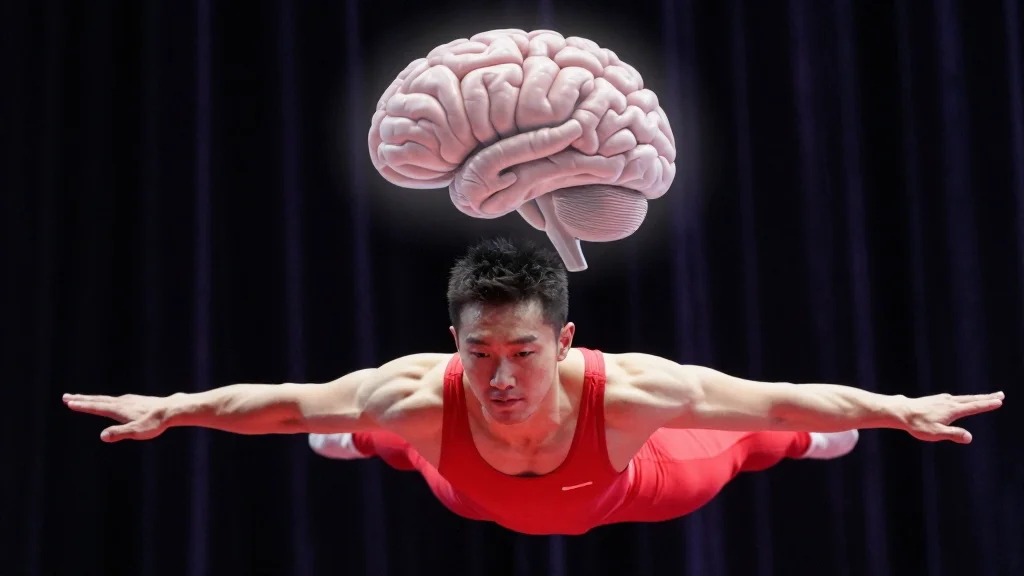
A Look Under the Big Top: Decade-Long Study Sheds Light on Head Injuries in Cirque Du Soleil Performers
Why It Matters
The findings provide the performing‑arts industry with rare epidemiological data, enabling evidence‑based safety reforms that could reduce concussion risk for high‑impact circus athletes. They also set a benchmark for other touring productions lacking robust medical monitoring systems.
Key Takeaways
- •1.3 concussions per 10,000 exposures, comparable to baseball.
- •Acrobats represent 83% of all concussion cases.
- •70% of concussions occur during performances, first show.
- •30% happen in training, highlighting preventive intervention potential.
- •2019 concussion spike reflects improved reporting, not injury rise.
Pulse Analysis
The Cirque du Soleil concussion study fills a glaring gap in occupational health literature for high‑risk performing arts. By leveraging a proprietary digital medical‑records system, researchers captured 270 million exposure events, delivering a statistically robust picture of head injury incidence. This level of granularity—rare outside elite sports—allows safety professionals to benchmark circus injury rates against more traditional athletics, confirming that the risk is not dramatically higher despite the spectacle.
Beyond raw numbers, the data uncovers actionable insights. Acrobats dominate the concussion profile, yet a substantial 30% of injuries arise during rehearsals and training sessions. This mirrors trends in collegiate and professional sports where practice‑related concussions drive policy changes. Targeted interventions—such as modified spotting techniques, protective headgear during high‑impact drills, and structured concussion education—could dramatically lower the training‑related share, preserving performer health without compromising artistic quality.
Looking ahead, the study’s methodology sets a precedent for other touring companies and smaller circus troupes that often lack comprehensive health monitoring. As Cirque refines its post‑2019 data collection, longitudinal analyses will reveal whether heightened awareness and preventive protocols translate into measurable injury reductions. For insurers, venue operators, and talent agencies, these findings provide a data‑driven basis for risk assessment, contract negotiations, and investment in on‑site medical infrastructure, ultimately fostering a safer, more sustainable performing‑arts ecosystem.
A look under the Big Top: Decade-long study sheds light on head injuries in Cirque du Soleil performers
Comments
Want to join the conversation?
Loading comments...