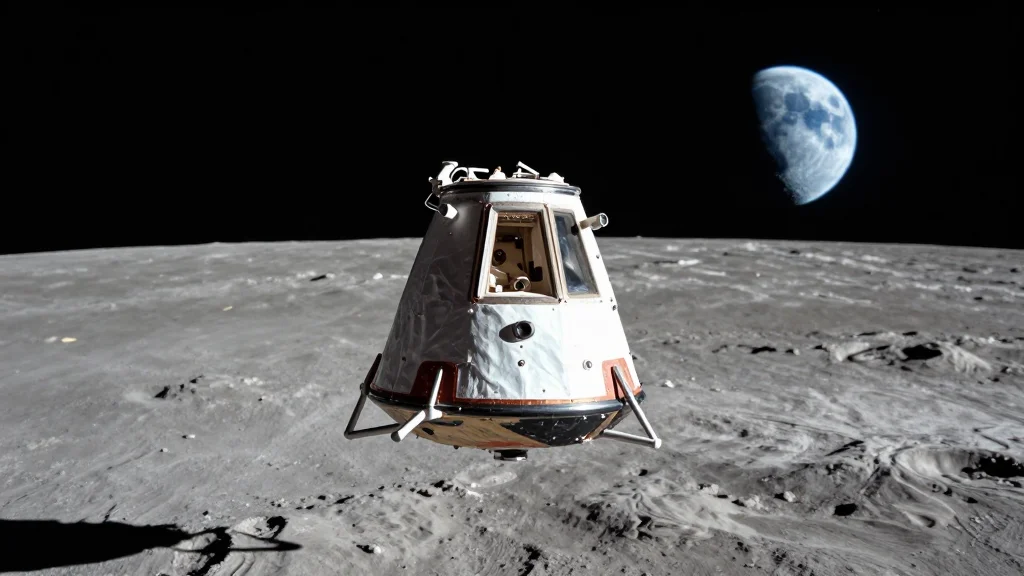
Artemis II Returns From Its Fly-By of the Moon
Why It Matters
Artemis II proves the United States can launch, operate, and recover a crewed spacecraft on lunar trajectories, clearing a major technical hurdle for a sustainable lunar presence and future deep‑space missions. The success reinforces America’s strategic leadership in space amid rising commercial and geopolitical competition.
Key Takeaways
- •Orion completed first crewed lunar flyby
- •Mission validated deep‑space life‑support systems
- •Four astronauts set distance record
- •Data informs Artemis III landing timeline
- •Demonstrates US commitment to lunar exploration
Pulse Analysis
The Artemis II flight marks a pivotal step in NASA’s broader lunar architecture, showcasing the Orion crew capsule’s ability to operate autonomously far beyond low‑Earth orbit. By successfully navigating a lunar fly‑by, performing mid‑course corrections, and executing a high‑velocity re‑entry, Orion proved its readiness for the more demanding Artemis III mission, which will involve a surface landing and integration with the Lunar Gateway. This technical validation reduces schedule risk and informs design refinements for life‑support, radiation shielding, and propulsion systems essential for sustained lunar operations.
Beyond the hardware, Artemis II underscores the evolving partnership model between government and industry. The Space Launch System, built by Boeing and Aerojet Rocketdyne, and Orion, assembled by Lockheed Martin, are now operating in concert with commercial providers such as SpaceX, which supplies launch‑pad services and crew transportation for future missions. This collaborative ecosystem accelerates innovation, spreads cost, and positions the United States to compete with emerging space powers that are rapidly expanding their lunar ambitions.
Strategically, the mission sends a clear signal to both allies and rivals that the United States remains committed to a permanent human presence on the Moon. The data gathered on deep‑space radiation exposure, crew health, and autonomous navigation will feed directly into policy decisions about lunar resource utilization, international cooperation on the Gateway, and the long‑term goal of crewed Mars exploration. As the Artemis program advances, its success will likely shape the next decade of space investment, regulatory frameworks, and commercial opportunities across the burgeoning space economy.
Artemis II returns from its fly-by of the moon
Comments
Want to join the conversation?
Loading comments...