Cognitive Effects Vary by Therapy for Advanced Prostate Cancer
Companies Mentioned

Why It Matters
The differential cognitive profile could shift prescribing patterns, influencing market share and payer decisions for androgen‑receptor inhibitors in a growing elderly prostate‑cancer population.
Key Takeaways
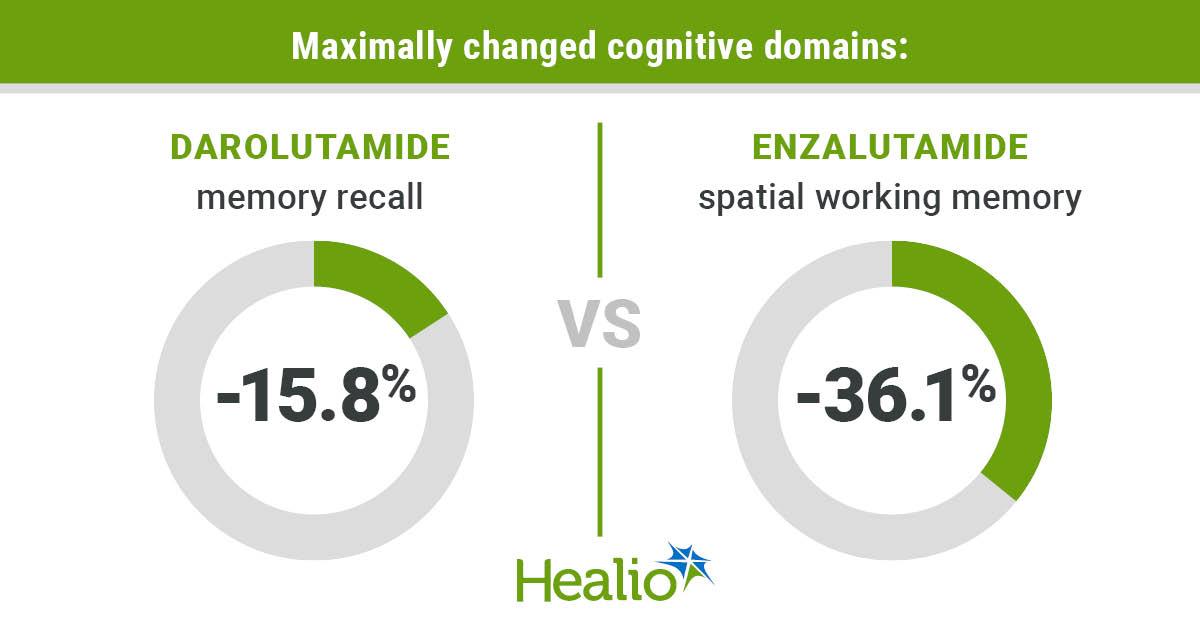
- •Darolutamide showed 15.8% memory decline; enzalutamide 36.1% spatial decline
- •Cognitive difference reached statistical significance (P = .009)
- •111 men enrolled; 95 evaluable (48 darolutamide, 47 enzalutamide)
- •30 enzalutamide patients crossed over to darolutamide; none switched opposite
- •Study population 83% white, limiting broader applicability
Pulse Analysis
Androgen‑receptor pathway inhibitors have become the backbone of therapy for metastatic and castration‑resistant prostate cancer, extending survival by months to years. Yet their ability to cross the blood‑brain barrier raises concerns about neurocognitive side effects, especially in older patients who may already face age‑related decline. The ARACOG phase‑2 trial, presented at the 2026 ASCO meeting, directly compared darolutamide and enzalutamide using the Cambridge Neuropsychological Test Automated Battery. Over 24 weeks, darolutamide demonstrated a markedly smaller drop in memory recall, while enzalutamide patients suffered a pronounced decline in spatial working memory, a difference that achieved statistical significance (P = .009). These results provide the first prospective, head‑to‑head cognitive data for these agents in a U.S. cohort.
For clinicians, the data add a new dimension to treatment selection beyond efficacy and safety. Cognitive preservation is increasingly recognized as a quality‑of‑life metric, particularly for the median‑age‑71 population that often balances therapy with daily functioning and independence. The trial’s crossover pattern—30 enzalutamide patients switching to darolutamide due to worsening cognition—highlights real‑world pressure to mitigate neuro‑toxic effects. Payers may also respond, as darolutamide’s lower cognitive risk could justify formulary preference or reduced prior‑authorization hurdles, potentially reshaping market dynamics among the $1‑2 billion androgen‑receptor inhibitor segment.
Looking ahead, broader, more diverse studies are needed to confirm these findings across racial groups and community settings. Ongoing 48‑week follow‑up will clarify whether early cognitive advantages translate into sustained functional benefits or reduced fall risk. If confirmed, darolutamide could be positioned as the preferred agent for older or cognitively vulnerable patients, prompting manufacturers to emphasize neuro‑safety in marketing and possibly influencing future FDA labeling. The trial underscores the growing importance of patient‑centered outcomes in oncology, where preserving brain health may become as decisive as extending survival.
Cognitive effects vary by therapy for advanced prostate cancer
Comments
Want to join the conversation?
Loading comments...