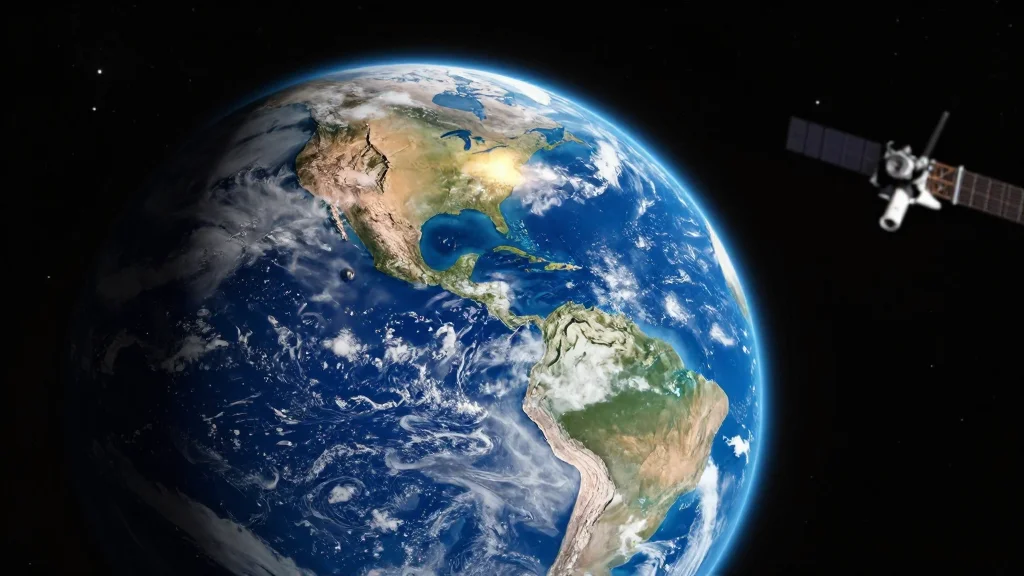
Scientists Spot 45 New Earth‑Like Exoplanets in Habitable Zones

Why It Matters
Expanding the catalog of Earth‑size planets in habitable zones directly influences the trajectory of astrobiology research, providing concrete targets for the most powerful telescopes currently in operation and under development. By narrowing the list to 45 high‑priority worlds, scientists can allocate scarce observation time more efficiently, accelerating the search for atmospheric biomarkers. The discovery also fuels public interest and policy support for large‑scale space missions, reinforcing the argument for sustained investment in exoplanet science. Beyond the immediate scientific payoff, the finding challenges existing models of planetary formation and distribution. A higher frequency of Earth‑like planets suggests that the conditions for habitability may be more common than previously thought, prompting a reassessment of the Drake equation and influencing future mission concepts aimed at direct imaging of exoplanet surfaces.
Key Takeaways
- •45 Earth‑size exoplanets identified in habitable zones, led by Lisa Kaltenegger’s team.
- •Analysis used data from ESA’s Gaia mission and NASA’s Exoplanet Archive.
- •24 planets fall within a narrow temperature range suitable for liquid water.
- •TRAPPIST‑1 e highlighted as a prime Earth‑like candidate.
- •JWST, ELT, and the planned Habitable Worlds Observatory will target these worlds for atmospheric study.
Pulse Analysis
The surge to 45 viable Earth‑like candidates marks a turning point for exoplanet strategy. Historically, the field has been constrained by a limited set of nearby, well‑characterized planets, forcing researchers to spread observation time thinly across a heterogeneous sample. This new cohort, identified through a systematic re‑analysis of existing data, offers a concentrated pool of targets that share key habitability metrics, enabling a more focused approach to biosignature detection.
From a competitive standpoint, the discovery reinforces the United States' leadership in exoplanet science while highlighting the indispensable role of European assets like Gaia. The collaborative data pipeline demonstrates how cross‑agency partnerships can unlock scientific value beyond the original mission goals. As JWST reaches the end of its primary mission, the community will likely pivot to the ELT and the upcoming Habitable Worlds Observatory, both of which are designed to deliver the spectral resolution needed to confirm or refute the presence of life‑supporting gases.
Looking ahead, the real test will be moving from cataloging to characterization. The next wave of proposals will need to balance the desire to study as many of the 45 planets as possible against the practical limits of telescope time and instrument sensitivity. Success in detecting definitive biosignatures could trigger a cascade of funding and public enthusiasm, potentially reshaping the priorities of space agencies worldwide. Conversely, if atmospheric studies reveal a dearth of biosignature gases, the field may need to refine its criteria for habitability, perhaps focusing more on planetary geology or magnetic field strength. Either outcome will profoundly influence the next decade of exoplanet exploration.
Scientists Spot 45 New Earth‑Like Exoplanets in Habitable Zones
Comments
Want to join the conversation?
Loading comments...