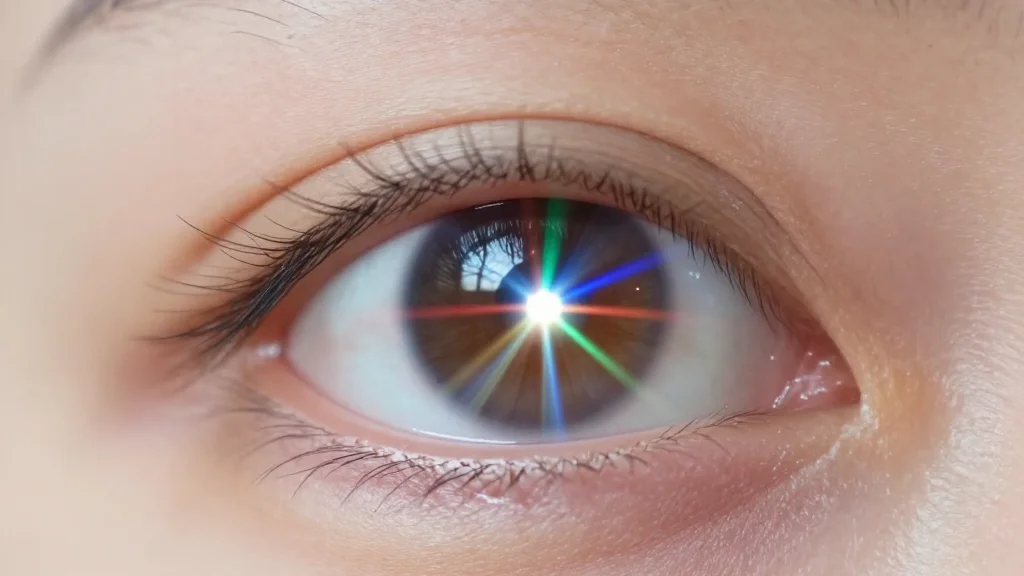
Surprising Finding in the Eye May Explain How We See in Low Light
Why It Matters
By revealing how retinal circuits combine parallel pathways, the work explains low‑light visual acuity and opens new avenues for treating night‑vision deficits and retinal disorders. It also showcases a breakthrough method for studying intact human neural tissue.
Key Takeaways
- •Electrical synapses link bipolar cell channels in retina.
- •BC6 bipolar cells act as hierarchical signal drivers.
- •Integrated signaling enhances detection of low‑light, low‑contrast stimuli.
- •Dual patch‑clamp recorded intact mouse and human retinal circuits.
Pulse Analysis
The retina’s ability to parse visual information has long been framed as a set of parallel channels—color, motion, contrast—each handled by distinct bipolar cells. Yale’s new research overturns that view, showing that electrical synapses, or gap junctions, weave these channels together, allowing signals to spread like a cloud across the network. Central to this integration is the BC6 bipolar cell, which acts as a command node, amplifying and routing weak inputs through a hierarchical cascade. This circuitry provides a built‑in boost for faint visual cues that would otherwise be lost in the noise of low‑light conditions.
Understanding this integrative mechanism has immediate clinical relevance. Many retinal pathologies, such as macular degeneration, glaucoma, and congenital night blindness, involve compromised signal transmission. If electrical coupling can be modulated, it may restore or enhance low‑contrast perception in affected patients. Moreover, the discovery underscores the importance of electrical synapses in sensory processing, a factor often overlooked in favor of chemical neurotransmission. Therapeutic strategies that target gap‑junction connectivity could therefore complement existing pharmacologic approaches aimed at photoreceptor health.
The methodological leap—applying dual patch‑clamp recordings to fully intact retinas—sets a new standard for neuro‑ophthalmic research. By preserving the native architecture of mouse and human tissue, the team captured authentic synaptic dynamics that slice preparations miss. This technique opens doors to probing other elusive neural circuits in their natural state, from cortical columns to spinal networks. As researchers adopt these tools, we can expect deeper insights into how the brain integrates parallel streams of information, ultimately informing both basic neuroscience and translational medicine.
Surprising finding in the eye may explain how we see in low light
Comments
Want to join the conversation?
Loading comments...