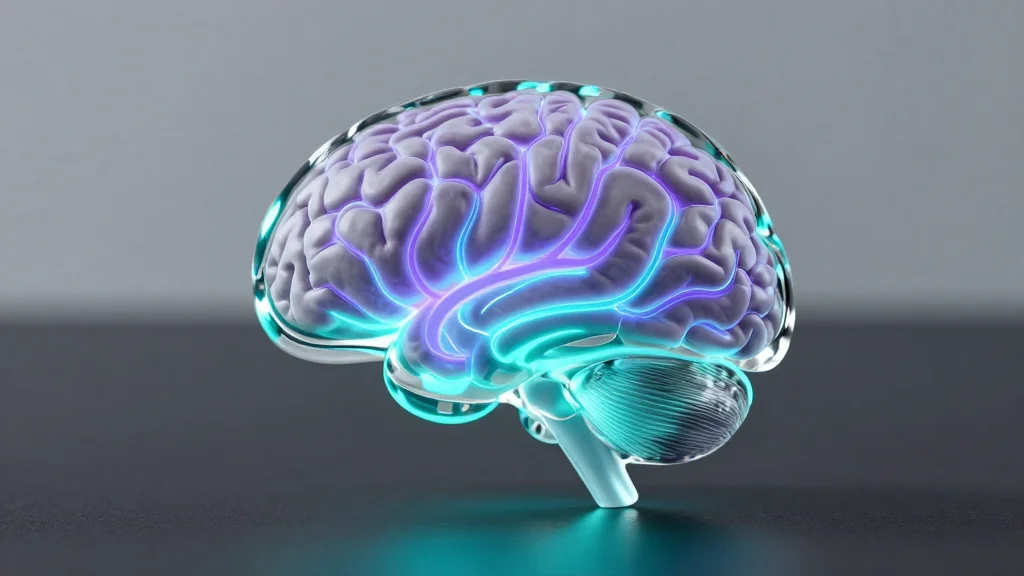
This Is Your Brain on Psychedelics: Neuroimaging Study Sheds Light on Cortical Network Effects
Why It Matters
Understanding the reliable brain mechanisms of psychedelics accelerates their therapeutic development for mental‑health disorders, informing both clinical trial design and regulatory evaluation.
Key Takeaways
- •Multi-site neuroimaging reveals consistent connectivity changes across psychedelics
- •Default mode network activity decreases under psychedelic influence
- •Increased global integration correlates with subjective intensity
- •Findings support therapeutic potential for depression and PTSD
- •Standardized protocols may resolve prior study inconsistencies
Pulse Analysis
The resurgence of psychedelic research has outpaced the tools needed to map their complex brain effects. Early functional MRI studies, often limited to single institutions and small cohorts, produced divergent results that hampered consensus. By uniting imaging protocols across multiple laboratories, the latest effort creates a robust dataset that captures the nuanced ways psychedelics modulate neural communication, offering a clearer picture than isolated experiments ever could.
Central to the study is the analysis of functional connectivity—how disparate brain regions synchronize their activity over time. Researchers observed a pronounced dampening of the default mode network, a hub linked to self-referential thought, alongside a surge in global network integration, indicating more widespread information sharing. These patterns tracked closely with participants' subjective reports of altered consciousness, suggesting a direct neural correlate of the psychedelic experience. The consistency of these signatures across different compounds, from psilocybin to LSD, underscores a shared mechanistic pathway despite pharmacological differences.
Clinically, these insights could transform how psychedelics are positioned as treatments for conditions such as major depressive disorder, post‑traumatic stress disorder, and addiction. Reliable biomarkers enable more precise dosing strategies, improve patient selection, and streamline regulatory approval processes. Moreover, the standardized imaging framework sets a precedent for future trials, fostering reproducibility and accelerating the translation of psychedelic science from the lab to the clinic.
This is your brain on psychedelics: Neuroimaging study sheds light on cortical network effects
Comments
Want to join the conversation?
Loading comments...