Orbital Data, Niche Markets Give Space Solar a New Shimmer
Companies Mentioned

Why It Matters
Targeting high‑value, off‑grid customers gives SBSP a viable revenue stream while the industry works to lower launch costs and prove the technology, potentially reshaping future energy and space‑computing ecosystems.
Key Takeaways
- •Google, SpaceX, Blue Origin eye orbital data centers
- •Aetherflux targeting DoD, lunar power, using laser tech
- •Overview Energy raised $20M, plans GEO satellite constellation
- •NASA study shows high cost unless launch price drops
- •Japan aims 2026 demo delivering 720W to ground
Pulse Analysis
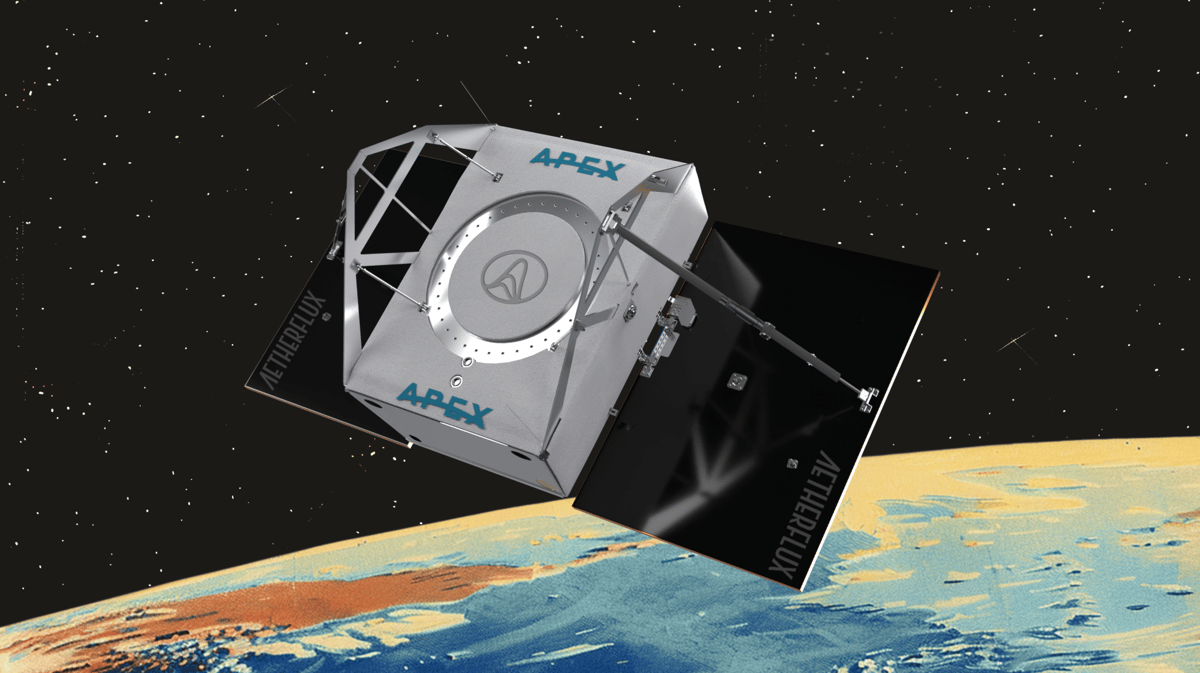
The resurgence of space‑based solar power is no longer anchored solely in the fantasy of beaming megawatts to Earth’s grids. Instead, entrepreneurs are courting a handful of high‑margin customers that can afford premium, reliable power in hard‑to‑reach locations. Aetherflux’s "Galactic Brain" concept bundles dozens of GPUs on a single LEO satellite, using proprietary laser links to transmit both data and energy to DoD installations and, potentially, lunar outposts. Overview Energy, backed by $20 million in venture capital, is building a GEO constellation designed to serve remote islands, mines, and hyperscalers, positioning SBSP as a niche‑as‑a‑service offering rather than a mass‑market utility.
Cost remains the primary barrier to broader adoption. NASA’s 2024 lifecycle analysis projected megawatt‑hour prices up to $1,590, far above terrestrial renewables, largely because it assumed $1,500 per kilogram launch costs and short hardware lifespans. Industry insiders argue those assumptions are outdated; recent launch‑price reductions and advances in modular satellite manufacturing could drive costs toward the $500‑per‑kg threshold where SBSP becomes competitive. While ESA has gone quiet and China’s five‑year plan omitted explicit SBSP milestones, Japan’s JAXA is moving ahead with a 720‑watt demonstration slated for FY 2026, signaling that at least one major space agency still sees strategic value in the technology.
Looking forward, the convergence of orbital computing demand, defense energy needs, and declining launch expenses could create a feedback loop that accelerates SBSP commercialization. Early contracts with entities like Saudi Arabia’s Acwa Power and DoD grant pilots provide revenue that funds larger constellations, which in turn lower per‑satellite costs through economies of scale. If these niche deployments prove technically reliable and economically viable, they may serve as stepping stones toward the ultimate goal of a global, space‑derived power grid, reshaping both the energy landscape and the economics of in‑space industry.
Orbital Data, Niche Markets Give Space Solar a New Shimmer


Comments
Want to join the conversation?
Loading comments...