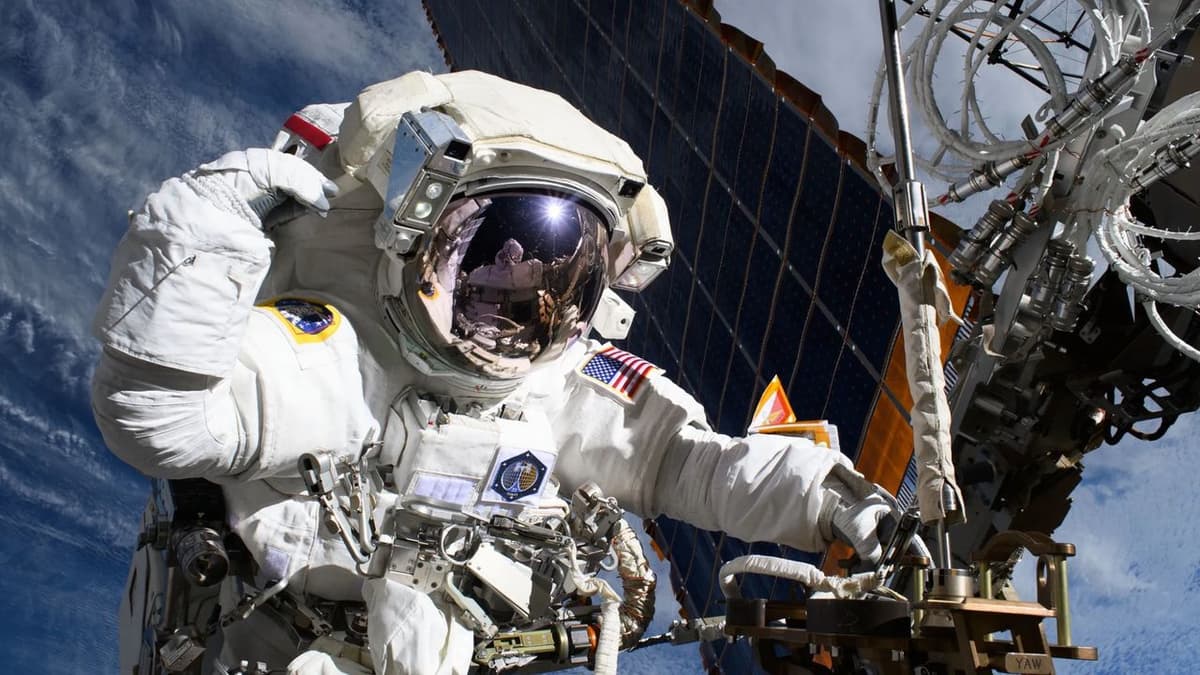
Watch Live Today: NASA Astronauts Conducting Spacewalk Delayed by ISS Medical Evacuation
Why It Matters
The spacewalk restores critical power‑upgrade timelines while highlighting the ISS’s growing reliance on commercial crew health contingencies.
Key Takeaways
- •EVA delayed due to first ISS medical evacuation
- •Meir and Williams conduct 6.5‑hour spacewalk
- •Work prepares power channel for iROSA solar array
- •First ISS EVAs of 2026, Expedition 74
- •Crew‑11 astronaut Mike Fincke recovered, details undisclosed
Pulse Analysis
The March 18 spacewalk underscores how a single medical event can ripple through the tightly choreographed schedule of the International Space Station. When a Crew‑11 astronaut experienced a health issue in January, NASA was forced to abort the original EVA and accelerate the crew’s return, marking the first-ever medical evacuation from the outpost. This unprecedented move not only delayed planned maintenance but also highlighted the increasing importance of rapid medical response capabilities for low‑Earth‑orbit habitats.
Meir and Williams’ upcoming EVA focuses on preparing a power channel for the International Space Station Roll‑Out Solar Array (iROSA). The iROSA program is a cornerstone of NASA’s strategy to extend the station’s operational life by boosting its electrical generation capacity without the need for entirely new solar wings. By installing additional solar panels on existing truss structures, the ISS can support higher‑power experiments, increased data throughput, and future commercial modules, all while reducing reliance on aging hardware.
Beyond the immediate technical goals, the delayed EVA illustrates broader trends in orbital operations. The incident reinforces the symbiotic relationship between NASA and commercial partners like SpaceX, whose crew‑transport capabilities now include robust medical evacuation protocols. It also signals that future spacewalks will increasingly be tied to incremental upgrades rather than large‑scale construction, reflecting a shift toward sustaining the station’s infrastructure well into the 2030s. As the ISS approaches the end of its original service life, each EVA becomes a critical step in preserving the laboratory’s scientific output and commercial viability.


Comments
Want to join the conversation?
Loading comments...