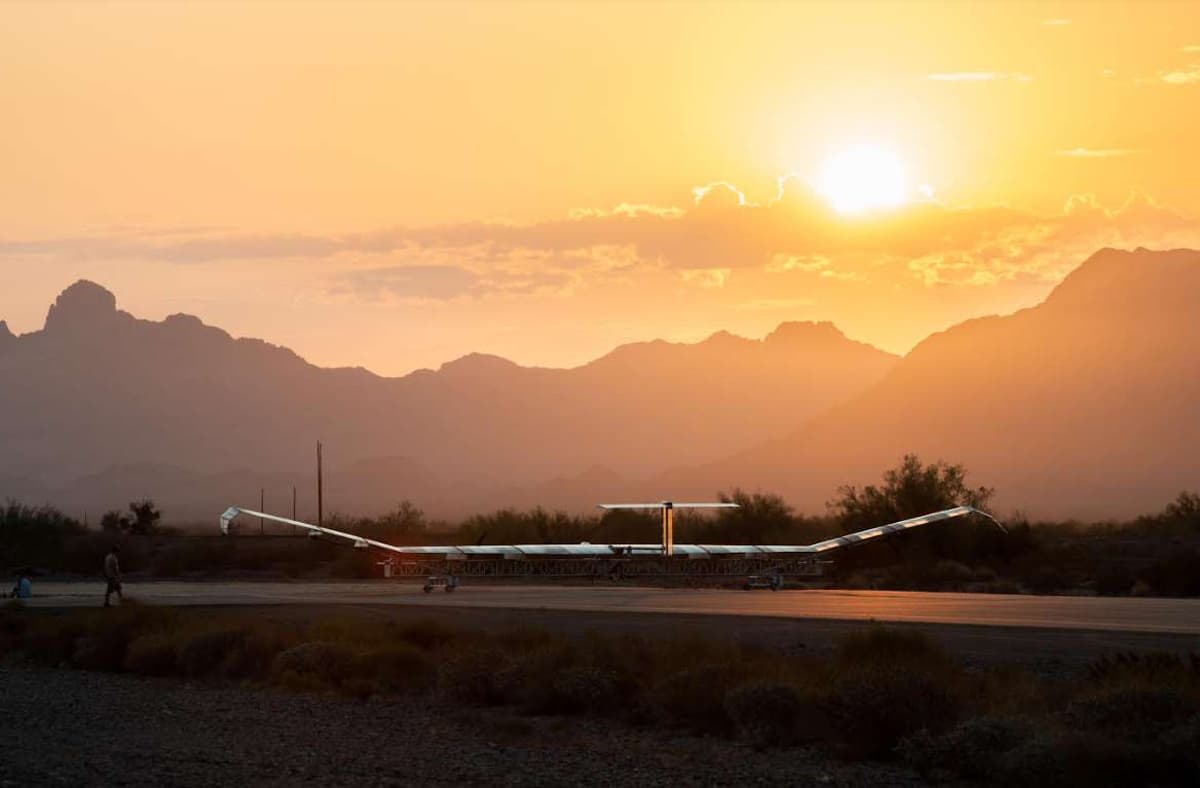
AALTO Targets Australia for Zephyr’s Next Operating Site, Launching Call to National Payload Industry

Companies Mentioned
Why It Matters
The initiative creates a sovereign high‑altitude platform that can deliver cost‑effective connectivity and surveillance across Australia’s vast terrain, accelerating the country’s Stratospace capabilities and opening new revenue streams for local innovators.
Key Takeaways
- •AALTO selects Darwin region as second Zephyr launch site.
- •Zephyr completed 67‑day continuous stratospheric flight in 2025.
- •AALTO invites Australian payload developers for 2026 NTDefence dialogues.
- •Project aims to boost sovereign communications and ISR capabilities.
- •Partnership leverages Northern Territory’s defence and energy strengths.
Pulse Analysis
The Zephyr Stratocraft represents a breakthrough in high‑altitude platform systems, combining solar power with lightweight construction to sustain weeks‑long missions above 60,000 feet. Its 2025 record of 67 continuous days demonstrated reliable power management and payload integration, positioning it as a viable alternative to satellites for low‑latency data relay. By establishing a second operational hub in Australia, AALTO not only diversifies its geographic footprint but also taps into the Southern Hemisphere’s favorable solar conditions and open airspace.
Australia’s strategic need for resilient communications and real‑time intelligence makes the Zephyr concept especially compelling. The platform can provide on‑demand broadband to remote communities, support disaster‑response coordination, and deliver high‑resolution imagery for environmental monitoring. Partnering with the Northern Territory Government aligns the project with regional defence and energy initiatives, fostering a domestic Stratospace supply chain that reduces reliance on foreign satellite services. This sovereign capability enhances national security while offering commercial operators a flexible, lower‑cost option for persistent coverage.
For the broader aerospace market, AALTO’s move signals a shift toward near‑space solutions that bridge the gap between traditional aircraft and orbital assets. The invitation to Australian payload innovators opens pathways for universities and tech firms to develop specialized sensors, communications modules, and AI‑driven analytics tailored to the stratospheric environment. As Airbus backs the venture, the venture is poised to attract multi‑billion‑dollar investment, accelerate regional R&D, and establish Australia as a hub for next‑generation aerospace services throughout the Asia‑Pacific decade ahead.


Comments
Want to join the conversation?
Loading comments...