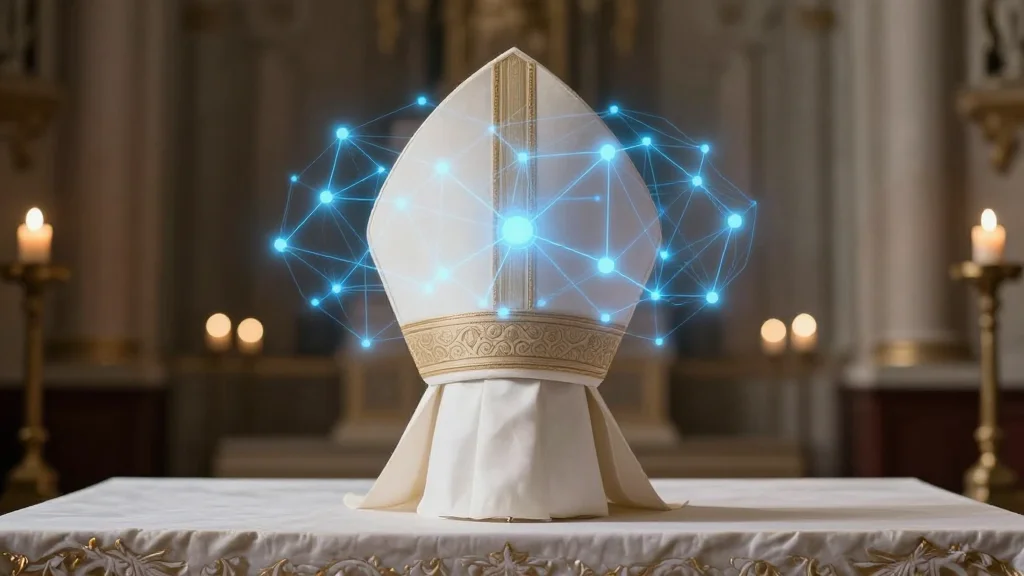
Pope Leo XIV’s AI Encyclical Declares Technology “Never Neutral”

Companies Mentioned



Why It Matters
The Pope’s framing of AI as a moral issue elevates the debate beyond technical specifications to questions of human dignity, labor rights, and power concentration. By invoking centuries‑old Catholic social teaching, the Vatican offers a globally recognized ethical lens that could inform policy, corporate governance, and public opinion. As AI systems increasingly mediate work, communication, and even warfare, the encyclical’s call for technology to serve the common good may pressure companies to adopt more transparent, inclusive practices. Moreover, the Vatican’s selective engagement with Anthropic signals a potential shift toward partnerships with firms that prioritize interpretability and safety. If other religious and cultural institutions adopt similar stances, the cumulative pressure could reshape industry norms, encouraging a broader coalition of stakeholders to demand accountability from AI developers.
Key Takeaways
- •May 25, 2026: Pope Leo XIV releases *Magnifica humanitas*, declaring AI “never neutral.”
- •Encylcical signed on May 15, aligning with the 135th anniversary of *Rerum novarum*.
- •Anthropic co‑founder Chris Olah attended the Vatican presentation; OpenAI, Google DeepMind, xAI were absent.
- •Document warns AI power could concentrate in the hands of a few, threatening human dignity.
- •Vatican plans workshops later in 2026 to develop concrete AI ethics guidelines.
Pulse Analysis
The Vatican’s entry into the AI ethics arena is more than a symbolic gesture; it leverages a moral authority that transcends national borders and political affiliations. Historically, the Church has wielded influence on social policy, from labor rights to bioethics. By positioning AI as the modern equivalent of the industrial challenges addressed in *Rerum novarum*, Pope Leo XIV is effectively rebranding the technology debate in moral terms that resonate with billions of believers.
This move could create a ripple effect in corporate strategy. Companies like Anthropic, which already emphasize safety and interpretability, may find a new endorsement channel, potentially attracting investment from faith‑aligned funds. Conversely, firms excluded from the Vatican’s dialogue may face reputational pressure, especially if Catholic‑run institutions begin to prioritize vendors that align with the Pope’s ethical criteria. The encyclical could also serve as a reference point for legislators drafting AI regulations, offering a values‑based framework that complements technical standards.
Looking ahead, the Vatican’s workshops could produce a set of principles that, while rooted in Catholic doctrine, are adaptable enough for secular adoption. If these guidelines gain traction, they may help bridge the gap between fragmented industry self‑regulation and top‑down governmental oversight, fostering a more cohesive global approach to AI governance. The real test will be whether the Church can translate its moral pronouncements into enforceable standards that influence the behavior of powerful tech conglomerates.
Pope Leo XIV’s AI Encyclical Declares Technology “Never Neutral”
Comments
Want to join the conversation?
Loading comments...