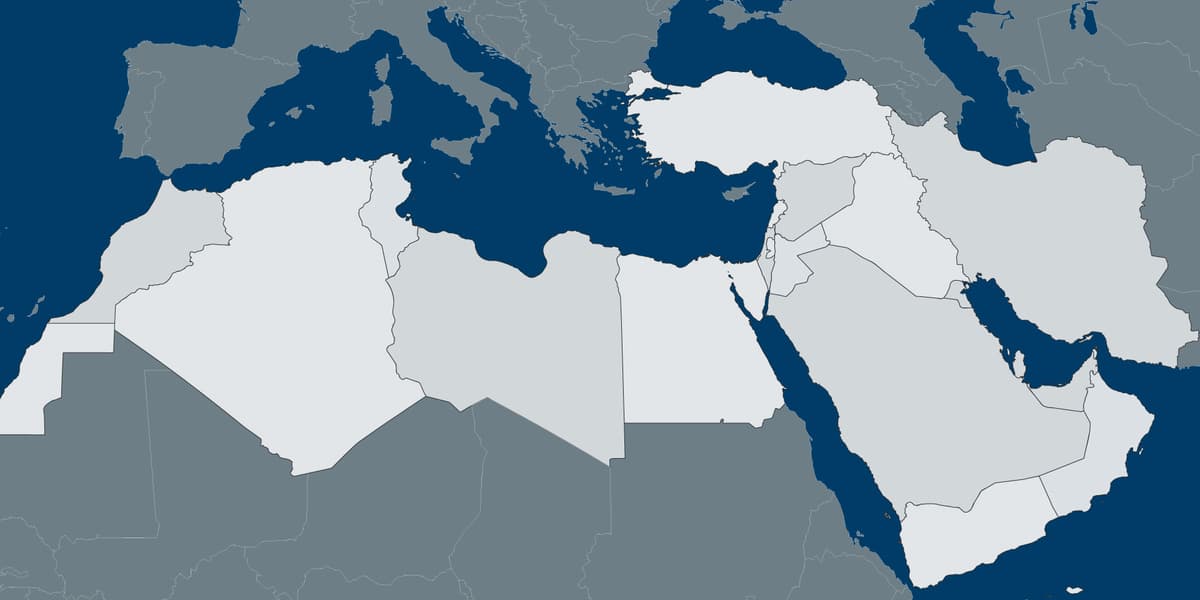
How Iran Is Repricing Geography
Key Takeaways
- •IMO proposal mirrors successful Black Sea grain corridor
- •Iran signals tentative openness to IMO cooperation
- •Proposed safeguards include tracking and rapid‑response teams
- •Potential reduction in maritime insurance premiums
- •Framework could shift regional trade dynamics
Summary
The International Maritime Organization (IMO) has tabled a proposal to safeguard Persian Gulf shipping, mirroring the Black Sea grain corridor that kept vital routes open during Ukraine’s war. Iran, traditionally wary of external maritime regulations, appears cautiously receptive to collaborating with the IMO on the plan. The initiative seeks to formalize navigation corridors, enforce vessel tracking, and establish rapid‑response mechanisms for incidents. If adopted, the framework could reshape regional trade flows and reduce insurance premiums for carriers operating in the volatile Gulf.
Pulse Analysis
The International Maritime Organization’s latest initiative aims to replicate the Black Sea grain initiative’s success by establishing a protected shipping corridor in the Persian Gulf. Historically, the Gulf has been a flashpoint for geopolitical tension, with incidents ranging from missile strikes to vessel seizures. By instituting standardized navigation lanes, mandatory AIS (Automatic Identification System) reporting, and a joint rapid‑response task force, the IMO hopes to create a predictable environment that encourages carriers to maintain regular schedules. This predictability is crucial for oil‑rich nations that rely on uninterrupted export flows to meet global demand.
Iran’s tentative willingness to engage with the IMO marks a notable shift in its maritime policy. While Tehran has often resisted external oversight, the prospect of reduced insurance costs and lower risk of vessel damage offers tangible incentives. Moreover, cooperation could unlock access to international financing for port upgrades and dredging projects, enhancing the country’s logistical capacity. For global traders, Iran’s participation signals a potential easing of sanctions‑related uncertainties, allowing more diversified routing options and fostering competition among regional ports.
If the proposal gains traction, the broader implications for the energy market are significant. A secured Gulf corridor would likely lower freight rates, translating into modest reductions in gasoline and jet‑fuel prices worldwide. Additionally, the framework could serve as a template for other contested waterways, encouraging multilateral governance models that balance sovereign interests with commercial imperatives. Stakeholders—from oil majors to insurance underwriters—should monitor the negotiation timeline closely, as the final agreement could reshape risk assessments and investment strategies across the maritime sector.


Comments
Want to join the conversation?