“Low-Hire, Low-Fire” U.S. Economy Holds As External Risks Mount
Key Takeaways
- •Initial unemployment claims rose to 219,000, above forecasts
- •Core PCE inflation held near 3% despite war‑driven energy spikes
- •Consumer spending grew 0.5% in February, but real growth slowed
- •Fed kept rates at 3.5‑3.75%, cutting cut odds this year
- •Labor market remains “low‑hire, low‑fire” amid Middle East tensions
Pulse Analysis
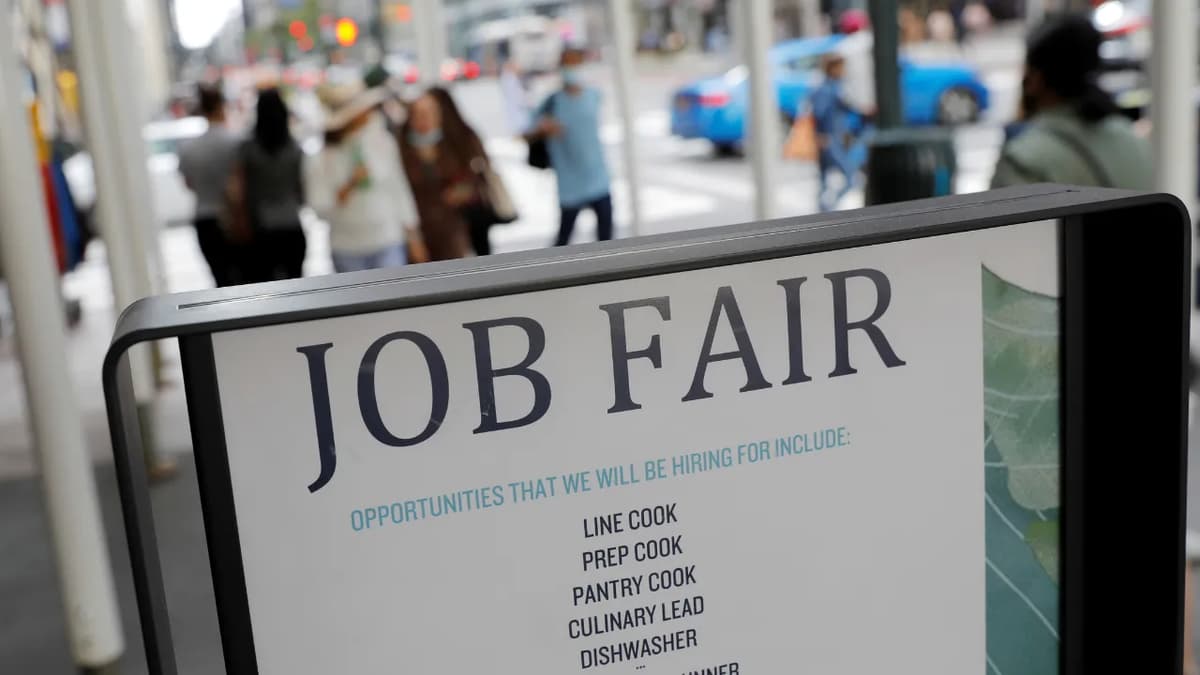
The latest jobless‑claims report shows the U.S. labor market still operating in a "low‑hire, low‑fire" mode. Claims rose modestly to 219,000, a figure that aligns with economists' forecasts and indicates no surge in layoffs. This stability comes amid a second‑month conflict in the Middle East, which adds a layer of uncertainty for employers already navigating volatile trade policies and immigration constraints. While the cease‑fire between Iran and Israel appears fragile, the labor market’s resilience provides the Federal Reserve with a brief window to assess inflation without immediate pressure to tighten further.
Inflation remains the headline concern. Core PCE inflation stayed near the 3% mark, and headline CPI is expected to jump about 1% month‑over‑month in March, driven largely by soaring energy costs as gasoline tops $4 per gallon. The Fed’s latest policy decision left the benchmark rate unchanged at 3.5‑3.75%, but the odds of a rate cut this year have sharply declined. Policymakers are warning that prolonged Middle‑East tensions could embed higher energy prices into core inflation, prompting a more hawkish stance if price pressures persist.
Consumer spending, which fuels two‑thirds of U.S. economic activity, grew 0.5% in February but only 0.1% in real terms after price adjustments. The modest rise reflects a mix of higher nominal spending and inflation‑driven price inflation, hinting that households are feeling the pinch of higher fuel costs and a volatile stock market. With Q4 GDP growth slowed to a 0.5% annualized pace, the economy’s momentum hinges on whether spending can stay ahead of price gains. Companies should watch for shifts in discretionary demand and prepare for tighter credit conditions as the Fed signals a less accommodative monetary outlook.
“Low-Hire, Low-Fire” U.S. Economy Holds As External Risks Mount
Comments
Want to join the conversation?