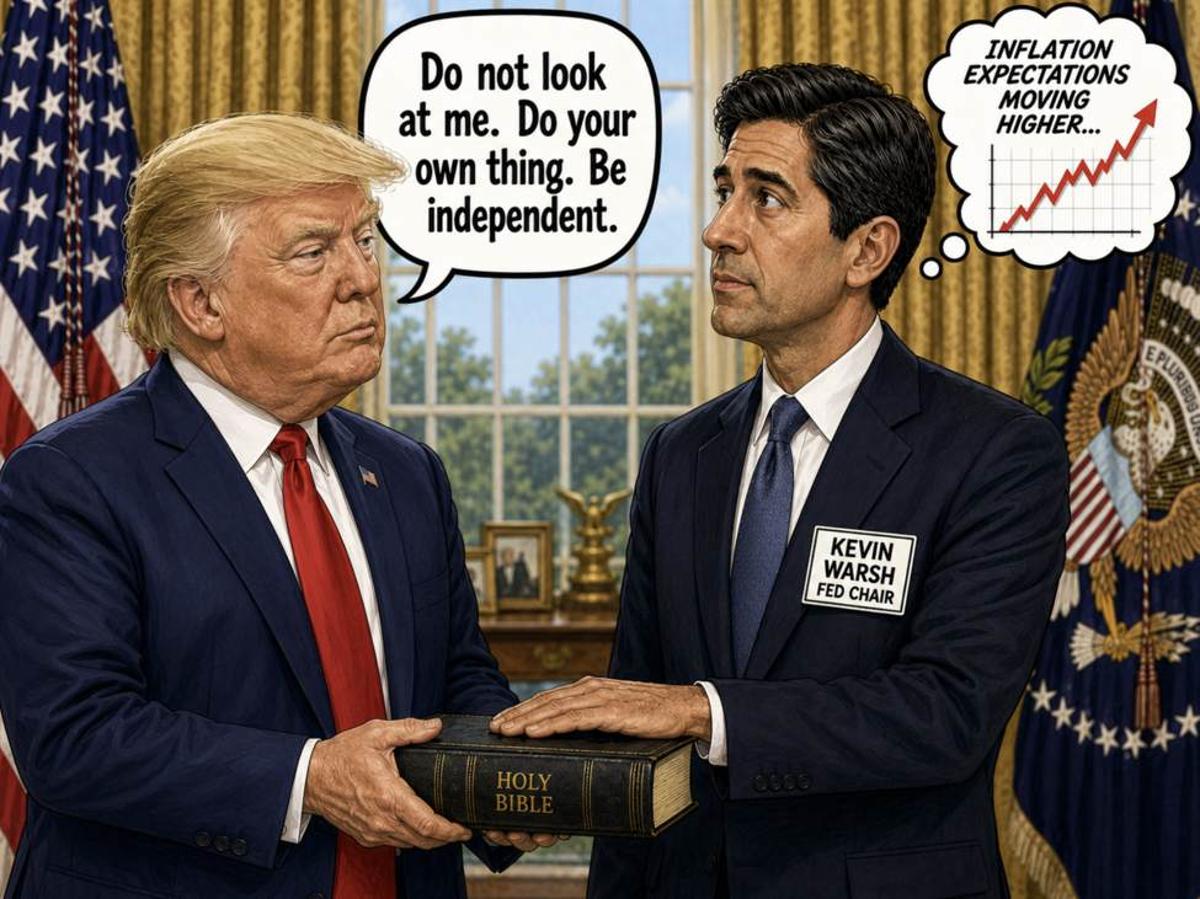
New Fed Chair Warsh Faces Hawkish FOMC as Rate Cut Hopes Fade on Iran War
Key Takeaways
- •April minutes removed “nimble” language, hinting at longer restrictive policy.
- •Majority expect tightening if inflation stays above 2% target.
- •Market pricing of 2026 cuts has vanished, hikes now plausible.
- •Iran conflict spreads inflation to shipping, airfare, fertilizer.
- •Warsh’s dovish bias may clash with committee’s hawkish trajectory.
Pulse Analysis
The Federal Reserve’s leadership transition arrives at a pivotal moment. Kevin Warsh, a former governor known for his dovish leanings, inherits a policy committee that has already signaled a departure from the “nimble” stance that characterized earlier meetings. The April minutes omitted language about flexibility, instead emphasizing that persistently high inflation could require a longer period of restrictive policy. This subtle but meaningful shift underscores the Fed’s growing confidence that inflationary pressures are not fleeting, setting the stage for a more disciplined monetary approach.
Beyond core CPI numbers, the Fed is now grappling with secondary inflation vectors amplified by the ongoing Iran conflict. Higher fuel costs are cascading into shipping rates, airline tickets and even fertilizer prices, widening the price‑push effect beyond traditional energy channels. Analysts note that these transmission mechanisms make it harder to label the surge as transitory, bolstering the case for holding rates steady or modestly tightening. The broader price environment also complicates any dovish pivot, as policymakers must weigh the risk of re‑igniting inflation expectations against the desire to support a still‑robust labor market.
Market participants have already adjusted their expectations. The once‑common pricing of three rate cuts in 2026 has evaporated, replaced by a scenario where modest hikes could materialize as early as late 2026 or early 2027. This recalibration introduces volatility around FOMC communications, especially if Warsh attempts to steer the committee toward a more accommodative stance. The tension between the chair’s preferred lower‑rate outlook and the committee’s hawkish trajectory could shape bond yields, equity valuations, and borrowing costs for corporations and consumers alike for the next several years.
New Fed chair Warsh faces hawkish FOMC as rate cut hopes fade on Iran war
Comments
Want to join the conversation?