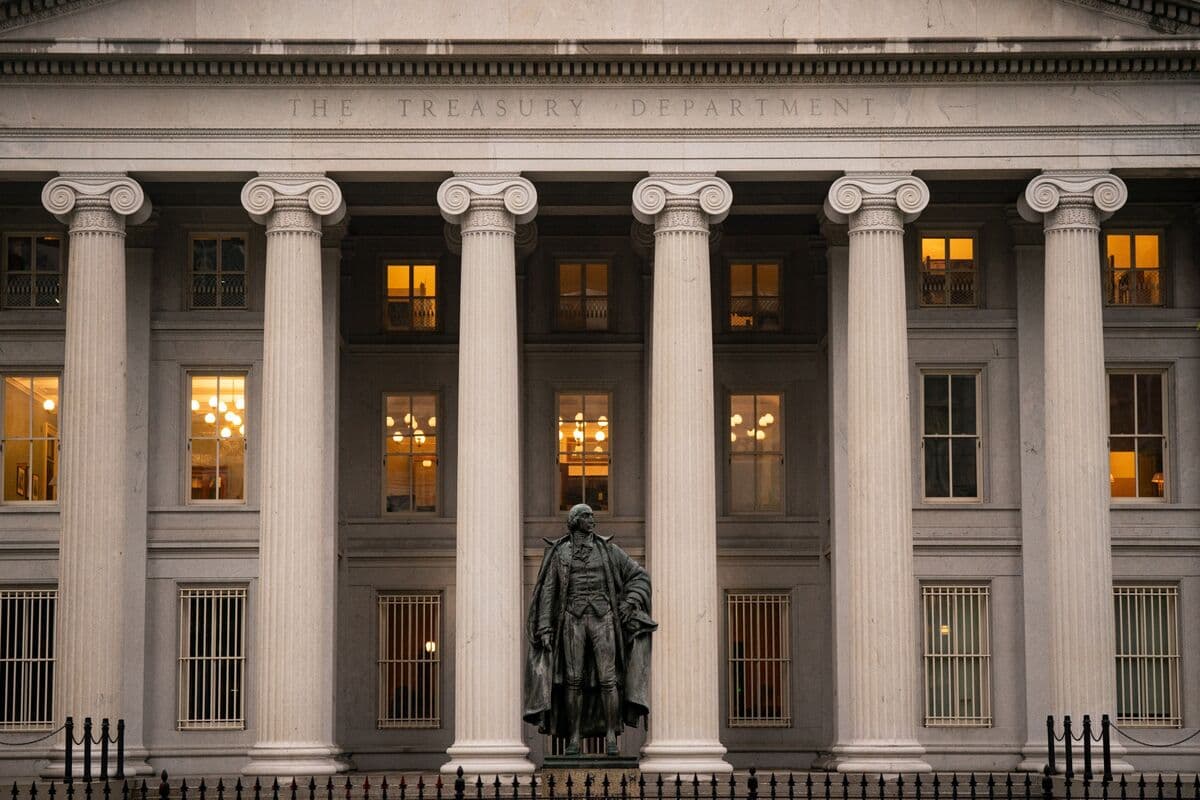
Bond Traders Await Powell Update, Slate of US Treasury Auctions
Why It Matters
The Fed’s policy signal will directly influence Treasury yields and borrowing costs, affecting both the upcoming auction pricing and broader fixed‑income portfolios. Shifts in rate expectations also guide investors’ risk‑adjusted strategies in a volatile macro environment.
Key Takeaways
- •Traders eye Fed meeting to gauge inflation amid high oil prices
- •Market expects rates held Wednesday; year‑end cut probability rising
- •Swaps show 40% chance of rate cut after DOJ investigation dropped
- •Upcoming Treasury auctions could face volatility from shifting rate expectations
Pulse Analysis
The Federal Reserve’s upcoming policy decision arrives at a crossroads of geopolitical risk and domestic inflation concerns. Elevated oil prices, driven by ongoing tensions in the Middle East, have kept headline inflation above the Fed’s 2% target, prompting investors to scrutinize the central bank’s language for clues about future rate moves. While the official stance is expected to be a hold, the market’s focus has shifted to forward‑looking indicators, such as swap spreads and futures pricing, that embed expectations for a possible easing later in the year.
Swap markets have become a barometer for rate‑cut probabilities, jumping from a 20% to a 40% chance after the Justice Department’s probe into the Fed was dropped. This uptick reflects growing confidence that inflation pressures may ease without aggressive monetary tightening. A higher probability of a cut compresses the yield curve, especially at the short end, and nudges Treasury yields lower. For bond traders, this translates into tighter spreads and a reassessment of duration risk, as the prospect of lower rates can boost the price of existing fixed‑rate securities.
The immediate implication for the Treasury market is heightened volatility around the week’s auction schedule. With the Fed’s policy outlook in flux, primary dealers must price new issues against a backdrop of shifting yield expectations, potentially leading to broader bid‑to‑cover spreads. Investors may respond by favoring shorter‑duration holdings or inflation‑linked securities to hedge against lingering price pressures. Understanding the interplay between Fed signaling, oil‑driven inflation, and auction dynamics is essential for navigating the fixed‑income landscape in the months ahead.
Bond Traders Await Powell Update, Slate of US Treasury Auctions
Comments
Want to join the conversation?
Loading comments...