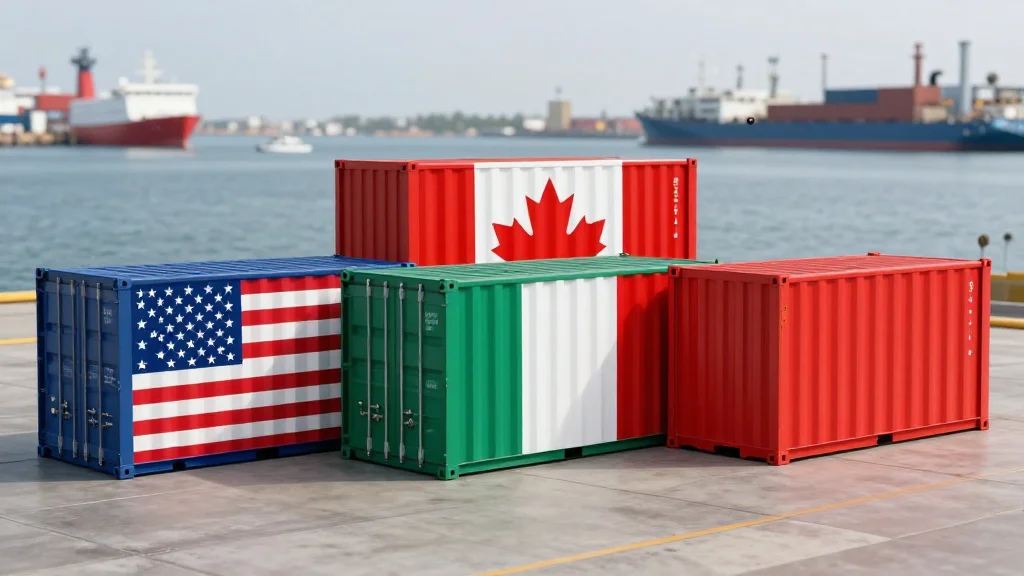
Congressional Push‑And‑Pull Over USMCA Threatens Trade Flows Ahead of July Deadline

Why It Matters
The USMCA underpins a substantial portion of North American trade, linking supply chains that generate trillions of dollars in economic activity. A disruption would not only raise consumer prices but also threaten the stability of industries that employ millions of workers across the United States, Canada and Mexico. Moreover, the debate signals how domestic political pressures—particularly around tariffs and national debt—are reshaping the United States' approach to trade policy. Beyond immediate economic effects, the outcome will influence the United States' credibility in future trade negotiations. A weakened or renegotiated pact could embolden rivals such as the European Union or China to seek deeper market access, while a reaffirmed agreement would reinforce the U.S. commitment to regional integration and supply‑chain resilience.
Key Takeaways
- •Congressional debate centers on a July 1 deadline to extend the 16‑year USMCA
- •Administration spokesperson claims Canada has "taken advantage" of the U.S. economy
- •Michael Froman warns the negotiations reveal serious fissures between the U.S. and Canada
- •Exports to Mexico and Canada support millions of U.S. jobs and trillions of dollars in trade
- •Potential collapse could raise tariffs on autos, oil and gas, driving up consumer prices
Pulse Analysis
The USMCA dispute illustrates a broader tension between protectionist impulses and the economic realities of integrated supply chains. Historically, the original NAFTA framework helped lower trade barriers and spur growth across the continent; the USMCA was intended to modernize that relationship. Yet the current political climate—marked by high inflation, rising debt and a populist push for "America first" policies—has revived old grievances.
If Congress leans toward a more punitive stance, the United States may secure short‑term political wins but risk long‑term economic costs. Higher tariffs would likely be passed on to consumers, eroding purchasing power at a time when affordability is already strained. Conversely, a swift reaffirmation could stabilize markets, reassure investors and preserve the competitive advantage that North American manufacturers enjoy.
Looking ahead, the USMCA outcome will serve as a litmus test for the Biden administration's ability to balance domestic political pressures with the need for stable trade relationships. A renegotiated pact that introduces stricter rules of origin or new labor provisions could set higher standards for future agreements, while a collapse would force U.S. firms to re‑engineer supply chains, potentially shifting production to Asia or reshaping domestic manufacturing strategies. The stakes extend beyond the immediate tariff debate, shaping the trajectory of U.S. trade policy for years to come.
Congressional Push‑And‑Pull Over USMCA Threatens Trade Flows Ahead of July Deadline
Comments
Want to join the conversation?
Loading comments...