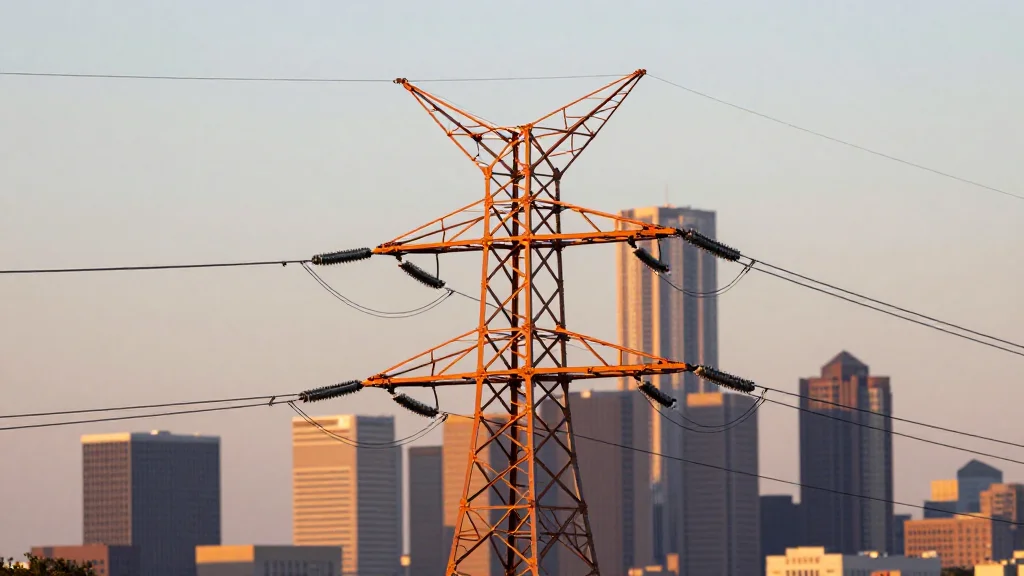
DTE Energy Seeks $474 Million Electric Rate Hike, Michigan's Biggest Since 2019

Companies Mentioned

Why It Matters
The rate hike request highlights a broader tension in the U.S. economy between the need for massive infrastructure investment and the cost burden on households. Upgrading aging grids is critical for reliability, especially as data‑center demand surges and climate‑related outages become more frequent. At the same time, higher utility bills can erode disposable income, affecting consumer spending and inflation dynamics. Michigan’s outcome may serve as a bellwether for other states where utilities seek to fund grid modernization through rate cases. A precedent of large, approved hikes could accelerate nationwide investment, but it also risks amplifying energy cost pressures at a time when policymakers are monitoring inflation and energy equity.
Key Takeaways
- •$474.3 million electric rate increase request filed with Michigan regulators
- •Largest utility rate hike in Michigan since 2019
- •DTE serves 2.3 million electric and 1.4 million gas customers in southeastern Michigan
- •Data‑center contracts provide 1.4 GW now, up to 4.4 GW total, slated for 2027 completion
- •MPSC decision expected by February 2027; DTE pledges no further hikes until at least 2028
Pulse Analysis
DTE’s filing underscores a shifting financing model for the U.S. power sector, where utilities increasingly lean on ratepayers to fund grid resilience and capacity expansions. Historically, many utilities relied on a mix of debt and equity, but the scale of data‑center demand—driven by AI workloads—has tipped the balance toward rate‑based recovery. This approach transfers risk to consumers but also aligns revenue with actual usage, a point regulators will weigh against affordability concerns.
The involvement of a high‑profile AI project like OpenAI’s “Stargate” adds a strategic layer. As AI workloads consume megawatts of power, utilities that secure long‑term contracts can justify larger capital outlays, potentially reshaping the utility‑tech partnership landscape. However, the success of this model hinges on transparent cost allocation and demonstrable reliability gains. If DTE can substantiate that the rate increase translates into measurable outage reductions, it may pave the way for similar arrangements nationwide.
Looking ahead, the MPSC’s decision will likely influence how other state commissions evaluate rate cases tied to emerging tech demand. A favorable ruling could encourage utilities to pursue aggressive grid‑modernization agendas, while a more restrained approval might push them toward alternative financing, such as green bonds or public‑private partnerships. Either outcome will reverberate through the broader economy, affecting everything from household energy bills to the competitiveness of U.S. data‑center hubs in the global AI race.
DTE Energy seeks $474 Million electric rate hike, Michigan's biggest since 2019
Comments
Want to join the conversation?
Loading comments...