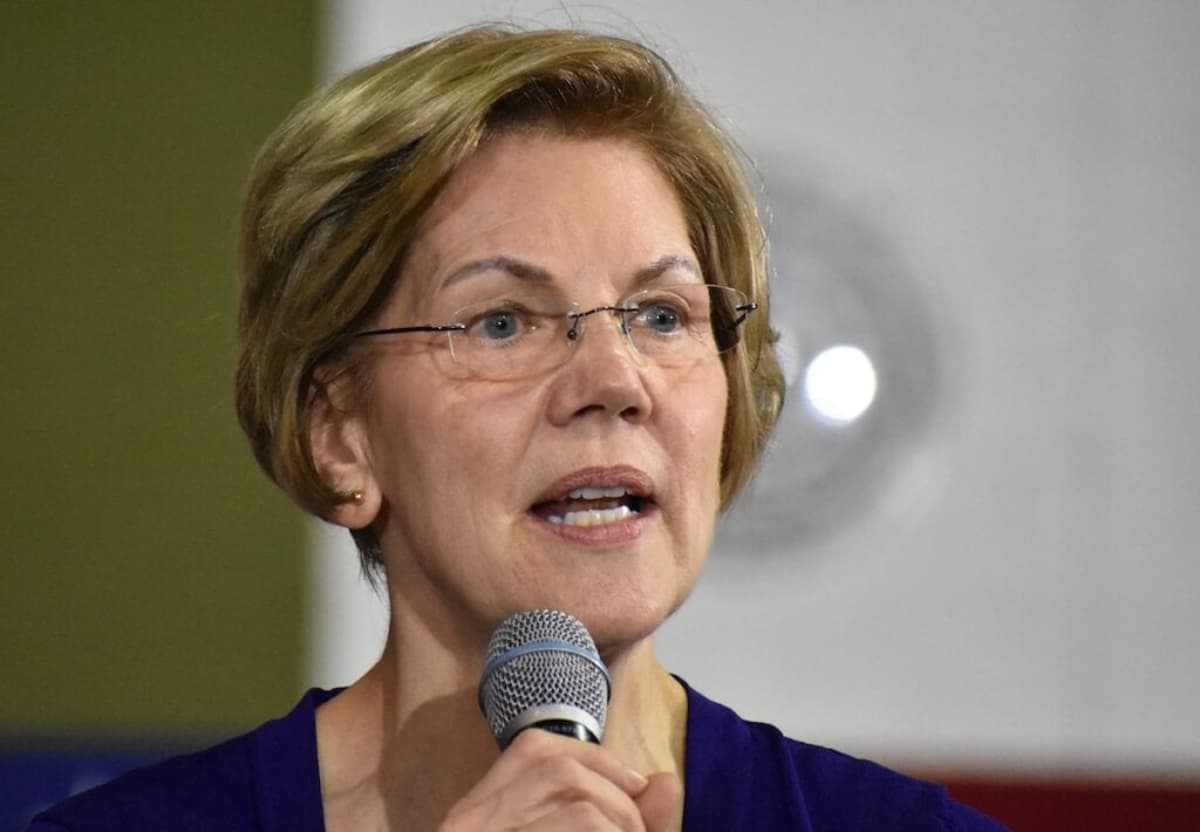
Elizabeth Warren Wants Wealth Tax On Jeff Bezos To Cover Insulin, Free School Meals—Crypto Analyst Calls It Moving Capital From The Best To The Worst
Why It Matters
The proposal spotlights a growing political push to tax ultra‑wealthy individuals to fund social programs, while sparking debate over optimal capital allocation for economic growth.
Key Takeaways
- •Warren proposes 3% wealth tax on Bezos' $222B fortune.
- •Tax would still leave Bezos $215B after levy.
- •Analyst Willy Woo argues tax shifts capital to inefficient projects.
- •California high‑speed rail cost exceeds $100B, minimal progress.
- •Amazon stock fell 0.38% after tax debate.
Pulse Analysis
The wealth‑tax conversation has resurfaced as a flashpoint in U.S. fiscal policy, with Senator Warren leveraging Jeff Bezos' staggering net worth to finance health‑care and education initiatives. By targeting a single billionaire, the proposal underscores a broader trend of using progressive taxation to address income disparity, yet it also raises constitutional and practical questions about the fairness of singling out individuals for public financing. This debate occurs against a backdrop of heightened scrutiny of billionaire philanthropy and the political appetite for redistributive measures.
Willy Woo's critique pivots on the economics of capital allocation, arguing that Bezos' investments—particularly in Blue Origin—generate high‑technology spillovers and private sector jobs, whereas California's high‑speed rail has struggled with cost overruns and limited tangible outcomes. The analyst's point reflects a classic policy tension: balancing public infrastructure needs with the efficiency of private innovation. While public works can deliver broad societal benefits, the opportunity cost of diverting funds from high‑growth sectors may dampen long‑term productivity, a concern echoed by market observers and some X users.
Market participants have responded cautiously; Amazon's modest share dip signals investor wariness about regulatory risk and potential tax burdens on its founder. Beyond the immediate stock impact, the discussion hints at shifting investment patterns in the space economy, where the Pentagon is reallocating billions toward smaller, agile firms that complement SpaceX's ecosystem. This realignment could accelerate demand for data networks, spectrum licenses, and defense contracts, reshaping the competitive landscape for both legacy aerospace giants and emerging players. Understanding these dynamics is crucial for investors tracking the intersection of policy, technology, and capital flows.
Elizabeth Warren Wants Wealth Tax On Jeff Bezos To Cover Insulin, Free School Meals—Crypto Analyst Calls It Moving Capital From The Best To The Worst
Comments
Want to join the conversation?
Loading comments...