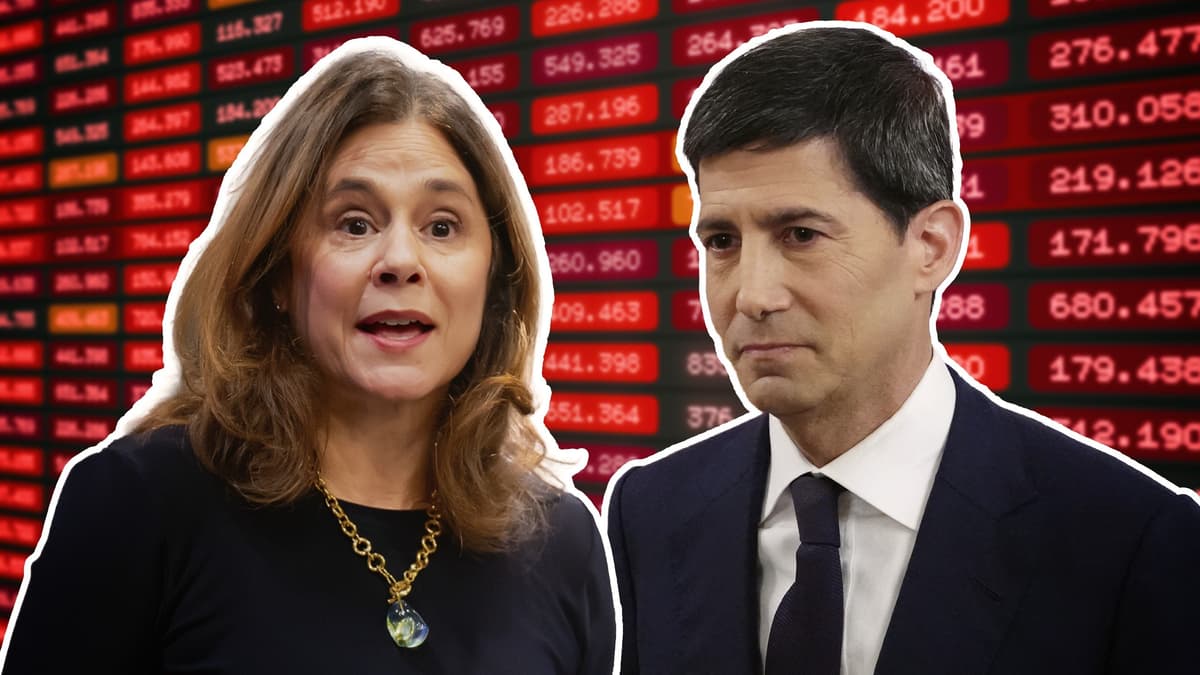
Fed Official Warns of Interest Rate Hike if Inflation Doesn’t Cool
Why It Matters
A potential rate hike and the removal of forward guidance could increase market volatility and raise borrowing costs, directly affecting consumer credit, mortgage rates, and the broader U.S. economy.
Key Takeaways
- •Dallas Fed President Logan flags possible rate hike later 2026.
- •New Chair Warsh may drop forward guidance and dot‑plot forecasts.
- •Inflation at 3.8% YoY, highest in three years, fuels concern.
- •Mortgage rates tied to 10‑year Treasury, not directly to Fed hikes.
- •Homebuyers face limited relief; market expects higher rates if inflation persists.
Pulse Analysis
The Federal Reserve’s leadership transition is reshaping its communication playbook. New Chair Kevin Warsh is poised to eliminate the forward‑guidance language that has long helped investors gauge the trajectory of policy rates. By removing the dot‑plot forecast, the Fed may inject uncertainty into bond markets, prompting wider swings in yields and forcing market participants to price risk without a clear roadmap. Analysts warn that this shift could amplify volatility in Treasury and mortgage‑backed securities, raising the cost of capital for businesses and households alike.
Dallas Fed President Lorie Logan’s recent remarks underscore the growing unease about inflation’s persistence. With the consumer price index climbing 3.8% over the past 12 months—a peak not seen in three years—Logan warned that current policy may be “neutral or even a bit loose.” She joined Governor Christopher Waller in questioning the Fed’s recent easing bias, suggesting that a higher policy rate may be required to anchor inflation expectations before price pressures become entrenched. The debate reflects a broader split within the FOMC between those favoring a cautious stance and those urging pre‑emptive tightening.
For prospective homebuyers, the Fed’s stance translates into a nuanced mortgage outlook. While short‑term Fed hikes typically ripple through the 10‑year Treasury yield, which anchors mortgage rates, the market is already pricing in higher long‑term inflation expectations. As a result, a modest 25‑basis‑point increase may not dramatically shift mortgage rates, but a sustained inflation surge could push yields higher, tightening affordability. Coupled with geopolitical headwinds from the Middle‑East conflict, the summer housing market faces a “wild card” scenario where higher rates and persistent inflation could dampen buyer demand, even as inventory remains tight. Stakeholders should monitor both Fed policy cues and broader inflation trends to gauge the trajectory of borrowing costs.
Fed Official Warns of Interest Rate Hike if Inflation Doesn’t Cool
Comments
Want to join the conversation?
Loading comments...