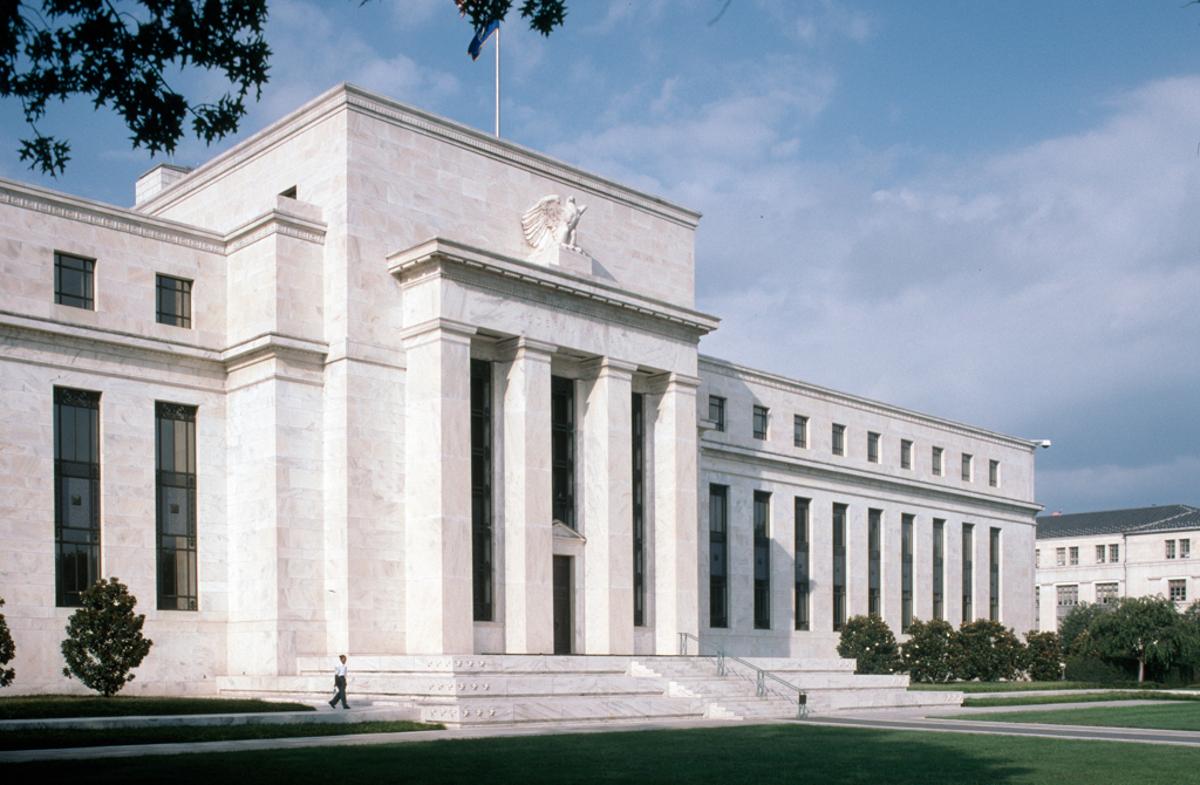
Federal Reserve Pressures Borrowers as Rate Cut Hopes Fade
Why It Matters
Higher rates prolong the transition away from cheap credit, tightening household budgets and increasing financing costs for businesses, which could slow economic growth. The market’s reaction underscores the Fed’s pivotal role in shaping borrowing conditions across the economy.
Key Takeaways
- •May added 172,000 jobs, double expectations
- •Markets price higher chance of Fed rate hike by year‑end
- •Elevated rates threaten mortgage affordability and consumer spending
- •Businesses may delay expansion as financing costs rise
- •Structural headwinds could keep borrowing costs above pandemic lows
Pulse Analysis
The latest employment surge has forced the Federal Reserve to reassess its rate‑cut timeline. While inflation has been trending lower, a resilient labor market raises concerns that wage growth could reignite price pressures. Analysts now factor a higher likelihood of a policy‑tightening move before December, reflecting the Fed’s mandate to pre‑emptively curb inflation rather than react after it takes hold. This shift illustrates how a single data point can reshape expectations for monetary policy across global markets.
For borrowers, the prospect of sustained higher rates translates into tangible cost increases. Mortgage rates, already edging up, could push average home‑loan payments several hundred dollars higher, eroding affordability for first‑time buyers. Credit‑card interest and auto‑loan rates follow suit, squeezing disposable income and prompting consumers to trim non‑essential spending. Corporations, too, face steeper financing costs, prompting many to postpone capital projects, scale back hiring, or seek alternative funding sources. The ripple effect can dampen GDP growth, especially if the housing sector—traditionally a key engine of the U.S. economy—slows markedly.
Beyond the immediate cycle, deeper structural forces may keep borrowing costs elevated longer than many anticipate. Demographic aging, persistent labor shortages, geopolitical tensions and rising sovereign debt levels all add upward pressure on inflationary expectations. As policymakers grapple with these headwinds, the era of near‑zero rates that defined the 2010s may give way to a new normal of modestly higher interest rates. Market participants and businesses must therefore adapt strategies to operate in an environment where cheap money is no longer a given.
Federal Reserve Pressures Borrowers as Rate Cut Hopes Fade
Comments
Want to join the conversation?
Loading comments...