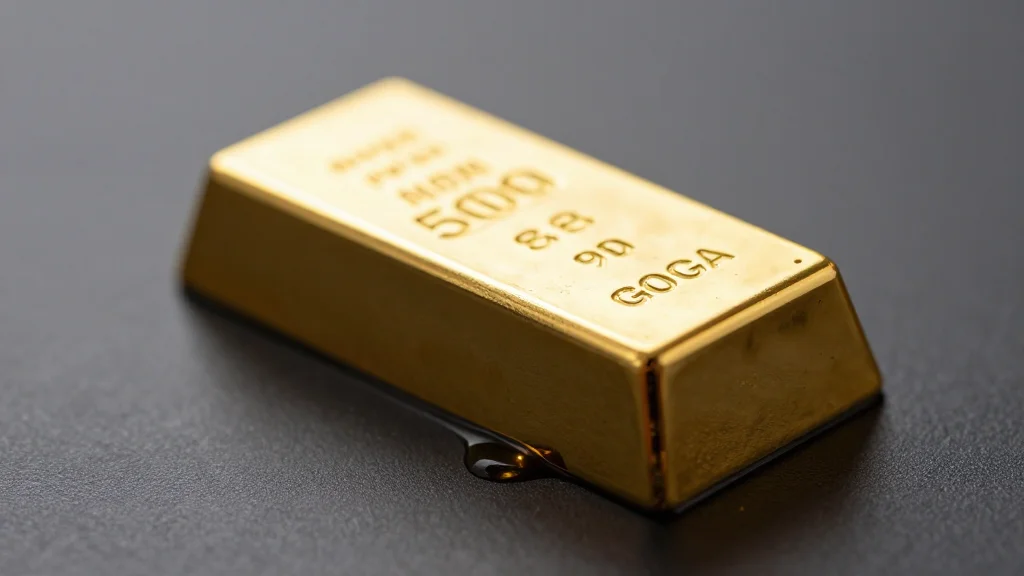
Gold Slides to $4,600 as Oil‑Driven Inflation Fears Grip US Markets

Why It Matters
Gold is a barometer for real‑interest‑rate expectations and a hedge against inflation. A sustained slide toward $4,600 signals that investors are pricing in higher real yields, which could tighten credit conditions for households and businesses. The move also reflects how geopolitical risk—specifically the US‑Iran standoff—feeds directly into US inflation dynamics, shaping the Federal Reserve’s policy calculus. For the broader US economy, the interplay between oil‑driven price pressures and monetary policy will influence consumer spending, corporate borrowing costs, and the valuation of risk assets. A prolonged period of elevated inflation could erode purchasing power, delay discretionary spending, and force the Fed to adopt a more aggressive rate path, with knock‑on effects on employment and growth.
Key Takeaways
- •Spot gold fell 1.5% to $4,612.48 per ounce, nearing a three‑week low of $4,600.
- •U.S. gold futures dropped to $4,625.86, mirroring the spot decline.
- •Crude oil prices surged amid stalled US‑Iran talks, heightening inflation fears.
- •CFTC data showed money managers cut net‑long gold positions by 3,352 contracts.
- •Upcoming US data (ADP jobs, PCE index) and the Fed’s April 29 meeting could steer gold’s next move.
Pulse Analysis
The gold market’s reaction underscores a classic risk‑off to risk‑on shift driven by energy‑price shocks. Historically, spikes in oil have translated into higher headline inflation, prompting the Fed to tighten policy and push real yields up—conditions that make non‑yield‑bearing assets like gold less attractive. The current environment mirrors the 2022‑23 period when oil‑price volatility forced the Fed to accelerate rate hikes, and gold struggled to maintain its premium.
However, the present scenario carries a geopolitical overlay that differentiates it from pure macro‑economic cycles. The US‑Iran impasse not only throttles oil supply but also injects uncertainty into global trade routes, potentially prolonging elevated energy costs. If diplomatic breakthroughs fail, the Fed may face a dual mandate dilemma: curb inflation without stifling growth. In that case, gold could rebound as investors seek safety against a backdrop of higher volatility across equities and bonds.
Investors should monitor the Fed’s language for clues on how it weighs inflation versus growth. A dovish tilt could revive gold’s appeal, while a hawkish stance would likely keep the metal under pressure. Meanwhile, the dollar’s modest decline offers a partial counterbalance, but unless the currency recovers, gold’s upside remains constrained. The next week’s data releases will be pivotal in confirming whether today’s sell‑off is a short‑term correction or the start of a longer‑term bearish trend for the world’s premier safe‑haven asset.
Gold Slides to $4,600 as Oil‑Driven Inflation Fears Grip US Markets
Comments
Want to join the conversation?
Loading comments...