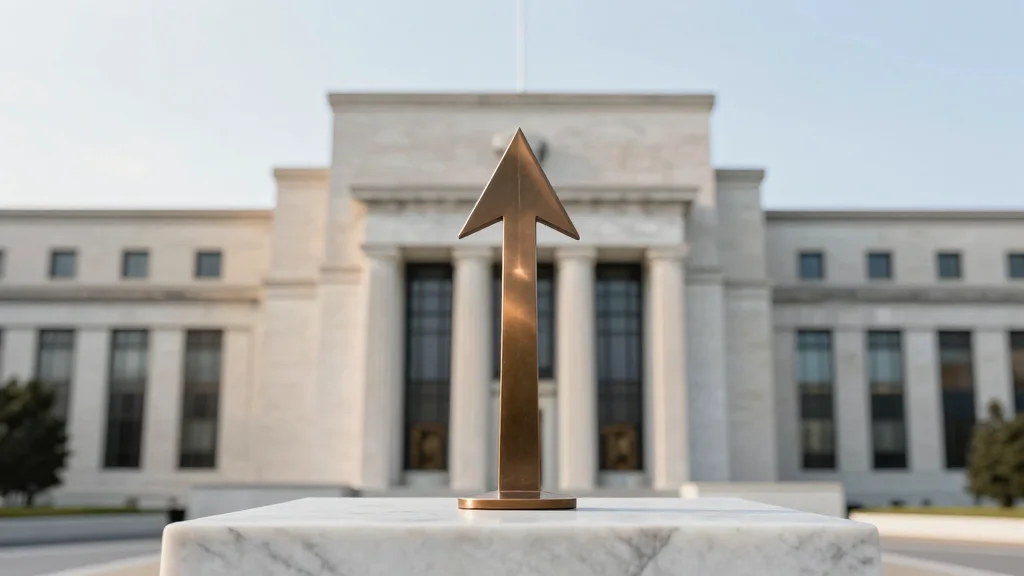
Goldman Sachs Pushes Fed Rate-Cut Call to 2027 on Strong US Jobs Data
Why It Matters
A later rate‑cut timeline signals sustained higher borrowing costs, reshaping corporate financing and investor asset‑allocation strategies. It also highlights the Fed’s cautious stance amid mixed inflation and growth signals.
Key Takeaways
- •Goldman now expects Fed cuts only in June and December 2027.
- •Strong payrolls data pushes rate‑cut timeline back by a year.
- •Nomura also forecasts no cuts through 2026, echoing prolonged pause.
- •Potential hikes remain possible as inflation pressures persist.
Pulse Analysis
The latest Goldman Sachs forecast reflects a broader market reassessment of the Federal Reserve’s policy horizon. After the U.S. Labor Department reported a payroll surge that exceeded expectations, analysts concluded that the economy’s momentum reduces the urgency for monetary easing. By pushing the first rate cut to mid‑2027, Goldman signals confidence that core inflation will trend toward the 2% target despite short‑term headwinds such as higher oil prices linked to the Iran conflict and lingering supply‑chain disruptions. This outlook dovetails with a growing cohort of investment banks that have extended their no‑cut forecasts through 2026, suggesting a consensus that the Fed will prioritize price stability over premature stimulus.
For investors, the delayed easing path carries immediate implications for fixed‑income markets. Longer‑lasting higher rates tend to compress bond yields, elevate Treasury spreads, and pressure high‑yield issuers that rely on cheap financing. Equities may also feel the strain as elevated borrowing costs dampen corporate profit margins, particularly in capital‑intensive sectors like industrials and real estate. Meanwhile, the market’s expectation of a potential, albeit modest, rate hike later in the year adds a layer of volatility to the CME FedWatch probabilities, which currently show a 75.5% chance of a hike by year‑end. Portfolio managers will likely tilt toward defensive assets and reassess duration exposure.
Looking ahead, the Fed’s trajectory will hinge on the interplay of several risk factors. Geopolitical tensions that keep oil prices high could sustain inflationary pressure, while the cooling of AI‑driven demand—cited by Goldman as overstated—might temper growth expectations. Should core PCE inflation drift above the 2% goal, the central bank could be forced to reconsider its hands‑off approach, potentially re‑introducing modest hikes before any cuts. Investors should monitor labor‑market trends, commodity price movements, and the Fed’s own communications for early signals, positioning portfolios to navigate a prolonged high‑rate environment while staying ready for any policy pivot.
Goldman Sachs pushes Fed rate-cut call to 2027 on strong US jobs data
Comments
Want to join the conversation?
Loading comments...