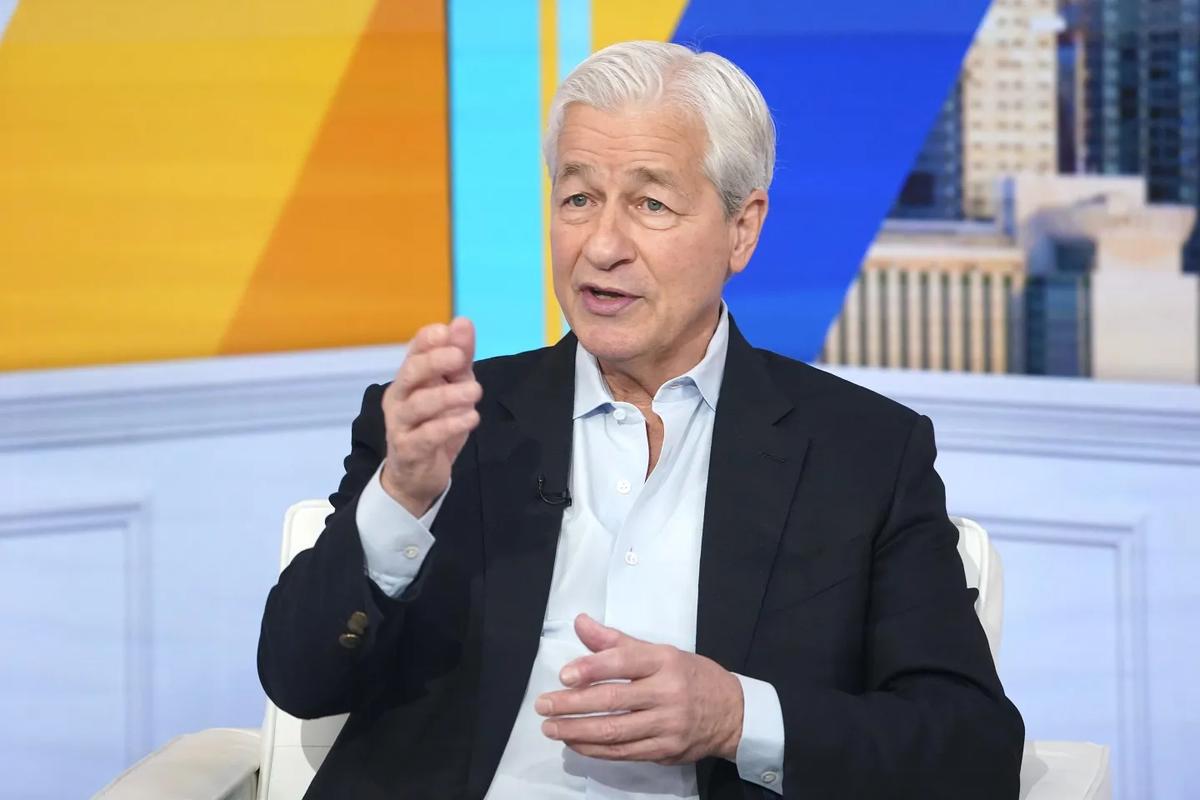
Jamie Dimon Warns Iran War Could Keep Rates Higher for Longer — Why It Hits Your Money
Companies Mentioned
Why It Matters
Persistently high inflation driven by energy shocks compels the Fed to maintain elevated rates, directly raising borrowing costs for consumers and businesses. This prolongs economic strain and reshapes credit‑market dynamics across the United States.
Key Takeaways
- •Iran conflict could spike oil prices again
- •Higher oil costs may reignite U.S. inflation
- •Sticky inflation forces Fed to keep rates elevated
- •Mortgage and loan costs likely remain high longer
- •Resilient economy delays rate cuts despite slower growth
Pulse Analysis
Geopolitical tensions in the Middle East have historically acted as catalysts for oil price volatility, and a renewed Iran confrontation could repeat that pattern. When crude spikes, transportation and production costs cascade through supply chains, creating broader price pressures that are difficult to reverse quickly. Unlike demand‑driven inflation, these supply shocks embed themselves in the cost structure of goods and services, making the inflationary environment more persistent and challenging for policymakers.
The Federal Reserve’s response to such entrenched inflation is to adopt a "higher‑for‑longer" rate policy. By keeping the federal funds rate elevated, the central bank aims to anchor inflation expectations even as growth slows. This approach, however, translates into higher mortgage rates, more expensive business loans, and tighter credit conditions for consumers. Financial markets adjust to this stance, pricing in longer‑duration yields and reducing the appetite for riskier assets, which can dampen investment and slow economic momentum.
For households, the extended period of elevated rates means mortgage refinancing becomes less attractive and monthly payments stay high, squeezing disposable income. Businesses face rising input costs and higher financing expenses, prompting them to delay expansion or pass costs onto customers. To navigate this environment, consumers may prioritize debt repayment and defer large purchases, while firms might explore cost‑efficiency measures and hedge against energy price swings. Understanding the interplay between geopolitical risk, energy markets, and monetary policy is essential for making informed financial decisions in a landscape where inflation resilience can shape the economy for years to come.
Jamie Dimon Warns Iran War Could Keep Rates Higher for Longer — Why It Hits Your Money
Comments
Want to join the conversation?
Loading comments...