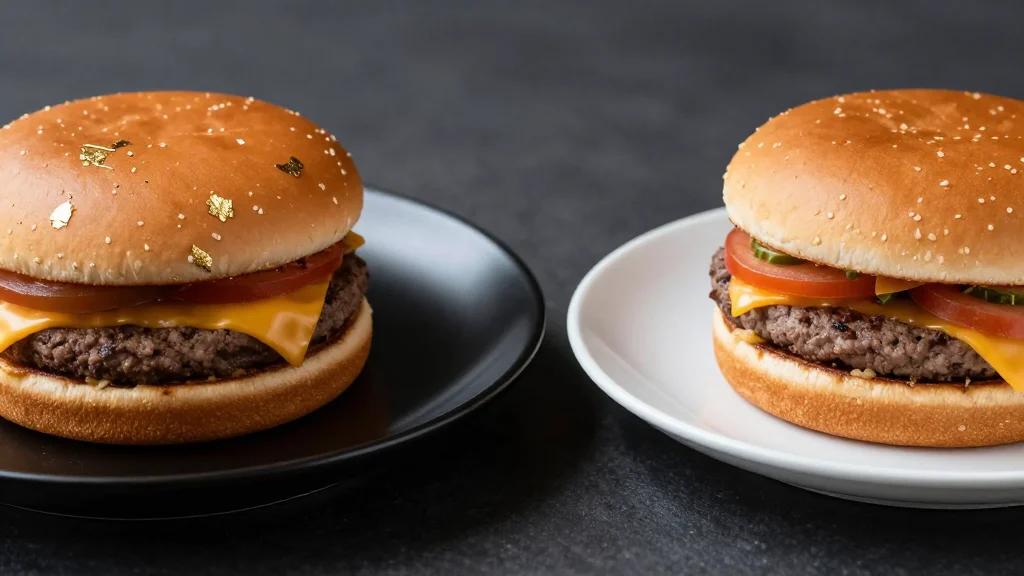
McDonald's CEO Warns K‑shaped Economy Deepens as Consumer Sentiment Sours

Why It Matters
The CEO’s assessment highlights a growing divide in U.S. consumer behavior that could reverberate through multiple sectors, from fast food to apparel and automotive. A prolonged slump among lower‑income households reduces overall consumption, potentially slowing GDP growth and complicating the Federal Reserve’s inflation‑targeting agenda. At the same time, the continued vigor of affluent spenders fuels a premium market that may attract investment but also widens income inequality. For policymakers, the K‑shaped trajectory underscores the need for targeted relief measures that address the specific pressures on low‑income families, such as energy costs and food inflation. Without such interventions, the uneven recovery could harden into a more entrenched structural imbalance, limiting the upside potential of the broader economy.
Key Takeaways
- •McDonald’s reported a 3.8% rise in global same‑store sales and $6.52 billion in revenue for the quarter.
- •CEO Chris Kempczinski warned that the K‑shaped economy is likely worsening, with low‑income spending still declining.
- •The chain is expanding its low‑price McValue menu while adding premium items like the $12 Big Arch burger.
- •McDonald’s stock has fallen about 7% year‑to‑date amid concerns over consumer sentiment.
- •The split in consumer spending could influence Fed policy and broader retail strategies.
Pulse Analysis
Kempczinski’s remarks are a microcosm of a broader macroeconomic narrative: the United States is navigating a bifurcated recovery where wealthier households continue to drive demand while the majority of consumers feel the pinch of inflation and stagnant wages. Historically, such K‑shaped recoveries have been associated with slower overall growth and heightened political pressure for redistributive policies. McDonald’s, as a bellwether for discretionary spending, offers a real‑time gauge of how these dynamics play out at the consumer front line.
The dual‑track menu strategy reflects a pragmatic hedge against divergent demand. By bolstering value offerings, McDonald’s protects its core volume base, while premium items capture higher margins from affluent diners. This approach mirrors tactics employed by other quick‑service chains, suggesting a sector‑wide pivot toward segmentation. However, the success of this model hinges on the company’s ability to balance price perception; over‑emphasizing premium items could alienate the price‑sensitive core, while excessive discounting might erode brand equity.
Looking forward, the trajectory of low‑income consumer sentiment will be a key determinant of the chain’s growth ceiling. If inflationary pressures ease and real wages begin to recover, the downward trend in spending could reverse, providing a broader lift to the economy. Until then, McDonald’s and its peers must navigate a tightrope, leveraging menu innovation and pricing agility to sustain growth in a market where the two ends of the income spectrum are pulling in opposite directions.
McDonald's CEO warns K‑shaped economy deepens as consumer sentiment sours
Comments
Want to join the conversation?
Loading comments...