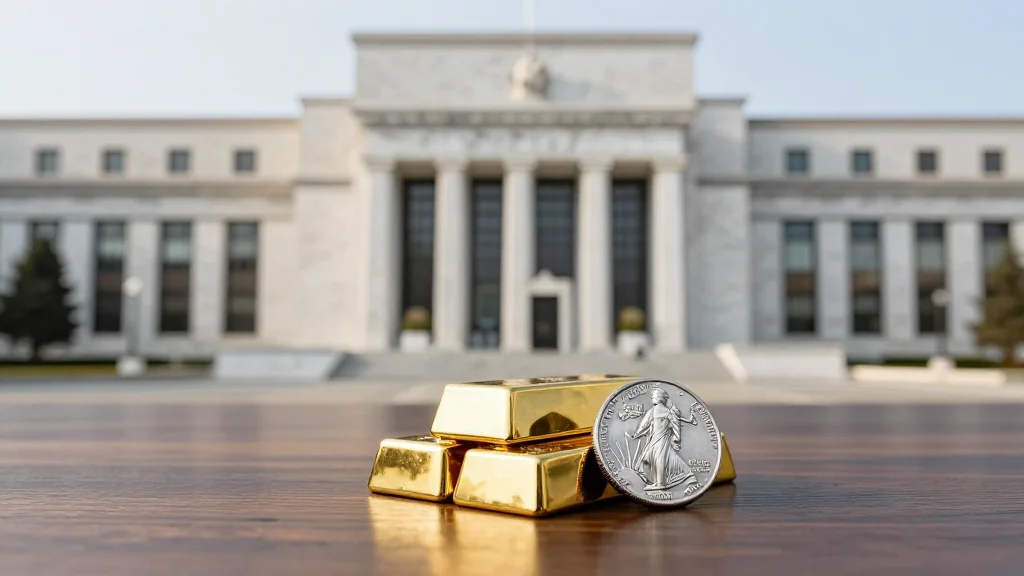
Oil Shock Clouds Outlook for Interest Rates and Economy
Why It Matters
The shock forces the Fed into a policy pause, limiting tools to curb inflation and raising borrowing costs across the economy, while AI investment provides a potential counterweight to growth slowdown.
Key Takeaways
- •Iran‑Houthi war cuts 20 % of global oil supply, spiking U.S. inflation
- •Fed likely to hold rates steady, ending 2025‑2026 cuts
- •10‑year Treasury tops 4.4%, mortgage rates above 6.5% through year
- •AI infrastructure spending projected $700 bn in 2026, cushioning growth
- •California unemployment forecast 5.5% in 2026, above national average
Pulse Analysis
The sudden closure of the Strait of Hormuz, cutting roughly 20 million barrels of oil per day—about one‑fifth of global consumption—has reignited an energy‑price shock comparable to the 2022‑23 Ukraine conflict. U.S. headline CPI has jumped from 2.4 % to 3.8 % in two months and is projected to peak near 4.5 % by year‑end 2026. The surge forces the Federal Reserve to abandon its late‑2025 rate‑cut cycle and adopt a wait‑and‑see stance, keeping policy rates unchanged through the remainder of the year, and pushes freight costs higher for Pacific ports.
Bond investors have already priced the shock, with the 10‑year Treasury yield climbing above 4.4 % and 30‑year fixed‑rate mortgages breaching 6.5 %. Those levels tighten financing conditions for both commercial developers and homebuyers, curbing demand in a market already strained by supply‑side bottlenecks. With the Fed lacking room to lower rates, the housing sector faces a prolonged period of elevated borrowing costs, raising the risk of slower price appreciation and higher inventory turnover. Higher yields also increase borrowing costs for state and municipal issuers, tightening fiscal flexibility.
Yet the forecast flags a counterbalancing force: AI infrastructure spending is slated to reach $700 billion in 2026, a 50 % jump from the prior year, providing a growth engine that could offset the drag from higher energy costs. California, while outpacing national output, still wrestles with a 5.5 % unemployment rate and higher fuel prices due to its low‑emissions gasoline blend. The combination of robust AI investment, targeted fiscal support, and a cautious Fed suggests the U.S. economy may avoid recession but will navigate a stagflation‑like environment.
Oil shock clouds outlook for interest rates and economy
Comments
Want to join the conversation?
Loading comments...