Senate Confirms Kevin Warsh as Fed Chair, Raising Questions on Future Rate Policy

Companies Mentioned
Why It Matters
Kevin Warsh’s ascent to the Fed chairmanship could reshape the United States’ monetary stance at a time when inflation remains stubbornly above target and geopolitical tensions keep energy prices volatile. A shift toward lower rates would lower borrowing costs for businesses and consumers, potentially spurring growth but also risking higher inflation. Conversely, a more hawkish approach could reinforce price stability but dampen equity markets and increase debt servicing burdens. The confirmation also tests the Fed’s independence, as Warsh’s close ties to President Trump and his substantial private wealth raise questions about political influence on monetary decisions. Beyond the immediate policy implications, Warsh’s leadership will affect global capital flows. U.S. Treasury yields set a benchmark for worldwide borrowing costs; any change in the Fed’s rate trajectory will ripple through emerging‑market debt, foreign exchange markets and commodity prices. The market’s reaction—evident in gold’s dip and the S&P 500’s continued rally—highlights how central‑bank leadership can quickly alter investor sentiment across asset classes, influencing everything from corporate financing to household wealth.
Key Takeaways
- •Senate confirmed Kevin Warsh as Fed chair 54‑45, ending Jerome Powell’s eight‑year tenure.
- •Warsh pledged to be an "independent actor" and emphasized data‑driven policy, while White House’s Kevin Hassett expects lower rates over time.
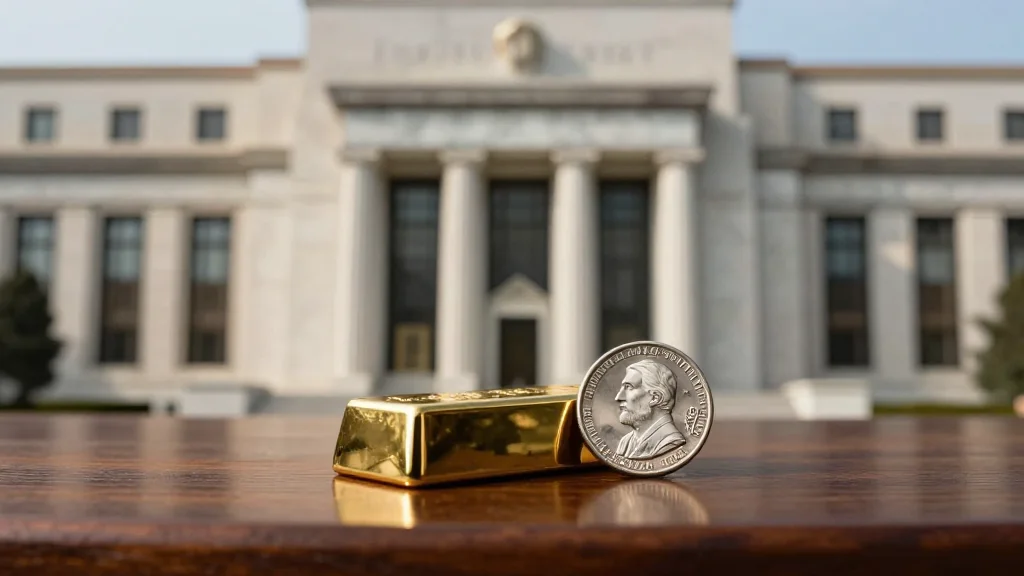
- •Gold fell to $4,689.49/oz and silver to $87.19/oz as markets priced in higher rate expectations after the vote.
- •S&P 500 continues a 13% rally since March, buoyed by AI‑driven earnings and the "Trump Pivot" narrative.
- •Warsh’s first FOMC meeting is in June; his stance will dictate whether rate cuts return or inflation-fighting hikes persist.
Pulse Analysis
Warsh’s confirmation arrives at a crossroads where the Fed must reconcile two competing imperatives: taming inflation that has lingered above the 2% target and responding to political pressure for cheaper credit. Historically, Fed chairs who leaned heavily on political cues—most notably Paul Volcker’s early 1980s battles with the Reagan administration—ended up cementing credibility by prioritizing price stability. Warsh, however, brings a different pedigree: a crisis‑era insider who championed aggressive balance‑sheet expansion in 2008 and a recent public alignment with Trump’s growth‑first rhetoric. If he follows the latter path, the Fed risks a credibility gap that could embed higher inflation expectations, forcing future policymakers to over‑tighten.
The market’s immediate reaction—gold’s modest decline and equities’ continued ascent—reflects a nuanced bet. Traders appear to price in a short‑term easing of policy, perhaps betting that Warsh will use his influence to nudge the FOMC toward a modest rate cut later in the year. Yet the underlying data—persistent core inflation, a 3.8% headline rate in April, and a 50% spike in gas prices—suggests that any premature easing could reignite price pressures. The Fed’s balance sheet, still swollen at $6.7 trillion, adds another lever; Warsh’s criticism of forward guidance hints he may prefer a slower, more opaque communication strategy, which could reduce market volatility but also obscure policy intent.
Looking ahead, the real test will be Warsh’s handling of the Fed’s internal divisions. The April meeting saw the most dissenting votes in three decades, indicating a board split between hawks demanding higher rates and doves pushing for relief. Warsh’s ability to forge consensus will determine whether the Fed can navigate a path that stabilizes inflation without derailing the current equity boom. Investors should monitor his speeches for language on "data‑driven" decisions, any mention of balance‑sheet normalization, and his stance on forward guidance—all signals that will shape the trajectory of U.S. monetary policy for the next several years.
Senate Confirms Kevin Warsh as Fed Chair, Raising Questions on Future Rate Policy
Comments
Want to join the conversation?
Loading comments...