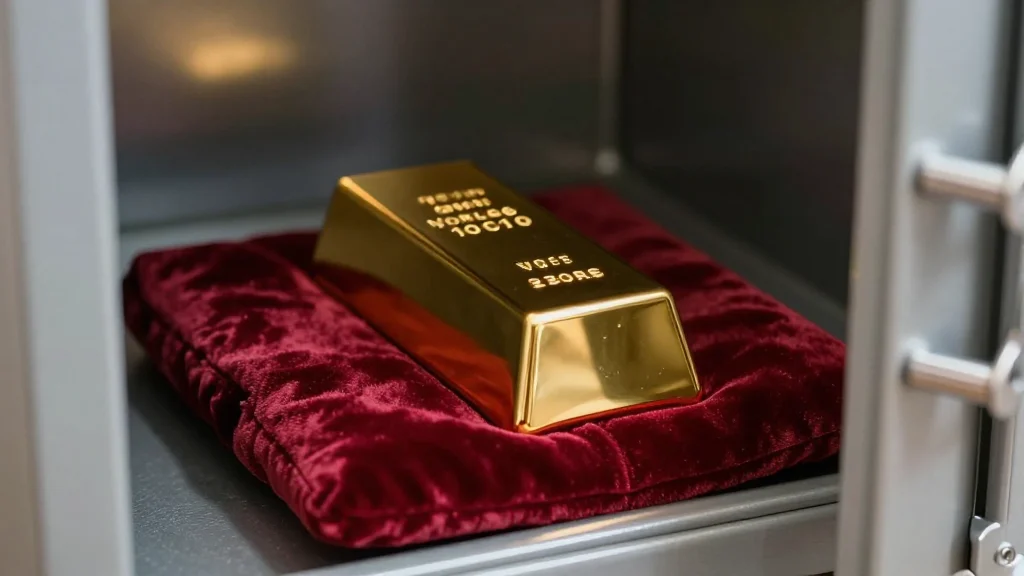
Texas, Florida, Utah and Others Stockpile Gold Bars as Inflation Hedge

Why It Matters
State‑level gold stockpiling signals a growing distrust of federal fiscal policy and a willingness to experiment with alternative reserve assets. By moving a portion of public funds into a commodity that traditionally holds value during inflationary periods, states are creating parallel safety nets that could influence national debt discussions and monetary policy debates. If successful, these programs may encourage other jurisdictions to adopt similar strategies, potentially reshaping demand for gold and affecting global commodity markets. Moreover, the legislative push reflects deeper political currents. Republican lawmakers are leveraging gold as a symbolic counterweight to what they view as unchecked federal spending, while critics fear the moves could entrench wealth disparities and complicate tax policy. The outcome will reveal how much fiscal autonomy states can claim in an era of soaring national debt and persistent price pressures.
Key Takeaways
- •Texas, Florida, Utah and Wyoming passed laws to allocate up to 10% of state reserves to gold bars.
- •Gold price hovered above $4,726 per ounce at the time of the announcements.
- •Utah already holds about $178 million worth of gold in a private vault.
- •National debt is projected to top $40 trillion by November, fueling inflation concerns.
- •Critics warn the measures could create tax havens for the wealthy and distort local gold markets.
Pulse Analysis
The recent wave of state gold‑stockpiling legislation is less about immediate financial returns and more about signaling. By converting a slice of their cash reserves into a tangible asset, Republican‑led states are attempting to insulate themselves from the volatility of fiat currency and the political risk of a ballooning federal deficit. Historically, gold has served as a hedge during periods of high inflation, but its role in modern state finance is untested. If the demand from multiple states outpaces supply, we could see a modest upward pressure on gold prices, which would ripple through investment portfolios and affect the broader commodities market.
Politically, the moves underscore a growing schism between state and federal fiscal philosophies. While the federal government continues to rely on debt issuance to fund stimulus and infrastructure, these states are betting on a decentralized, asset‑backed approach. This could embolden other jurisdictions to explore alternative reserve assets, such as cryptocurrencies or foreign currencies, further fragmenting the United States' monetary cohesion. However, the success of these programs hinges on robust oversight, transparent accounting, and the ability to liquidate assets without destabilizing markets. Should any state face a liquidity crunch, the gold holdings could become a double‑edged sword, offering security but also limiting flexibility.
In the longer term, the gold‑stockpiling trend may act as a catalyst for broader monetary reform debates, including discussions about state‑level legal tender and electronic payment systems backed by precious metals. If public sentiment continues to view gold as a safe haven, legislators could leverage that perception to push for more radical changes, potentially reshaping the relationship between state treasuries and the federal monetary system.
Texas, Florida, Utah and Others Stockpile Gold Bars as Inflation Hedge
Comments
Want to join the conversation?
Loading comments...