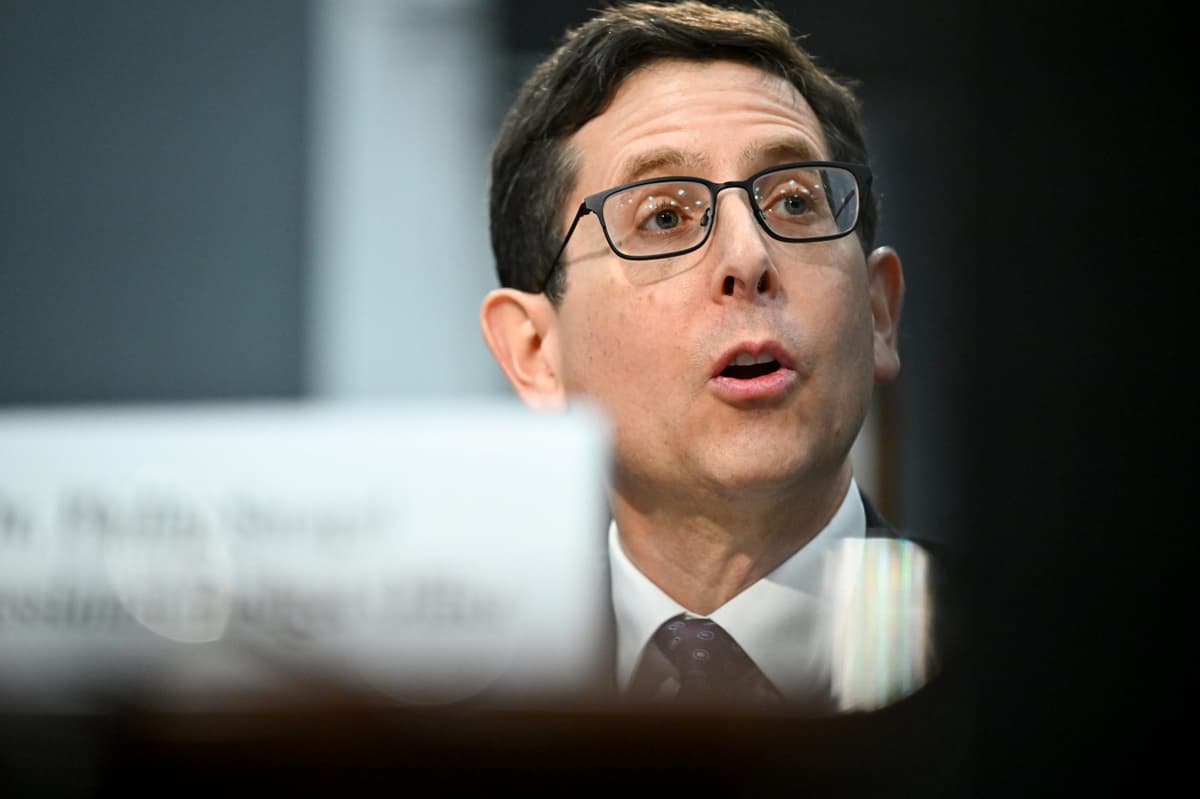
The Director of the Congressional Budget Office—Known for Its Gloomy National Debt Data—Is Very Optimistic that a Crisis Will Be Avoided Entirely
Companies Mentioned
Why It Matters
If policymakers heed Swagel’s call, the U.S. could avoid steep interest‑rate spikes and preserve fiscal stability, protecting both markets and taxpayers.
Key Takeaways
- •CBO director Phillip Swagel says a fiscal crisis can be avoided.
- •US public debt exceeds $39 trillion, interest payments top $1 trillion annually.
- •Bond market remains stable, reflecting confidence in Treasury’s financing ability.
- •Social Security and Medicare projected insolvent within six years, prompting action.
- •Optimism hinges on policymakers’ willingness to address deficits and lower rates.
Pulse Analysis
Swagel’s upbeat outlook arrives at a time when the nation’s debt ledger reads more than $39 trillion, with interest obligations surpassing $1 trillion each year. While those figures sound alarming, the CBO’s latest projections show that the Treasury’s borrowing costs remain modest, thanks in part to a deep, liquid bond market that continues to absorb new issuance without demanding higher yields. This market depth, combined with the Federal Reserve’s historic role as a large buyer of Treasuries, creates a cushion that many economists believe can stave off an immediate crisis, even as the debt‑to‑GDP ratio hovers around 122 percent.
Critics, however, caution that the current stability rests on policy choices that may not endure. The Fed’s balance‑sheet reduction plan, hinted at by nominee Kevin Warsh, could shrink the central bank’s demand for government paper, potentially nudging yields upward. Moreover, the bond market’s low risk premium reflects not just confidence but also an expectation that Congress will eventually tighten fiscal policy. If lawmakers delay reforms, the cost of borrowing could climb, eroding the “vote of confidence” that Swagel cites as evidence of market optimism.
The political timeline adds urgency. The Committee for a Responsible Federal Budget warns that Social Security and Medicare face solvency gaps within the next six years, a scenario that would pressure the federal budget and could force higher taxes or reduced benefits. Swagel argues that credible steps—whether spending cuts, revenue enhancements, or growth‑focused reforms—would lower long‑term rates and create a virtuous cycle of confidence and investment. For investors, businesses, and households, the stakes are clear: proactive fiscal action can preserve the current low‑rate environment, while inaction risks a sharp rise in borrowing costs that would ripple through the economy.
The director of the Congressional Budget Office—known for its gloomy national debt data—is very optimistic that a crisis will be avoided entirely
Comments
Want to join the conversation?
Loading comments...