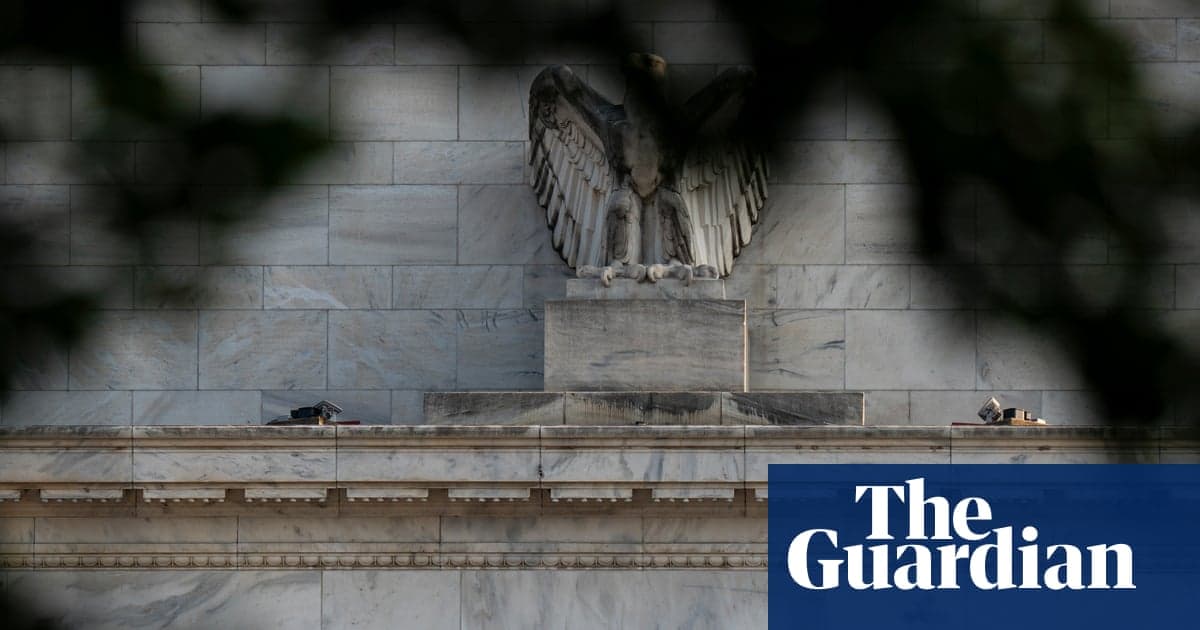
The Federal Reserve’s Independence Is Hanging by a Thread in the Age of Trump
Why It Matters
Fed independence underpins credible monetary policy; erosion could spark inflation spikes and market volatility. The clash between the executive and the central bank signals broader risks to U.S. institutional checks and balances.
Key Takeaways
- •Powell resisted Trump’s demand to cut rates, preserving policy autonomy
- •Supreme Court’s conservative majority limits presidential removal of Fed governors
- •Markets remain calm, trusting legal safeguards despite political threats
- •Other agencies face firings; Fed’s structure offers stronger protection
Pulse Analysis
The Federal Reserve’s autonomy has long been a cornerstone of macroeconomic stability, allowing policymakers to adjust interest rates without direct political pressure. Powell’s tenure exemplified this principle: after a delayed response to post‑pandemic inflation, the Fed acted decisively, achieving a soft landing that kept unemployment low while taming price growth. This success reinforced the market’s belief that an independent central bank can navigate shocks more effectively than a politically driven alternative.
President Trump’s confrontations with the Fed marked a stark departure from that tradition. By threatening indictment, demanding rate cuts, and attempting to replace Powell with a loyalist, the administration tested the legal boundaries of executive power. The Supreme Court’s recent rulings—protecting the Fed while allowing firings at agencies such as the NLRB and FTC—highlight a selective approach to agency independence. The contrast underscores how the Fed’s quasi‑private structure and the high economic stakes of monetary policy afford it a unique shield, even as other regulators face erosion.
Financial markets have largely absorbed these tensions, with long‑term yields and the dollar showing resilience. Investors continue to price in the expectation that the judiciary will uphold the Fed’s independence, a view reinforced by statements from former governors and economists. However, the precedent of a president leveraging the courts to pressure an agency raises long‑term governance concerns. Should future administrations succeed in weakening the Fed’s buffer, the cost could be higher inflation, reduced policy credibility, and heightened market uncertainty—outcomes that businesses and investors alike would keenly feel.
The Federal Reserve’s independence is hanging by a thread in the age of Trump
Comments
Want to join the conversation?
Loading comments...