The Fed's Reserve Management Revisited
Key Takeaways
- •Payment system drives banks' structural reserve demand post‑2008
- •Netting Fedwire payments could cut intraday liquidity needs 15‑20%
- •Relaxing overdraft rules shifts liquidity risk back to the Fed
- •Temporary open‑market ops can smooth predictable reserve supply shocks
- •Tiered reserve remuneration faces political resistance despite international use
Pulse Analysis
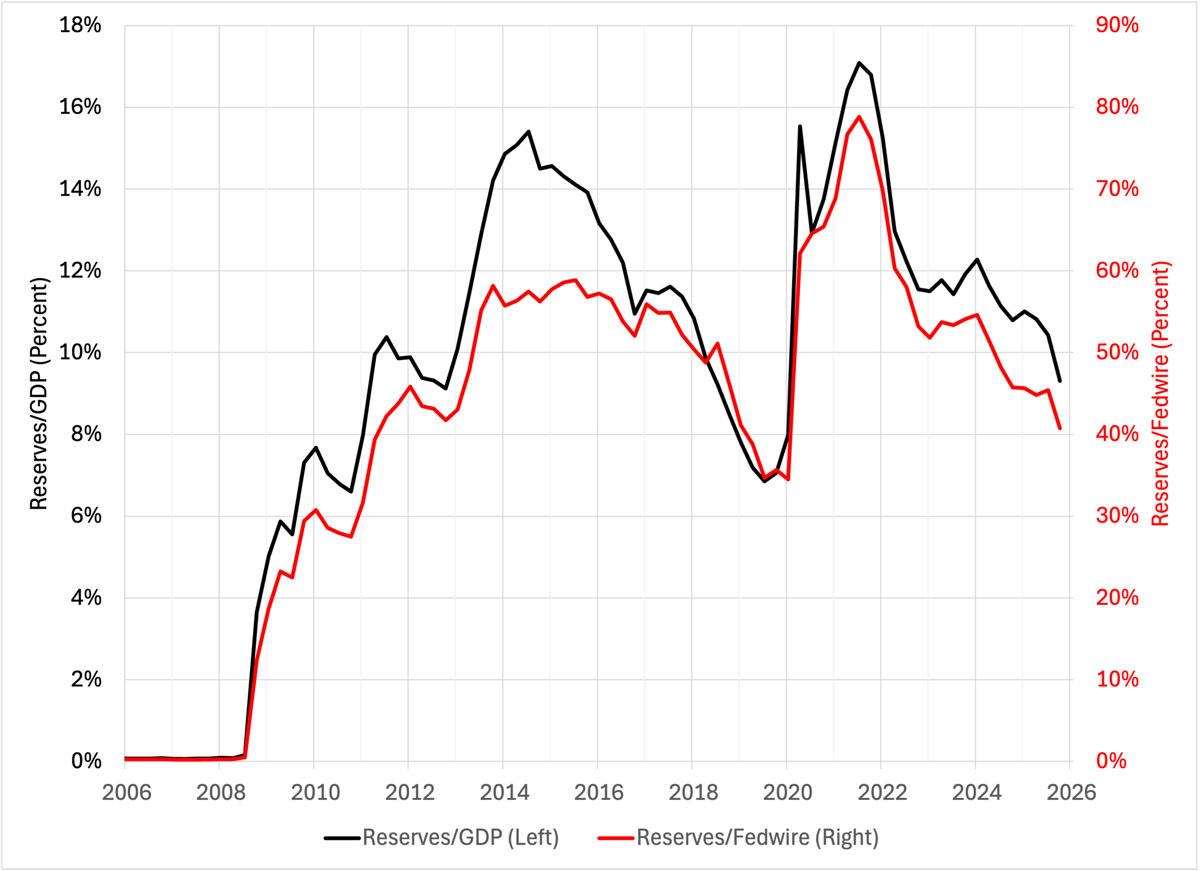
The post‑crisis regulatory environment has forced large banks to preload reserves for Fedwire payments, turning the payment system into the dominant source of reserve demand. Unlike the pre‑2008 era, when daylight overdrafts averaged $120 billion, today’s banks hold under $5 billion in overdrafts while processing more than $7 trillion of daily payments. This shift creates a “reserve‑in‑advance” model that amplifies the impact of any liquidity shortfall on short‑term rates such as SOFR, raising the risk of abrupt market spikes.
Policymakers are exploring a suite of demand‑reduction tools. Introducing a netting queue to Fedwire could lower required intraday liquidity by 15‑20 percent, mirroring practices in the UK, Japan, and Canada. Adjusting supervisory expectations around daylight overdrafts would allow banks to rely more on Fed credit, though it would transfer credit risk back to the central bank. Broader collateral eligibility under Regulation YY and systematic temporary open‑market operations (TOMOs) aim to smooth predictable reserve supply shocks without altering the balance sheet’s structural size. More radical proposals, such as tiered reserve remuneration, face steep political hurdles despite evidence of effectiveness abroad.
The stakes are high: a premature reduction in reserve supply could reignite the volatility the Fed seeks to avoid, while an unchanged high‑reserve regime limits the central bank’s ability to shrink its footprint and reduces fiscal efficiency. Careful, multi‑year reforms that first curb reserve demand—through payment‑netting, regulatory tweaks, and enhanced discount‑window access—offer a path to a smaller, more flexible balance sheet without compromising financial stability. Stakeholders must weigh operational costs, systemic risk, and legislative feasibility as the Fed navigates this complex transition.
The Fed's Reserve Management Revisited
Comments
Want to join the conversation?