Why It Matters
The modest growth underscores economic resilience, but renewed inflation pressure could curb momentum and force tighter monetary policy. Investors and policymakers must monitor oil‑driven price dynamics and the Fed’s next move.
Key Takeaways
- •Q1 2026 GDP grew at a 2% annualized pace
- •Oil price spikes from Middle East tensions lift inflation expectations
- •Federal Reserve left policy rates unchanged amid mixed data
- •Higher inflation could pressure consumer spending and corporate margins
Pulse Analysis
The U.S. economy posted a 2% annualized growth rate in the first quarter of 2026, marking a rebound after a sluggish close to 2025. The modest expansion was driven by solid consumer spending, a rebound in manufacturing output, and a modest uptick in services. Economists had expected a slowdown, but the data suggests underlying resilience in the labor market and credit conditions.
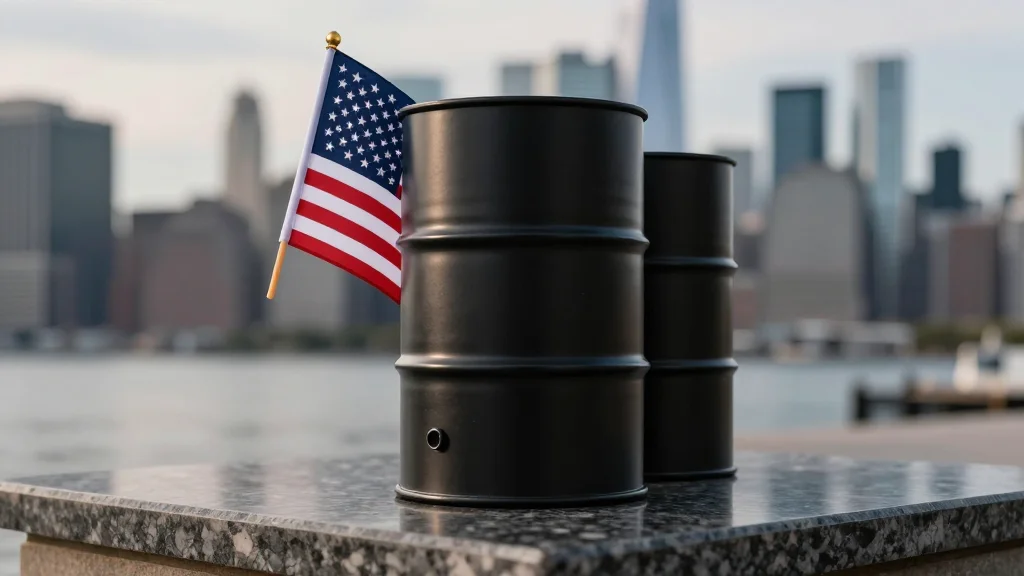
At the same time, inflationary pressures are re‑emerging, primarily because crude oil prices have surged amid renewed tensions in the Middle East. The price spike has pushed headline CPI up by roughly 0.4 percentage points month‑over‑month, reviving concerns about cost‑of‑living pressures for households and input‑cost burdens for businesses. Energy‑intensive sectors such as transportation and chemicals are feeling the first‑hand impact, which could translate into broader price stickiness if the situation persists.
The Federal Reserve responded by keeping its benchmark interest rate unchanged, signaling a cautious “wait‑and‑see” approach. By holding rates steady, the Fed aims to avoid tightening financial conditions while it monitors whether inflation will stabilize. Investors should watch upcoming commodity trends and Fed commentary, as a prolonged oil rally could force a policy pivot, affecting equity valuations, bond yields, and currency markets.
Title Update Review Page>
Comments
Want to join the conversation?
Loading comments...